NEED SUPPORT WITH YOUR ORDER? Get in touch
Not satisfied with your purchase?
Enter your Order ID on website, and we'll resolve it right away.

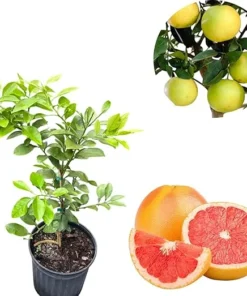
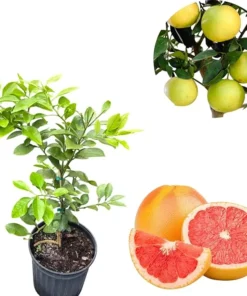
Original price was: $160.00.$140.00Current price is: $140.00.
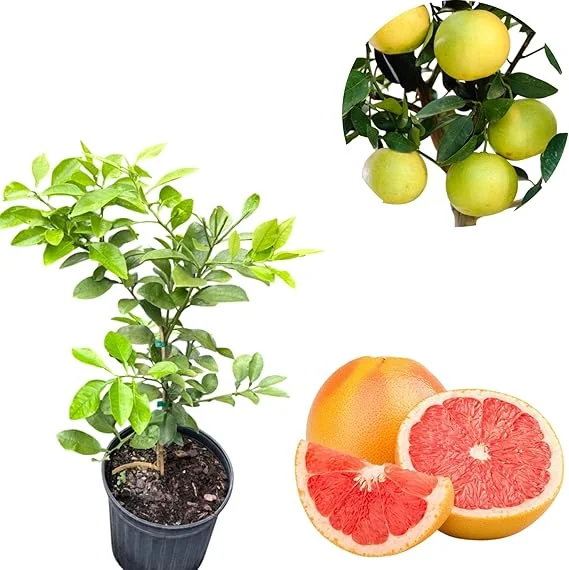
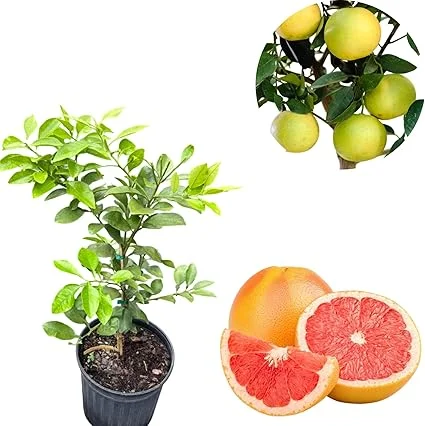
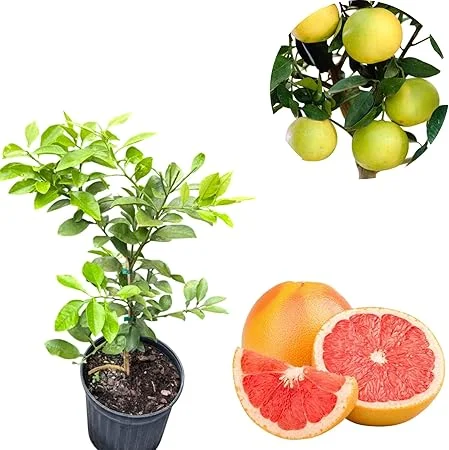
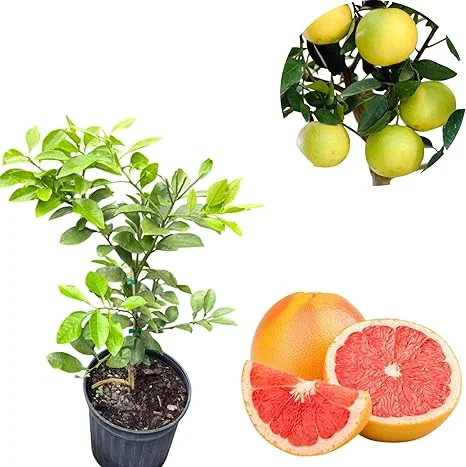
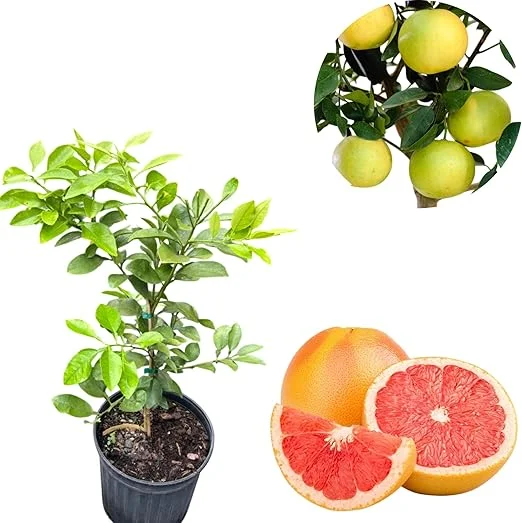
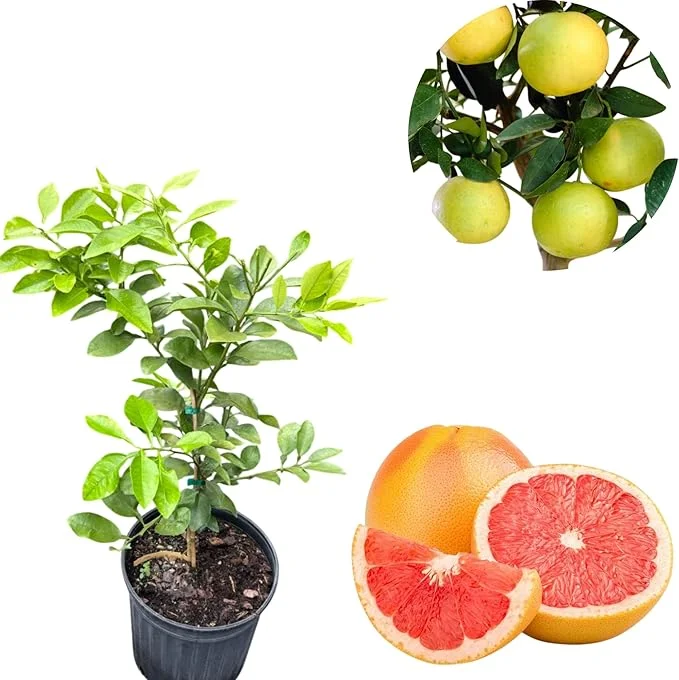
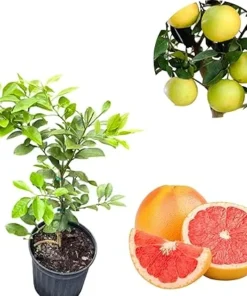
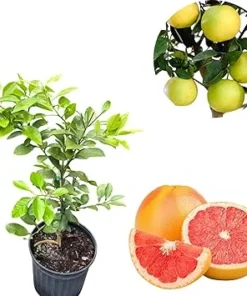
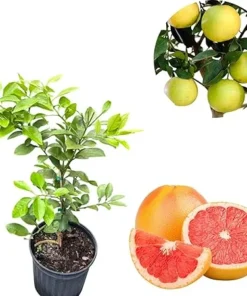
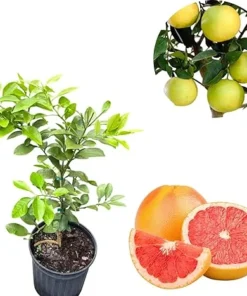
Cultivate your own sweet and juicy citrus with this robust ruby red grapefruit live plant. This 1-2 ft tall grafted tree arrives in a 3-gallon pot, ready for planting in your outdoor garden or as a container plant. Enjoy fresh grapefruit sooner with this fruit-bearing ready specimen.
Feb 08
Feb 13 - Feb 15
Feb 18 - Feb 22
USDA Hardiness Zone
Soil Type
Sunlight Exposure
Expected Planting Period
Shipping and return policies: Our Alive & Thrive Guarantee covers issues with your plants within the first 30 days. Get in touch with us via email, and our team will review your concerns and, if necessary, provide you with a one-time replacement at no cost.
If you're unsure about your hardiness zone, feel free to reach out to us. Our team will answer your questions and help you find the plants that are truly suitable for your environment, climate, and personal preferences.
Bring the taste of fresh, homegrown citrus to your garden with this vibrant ruby red grapefruit live plant. This healthy, grafted tree, measuring 1 to 2 feet in height and rooted in a substantial 3-gallon pot, is an excellent choice for both experienced gardeners and those new to growing fruit trees. Known for its juicy, sweet-tart fruit with beautiful red flesh, the ruby red grapefruit is a popular and rewarding addition to any landscape. Grafted trees like this one are specially cultivated to bear fruit faster than those grown from seed, meaning you can anticipate your first harvest of delicious grapefruits in as little as 1 to 2 years. Whether you’re looking to start a small orchard or add a single specimen to your patio, this ruby red grapefruit live plant promises vigorous growth and a bountiful yield.
This particular pomelo plant outdoor variety, often referred to as a grapefruit tree, thrives in appropriate climates and can be a stunning focal point in your garden. Its glossy green leaves provide year-round appeal, while the fragrant white blossoms in spring add an extra layer of sensory delight before the fruit begins to form. Growing your own citrus ensures you have access to fresh, organic fruit right from your backyard. This resilient tree is designed to adapt to various outdoor garden settings, making it a versatile choice for many gardeners seeking a productive and attractive fruit-bearing plant.
Investing in a ruby red grapefruit live plant offers numerous advantages, from fresh fruit to enhancing your garden’s aesthetic and ecological value. Here are some of the key benefits:
Proper care is essential for a thriving ruby red grapefruit live plant. These trees generally prefer warm climates and require specific conditions to produce abundant, high-quality fruit. Understanding the needs of your citrus tree for garden success is key.
Sunlight Requirements: Grapefruit trees are sun-loving plants. They require a minimum of 6-8 hours of direct sunlight per day to produce fruit effectively. Choose a location in your garden that receives full sun exposure throughout the day. If growing in a container, place it in the sunniest spot available, ensuring it gets adequate light. Insufficient light can lead to poor fruit production and overall plant health decline.
Watering Schedule & Soil Moisture: Moderate watering is crucial for grapefruit trees. The soil should be kept consistently moist but never waterlogged. Water deeply when the top 2-3 inches of soil feel dry to the touch. During hot, dry periods, watering may be needed more frequently. Reduce watering in cooler months to prevent root rot. Good drainage is paramount, as standing water can be detrimental to the roots. Proper grapefruit tree care includes monitoring soil moisture regularly.
Soil Type & Drainage: This citrus tree prefers well-draining, loamy or sandy loam soil with a slightly acidic pH (5.5-6.5). If your native soil is heavy clay, amend it with organic matter like compost, peat moss, or sand to improve drainage and aeration. For container planting, use a high-quality potting mix specifically formulated for citrus plants, ensuring it drains freely. Adequate drainage prevents waterlogged roots and promotes healthy growth.
Temperature Range & USDA Hardiness Zone: Grapefruit trees are sensitive to cold. They thrive in USDA Zones 9 to 11, where temperatures rarely drop below freezing. While the input suggests USDA Zones 3 to 9, for fruit-bearing grapefruit, zones 9-11 are typically recommended. If you live in a colder zone, you must protect the tree from frost or grow it in a container that can be moved indoors during winter. Ideal temperatures are between 55°F and 90°F (13°C and 32°C).
Fertilization Schedule & Type: Fertilize your grapefruit tree regularly, especially during the growing season (spring through fall). Use a balanced citrus-specific fertilizer that includes essential micronutrients like iron, zinc, and manganese. Follow the product instructions for application rates and frequency, typically every 1-3 months. Reduce fertilization during the dormant winter months. A healthy feeding regimen supports robust growth and plentiful fruit production.
Common Problems & Solutions: Watch out for common citrus pests like aphids, scale, and spider mites. Treat infestations with insecticidal soap or neem oil. Fungal diseases can occur in overly wet conditions; ensure good air circulation and proper watering. Yellowing leaves often indicate nutrient deficiencies or improper watering. Address these issues promptly to maintain the health of your citrus tree for garden.
This ruby red grapefruit live plant arrives as a well-established young tree, standing approximately 1 to 2 feet tall from the base of the pot. It is provided in a robust 3-gallon nursery pot, offering ample space for its initial root development and ensuring a smooth transition to your garden or a larger container. The tree is grafted, which means it will typically start bearing fruit much faster than trees grown from seed, often within 1 to 2 years of planting. When mature, this variety of grapefruit tree can reach a height of 15 to 30 feet tall if planted in the ground, though its size can be managed with regular pruning, especially when grown in a container. The product dimensions for shipping are approximately 8 x 8 x 30 inches, indicating the size of the plant within its packaging. This allows for safe transport and ensures the tree arrives in excellent condition, ready for its new home.
The tree’s growth rate is moderate, and with proper care, it will steadily increase in size and fruit production. It ships as a living plant, fully rooted in its current pot, making it easy to transplant. The vibrant green foliage is a testament to its health, promising a beautiful and productive addition to your outdoor space. Ensure you’re prepared to provide the necessary space and care for this tree to reach its full potential as a productive pomelo plant outdoor specimen.
You must be logged in to post a review.
Sold 76 products
Original price was: $319.98.$159.99Current price is: $159.99.
Sold 56 products
Original price was: $45.98.$22.99Current price is: $22.99.
Sold 77 products
Original price was: $257.98.$128.99Current price is: $128.99.
Sold 77 products
Original price was: $35.98.$17.99Current price is: $17.99.
Sold 59 products
Original price was: $259.96.$129.98Current price is: $129.98.
Sold 68 products
Original price was: $243.98.$121.99Current price is: $121.99.
Sold 68 products
Original price was: $59.98.$29.99Current price is: $29.99.
Sold 95 products
Original price was: $48.98.$24.49Current price is: $24.49.
Reviews
There are no reviews yet.