NEED SUPPORT WITH YOUR ORDER? Get in touch
Not satisfied with your purchase?
Enter your Order ID on website, and we'll resolve it right away.

Original price was: $26.99.$20.99Current price is: $20.99.
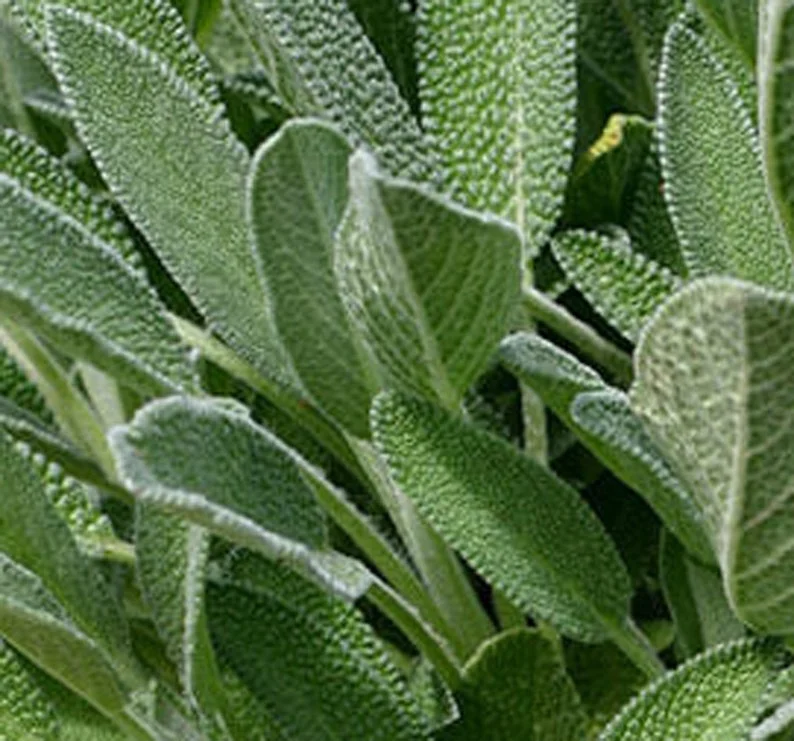
Enhance your kitchen and garden with this fragrant sage live plant. Arriving at approximately 5 inches tall in a 3-inch pot, this versatile herb is perfect for culinary creations and ornamental display. Enjoy fresh, aromatic leaves at your fingertips, whether you choose to grow sage indoors or outdoors.
Mar 03
Mar 08 - Mar 10
Mar 13 - Mar 17
USDA Hardiness Zone
Soil Type
Sunlight Exposure
Expected Planting Period
Shipping and return policies: Our Alive & Thrive Guarantee covers issues with your plants within the first 30 days. Get in touch with us via email, and our team will review your concerns and, if necessary, provide you with a one-time replacement at no cost.
If you're unsure about your hardiness zone, feel free to reach out to us. Our team will answer your questions and help you find the plants that are truly suitable for your environment, climate, and personal preferences.
Elevate your culinary adventures and garden aesthetics with a vibrant sage live plant. This aromatic herb, scientifically known as Salvia officinalis, is a staple for any home gardener or chef. Arriving at approximately 5 inches tall and nestled in a 3-inch pot, this plant is ready to thrive under your care. Sage is celebrated for its distinctive, earthy flavor that enhances a wide array of dishes, from savory meats to comforting soups. Beyond its culinary appeal, this beautiful plant offers ornamental value with its silvery-green foliage, making it a delightful addition to herb gardens, borders, or container arrangements. Whether you’re an experienced gardener or just beginning your green journey, this sage herb plant promises a rewarding experience, bringing fresh, homegrown herbs right to your kitchen.
Growing your own sage provides unparalleled access to fresh ingredients, allowing you to snip leaves as needed for optimal flavor. The act of nurturing a plant, watching it grow, and eventually harvesting its bounty is a therapeutic and grounding experience. This particular culinary sage plant is robust and relatively easy to care for, making it an excellent choice for those looking to enjoy the benefits of fresh herbs without extensive maintenance. Embrace the sustainability of homegrown produce and the joy of contributing to your own fresh, flavorful meals with this exceptional sage plant.
Our sage live plant offers a multitude of advantages for both your kitchen and garden, enriching your daily life with its presence and utility.
Caring for your sage live plant is straightforward, ensuring it thrives and provides you with an abundance of fresh herbs. Sage prefers plenty of sunlight, ideally receiving at least 6 hours of direct sun per day. If growing indoors, place it in a south-facing window or under a grow light to ensure it gets adequate light. When temperatures drop below 55 degrees Fahrenheit, it’s best to bring outdoor plants indoors to protect them from cold damage. This helps maintain the health of your sage herb plant.
Watering is crucial for sage, but it is important to avoid overwatering. Water the plant 3-5 times per week, or when the topsoil feels dry to the touch. Sage thrives in well-draining soil; a good quality potting mix amended with perlite or sand will ensure proper drainage and prevent root rot. Feed your plant with a balanced liquid fertilizer every 2-4 weeks during the growing season (spring and summer) to encourage vigorous growth. Pruning regularly will help maintain a bushy shape and encourage new growth, providing you with more fresh leaves. Keep an eye out for common pests like aphids, and treat them with organic insecticidal soap if necessary. By following these simple tips, your culinary sage plant will flourish.
This sage live plant arrives approximately 5 inches tall, perfectly sized for immediate integration into your herb garden or kitchen. It comes securely planted in a 3-inch nursery pot, providing a healthy start for its growth journey. Sage is a moderately fast-growing herb, and with proper care, it can reach a mature height of 12-24 inches, developing a bushy spread of similar width. The plant will continue to grow and produce aromatic leaves, ready for harvest.
Its compact initial size makes it ideal for transplanting into a larger container or directly into your garden bed. Expect consistent growth throughout the warmer months, providing a continuous supply of fresh leaves. This plant is shipped as a live, actively growing specimen, carefully packaged to ensure its safe arrival, ready to bring its unique flavor and beauty to your home. It’s an excellent choice if you’re looking to grow sage indoors or outdoors.
You must be logged in to post a review.
Sold 83 products
Original price was: $35.98.$17.99Current price is: $17.99.
Sold 92 products
Original price was: $59.40.$29.70Current price is: $29.70.
Sold 71 products
Original price was: $67.98.$33.99Current price is: $33.99.
Sold 59 products
Original price was: $89.82.$44.91Current price is: $44.91.
Sold 69 products
Original price was: $51.98.$25.99Current price is: $25.99.
Sold 89 products
Original price was: $45.98.$22.99Current price is: $22.99.
Sold 52 products
Original price was: $45.98.$22.99Current price is: $22.99.
Sold 67 products
Original price was: $39.98.$19.99Current price is: $19.99.
Reviews
There are no reviews yet.