NEED SUPPORT WITH YOUR ORDER? Get in touch
Not satisfied with your purchase?
Enter your Order ID on website, and we'll resolve it right away.

Original price was: $43.99.$23.99Current price is: $23.99.
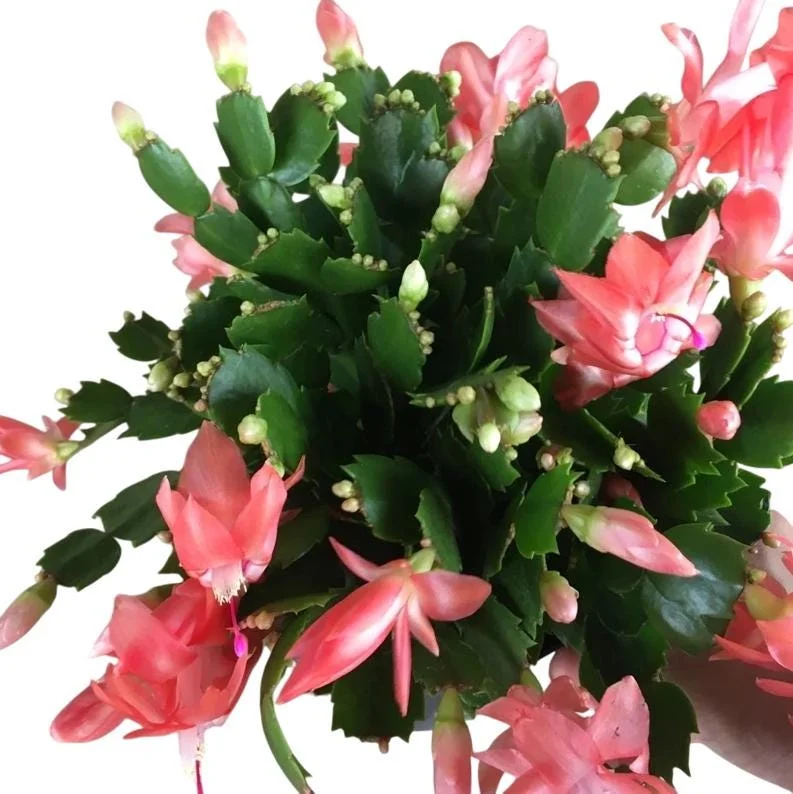
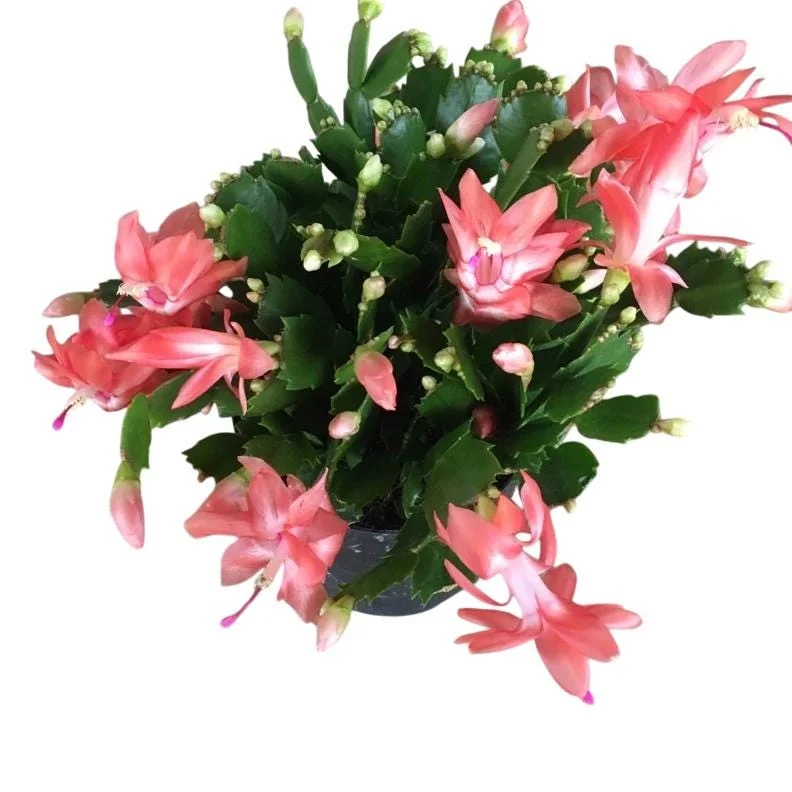
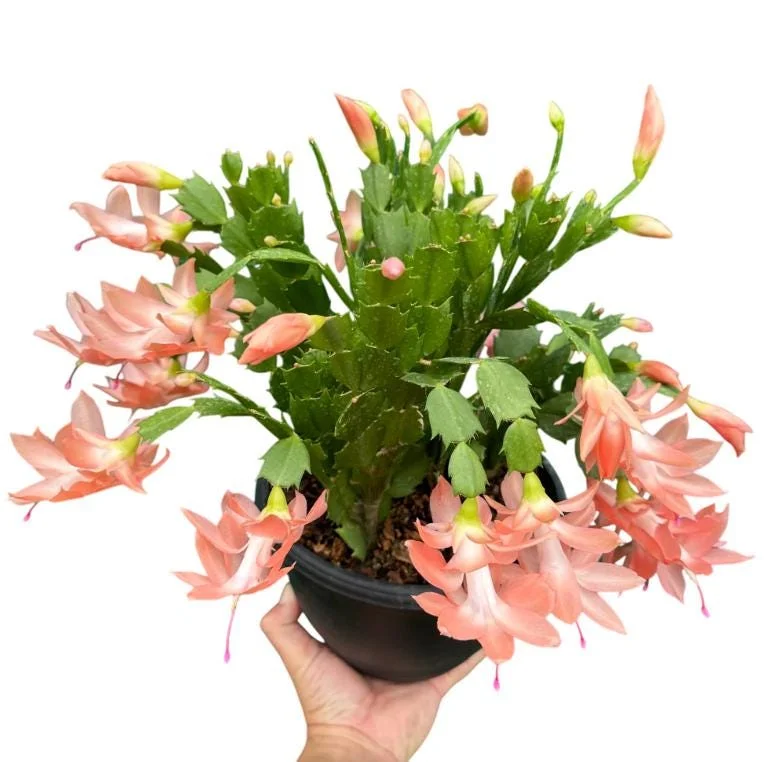
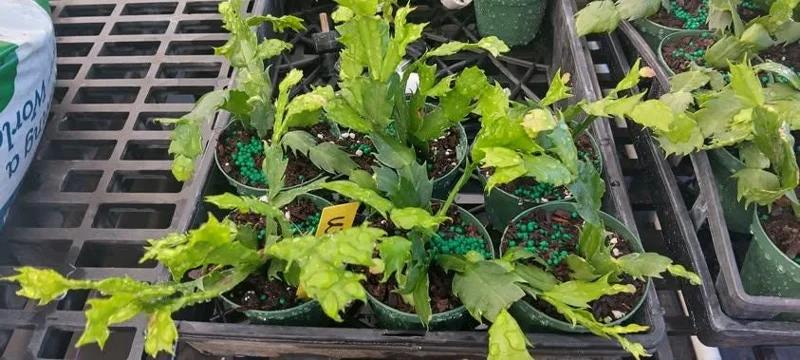
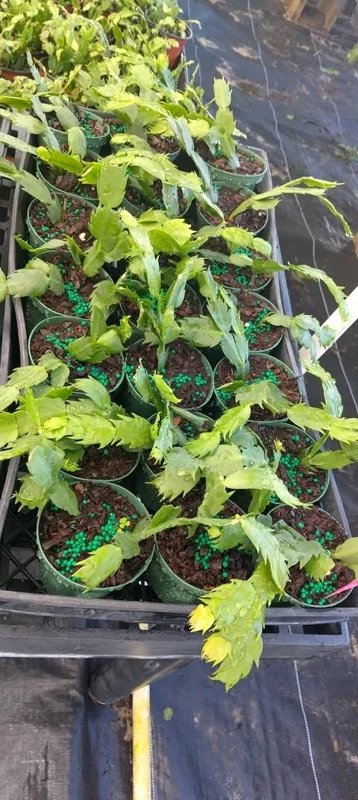
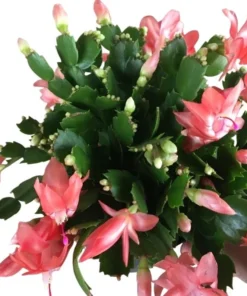
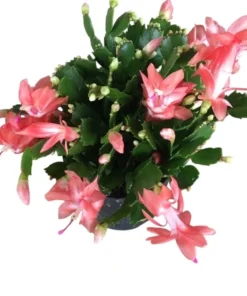
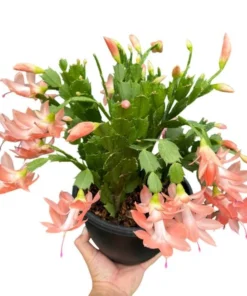
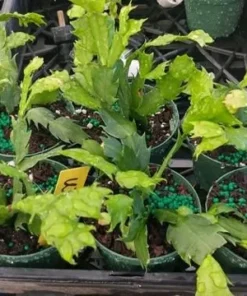
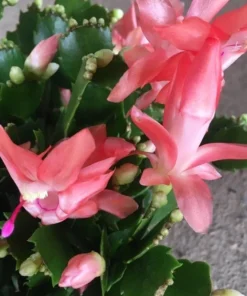
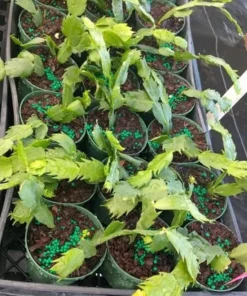
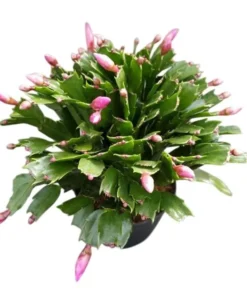
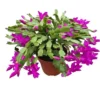
Add a touch of holiday charm to your home with a beautiful salmon Christmas cactus live plant or Thanksgiving cactus plant. This easy-care Schlumbergera starter plant, measuring 4-6 inches tall, is perfect for indoor enjoyment and will eventually produce vibrant, festive blooms. Ideal for brightening up any living space during the cooler months.
Feb 04
Feb 09 - Feb 11
Feb 14 - Feb 18
USDA Hardiness Zone
Soil Type
Sunlight Exposure
Expected Planting Period
Shipping and return policies: Our Alive & Thrive Guarantee covers issues with your plants within the first 30 days. Get in touch with us via email, and our team will review your concerns and, if necessary, provide you with a one-time replacement at no cost.
If you're unsure about your hardiness zone, feel free to reach out to us. Our team will answer your questions and help you find the plants that are truly suitable for your environment, climate, and personal preferences.
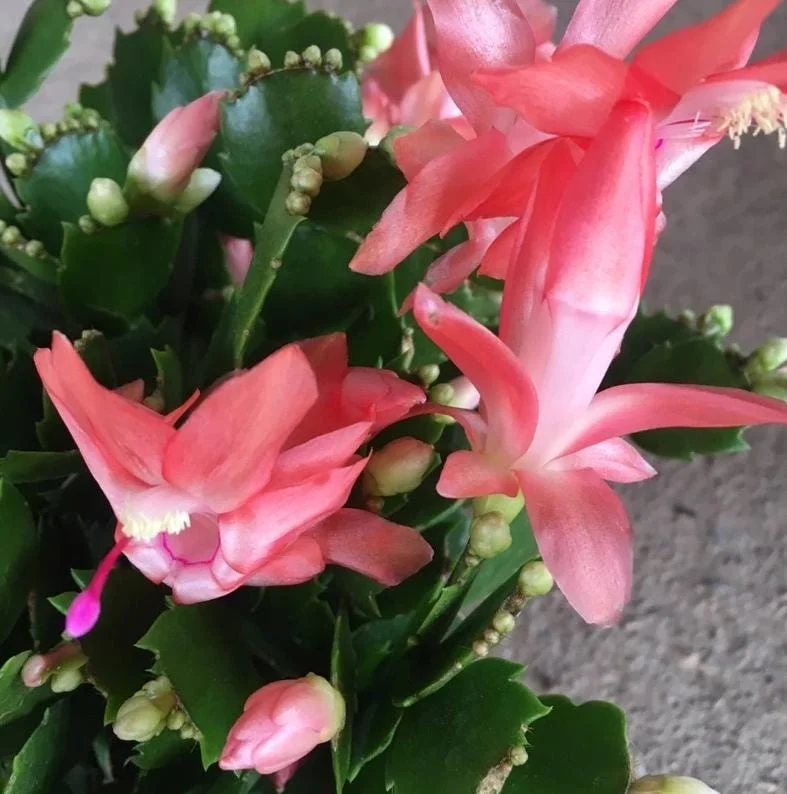
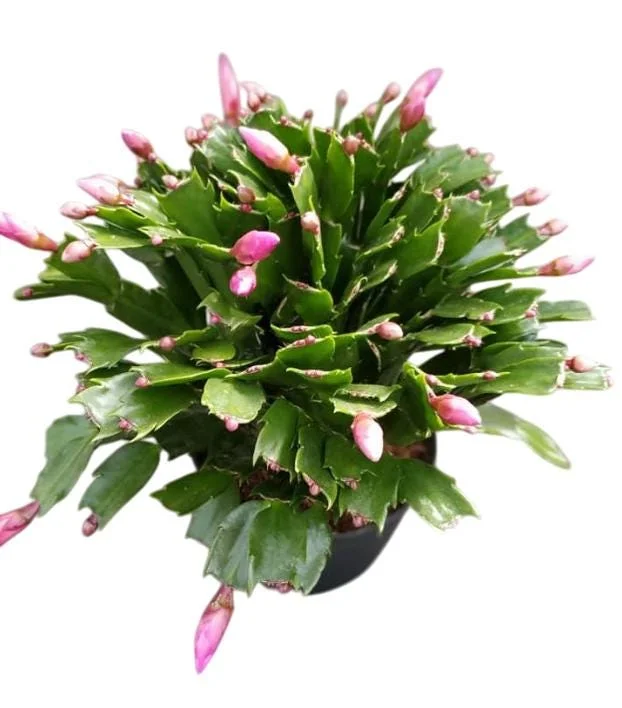
Introduce a splash of festive color into your home with a stunning salmon Christmas cactus live plant. This beloved succulent, scientifically known as Schlumbergera, is celebrated for its spectacular blooms that appear during the cooler months, making it a perfect addition to your holiday decor. This offering includes a starter plant, approximately 4-6 inches tall, ready to thrive in your indoor environment. Whether you’re looking for a Thanksgiving cactus plant or a Christmas cactus, these varieties are known for their ease of care and dazzling floral displays. Often called Holiday Cacti, these plants are a delightful way to bring natural beauty and vibrant hues into your living space, promising a season full of color and joy. The unique segmented stems and pendulous flowers make them a captivating focal point in any room.
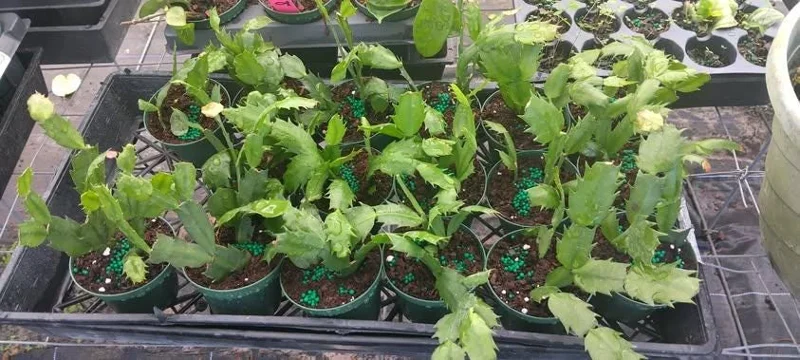
The Holiday Cactus genus, Schlumbergera, encompasses several popular species, including Schlumbergera truncata (the Thanksgiving cactus) which typically blooms in late fall, and Schlumbergera x buckleyi (the Christmas cactus) known for its early to mid-winter flowering. Our salmon Christmas cactus live plant brings the promise of these beautiful blossoms. While your plant will arrive without buds or flowers, it’s a healthy, established starter ready to grow and flourish under your care, eventually producing those eagerly anticipated holiday blooms. These plants are native to the coastal mountains of southeastern Brazil, where they grow as epiphytes on trees or lithophytes on rocks, adapting their care requirements to mimic these natural conditions.
Owning a salmon Christmas cactus live plant offers numerous advantages, from its striking beauty to its relatively low maintenance. These plants are not just seasonal decorations; they are long-lived companions that can bring joy year after year. The unique flowering schedule provides a natural burst of color when most other plants are dormant, making them truly special.
Caring for your salmon Christmas cactus live plant is relatively simple, provided you understand its native habitat and replicate those conditions. These plants thrive with consistent, appropriate care. Proper Schlumbergera plant care ensures a healthy plant and abundant blooms each season. Remember that while these are cacti, they are jungle cacti, not desert cacti, and their needs differ significantly from their arid-loving relatives.
Light: Your holiday cactus flowering plant prefers bright, indirect light. Think of its natural forest understory environment where it receives filtered sunlight. Place it near an east or north-facing window, or a few feet back from a south or west-facing window. Direct, intense sunlight, especially during the summer, can scorch the leaves and hinder flowering. If leaves turn reddish, it’s likely getting too much sun. Conversely, too little light can prevent blooming.
Watering: Water thoroughly when the top inch of soil feels dry to the touch. Allow excess water to drain completely from the bottom of the pot. Avoid overwatering, as this is a common cause of root rot, which can be fatal to the plant. During the active growing period (spring and summer), you may need to water more frequently. Reduce watering slightly during the dormant period after flowering. The key is consistency – do not let the plant sit in soggy soil, but also do not let it dry out completely for extended periods.
Soil: Plant your succulent plants indoor specimen in a well-draining, slightly acidic soil mix. A good option is a blend designed for succulents or cacti, or a regular potting mix amended with perlite, orchid bark, or sand to improve drainage. This mimics the loose, organic matter found in their natural epiphytic environment. Good aeration around the roots is crucial.
Temperature & Humidity: These plants thrive in temperatures between 65-75°F (18-24°C) during their growing season. To encourage blooming, they need cooler temperatures in the fall, around 50-55°F (10-13°C) at night. Maintain moderate to high humidity, especially during the dry winter months. You can increase humidity by placing the pot on a pebble tray with water or using a humidifier. Avoid placing them near cold drafts or heat vents.
Fertilizing: Fertilize monthly during the spring and summer growing season with a balanced, half-strength liquid fertilizer. Stop fertilizing in late summer (around August) to encourage bud formation for the upcoming holiday cactus flowering period. Over-fertilizing can lead to lush foliage but fewer flowers.
Darkness for Blooming: This is a critical aspect of encouraging your Thanksgiving cactus plant to bloom. Starting in early fall (late September/early October), these plants require long periods of uninterrupted darkness – at least 12-14 hours daily. This means placing them in a room that is completely dark at night, or covering them with a box. Combine this with slightly cooler temperatures. Continue this regimen for about 6-8 weeks, or until buds begin to form. Once buds appear, you can return them to their normal light conditions.
Repotting: Holiday cacti prefer to be a bit pot-bound and only need repotting every two to three years. Repot in the spring after flowering, moving to a pot only one size larger if necessary. Ensure the new pot has drainage holes.
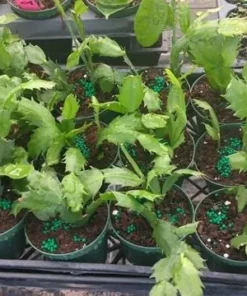
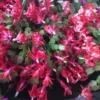
This offering is for one healthy salmon Christmas cactus live plant, supplied as a starter plant. Each plant measures approximately 4-6 inches tall, measured from the soil line to the tip of the foliage. It will be shipped in a nursery pot, ready for you to transplant into your preferred decorative container or allow it to grow for a while in its current pot. While the plant you receive will be robust and healthy, please note that it will not have buds or flowers upon arrival. The focus is on providing a strong, young plant that will establish well and produce its own spectacular holiday cactus flowering display in due time, typically in its first or second year. These plants have a moderate growth rate and can reach a considerable size over many years, with stems cascading gracefully over the pot’s edge. The specific salmon color refers to the anticipated bloom color, which can range from light peach to a deeper pinkish-orange, depending on light and care conditions.
You must be logged in to post a review.
Sold 99 products
Original price was: $49.99.$34.99Current price is: $34.99.
Sold 54 products
Original price was: $69.99.$57.99Current price is: $57.99.
Sold 67 products
Original price was: $68.99.$52.99Current price is: $52.99.
Sold 68 products
Original price was: $59.99.$43.99Current price is: $43.99.
Sold 92 products
Original price was: $43.99.$28.99Current price is: $28.99.
Sold 77 products
Original price was: $59.99.$44.99Current price is: $44.99.
Sold 85 products
Original price was: $37.98.$18.99Current price is: $18.99.
Sold 53 products
Original price was: $49.99.$39.99Current price is: $39.99.
Reviews
There are no reviews yet.