NEED SUPPORT WITH YOUR ORDER? Get in touch
Not satisfied with your purchase?
Enter your Order ID on website, and we'll resolve it right away.

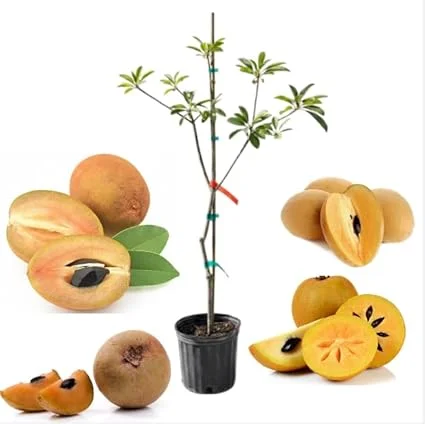
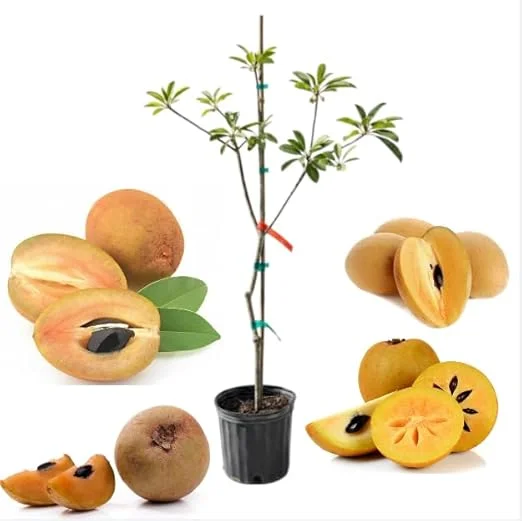
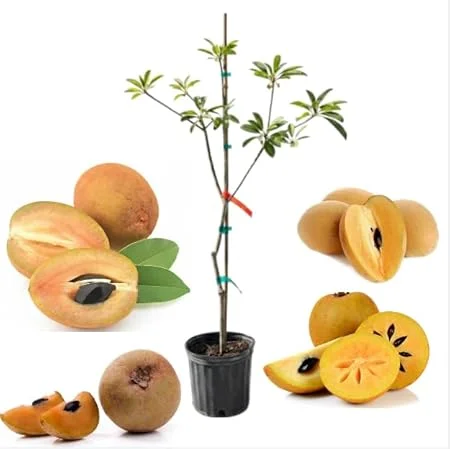
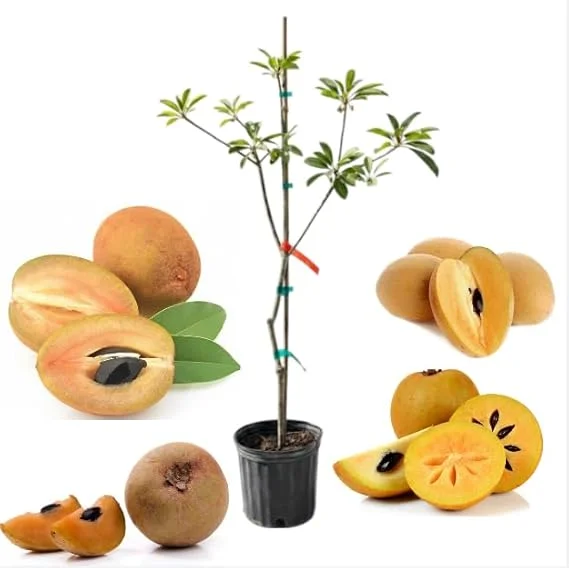
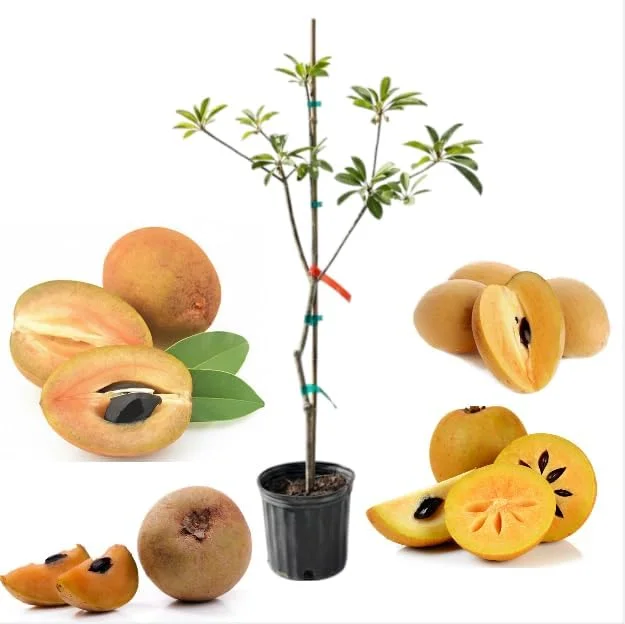
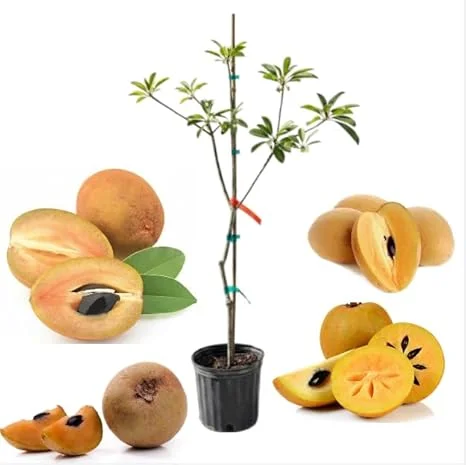
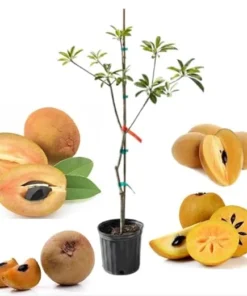
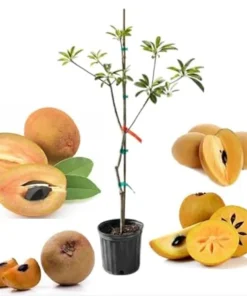
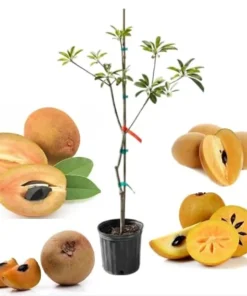
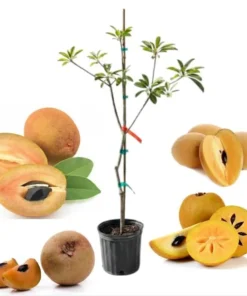
Original price was: $170.00.$150.00Current price is: $150.00.
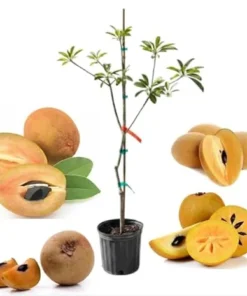
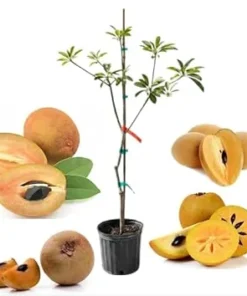
Cultivate your own tropical harvest with this healthy Sapodilla Alano tree. This live Sapodilla tree stands 3-4 feet tall in a 3-gallon pot, air-layered and ready to thrive. Ideal for warm climates (USDA Zones 9-11), it brings delicious fruit to your garden or patio.
Feb 04
Feb 09 - Feb 11
Feb 14 - Feb 18
USDA Hardiness Zone
Soil Type
Sunlight Exposure
Expected Planting Period
Shipping and return policies: Our Alive & Thrive Guarantee covers issues with your plants within the first 30 days. Get in touch with us via email, and our team will review your concerns and, if necessary, provide you with a one-time replacement at no cost.
If you're unsure about your hardiness zone, feel free to reach out to us. Our team will answer your questions and help you find the plants that are truly suitable for your environment, climate, and personal preferences.
Bring the exotic taste of the tropics to your home with the magnificent Sapodilla Alano tree. This exceptional live plant, air-layered for robust growth, arrives ready to flourish in your garden or a large container. The Alano variety is prized for its sweet, juicy, and often seedless fruit, making it a highly sought-after addition for fruit enthusiasts. Known for its rich, caramel-like flavor, the Sapodilla fruit is a true delight, offering a unique culinary experience. This live Sapodilla tree is carefully nurtured to ensure it establishes quickly, providing you with the joy of growing your own delicious tropical produce. Perfect for those in suitable climates or dedicated container growers, it transforms any space into a lush, productive oasis.
The Sapodilla, scientifically known as Manilkara zapota, is an evergreen tree native to southern Mexico, Central America, and the Caribbean. It’s cherished not only for its delectable fruit but also for its attractive foliage and shade-providing canopy. Our Alano Sapodilla plant is a superior cultivar, selected for its desirable fruit characteristics and vigor. With proper care, this tree will become a focal point in your landscape, offering both aesthetic beauty and bountiful harvests.
Investing in a Sapodilla Alano tree offers a multitude of rewards, from fresh fruit to a beautiful landscape. Here are some of the key advantages:
Delicious, Sweet Fruit: Enjoy the unique, rich, and sweet flavor of the Alano Sapodilla fruit. Often described as a blend of pear, brown sugar, and caramel, it’s a gourmet treat straight from your garden.
Bountiful Harvests: Once established, your live Sapodilla tree will produce abundant crops of fruit, providing a continuous supply for fresh eating, desserts, and preserves.
Attractive Evergreen Foliage: The tree boasts glossy green leaves, providing year-round beauty and shade. It makes an excellent specimen tree or a vibrant addition to a tropical-themed garden.
Air-Layered for Faster Fruiting: Our trees are air-layered, a propagation method that encourages earlier fruiting compared to seed-grown trees. This means you’ll enjoy your harvest sooner.
Low Maintenance: Once established, the Sapodilla tree is relatively low maintenance and moderately drought-tolerant, making it suitable for busy gardeners.
Versatile Growing Options: While best in-ground in warm climates, it can also be grown in large containers in cooler regions, allowing for protection during colder months.
Caring for your Sapodilla Alano tree involves providing the right conditions to ensure healthy growth and abundant fruiting. This tropical fruit tree thrives in warm environments, making it suitable for USDA Zones 9–11. It prefers a location with full sun exposure, meaning at least 6-8 hours of direct sunlight per day. Adequate sunlight is crucial for fruit production and overall plant vigor. If growing in a container in a cooler climate, ensure it receives maximum light and can be moved indoors during cold spells, preferably when temperatures drop below 50°F (10°C).
When it comes to watering, the Alano Sapodilla plant care routine requires regular watering, especially when the tree is young and establishing its root system. The soil should be kept consistently moist but not waterlogged. Once the tree is established, it becomes moderately drought-tolerant, but consistent watering during dry periods will promote better fruit development. Well-draining soil is essential to prevent root rot; a sandy loam or loamy soil enriched with organic matter is ideal. Fertilize your Sapodilla tree with a balanced, slow-release fertilizer formulated for tropical fruit trees, following the product instructions, typically a few times during the growing season. Protect young trees from strong winds and frost, and consider mulching around the base to retain moisture and regulate soil temperature.
Temperature is a critical factor for the Sapodilla Alano tree. It prefers temperatures between 65°F and 95°F (18°C and 35°C). While mature trees can tolerate brief dips to just below freezing, prolonged cold can cause damage or even be fatal. Pruning is generally minimal, focusing on removing dead or diseased branches and shaping the tree for structure and air circulation. Watch out for common pests like scale insects or mealybugs, and address them with appropriate organic or chemical controls. With consistent care, your tropical fruit tree will reward you with years of delicious fruit.
This Sapodilla Alano tree is a robust, air-layered live plant, standing approximately 3 to 4 feet tall from the base of the pot. It is shipped in a sturdy 3-gallon nursery pot, providing ample space for its initial root development and ensuring a smooth transition to your garden or a larger container. Air-layering promotes a strong root system and often leads to earlier fruit production compared to trees grown from seed. The tree has a moderate growth rate, eventually reaching heights of 20-30 feet in optimal conditions if planted in the ground, though it can be maintained at a smaller size with pruning or by growing in a container. Expect blooming to occur from late spring to summer, followed by fruit development. The fruit typically ripens several months after flowering, often in late summer to fall, depending on your specific climate and growing conditions.
Q: How big does this Sapodilla Alano tree get? A: If planted in the ground in ideal conditions, the Sapodilla Alano tree can reach heights of 20-30 feet. However, it can be maintained at a smaller, more manageable size through regular pruning or by growing it in a large container.
Q: What size pot does it come in? A: This live Sapodilla tree is shipped in a 3-gallon nursery pot, providing a good starting point for its root system. You can transplant it into a larger pot or directly into the ground upon arrival.
Q: Is this an indoor or outdoor plant? A: The Sapodilla Alano tree is a tropical outdoor plant best suited for USDA Zones 9–11. In cooler climates, it can be grown in a container and brought indoors during colder months to protect it from frost.
Q: How much sunlight does it need? A: This tree requires full sun exposure, meaning at least 6-8 hours of direct sunlight per day, to thrive and produce fruit. Insufficient light can lead to poor growth and reduced fruiting.
Q: Is this tree easy to care for? A: Once established, the Alano Sapodilla plant care requirements are relatively low. It needs consistent watering when young, well-draining soil, and full sun. It’s moderately drought-tolerant once mature.
Q: What condition will the tree arrive in? A: Your Sapodilla Alano tree will arrive as a healthy, air-layered live plant, carefully packaged in its 3-gallon pot to ensure it reaches you in the best possible condition, ready for planting.
Q: How long until it starts producing fruit? A: Since this tree is air-layered, it typically starts fruiting earlier than seed-grown trees, often within 2-4 years of planting, given optimal growing conditions and proper care.
Q: What is the best soil for a Sapodilla tree? A: The best soil for a tropical fruit tree like Sapodilla is a well-draining, fertile soil. A sandy loam or loamy soil with good organic content is highly recommended to ensure proper drainage and nutrient availability.
Q: Will it survive winter in my zone? A: The Sapodilla Alano tree is hardy in USDA Zones 9–11. If you are in a colder zone, it will need winter protection, such as being moved indoors or into a greenhouse, to prevent frost damage.
Q: What’s the minimum temperature it can tolerate? A: Mature Sapodilla trees can tolerate brief drops to around 28-30°F (-2 to -1°C), but prolonged exposure to temperatures below 50°F (10°C) can cause stress or damage, especially to younger plants.
You must be logged in to post a review.
Sold 51 products
Original price was: $59.92.$29.96Current price is: $29.96.
Sold 62 products
Original price was: $359.98.$179.99Current price is: $179.99.
Sold 58 products
Original price was: $69.98.$34.99Current price is: $34.99.
Sold 57 products
Original price was: $67.98.$33.99Current price is: $33.99.
Sold 64 products
Original price was: $119.98.$59.99Current price is: $59.99.
Sold 92 products
Original price was: $59.98.$29.99Current price is: $29.99.
Sold 99 products
Original price was: $243.98.$121.99Current price is: $121.99.
Sold 86 products
Original price was: $259.78.$129.89Current price is: $129.89.
Reviews
There are no reviews yet.