NEED SUPPORT WITH YOUR ORDER? Get in touch
Not satisfied with your purchase?
Enter your Order ID on website, and we'll resolve it right away.

Original price was: $170.00.$150.00Current price is: $150.00.
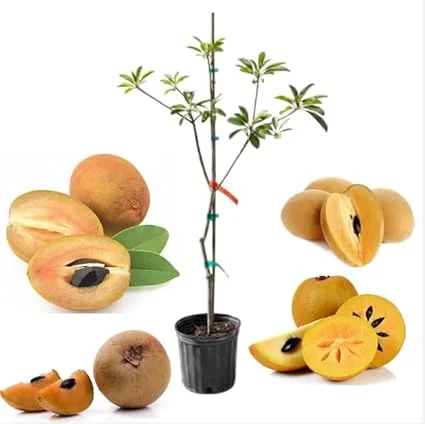
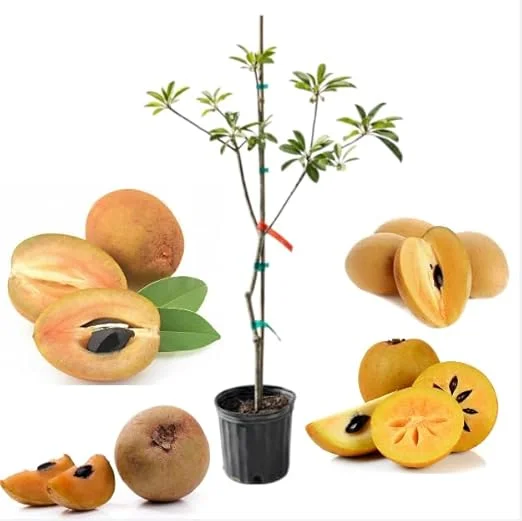
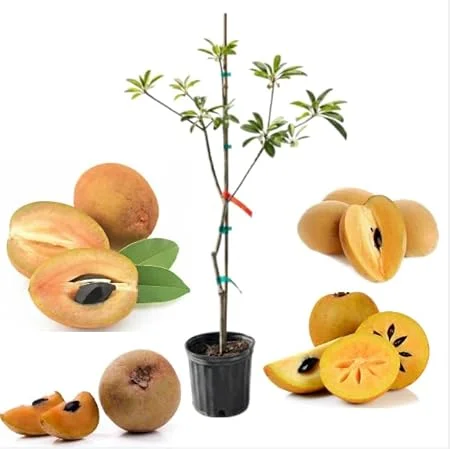
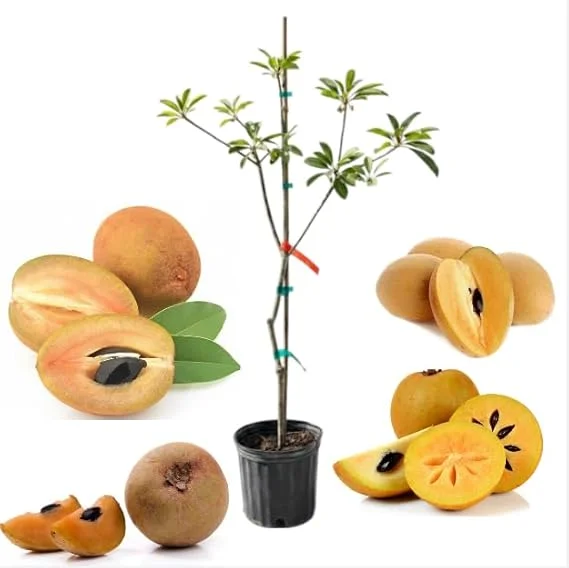
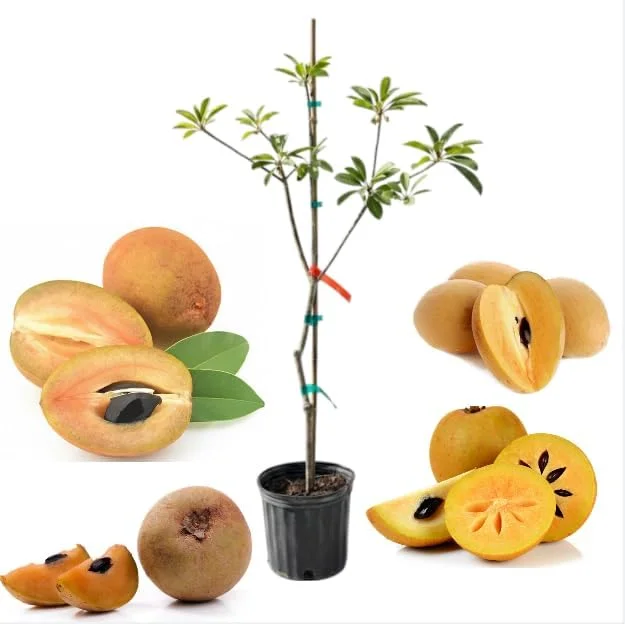
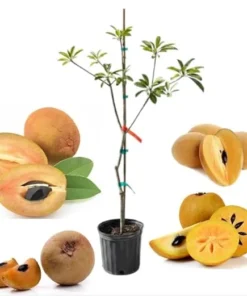
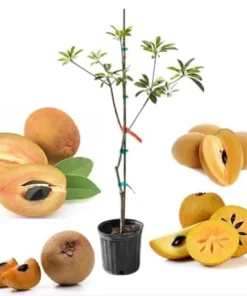
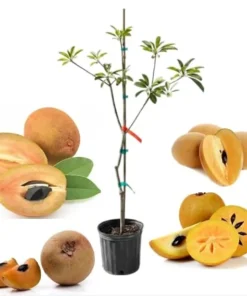
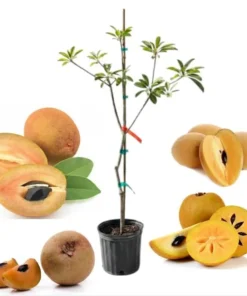
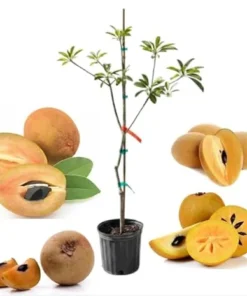
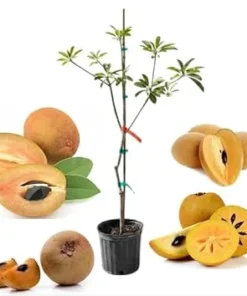
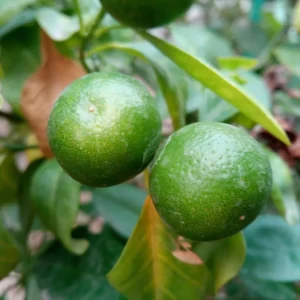
Cultivate your own exotic fruit with this Sapodilla Alano tree. This live Sapodilla plant comes in a 3 gallon pot, standing 3 to 4 feet tall, ready to thrive in USDA Zones 9-11. Enjoy sweet, succulent fruit from your own garden.
Feb 08
Feb 13 - Feb 15
Feb 18 - Feb 22
USDA Hardiness Zone
Soil Type
Sunlight Exposure
Expected Planting Period
Shipping and return policies: Our Alive & Thrive Guarantee covers issues with your plants within the first 30 days. Get in touch with us via email, and our team will review your concerns and, if necessary, provide you with a one-time replacement at no cost.
If you're unsure about your hardiness zone, feel free to reach out to us. Our team will answer your questions and help you find the plants that are truly suitable for your environment, climate, and personal preferences.
Bring the taste of the tropics to your home garden with this magnificent Sapodilla Alano tree. This is a healthy, established live Sapodilla plant, air-layered for robust growth and quicker fruit production. Standing proudly at 3 to 4 feet tall and nestled in a 3 gallon pot, it’s ready for immediate planting in suitable climates or for container growing. The Sapodilla, scientifically known as Manilkara zapota, is renowned for its delicious, sweet, and malty-flavored fruit. The ‘Alano’ variety is particularly prized for its excellent taste and consistent yields, making it a favorite among tropical fruit enthusiasts. This tropical fruit tree is a perfect addition for gardeners looking to expand their edible landscape with something truly unique and rewarding.
Our Sapodilla Alano tree is carefully nurtured to ensure it arrives in optimal condition, prepared to adapt to its new environment. With its glossy green foliage, it not only promises delectable fruit but also adds an ornamental touch to any garden or patio. Ideal for USDA Zones 9-11, this tree thrives in warmer climates but can also be grown in large containers and moved indoors during colder months in cooler regions. Experience the joy of growing Sapodilla and harvesting your own sweet Alano fruit.
Investing in a Sapodilla Alano tree offers numerous advantages, from its aesthetic appeal to the delicious harvest it provides. This tropical gem is a rewarding addition to any garden.
Caring for your Sapodilla Alano tree is straightforward, especially when provided with the right conditions. This tropical beauty thrives with consistent attention during its establishment phase and becomes more resilient with age. Understanding its basic needs for sunlight, water, and soil will lead to a flourishing tree and abundant harvests. The Alano variety generally prefers temperatures between 65°F and 95°F for optimal growth and fruit development.
For sunlight, the Sapodilla Alano tree requires full sun exposure, meaning at least 6-8 hours of direct sunlight daily to encourage vigorous growth and maximum fruit production. When it comes to watering, consistent moisture is key, especially for young trees. Water regularly when the top inch or two of soil feels dry, ensuring the soil remains moist but not waterlogged. Once established, the tree exhibits moderate drought tolerance, but supplemental watering during prolonged dry spells will benefit fruit quality and yield. The ideal soil for growing Sapodilla is well-draining, rich in organic matter, and slightly acidic to neutral (pH 6.0-7.0). Amend heavy clay soils with compost and sand to improve drainage, or incorporate peat moss for acidity. Ensure good drainage to prevent root rot, a common issue for many fruit trees.
Fertilize your tropical fruit tree with a balanced slow-release fertilizer designed for fruiting trees, typically in spring and mid-summer. Follow the product instructions for application rates. Pruning is generally minimal, focusing on removing dead or diseased branches and shaping the tree for structural integrity and ease of harvesting. Watch out for common pests like scale insects or mealybugs, and treat with horticultural oil or insecticidal soap if necessary. Protecting young trees from strong winds can also help establish a strong framework. This dedicated care will ensure your Alano Sapodilla care routine results in a healthy and productive tree.
This offering is for one healthy Sapodilla Alano tree, ready for planting. The tree measures approximately 3 to 4 feet tall from the base of the pot to the tip of its highest branch, providing a substantial head start for your garden. It comes securely planted in a 3 gallon nursery pot, ensuring its root system is well-established and protected during transit and upon arrival. The mature height of a Sapodilla tree can vary, typically reaching 20-30 feet in optimal conditions, though it can be maintained at a smaller size with regular pruning, making it suitable for various garden sizes or even large container culture. The growth rate is moderate, allowing you to enjoy its development over time. This air-layered plant is designed to provide earlier fruiting than seed-grown specimens, often within 2-3 years, depending on growing conditions.
The tree’s dimensions in the pot are approximately 8 x 8 x 45 inches, making it a manageable size for transport and initial placement. It is a live plant, and as such, its exact height and foliage density may vary slightly from plant to plant. The vibrant green leaves are characteristic of a healthy Sapodilla tree, indicating its readiness to thrive in your care. This live Sapodilla plant is shipped in its nursery pot with soil to minimize transplant shock and ensure a smooth transition to its new home.
You must be logged in to post a review.
Sold 58 products
Original price was: $256.36.$128.18Current price is: $128.18.
Sold 100 products
Original price was: $243.98.$121.99Current price is: $121.99.
Sold 56 products
Original price was: $59.92.$29.96Current price is: $29.96.
Sold 63 products
Original price was: $259.98.$129.99Current price is: $129.99.
Sold 82 products
Original price was: $59.98.$29.99Current price is: $29.99.
Sold 74 products
Original price was: $99.98.$49.99Current price is: $49.99.
Sold 86 products
Original price was: $119.98.$59.99Current price is: $59.99.
Sold 67 products
Original price was: $259.78.$129.89Current price is: $129.89.

Reviews
There are no reviews yet.