NEED SUPPORT WITH YOUR ORDER? Get in touch
Not satisfied with your purchase?
Enter your Order ID on website, and we'll resolve it right away.

Original price was: $118.99.$88.99Current price is: $88.99.
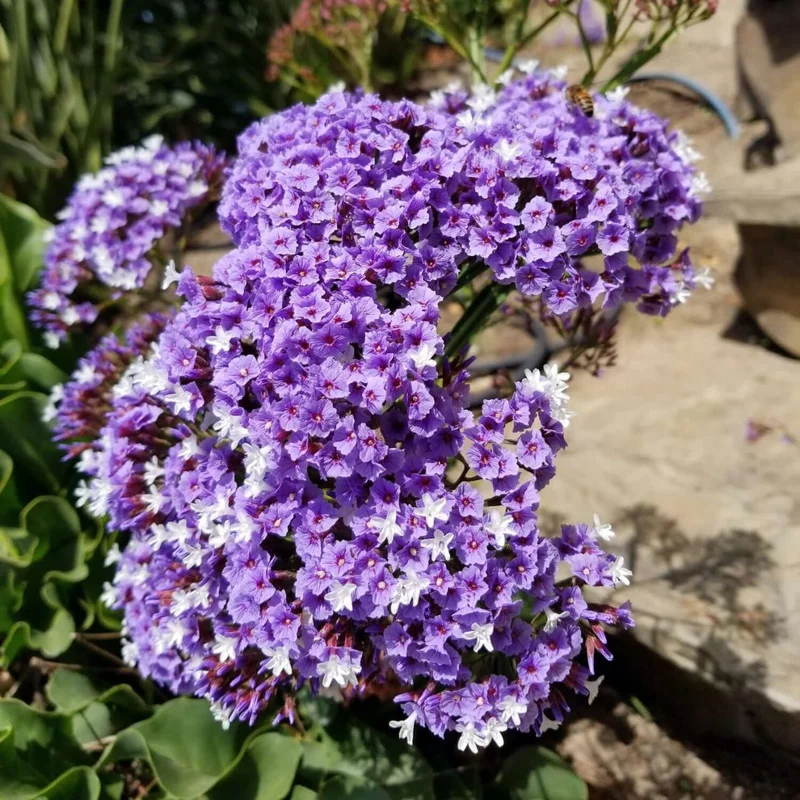
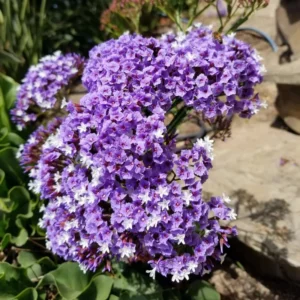
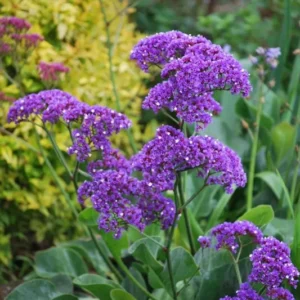
Bring captivating beauty to your outdoor space with a sea lavender live plant. This hardy perennial features delicate purple blooms and is known for its drought tolerance, making it an excellent, low-maintenance choice for beds, borders, and coastal gardens. Perfect for creating a soft, lavender haze effect.
Mar 03
Mar 08 - Mar 10
Mar 13 - Mar 17
USDA Hardiness Zone
Soil Type
Sunlight Exposure
Expected Planting Period
Shipping and return policies: Our Alive & Thrive Guarantee covers issues with your plants within the first 30 days. Get in touch with us via email, and our team will review your concerns and, if necessary, provide you with a one-time replacement at no cost.
If you're unsure about your hardiness zone, feel free to reach out to us. Our team will answer your questions and help you find the plants that are truly suitable for your environment, climate, and personal preferences.
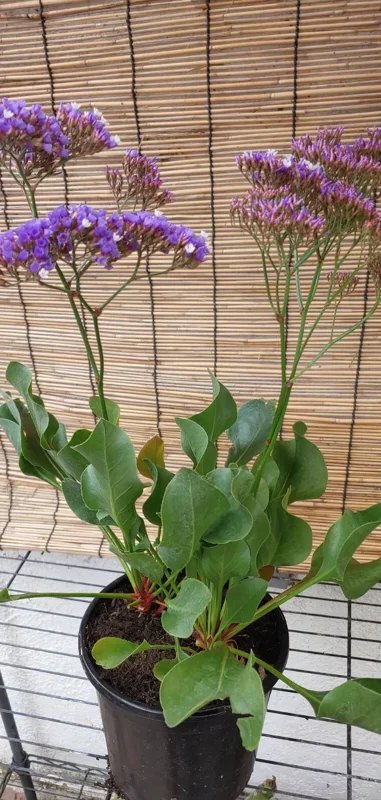
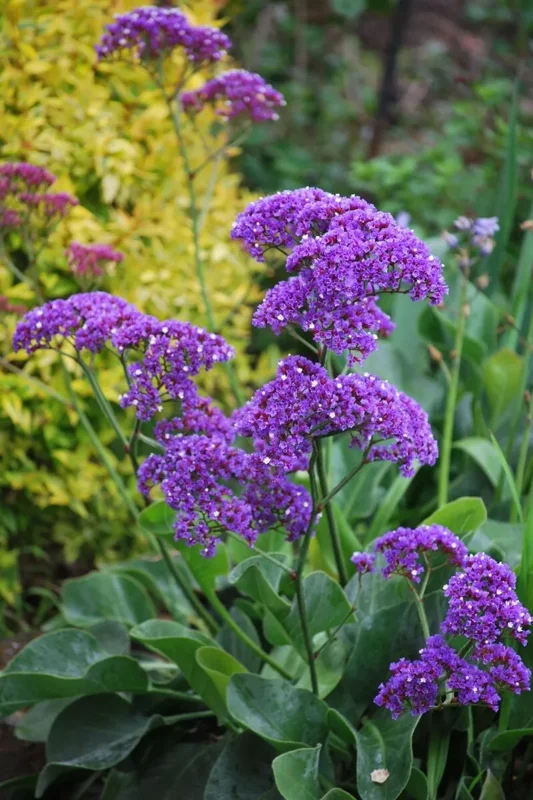
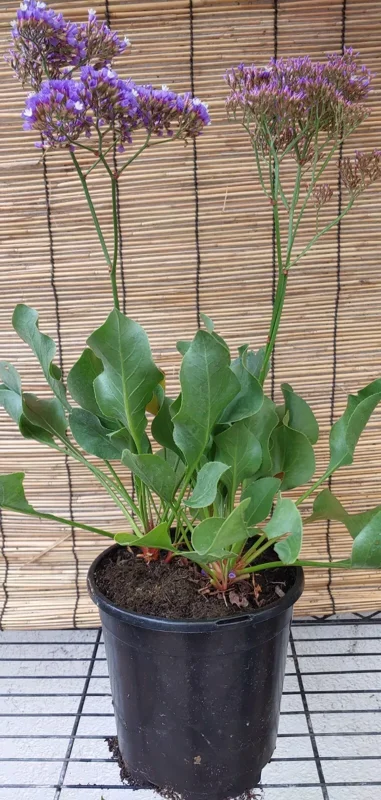
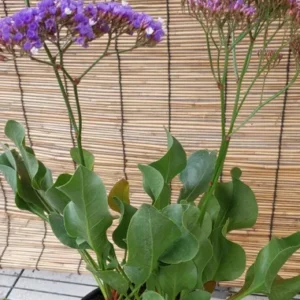
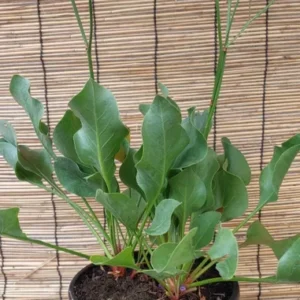
Transform your garden into a serene coastal retreat with the exquisite sea lavender live plant. Also known as marsh rosemary, this resilient perennial is celebrated for its stunning display of delicate purple flowers that create a soft, ethereal haze throughout the summer months. Ideal for gardeners seeking both beauty and durability, the sea lavender live plant thrives in challenging conditions, including cold, dry, and even salty environments. Its leathery, spoon-shaped leaves form an attractive basal rosette, setting the stage for the towering flower stems that emerge, adding texture and a captivating visual appeal to any landscape. This low-maintenance beauty is a perfect choice for those who desire high-impact color without extensive care, making it a favorite for both novice and experienced gardeners. Introduce this charming perennial to your outdoor space and enjoy its enduring elegance year after year.
The sea lavender live plant is primarily grown for its abundant floral display, which can nearly last year-round in optimal conditions. Beyond its visual charm, this plant contributes to local ecosystems by attracting pollinators, adding another layer of value to your garden. Whether you’re designing a cottage garden, a xeriscape, or simply looking to add a touch of natural beauty to your patio containers, sea lavender offers versatility and ease of cultivation. Its robust nature and ability to flourish in diverse climates make it a standout choice for creating a vibrant, long-lasting garden.
The sea lavender live plant offers a multitude of advantages, making it a highly desirable addition to any garden. Its unique characteristics ensure a beautiful and thriving landscape with minimal effort.
Caring for your sea lavender live plant is straightforward, ensuring a beautiful display with minimal effort. This resilient perennial thrives with proper placement and basic attention to its needs. For optimal flowering and health, plant your sea lavender in full sun to partial shade. It requires at least 6 hours of direct sunlight daily to produce its best blooms. While it can tolerate some shade, too much will reduce flowering. Ensure the planting location has good air circulation to prevent fungal issues.
When it comes to watering, the sea lavender live plant is notably drought-tolerant once established. Water regularly during the initial planting period to help it develop a strong root system. After establishment, water sparingly, allowing the soil to dry out completely between waterings. Overwatering is a common mistake and can lead to root rot. This plant prefers sandy, well-drained soil with an acidic pH. Good drainage is crucial, so consider amending heavy clay soils with sand or grit if necessary. It is also highly tolerant of salty conditions, making it an excellent choice for coastal gardens where other plants may struggle. This makes it a truly unique and robust coastal garden plant.
The marsh rosemary plant is hardy in USDA zones 3-9, making it suitable for a wide range of climates. It can tolerate cold temperatures, but in very harsh winters, a layer of mulch around the base can provide extra protection. Fertilization is generally not required for sea lavender, as it thrives in nutrient-poor soils. If your soil is extremely poor, a light application of a balanced, slow-release fertilizer in early spring can be beneficial, but avoid over-fertilizing. Divide the plant every two to three years in early spring if it becomes overcrowded, digging deeply to prevent damage to its long roots. Be aware that sea lavender is considered somewhat difficult to divide due to its taproot system. Taller plants may benefit from staking to remain upright, especially in windy conditions. With these simple care guidelines, your sea lavender live plant will flourish, providing years of vibrant color.
This offering includes one healthy sea lavender live plant, approximately 20-25 inches in height, delivered in a 1-gallon pot. The plant is carefully selected to ensure vigorous growth and robust health upon arrival. Sea lavender typically reaches a mature height of 6-12 inches, with its striking flower stems extending upwards to 1-3 feet, creating an impressive vertical element in your garden. The plant’s spread can be similar, forming attractive mounds of foliage. Its bushy, flowering habit provides continuous summer interest, making it an ideal focal point or border plant.
The plant will arrive securely packaged to prevent damage during transit, ensuring it is ready for immediate planting. While it is a relatively fast grower, it establishes well and will begin to produce its characteristic purple perennial flowers in its first growing season. This plant is perfect for adding bold, lasting color in hot or dry climates and can be used in various settings, including garden beds, borders, and larger patio containers. Its adaptability and charming appearance make it a valuable asset for any landscape design, offering a delightful soft lavender haze for nearly year-round enjoyment.
You must be logged in to post a review.
Sold 75 products
Original price was: $69.98.$34.99Current price is: $34.99.
Sold 81 products
Original price was: $51.98.$25.99Current price is: $25.99.
Sold 77 products
Original price was: $31.98.$15.99Current price is: $15.99.
Sold 77 products
Original price was: $43.90.$33.90Current price is: $33.90.
Sold 76 products
Original price was: $75.99.$61.99Current price is: $61.99.
Sold 86 products
Original price was: $140.99.$98.99Current price is: $98.99.
Sold 79 products
Original price was: $140.99.$92.99Current price is: $92.99.
Sold 95 products
Original price was: $52.99.$39.99Current price is: $39.99.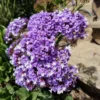
Reviews
There are no reviews yet.