NEED SUPPORT WITH YOUR ORDER? Get in touch
Not satisfied with your purchase?
Enter your Order ID on website, and we'll resolve it right away.

Original price was: $51.18.$19.99Current price is: $19.99.
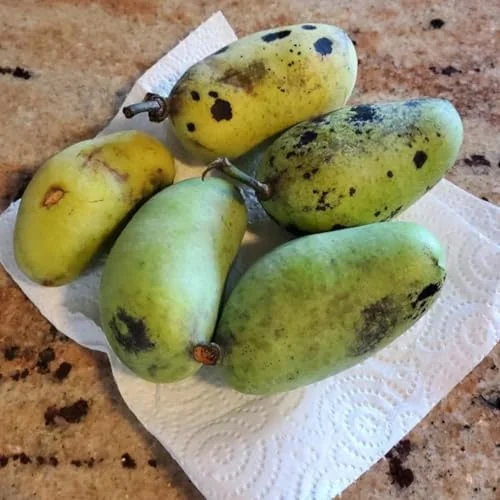
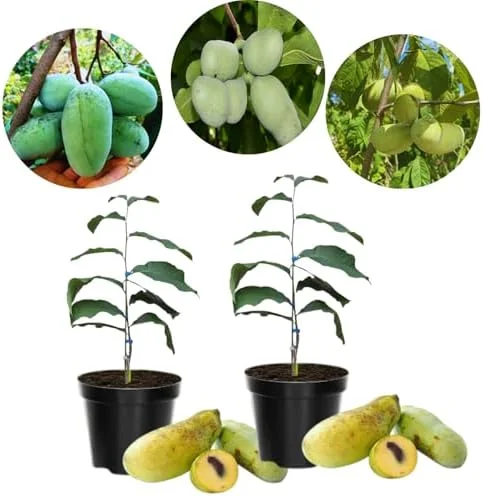
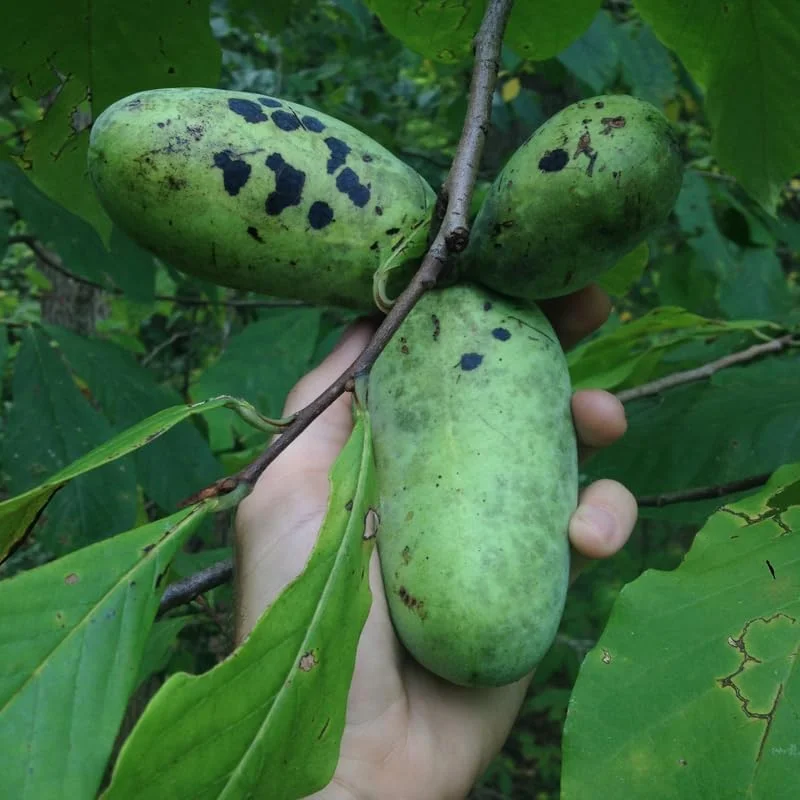
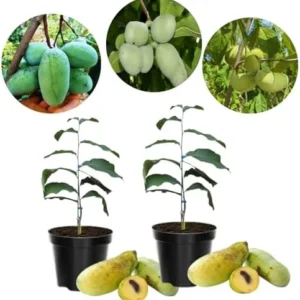
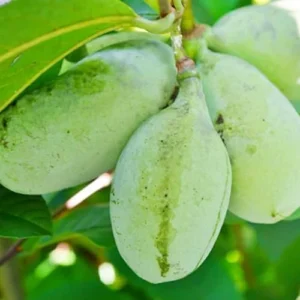
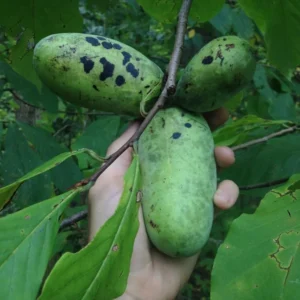
Cultivate your own unique fruit with this pawpaw tree live plant set. You will receive 2 hardy pawpaw bare root plant specimens, each 6 to 12 inches tall, ready for planting. Ideal for USDA Zones 5-9, these trees will mature to produce delicious, custard-like pawpaw fruits.
Feb 04
Feb 09 - Feb 11
Feb 14 - Feb 18
USDA Hardiness Zone
Soil Type
Sunlight Exposure
Expected Planting Period
Shipping and return policies: Our Alive & Thrive Guarantee covers issues with your plants within the first 30 days. Get in touch with us via email, and our team will review your concerns and, if necessary, provide you with a one-time replacement at no cost.
If you're unsure about your hardiness zone, feel free to reach out to us. Our team will answer your questions and help you find the plants that are truly suitable for your environment, climate, and personal preferences.
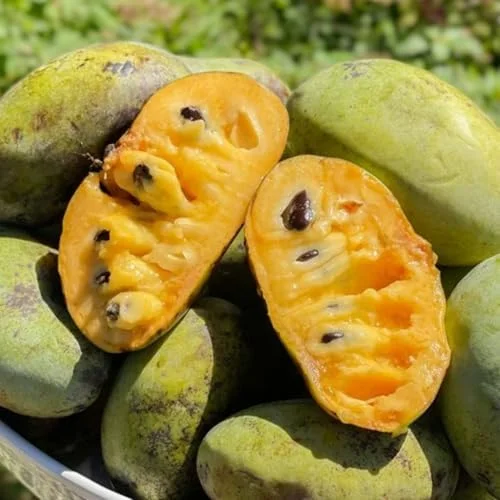
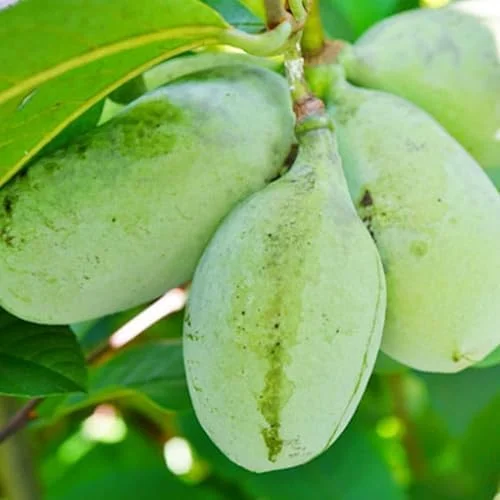
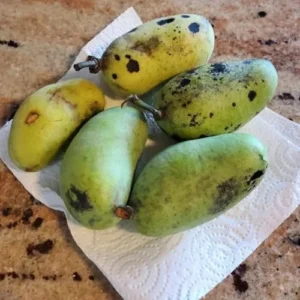
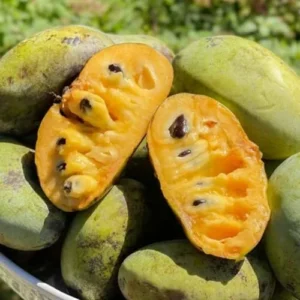
Discover the joy of growing your own native American fruit with our premium pawpaw tree live plant set. These unique trees, scientifically known as Asimina triloba, are celebrated for their delicious, tropical-flavored fruits, often described as a blend of banana, mango, and pineapple. This offering includes two healthy pawpaw bare root plant specimens, each measuring between 6 to 12 inches tall, ensuring a strong start for your orchard or garden. Pawpaws are a fantastic addition for those looking to cultivate an unusual yet rewarding fruit tree, providing both edible delights and ornamental value. Unlike many fruit trees, pawpaws are relatively low-maintenance once established, making them suitable for gardeners of various skill levels. Their distinctive foliage and intriguing fruit development make them a conversation starter in any landscape. Embrace sustainable gardening by adding these wonderful native trees to your outdoor space, contributing to local biodiversity and enjoying fresh, homegrown produce.
Our hardy pawpaw tree roots are carefully selected to provide you with the best chance of success. These deciduous trees thrive in a variety of conditions within their hardiness zones, eventually forming a small to medium-sized tree that provides ample shade and, of course, bountiful fruit. The unique flavor of the pawpaw fruit is a true culinary delight, perfect for eating fresh, making desserts, or even brewing into beverages. Planting these bare roots allows for efficient establishment and growth, as they quickly adapt to their new environment. Get ready to enjoy the rich, creamy texture and exotic taste of homegrown pawpaws!
Adding a pawpaw tree live plant to your garden offers a multitude of benefits, from unique fruit production to ecological contributions. Here are some of the compelling reasons to choose our pawpaw bare roots:
Caring for your pawpaw tree live plant bare roots properly will ensure a successful transition and robust growth. Pawpaws prefer moist, well-drained soil, rich in organic matter. While they can tolerate a range of soil types, ensuring good drainage is crucial to prevent root rot. When planting, dig a hole wide enough to spread the roots out naturally and deep enough so that the crown of the plant is at soil level. Backfill with a mixture of native soil and compost, gently firming it around the roots to remove air pockets. Water thoroughly after planting.
For the first year or two, young pawpaw bare root plant trees benefit from some shade, especially during the hot afternoon sun. This is particularly important in their natural understory habitat. You can provide this by planting them in a location that receives dappled sunlight or by using a temporary shade cloth. Once established, mature pawpaw trees can tolerate full sun, which often leads to better fruit production, though they still appreciate some afternoon shade in hotter climates. They are typically hardy in USDA Zones 5-9, meaning they can withstand winter temperatures down to -20°F (-29°C). Consistent moisture is key, especially during dry spells and while the tree is establishing. Aim for about 1 inch of water per week, either from rainfall or irrigation. Avoid overwatering, as this can lead to issues. Fertilize lightly in the spring with a balanced, slow-release fertilizer, or use organic compost around the base of the tree.
Pruning is generally minimal for the asimina triloba plant. Focus on removing any dead, diseased, or crossing branches to maintain good air circulation and tree structure. Pawpaws are naturally pest and disease resistant, but watch out for common garden pests like Japanese beetles or pawpaw peduncle borers. Maintaining good garden hygiene and proper cultural practices will help keep your hardy pawpaw tree healthy. Remember that pawpaws typically require cross-pollination from another genetically different pawpaw tree to produce fruit, so planting at least two is highly recommended for a good harvest. Our set of two bare roots is an excellent start to ensuring successful fruit set.
This offering provides a set of two healthy pawpaw tree live plant bare roots. Each live plant measures approximately 6 to 12 inches in height from the root collar to the tip. Bare root plants are shipped without soil around their roots, which is a common and efficient method for shipping dormant trees, allowing for easy handling and planting. Upon arrival, the roots should be kept moist until planted. These bare roots are ready to be planted directly into your garden or a larger container, allowing them to establish quickly in their new environment. Pawpaw trees are known for their moderate growth rate, typically reaching a mature height of 15 to 30 feet, with a spread of 15 to 20 feet, forming a beautiful, rounded canopy over time. They begin to bear fruit usually within 3-5 years after planting, with full production achieved as the tree matures. The deep taproot system of the pawpaw bare root plant helps it withstand drought once established.
You must be logged in to post a review.
Sold 87 products
Original price was: $219.98.$109.99Current price is: $109.99.
Sold 77 products
Original price was: $259.78.$129.89Current price is: $129.89.
Sold 91 products
Original price was: $55.98.$27.99Current price is: $27.99.
Sold 55 products
Original price was: $319.98.$159.99Current price is: $159.99.
Sold 82 products
Original price was: $99.98.$49.99Current price is: $49.99.
Sold 72 products
Original price was: $359.98.$179.99Current price is: $179.99.
Sold 74 products
Original price was: $59.98.$29.99Current price is: $29.99.
Sold 54 products
Original price was: $59.92.$29.96Current price is: $29.96.

Reviews
There are no reviews yet.