NEED SUPPORT WITH YOUR ORDER? Get in touch
Not satisfied with your purchase?
Enter your Order ID on website, and we'll resolve it right away.

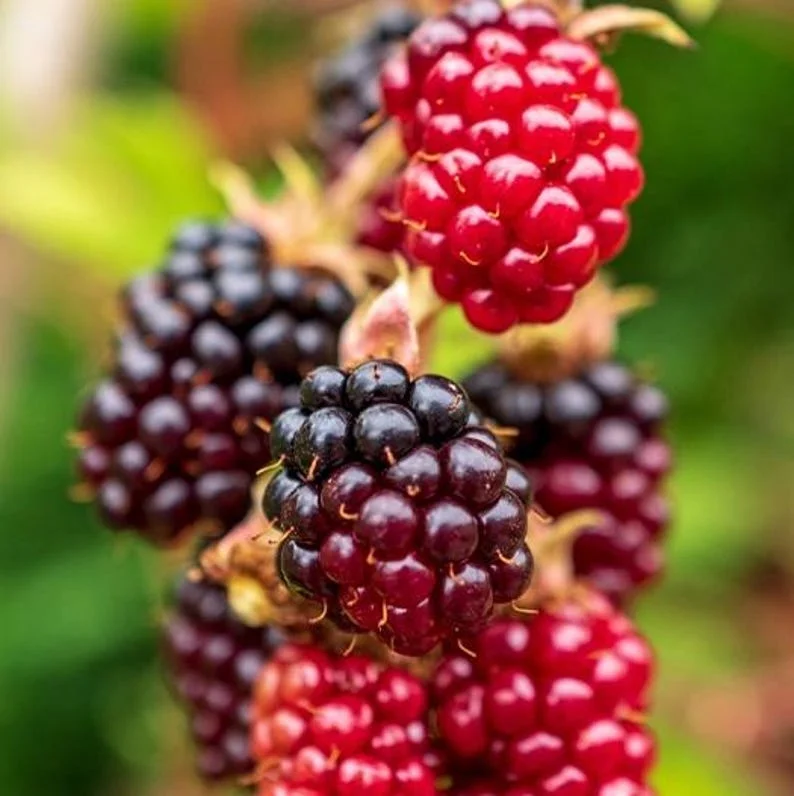
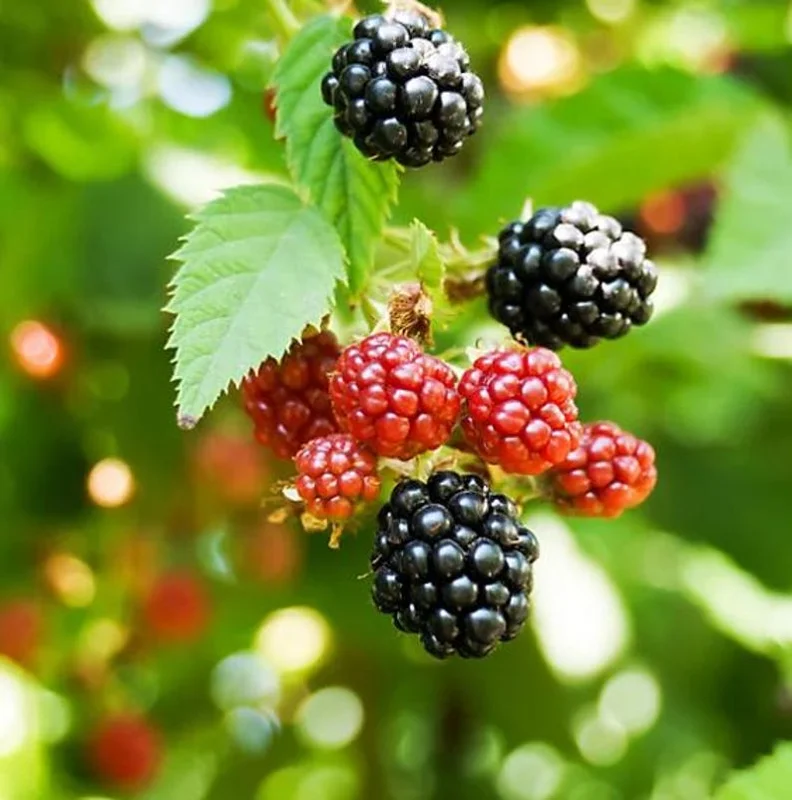
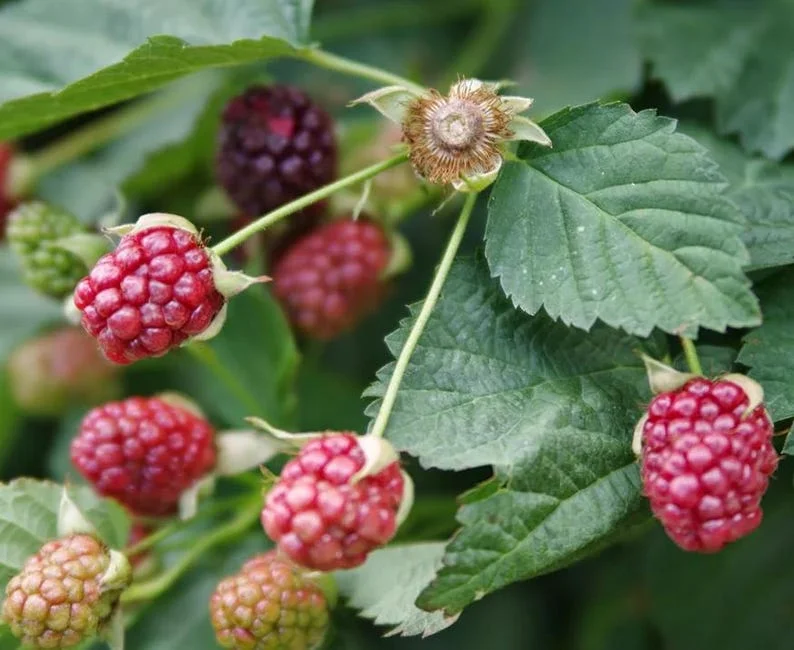
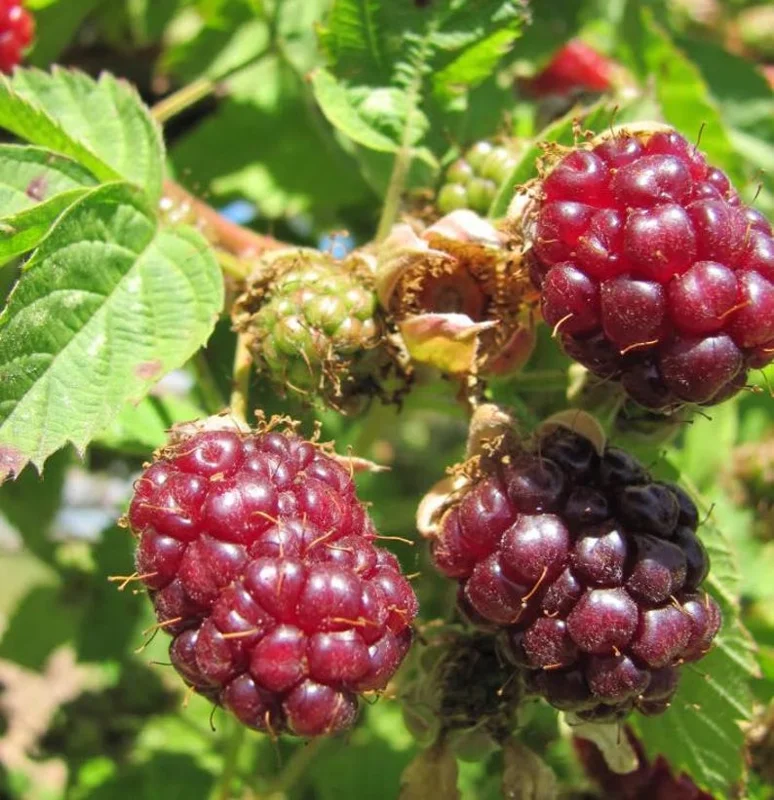


Original price was: $42.99.$23.99Current price is: $23.99.
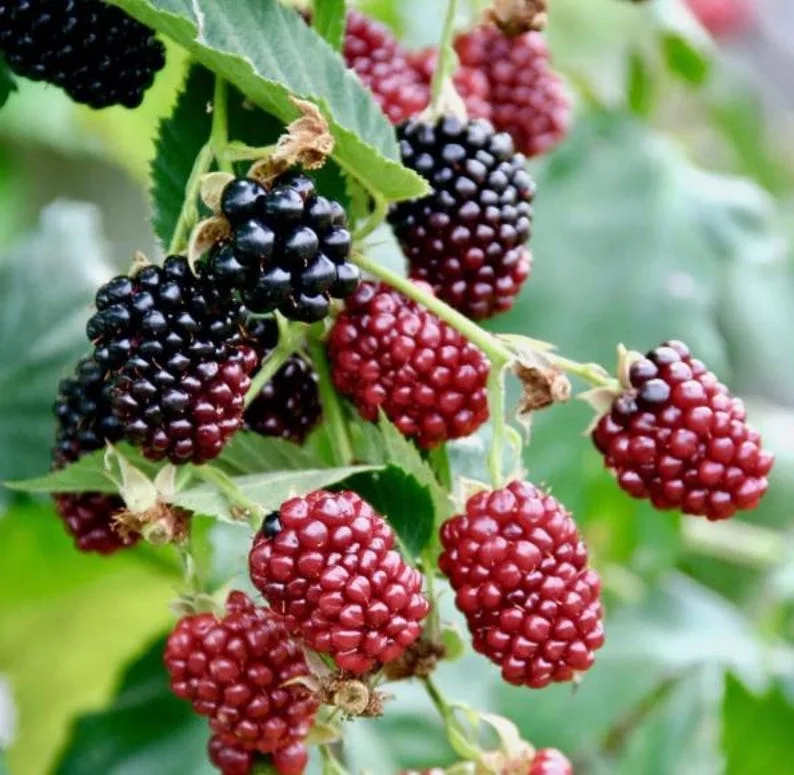
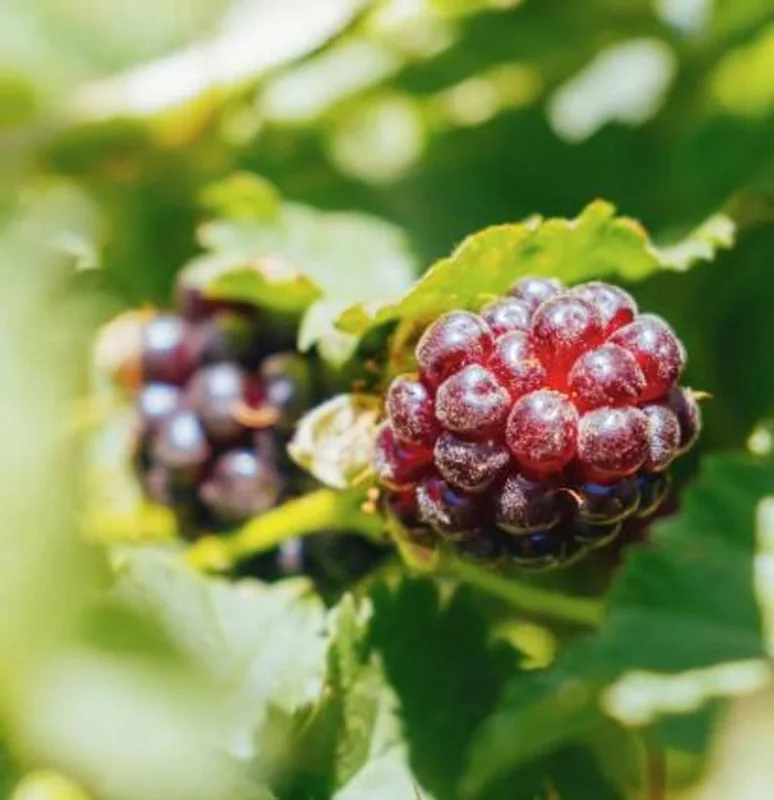
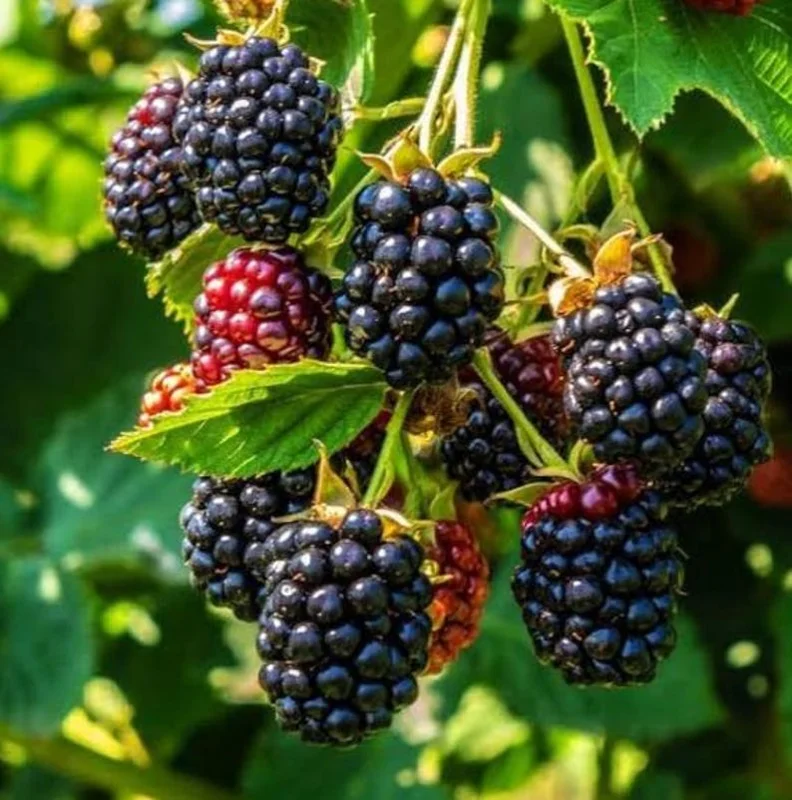
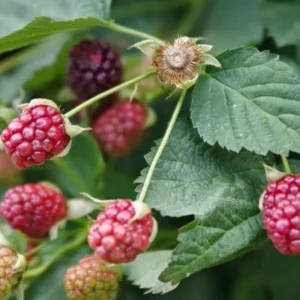
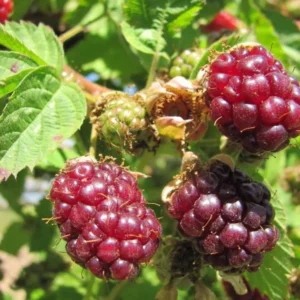
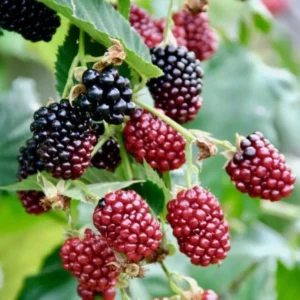
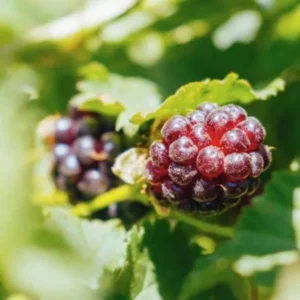
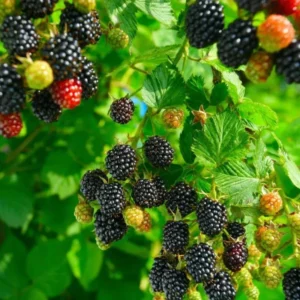
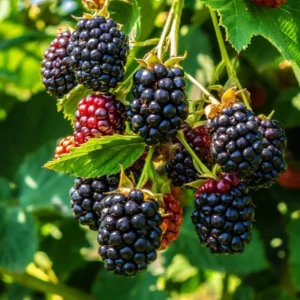
Cultivate your own delicious berry patch with this sweet boysenberry live plant set. These live seedlings grow into productive fruit-bearing bushes, yielding flavorful dark purple berries perfect for fresh eating, jams, and pies. Ideal for outdoor gardens, they add beauty and edible yield.
Mar 03
Mar 08 - Mar 10
Mar 13 - Mar 17
USDA Hardiness Zone
Soil Type
Sunlight Exposure
Expected Planting Period
Shipping and return policies: Our Alive & Thrive Guarantee covers issues with your plants within the first 30 days. Get in touch with us via email, and our team will review your concerns and, if necessary, provide you with a one-time replacement at no cost.
If you're unsure about your hardiness zone, feel free to reach out to us. Our team will answer your questions and help you find the plants that are truly suitable for your environment, climate, and personal preferences.
Embark on a rewarding gardening journey with our sweet boysenberry live plant set. These high-quality live seedlings are cultivated to bring the joy of homegrown berries directly to your garden. Boysenberries are a unique hybrid fruit, a cross between a raspberry, blackberry, and loganberry, offering a distinct and rich flavor profile that is highly prized by home gardeners and culinary enthusiasts alike. Our healthy young plants are ready to be transplanted into your outdoor garden, promising a bountiful harvest of delicious, dark purple fruits that are perfect for a variety of culinary uses, from fresh eating to making delectable jams, pies, and sauces. Imagine the satisfaction of harvesting your own sweet, aromatic berries, knowing exactly where your food comes from.
These robust boysenberry seedlings outdoor are designed to thrive, transforming your garden into a productive and beautiful space. They are known for their vigorous growth and generous fruit production, making them an excellent choice for both experienced gardeners and those new to growing berries. With proper care, these plants will not only provide an abundance of fruit but also enhance the aesthetic appeal of your outdoor landscape with their lush foliage.
Growing your own boysenberries offers a multitude of benefits, enriching both your garden and your lifestyle. These plants are more than just a source of food; they are an investment in sustainability and personal satisfaction.
To ensure a bountiful harvest from your sweet boysenberry live plant, providing the right growing conditions and consistent care is essential. These plants thrive with adequate sunlight, well-drained soil, and regular watering. They are relatively easy to grow, making them a great choice for various gardening skill levels.
For optimal fruit production, boysenberries require full sun, meaning at least 6-8 hours of direct sunlight per day. Choose a location in your garden that receives ample sunlight throughout the day. Well-drained soil, enriched with plenty of organic compost, is crucial for their healthy development. The ideal soil pH for boysenberries is around 6.0. Before planting, amend your soil with compost to improve drainage and nutrient content. Regular watering is essential, especially during the fruiting season, to keep the soil consistently moist but not waterlogged. Avoid overwatering, which can lead to root rot. These plants thrive in USDA zones 5-9, making them suitable for a wide range of climates. Protection from harsh winter winds may be beneficial in colder zones. Fertilize in early spring with a balanced slow-release fertilizer designed for fruit-bearing plants to support vigorous growth and fruit development. Pruning is also important for maintaining plant health and maximizing yield; remove old canes after they have fruited and thin out new growth to encourage air circulation.
Understanding the specific needs for boysenberry plant care will lead to a successful and productive berry patch. Keep an eye out for common pests and diseases, addressing them promptly with organic solutions if possible. Proper spacing between plants is also vital to ensure good air circulation and reduce the risk of fungal issues. With consistent attention to these details, your boysenberry plants will reward you with an abundance of delicious fruit for many years.
This set includes two healthy sweet boysenberry live plant seedlings, each standing approximately 4 to 6 inches tall at the time of shipment. These young plants are carefully nurtured to ensure they arrive ready for transplanting into your outdoor garden. At maturity, these vigorous plants typically reach a height of 4-6 feet, providing a substantial yield of delicious fruit. They develop into robust bushes that are both productive and aesthetically pleasing. The plants are shipped as live seedlings, ensuring they establish quickly in their new environment. With proper care, you can expect these plants to begin producing fruit within a year or two, with increasing yields as they mature. The growth rate is moderate, allowing them to establish a strong root system and develop into a full-sized fruit bearing plant over time.
You must be logged in to post a review.
Sold 99 products
Original price was: $99.98.$49.99Current price is: $49.99.
Sold 77 products
Original price was: $64.99.$34.99Current price is: $34.99.
Sold 76 products
Original price was: $78.99.$48.99Current price is: $48.99.
Sold 65 products
Original price was: $53.98.$26.99Current price is: $26.99.
Sold 60 products
Original price was: $57.98.$28.99Current price is: $28.99.
Sold 95 products
Original price was: $57.98.$28.99Current price is: $28.99.
Fruits
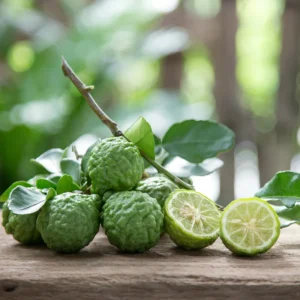
Kaffir Lime Starter Plug – Kaffir Lime Citrus Fruit Plants-Lemon Tree 2-3 Inch Live Plant Seedling
Sold 83 products
Original price was: $68.99.$47.99Current price is: $47.99.
Sold 79 products
Original price was: $57.98.$28.99Current price is: $28.99.





Reviews
There are no reviews yet.