NEED SUPPORT WITH YOUR ORDER? Get in touch
Not satisfied with your purchase?
Enter your Order ID on website, and we'll resolve it right away.

Original price was: $55.78.$30.99Current price is: $30.99.
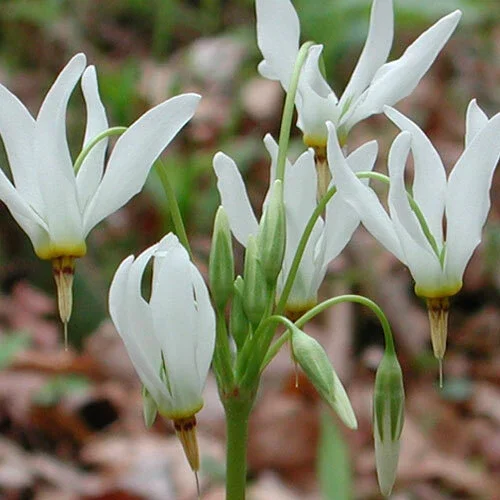
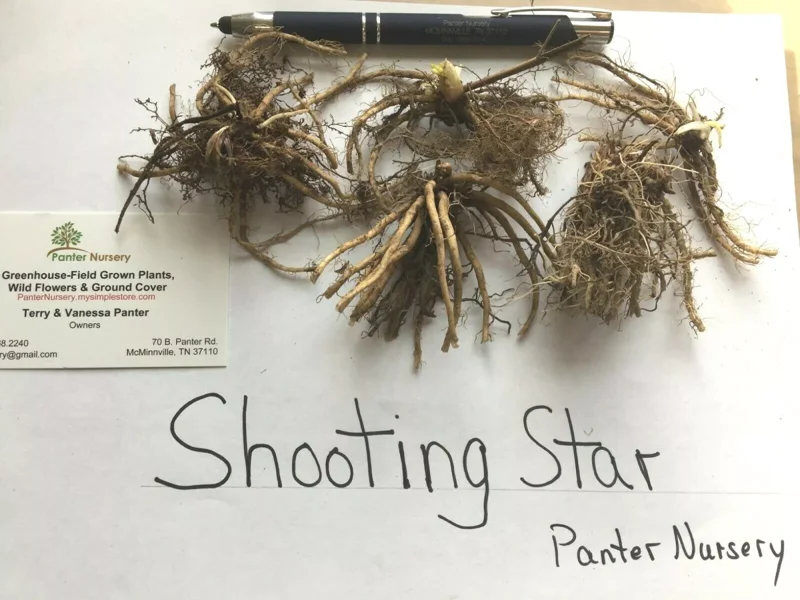
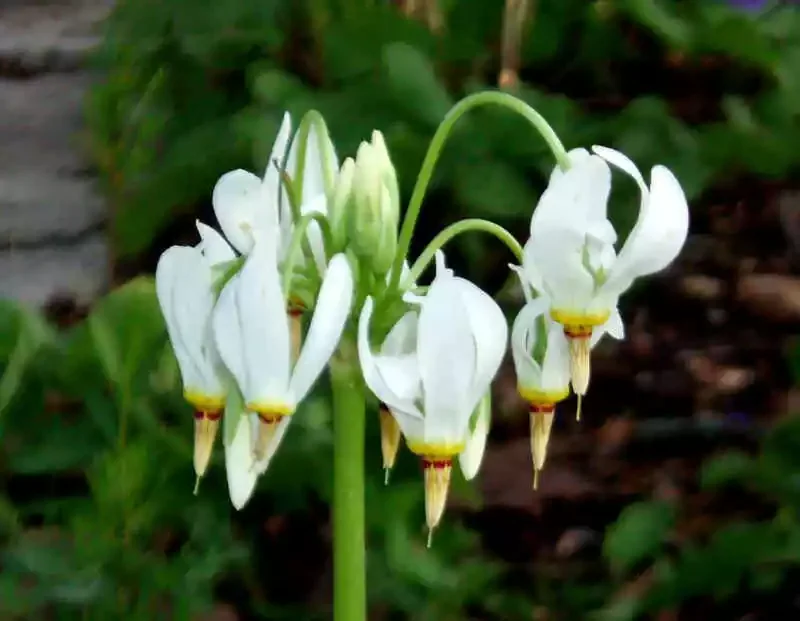
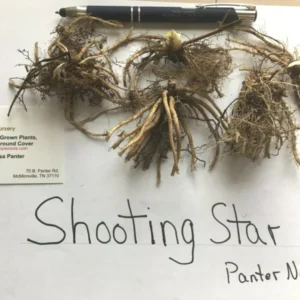
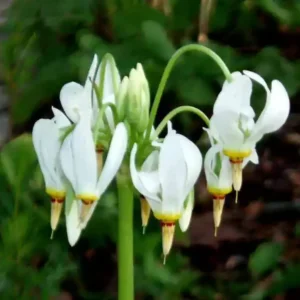
Bring captivating beauty to your garden with this 5-pack of shooting star perennial bare roots. These spring flowering plant roots produce showy white blooms, thrive in USDA Zones 3-8, and are both deer resistant and bee friendly perennial.
Feb 04
Feb 09 - Feb 11
Feb 14 - Feb 18
USDA Hardiness Zone
Soil Type
Sunlight Exposure
Expected Planting Period
Shipping and return policies: Our Alive & Thrive Guarantee covers issues with your plants within the first 30 days. Get in touch with us via email, and our team will review your concerns and, if necessary, provide you with a one-time replacement at no cost.
If you're unsure about your hardiness zone, feel free to reach out to us. Our team will answer your questions and help you find the plants that are truly suitable for your environment, climate, and personal preferences.
Transform your outdoor space into a vibrant sanctuary with the exquisite shooting star perennial, also known by its botanical name, Dodecatheon. This offering includes 5 robust bare roots, ready to establish themselves and bring a touch of wild elegance to your landscape. As a remarkable spring flowering plant, it bursts into life with unique, showy white flowers featuring reflexed petals that gracefully rise on slender stems, signaling the arrival of warmer weather. Ideal for various settings from open woodlands to rock gardens, this native beauty promises a captivating display. After its spectacular blooming period, the plant enters a dormant phase, conserving energy for an even more vigorous return the following spring, making it a truly resilient addition to any garden.
These dodecatheon plant roots are an excellent choice for gardeners seeking both aesthetic appeal and ecological benefits. They are particularly known for their distinctive flower shape, which resembles a shooting star, hence the common name. This perennial is not only visually stunning but also plays an important role in supporting local ecosystems, especially as a valuable food source for pollinators in early spring. Its hardy nature ensures it can thrive in a wide range of climates, providing reliable blooms year after year with minimal effort.
Adding the shooting star perennial to your garden offers a multitude of advantages, enhancing both its beauty and its ecological value. These benefits make it an excellent choice for both novice and experienced gardeners:
Caring for your shooting star perennial is straightforward, ensuring years of beautiful spring blooms. These plants are remarkably resilient and, once established, require minimal intervention. For optimal growth, proper planting and initial care are key. Plant the bare roots in fall or early spring, allowing them to establish before their main growth period. Dig a hole wide enough to spread the roots comfortably and deep enough so that the crown of the plant is at soil level. Backfill with soil, gently firming around the roots, and water thoroughly.
When it comes to sunlight, the dodecatheon plant thrives in full sun to partial shade. In hotter climates, partial shade, especially during the intense afternoon sun, will help prevent scorching and prolong the bloom period. For watering, maintain consistent moisture, particularly during dry spells and in its first year of establishment. However, avoid waterlogging, as well-draining soil is crucial to prevent root rot. Once dormant, these deer resistant perennial roots can tolerate drier conditions. They prefer well-drained soil, but are adaptable to various soil types, making them quite forgiving. Amending heavy clay soils with organic matter can improve drainage. Fertilization is generally not necessary, especially in rich garden soils, but a light application of a balanced slow-release fertilizer in early spring can encourage more vigorous growth in poorer soils. Watch out for slugs and snails, which can occasionally be a minor pest, especially in moist conditions. Generally, these plants are quite disease-resistant, contributing to their easy-care nature.
This purchase includes 5 shooting star perennial bare roots, ready for planting upon arrival. These bare roots are dormant, ensuring they transplant easily and establish quickly in your garden. When mature, these spring flowering plant specimens typically grow to a height of 10 to 14 inches, forming attractive clusters that can spread up to 12 inches wide. This compact size makes them an excellent choice for a variety of garden applications, including rock gardens, front borders, or naturalized areas where a delicate yet impactful display is desired. The growth rate is moderate; you can expect to see foliage and flowers in the first or second spring after planting, depending on planting time and conditions. The elegant white blooms are a definitive sign of spring, and the plant’s natural dormancy period allows it to conserve energy, ensuring robust growth and flowering in subsequent years. This hardy perennial is well-suited for USDA Zones 3-8, making it a versatile and reliable choice for many gardeners across the United States. Its ability to naturalize over time means you can enjoy an expanding patch of these beautiful flowers with minimal ongoing effort.
You must be logged in to post a review.

Sold 95 products
Original price was: $73.99.$43.99Current price is: $43.99.
Sold 84 products
Original price was: $76.99.$46.99Current price is: $46.99.
Flowers
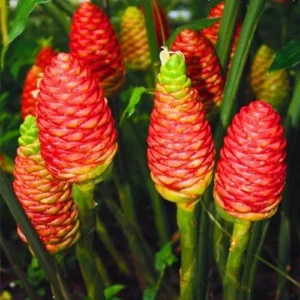
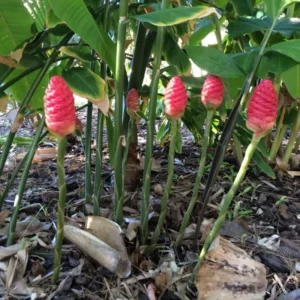
Awapuhi Shampoo Ginger Rhizomes – Fresh Zingiber Zerumbet Roots – Live Plant for Tropical Garden
Sold 73 products
Original price was: $31.98.$15.99Current price is: $15.99.
Sold 77 products
Original price was: $43.90.$33.90Current price is: $33.90.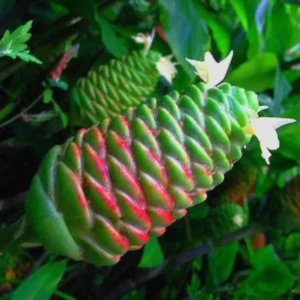
Sold 73 products
Original price was: $31.98.$15.99Current price is: $15.99.
Sold 82 products
Original price was: $140.99.$98.99Current price is: $98.99.
Sold 98 products
Original price was: $47.99.$34.99Current price is: $34.99.
Sold 58 products
Original price was: $69.98.$34.99Current price is: $34.99.


Reviews
There are no reviews yet.