NEED SUPPORT WITH YOUR ORDER? Get in touch
Not satisfied with your purchase?
Enter your Order ID on website, and we'll resolve it right away.

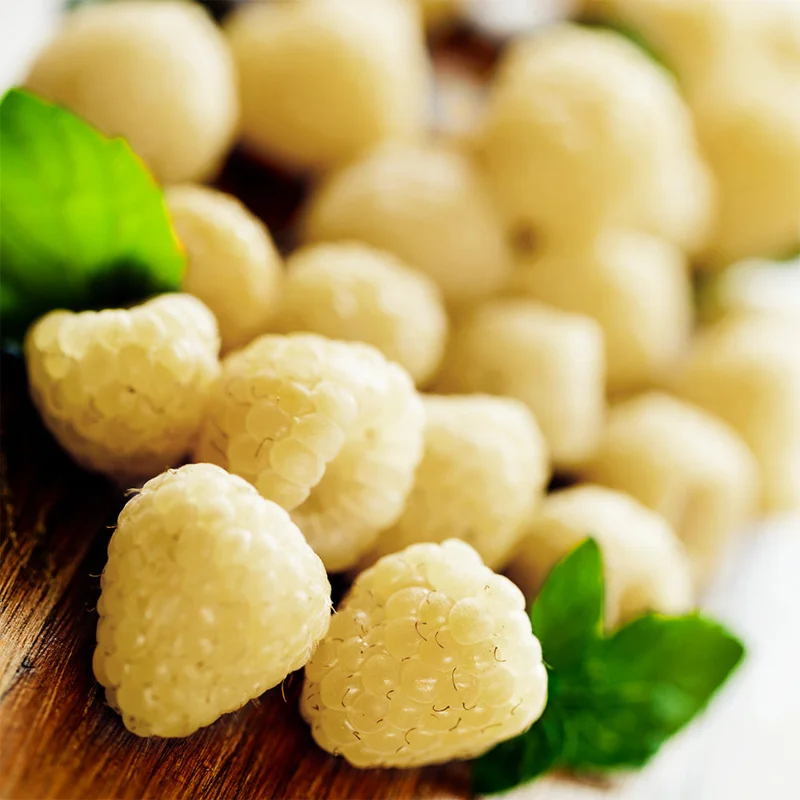
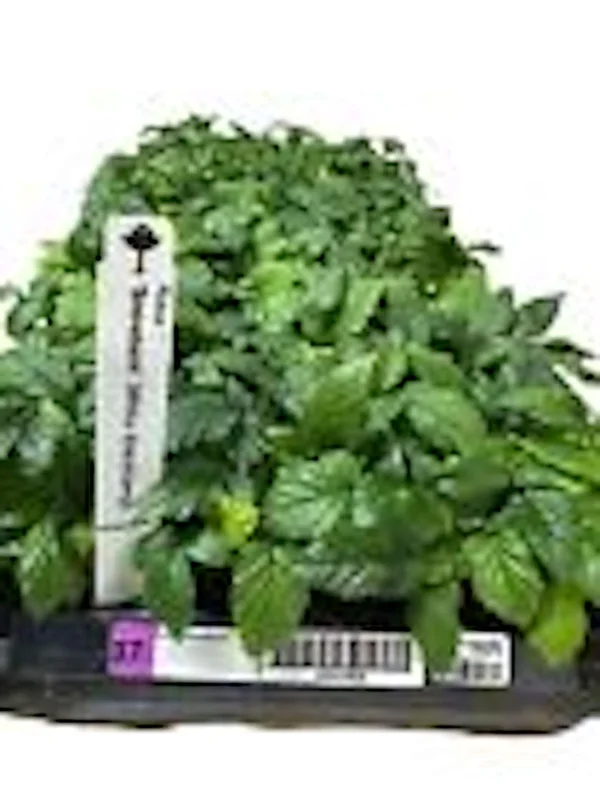
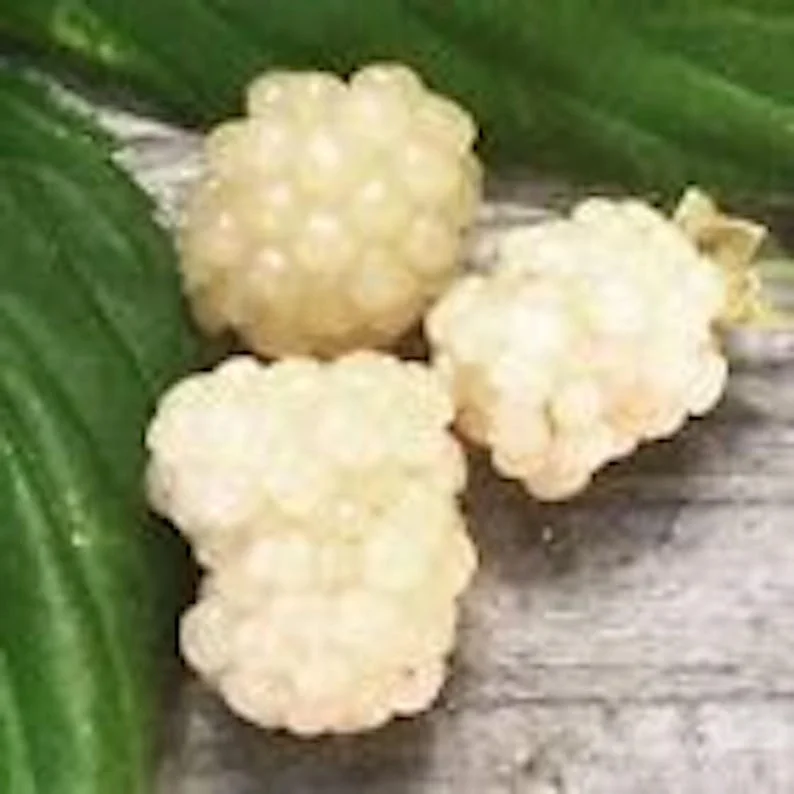
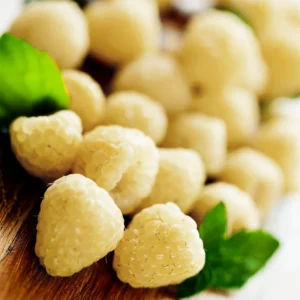
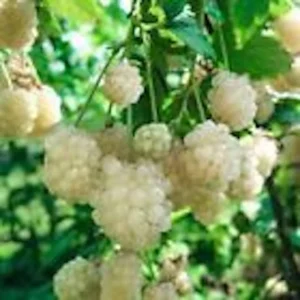
Original price was: $70.99.$50.99Current price is: $50.99.
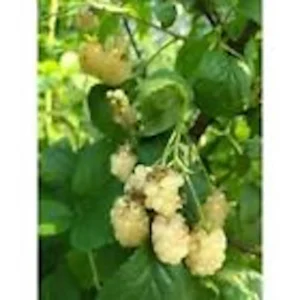
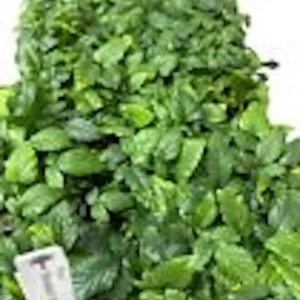
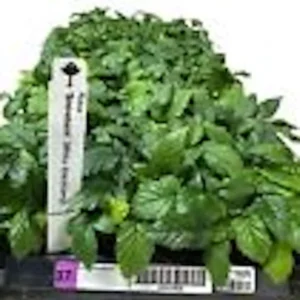
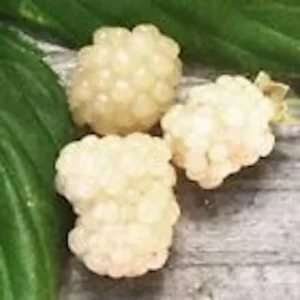
Cultivate your own delicious and unique white blackberry live plant with this convenient 3-pack of starter plants. These Rubus fruit plant varieties offer sweet, slightly tangy fruit and are a wonderful addition to any home garden. Enjoy fresh, healthy, edible perennial fruit for years to come.
Mar 05
Mar 10 - Mar 12
Mar 15 - Mar 19
USDA Hardiness Zone
Soil Type
Sunlight Exposure
Expected Planting Period
Shipping and return policies: Our Alive & Thrive Guarantee covers issues with your plants within the first 30 days. Get in touch with us via email, and our team will review your concerns and, if necessary, provide you with a one-time replacement at no cost.
If you're unsure about your hardiness zone, feel free to reach out to us. Our team will answer your questions and help you find the plants that are truly suitable for your environment, climate, and personal preferences.
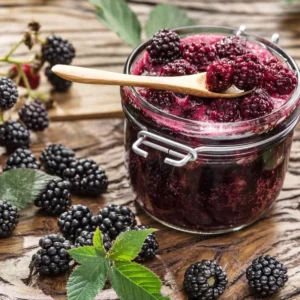
Introduce a truly unique and delightful fruit to your garden with this white blackberry live plant 3-pack. Scientifically known as Rubus, these starter plants will grow into robust bushes producing an abundance of sweet, slightly tangy white berries. A fascinating twist on the traditional dark blackberry, this variety offers a novel eating experience that’s perfect for fresh consumption, baking, or preserves. These easy-to-grow Rubus fruit plant specimens are ideal for home gardeners looking to add an extraordinary, productive, and beautiful fruiting shrub to their landscape. Get ready to enjoy bumper crops of delicious, antioxidant-rich fruit from these healthy, vigorous plants.
The white blackberry live plant is a remarkable specimen, belonging to the rose family, known for its distinctive pale fruit. Unlike common blackberries, these offer a visually striking and equally flavorful alternative. They are an excellent choice for those seeking an edible perennial fruit that provides both ornamental beauty and a bountiful harvest. With proper care, these plants will establish quickly and reward you with increasing yields year after year, making them a long-term investment in your home orchard or garden.
Growing your own white blackberry live plant offers a multitude of advantages, from the novelty of its fruit to its health benefits and ease of cultivation. These plants are designed to thrive and provide continuous enjoyment and sustenance.
To ensure your white blackberry live plant thrives and produces abundant fruit, follow these essential care guidelines. They are relatively forgiving, but optimal conditions will lead to the best results. Plant your white blackberry plants in a location that receives full sun, meaning at least 6-8 hours of direct sunlight daily. While they can tolerate some afternoon shade, especially in hotter climates, ample sunlight is crucial for robust growth and maximum fruit production. Good air circulation around the plants helps prevent fungal diseases.
Soil quality is paramount for successful white blackberry plant care. These plants prefer well-drained, slightly acidic soil with a pH range of 6.0-6.5. If your native soil is heavy clay, amend it generously with organic matter like compost or aged manure to improve drainage and fertility. Raised beds are an excellent option as they significantly enhance drainage and can help protect roots from frost damage in colder regions. Water moderately, aiming for approximately 1 inch of water per week, either from rainfall or irrigation. Consistent moisture is vital, especially during flowering and fruiting periods, but avoid waterlogging the soil.
For best yields and to keep your bushes healthy, support the canes as they grow. A trellis or fence is highly recommended to prevent canes from sprawling and to keep the fruit off the ground. Pruning is an important aspect of white blackberry plant care; after the first year, remove dead or weak canes and prune back fruiting canes after they have produced berries. Fertilize in early spring with a balanced slow-release fertilizer or compost to provide essential nutrients. These hardy plants can survive a wide range of temperatures, but protecting them in extreme cold, especially young plants, can be beneficial. Understanding proper white blackberry plant care will ensure a long and productive life for your bushes, providing you with delicious edible perennial fruit for many seasons.
This offering includes a white blackberry live plant 3-pack, providing you with three vigorous starter plants ready for planting. Mature plants typically reach a size of 5-8 feet tall and wide, depending on pruning practices and specific growing conditions. These fruiting shrubs are known for their relatively fast growth rate once established. You can generally expect the first fruit production to begin in the second year after planting, with increasing yields in subsequent years as the plants mature. The plants are shipped as healthy starter plants, ready to be transplanted into your garden. They will develop into substantial bushes, requiring adequate space for optimal growth and fruit development. This Rubus fruit plant is a long-term investment, offering continuous harvests for up to a decade or more with proper attention.
You must be logged in to post a review.
Sold 83 products
Original price was: $55.98.$27.99Current price is: $27.99.
Sold 69 products
Original price was: $57.98.$28.99Current price is: $28.99.
Sold 62 products
Original price was: $64.99.$34.99Current price is: $34.99.
Sold 71 products
Original price was: $49.99.$34.99Current price is: $34.99.
Sold 86 products
Original price was: $78.99.$48.99Current price is: $48.99.
Sold 57 products
Original price was: $72.99.$52.99Current price is: $52.99.
Sold 65 products
Original price was: $38.80.$19.40Current price is: $19.40.
Sold 64 products
Original price was: $57.98.$28.99Current price is: $28.99.

Reviews
There are no reviews yet.