NEED SUPPORT WITH YOUR ORDER? Get in touch
Not satisfied with your purchase?
Enter your Order ID on website, and we'll resolve it right away.


Original price was: $79.99.$50.99Current price is: $50.99.
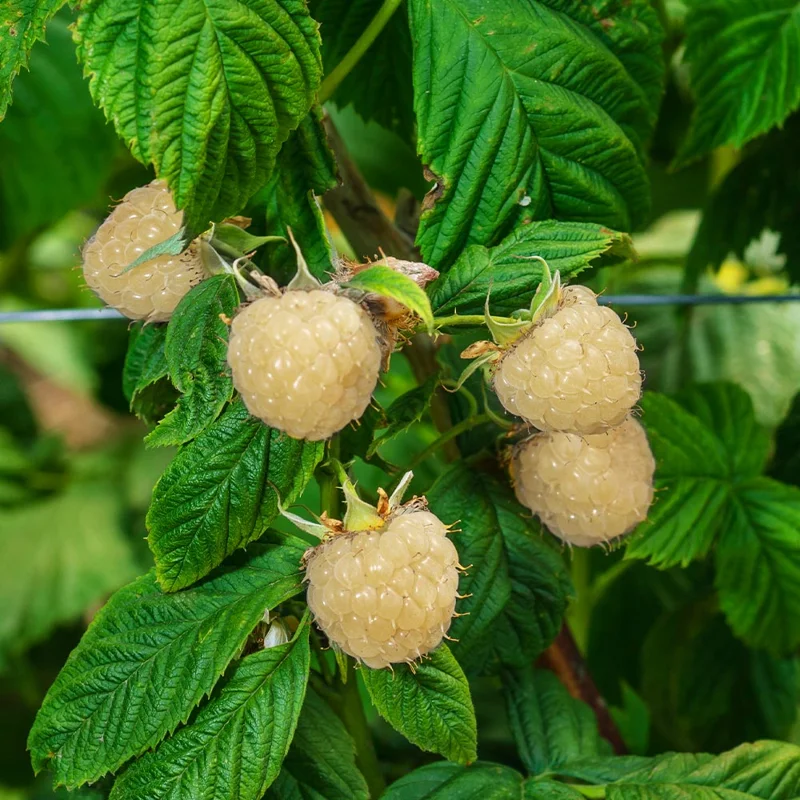
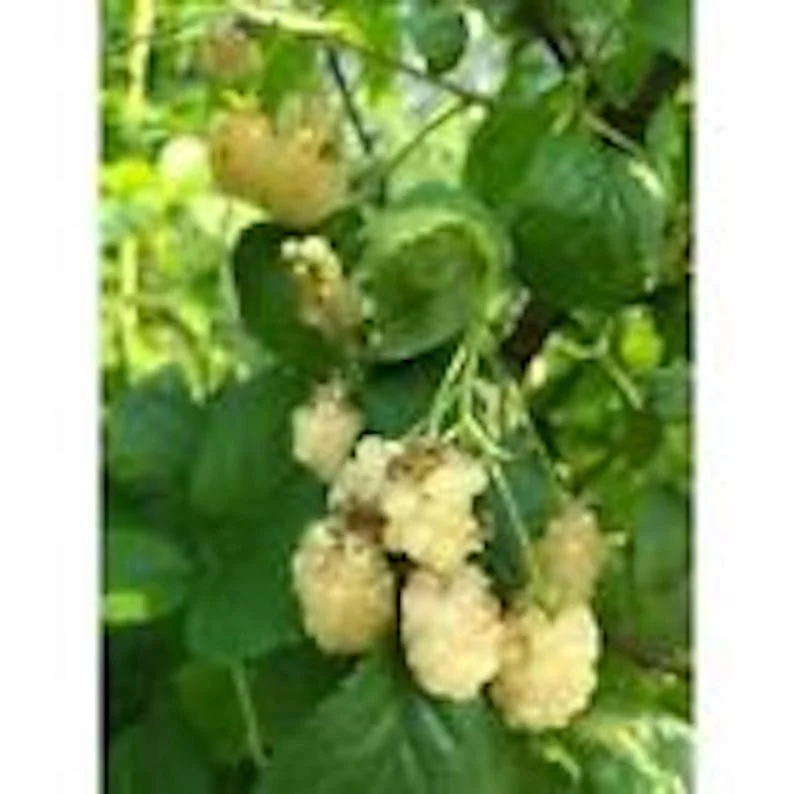
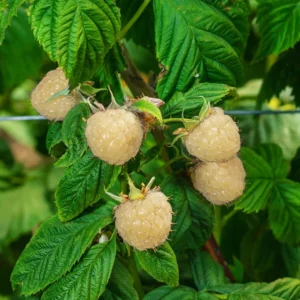
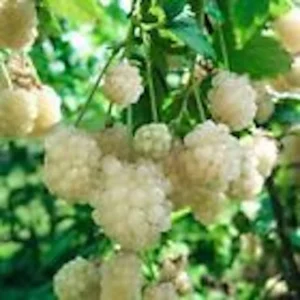
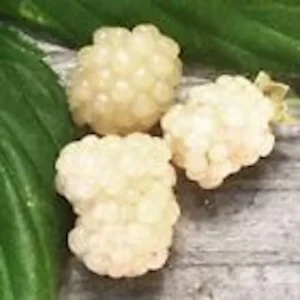
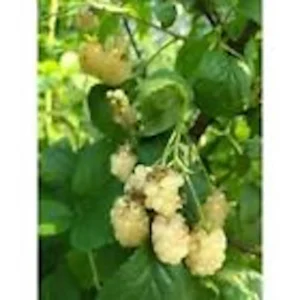
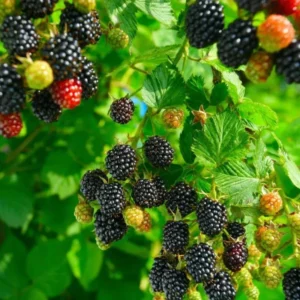
Cultivate your own rare white blackberry live plant with this set of 5 Snowbank starter plants. These easy-to-grow, high-yielding perennial fruit bushes are perfect for USDA Zones 5-9, offering delicious, antioxidant-rich berries for fresh eating or culinary use.
Feb 08
Feb 13 - Feb 15
Feb 18 - Feb 22
USDA Hardiness Zone
Soil Type
Sunlight Exposure
Expected Planting Period
Shipping and return policies: Our Alive & Thrive Guarantee covers issues with your plants within the first 30 days. Get in touch with us via email, and our team will review your concerns and, if necessary, provide you with a one-time replacement at no cost.
If you're unsure about your hardiness zone, feel free to reach out to us. Our team will answer your questions and help you find the plants that are truly suitable for your environment, climate, and personal preferences.
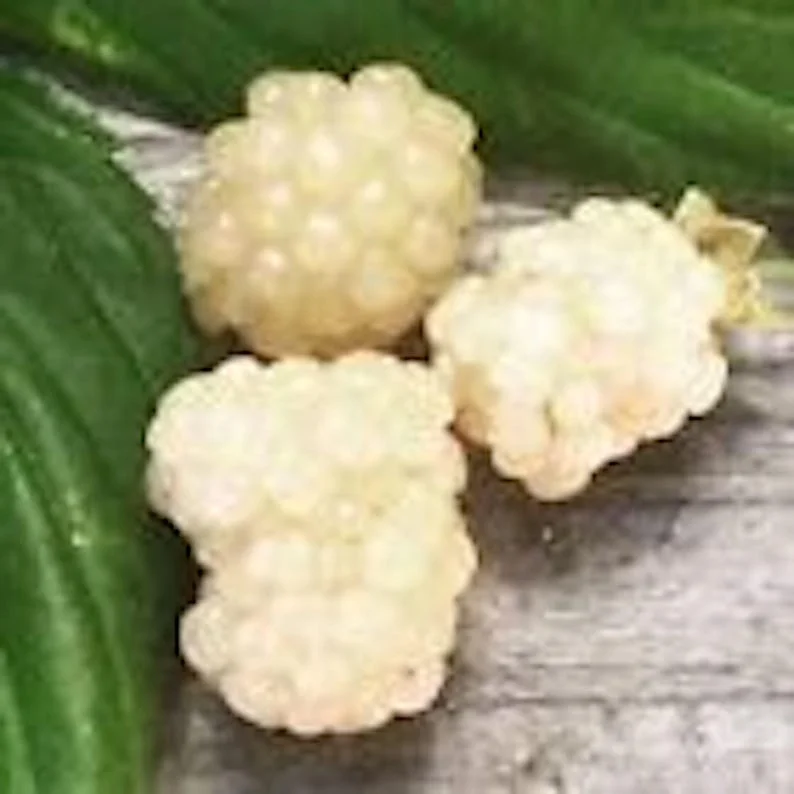
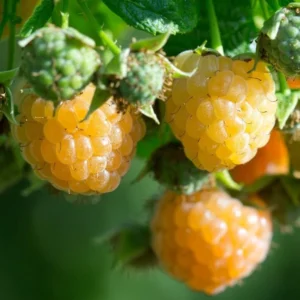
Discover the unique pleasure of growing your own white blackberry live plant with our Snowbank starter plants. These remarkable perennial fruit bushes are celebrated for their striking white berries, offering a delicious and visually appealing addition to any garden. Known for their ease of growth and abundant yields, these thorny varieties promise a bountiful harvest of flavorful, antioxidant-rich berries. Thriving across USDA zones 5-9 under full sun, these plants will provide years of fresh, delectable produce, making them an excellent choice for both novice and experienced gardeners eager to explore distinctive fruit varieties.
Snowbank blackberry care is surprisingly straightforward, similar to cultivating rose bushes but often more manageable. Belonging to the genus Rubus, these fruiting shrubs are a nutritional powerhouse, packed with essential vitamins like C and K, potassium, and dietary fiber. They are naturally low in fat and provide a healthy source of carbohydrates, contributing to a well-rounded diet straight from your backyard.
Our white blackberry live plant offers numerous advantages, transforming your garden into a source of unique fruit and healthful delights:
For optimal growth and fruit production from your white blackberry live plant, careful site selection and consistent care are essential. These plants thrive in full sun exposure, requiring at least 6-8 hours of direct sunlight daily for robust growth and abundant berry development. While some afternoon shade can be tolerated, particularly in hotter climates, ample sunlight is the primary driver for productive berry bushes. Thoughtful site selection significantly contributes to the longevity of your plants, which can typically produce for about a decade with proper care.
The ideal soil for these plants is slightly acidic, with a pH between 6.0 and 6.5, and excellent drainage. They do not perform well in heavy clay soils, which can lead to root rot. Consider elevated sites or raised beds to improve drainage and help protect delicate flower buds from late spring frosts. These thorny berry bush plants require moderate watering, approximately 1 inch per week, either through rainfall or ground-level irrigation. It is crucial to avoid overly wet soils, as these conditions are detrimental to their health. Consistent moisture is key, especially during fruiting periods, but never allow the soil to become waterlogged.
Fertilization can be done in early spring with a balanced slow-release fertilizer designed for fruit-bearing plants. Pruning is also an important aspect of Snowbank blackberry care, helping to maintain plant health, encourage new growth, and maximize fruit production. Remove spent canes after fruiting and thin out weaker canes to ensure good air circulation. These perennial fruit plant specimens are shipped bare root, ready for immediate planting in your garden upon arrival. With the right care and attention, you will soon be enjoying a prolific harvest of your own unique white blackberries.
This offering includes 5 individual white blackberry live plant starter plants, shipped bare root and ready for immediate planting. Typically, these berry bushes can reach a mature size of 5-8 feet tall and equally wide, depending on pruning practices, growing conditions, and overall care. With proper care, these plants are known for their vigorous growth and can begin producing fruit within 1-2 years of planting. They are a long-term investment, providing fresh fruit for up to 10 years. The bare root format allows for easy establishment and strong root development once planted in your garden, contributing to a healthy and productive thorny berry bush.
These plants are best planted in early spring or late fall, allowing their root systems to establish before extreme temperature fluctuations. The moderate growth rate means you won’t wait long to enjoy your first harvest, and their robust nature makes them a rewarding addition to any edible landscape. Expect a significant harvest from these high-yielding plants once they are mature, providing plenty of berries for both fresh consumption and preservation.
You must be logged in to post a review.
Sold 61 products
Original price was: $57.98.$28.99Current price is: $28.99.
Sold 97 products
Original price was: $56.99.$44.90Current price is: $44.90.
Sold 86 products
Original price was: $64.99.$34.99Current price is: $34.99.
Sold 92 products
Original price was: $79.98.$39.99Current price is: $39.99.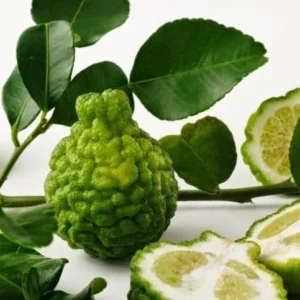
Fruits
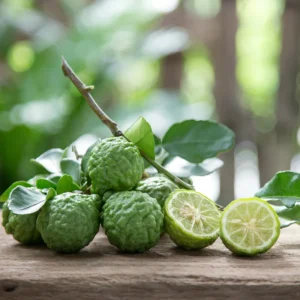
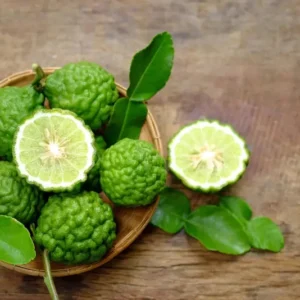
Kaffir Lime Starter Plug – Kaffir Lime Citrus Fruit Plants-Lemon Tree 2-3 Inch Live Plant Seedling
Sold 91 products
Original price was: $68.99.$47.99Current price is: $47.99.
Sold 88 products
Original price was: $89.99.$57.99Current price is: $57.99.
Sold 73 products
Original price was: $57.98.$28.99Current price is: $28.99.
Sold 77 products
Original price was: $55.98.$27.99Current price is: $27.99.

Reviews
There are no reviews yet.