NEED SUPPORT WITH YOUR ORDER? Get in touch
Not satisfied with your purchase?
Enter your Order ID on website, and we'll resolve it right away.

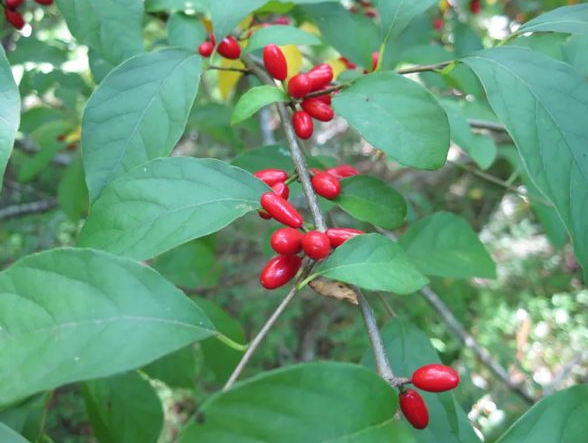
Original price was: $74.99.$54.99Current price is: $54.99.
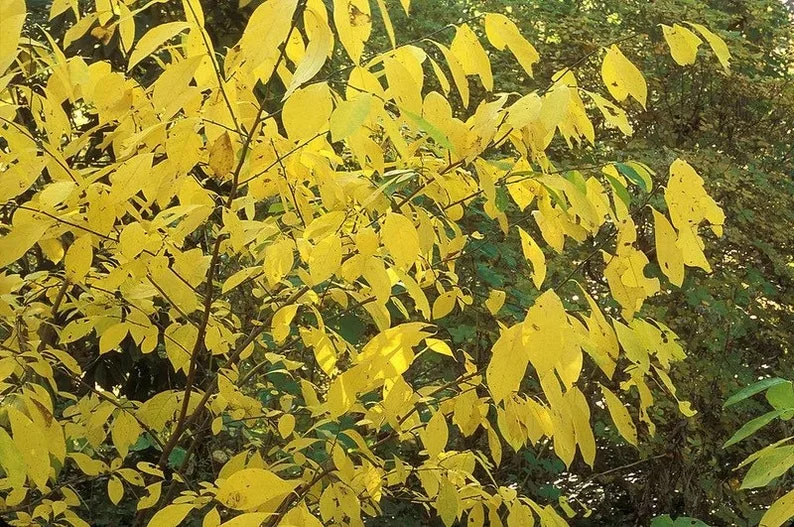
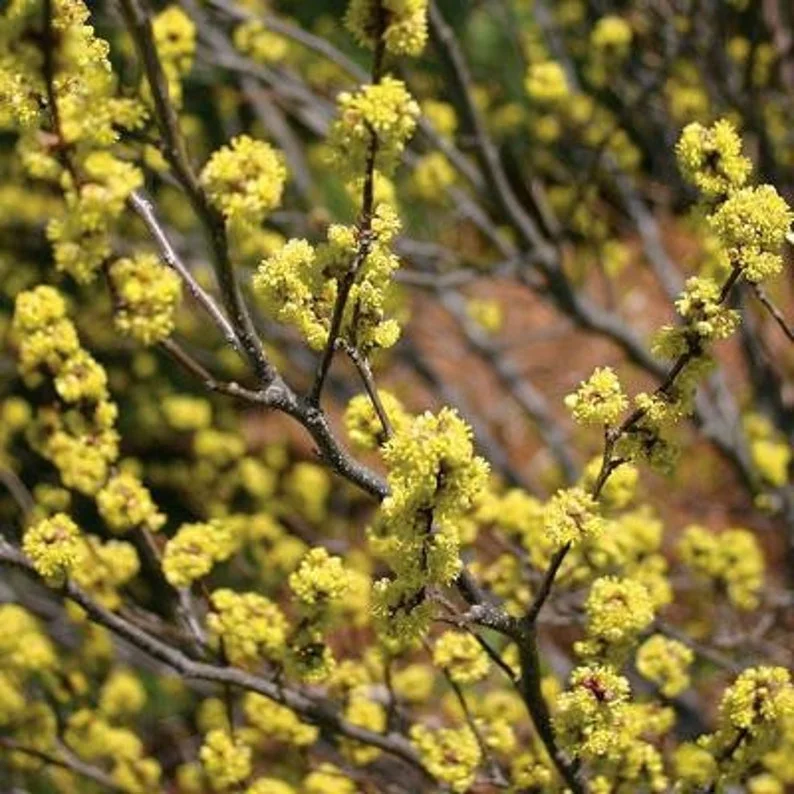
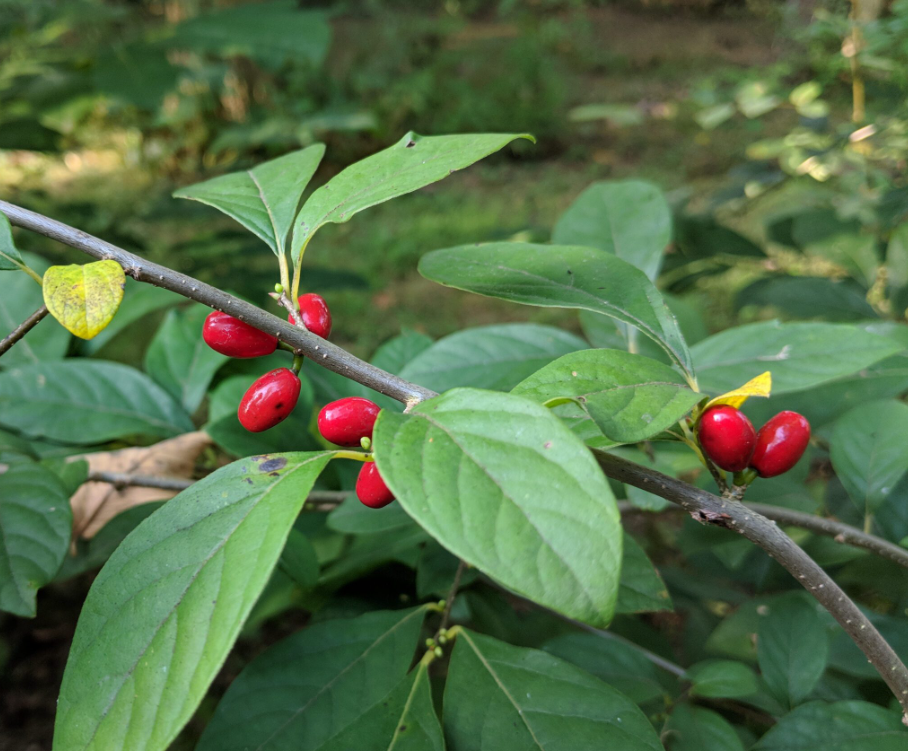
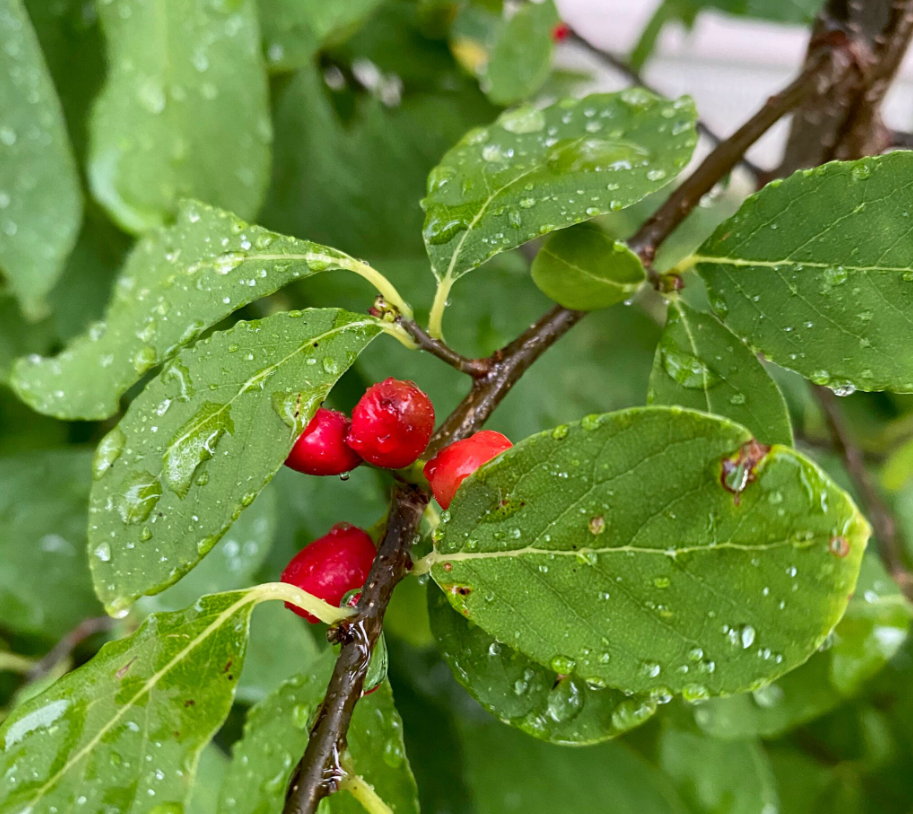
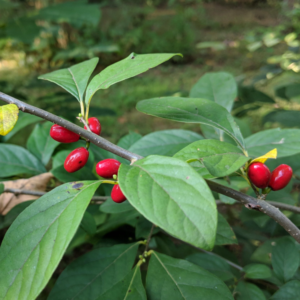
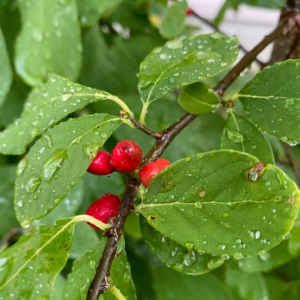
Enhance your garden with the beautiful and beneficial spicebush plant (Lindera Benzoin). This native shrub boasts vibrant spring flowers, stunning yellow fall foliage, and is known for being deer resistant. Perfect for supporting local wildlife and adding year-round interest to your landscape.
Mar 03
Mar 08 - Mar 10
Mar 13 - Mar 17
USDA Hardiness Zone
Soil Type
Sunlight Exposure
Expected Planting Period
Shipping and return policies: Our Alive & Thrive Guarantee covers issues with your plants within the first 30 days. Get in touch with us via email, and our team will review your concerns and, if necessary, provide you with a one-time replacement at no cost.
If you're unsure about your hardiness zone, feel free to reach out to us. Our team will answer your questions and help you find the plants that are truly suitable for your environment, climate, and personal preferences.
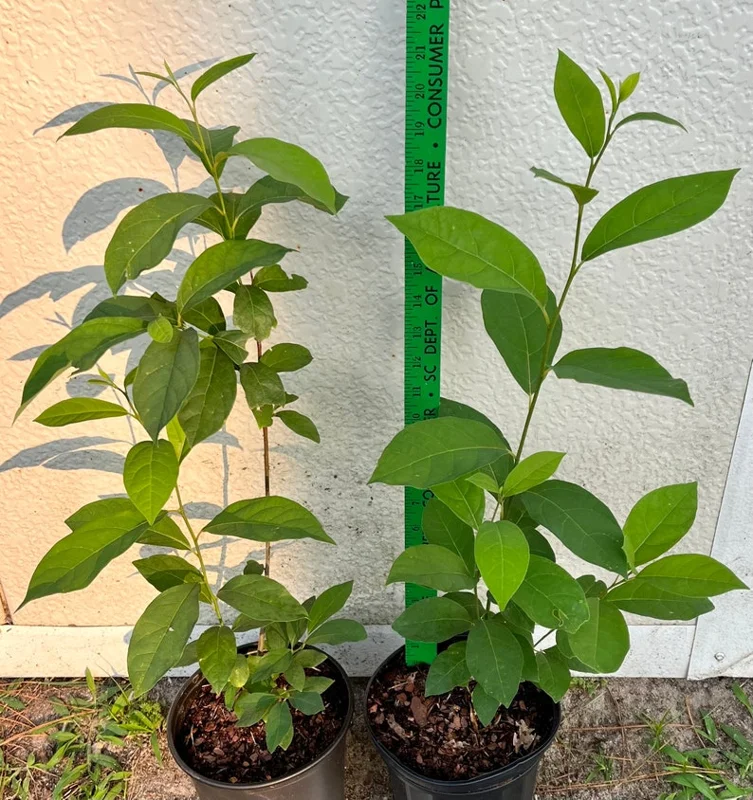
Introduce a touch of native elegance and ecological value to your garden with the spicebush plant, Lindera Benzoin. Also widely known as the Northern Spicebush, this deciduous shrub is a true four-season performer, offering visual appeal and vital support for local wildlife. As a native plant, the spicebush plant thrives in various conditions and integrates seamlessly into woodland gardens, naturalized areas, or as an attractive border plant. Its robust nature and aesthetic qualities make it a favored choice for gardeners seeking both beauty and biodiversity. This live plant will arrive ready for planting, eager to establish itself and begin its contribution to your outdoor space.
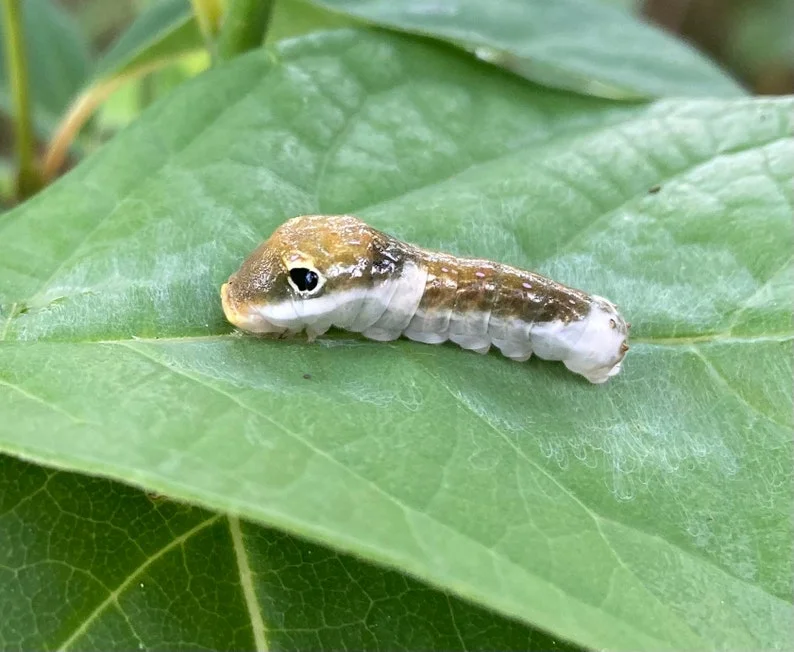
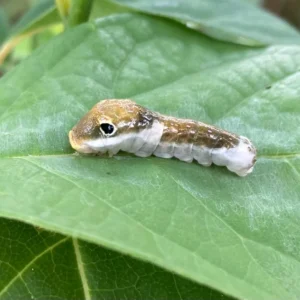
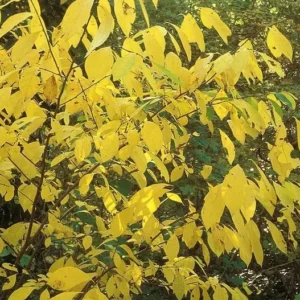
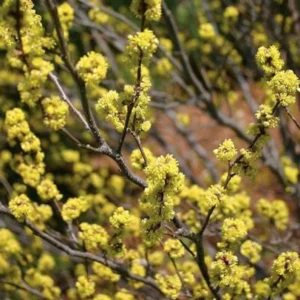
The Lindera Benzoin is celebrated for its early spring bloom, featuring delicate clusters of vibrant yellow flowers that emerge before the leaves. These blossoms are not only charming but also provide an essential early nectar source for pollinators, including native bees and the Spicebush Swallowtail butterfly, for which it is a host plant. Beyond its floral display, the Northern Spicebush offers lush green foliage throughout the summer, culminating in a spectacular show of brilliant yellow in the autumn. This transition of color ensures continuous interest in your landscape from spring through fall, making it a truly valuable addition to any garden design.
The spicebush plant offers a multitude of advantages for both the gardener and the environment. Its unique characteristics make it a standout choice for sustainable and beautiful landscaping:
Caring for your spicebush plant is relatively straightforward, making it an excellent choice for both novice and experienced gardeners. This hardy native shrub is quite forgiving once established. For optimal growth, choose a location that receives full sun to part shade. While it can tolerate more shade, flowering and fall color will be most vibrant with at least a few hours of direct sunlight daily. In hotter climates, some afternoon shade can be beneficial to prevent leaf scorch. The ideal planting season is during the spring or fall when temperatures are moderate, allowing the plant to establish its root system before extreme weather conditions. Ensure you have the right conditions for your lindera benzoin to thrive.
When it comes to soil, the spicebush prefers well-drained soil but is adaptable to various soil types, including clay and sandy soils, as long as they don’t remain waterlogged. Incorporating organic matter at planting time can improve soil structure and fertility. Water regularly during the first growing season to help establish a strong root system. Once established, the northern spicebush is quite drought-tolerant, though it will benefit from occasional watering during prolonged dry spells. Fertilization is generally not necessary, especially in rich soils, but a light application of a balanced, slow-release fertilizer in early spring can encourage vigorous growth if your soil is poor. The plant is hardy in USDA zones 4-9, making it a resilient choice for many regions.
Pruning is usually minimal, primarily for shaping or removing dead or damaged branches. This should be done in late winter or early spring before new growth emerges. The deer resistant shrub typically reaches a height of 6-12 feet and a similar spread, so ensure you provide adequate space for its mature size. With its robust nature and adaptability, managing a spicebush plant is a rewarding experience, providing years of ecological benefits and seasonal beauty to your landscape.
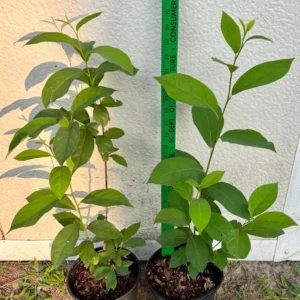
This offering is for a spicebush plant (Lindera Benzoin) shipped in a 1-gallon pot, providing a well-established root system for successful transplanting into your garden. At maturity, this vigorous deciduous shrub typically reaches a height of 6-12 feet with a spread of 6-12 feet, forming an attractive, multi-stemmed bush. Its growth rate is moderate, allowing it to reach a substantial size within a few years while remaining manageable. The plant will arrive healthy and ready to be planted, ensuring a smooth transition to its new home.
The lindera benzoin is known for its graceful, rounded form, making it an excellent choice for naturalized settings, shrub borders, or as a specimen plant. It provides year-round interest, from its early spring yellow flowers to its vibrant yellow fall foliage. This particular size is ideal for immediate impact in your landscape while still allowing for the joy of watching it grow and mature. Expect this northern spicebush to become a significant and cherished part of your garden’s ecosystem.
You must be logged in to post a review.
Sold 75 products
Original price was: $53.98.$26.99Current price is: $26.99.
Sold 88 products
Original price was: $74.99.$44.99Current price is: $44.99.
Sold 70 products
Original price was: $64.99.$44.99Current price is: $44.99.
Sold 55 products
Original price was: $55.58.$27.79Current price is: $27.79.
Sold 81 products
Original price was: $74.99.$44.99Current price is: $44.99.
Sold 76 products
Original price was: $110.99.$99.99Current price is: $99.99.
Sold 84 products
Original price was: $70.99.$40.99Current price is: $40.99.
Sold 74 products
Original price was: $45.98.$22.99Current price is: $22.99.
Reviews
There are no reviews yet.