NEED SUPPORT WITH YOUR ORDER? Get in touch
Not satisfied with your purchase?
Enter your Order ID on website, and we'll resolve it right away.

Original price was: $246.99.$216.99Current price is: $216.99.
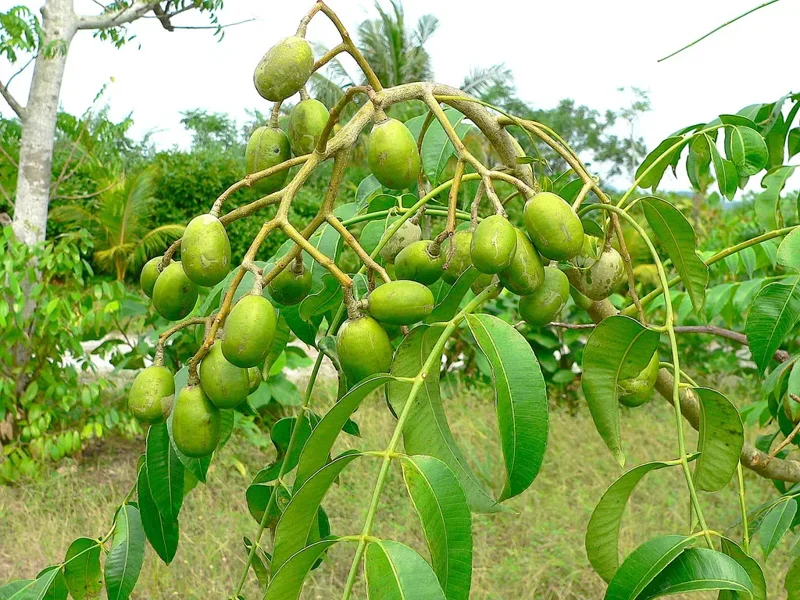
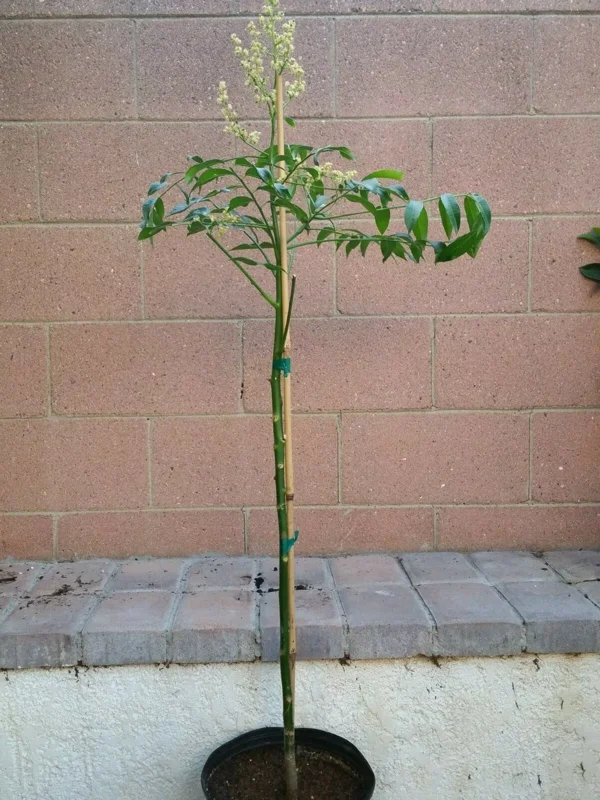
Cultivate your own exotic fruit with this vibrant June Plums tropical fruit tree, also known as Spondias Dulcis live plant. Standing 30-36 inches tall, this compact, fast-fruiting variety is perfect for patios and gardens, delivering a unique blend of sweet and tart flavors. Enjoy fresh, home-grown plums often in the first season!
Mar 03
Mar 08 - Mar 10
Mar 13 - Mar 17
USDA Hardiness Zone
Soil Type
Sunlight Exposure
Expected Planting Period
Shipping and return policies: Our Alive & Thrive Guarantee covers issues with your plants within the first 30 days. Get in touch with us via email, and our team will review your concerns and, if necessary, provide you with a one-time replacement at no cost.
If you're unsure about your hardiness zone, feel free to reach out to us. Our team will answer your questions and help you find the plants that are truly suitable for your environment, climate, and personal preferences.
Bring the tropics to your backyard with the remarkable June Plums tropical fruit tree, a vibrant Spondias Dulcis live plant ready to thrive in your home garden. Imagine the delight of harvesting your own delicious, amber-colored June Plums, also known as Spondias Dulcis, directly from your patio or garden. This young, healthy tree, approximately 3-4 years old and standing 30-36 inches tall, is a fast-fruiting variety that can often produce its first harvest as early as the next season with proper care. Its unique spicy, sweet, and tart flavor, coupled with an apple-like consistency, makes it a truly distinctive tropical treat. Beyond its delectable fruit, this tree adds an exotic touch and lush greenery to any outdoor space, making it a perfect choice for both seasoned gardeners and enthusiastic beginners looking to grow June Plums.
The June Plums tree is a semi-deciduous plant, known for its resilience and ability to bounce back with new foliage after a cold spell. It’s a fantastic option for those seeking a productive and beautiful addition to their landscape. Whether you’re looking to enjoy fresh fruit, create exotic beverages, or make delicious preserves, this June Plums tropical fruit tree offers endless culinary possibilities and a rewarding gardening experience.
Growing a June Plums tropical fruit tree offers numerous advantages, transforming your garden into a productive and beautiful oasis. This versatile plant is not only easy to care for but also delivers a unique culinary experience.
Caring for your June Plums tropical fruit tree is straightforward, ensuring a bountiful harvest with minimal fuss. This resilient Spondias Dulcis live plant thrives with basic attention to its environmental needs. For sunlight, the June Plums tree prefers full sun, meaning at least 6-8 hours of direct sunlight per day. If growing indoors or in a container, place it in the brightest spot available, ideally near a south-facing window. In hotter climates, some afternoon shade can be beneficial to prevent leaf scorch. When it comes to watering, consistent moisture is key, especially when the plant is young and during fruiting periods. Allow the top inch or two of soil to dry out between waterings, then water thoroughly until it drains from the bottom of the pot. Avoid overwatering, as this can lead to root rot. Drought tolerance increases as the tree matures, but regular watering will promote better fruit production.
The ideal soil for your June Plums tropical fruit tree is a well-draining, fertile mix. A slightly acidic to neutral pH (6.0-7.0) is preferred. If planting in the ground, amend heavy clay soils with organic matter to improve drainage. For container growing, a high-quality potting mix designed for fruit trees or tropical plants will work best. These trees are sensitive to cold, so they thrive in USDA hardiness zones 9-11. In colder zones, it’s best to grow them in containers so they can be moved indoors when temperatures drop below 40°F (4°C). Protect them from strong north winds, as this can cause leaf shedding, though the tree is generally quick to recover. Fertilize every 2-3 months during the growing season (spring through fall) with a balanced, slow-release fertilizer or one formulated for fruit trees. Reduce fertilization during winter. Watch out for common pests like aphids or spider mites, treating them with insecticidal soap if necessary. Pruning is generally minimal, focusing on removing dead or diseased branches and shaping the tree for optimal fruit access and aesthetic appeal. Knowing how to grow June Plums successfully means providing these essential conditions.
Your June Plums tropical fruit tree arrives as a vibrant, young specimen, typically 3-4 years old and standing approximately 30-36 inches tall from the base of the stem to the top of the foliage. This size ensures a well-established plant ready for transplanting into your garden or a larger container. The tree is semi-deciduous, meaning it may shed some leaves during colder periods but will quickly rebound with new growth as temperatures rise. This particular variety is known for its relatively compact growth habit, usually reaching a mature height of 6-8 feet, making it an excellent choice for those seeking compact fruit trees or for container gardening on patios and balconies. With optimal care, you can anticipate white blooms and your very first home-grown plums within the first season of planting, offering a quick return on your gardening efforts. The fruit, often amber-colored when ripe, measures approximately 1-2 inches in diameter. Your plant will be shipped without the container, with its roots carefully wrapped and secured to ensure its health upon arrival.
You must be logged in to post a review.
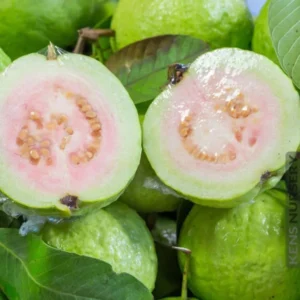
Sold 71 products
Original price was: $69.98.$34.99Current price is: $34.99.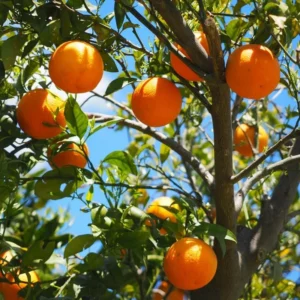
Sold 53 products
Original price was: $259.96.$129.98Current price is: $129.98.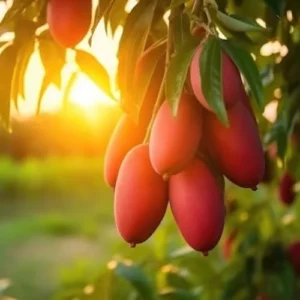
Sold 56 products
Original price was: $99.98.$49.99Current price is: $49.99.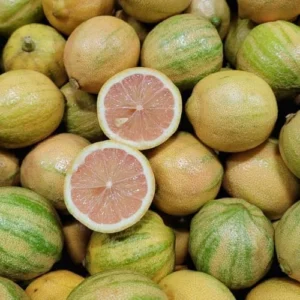
Sold 74 products
Original price was: $243.98.$121.99Current price is: $121.99.
Sold 83 products
Original price was: $257.98.$128.99Current price is: $128.99.
Sold 82 products
Original price was: $119.98.$59.99Current price is: $59.99.
Sold 65 products
Original price was: $99.98.$49.99Current price is: $49.99.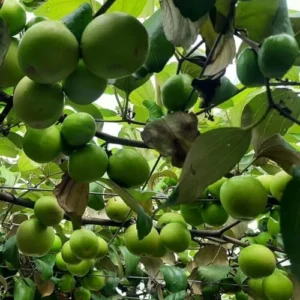
Sold 53 products
Original price was: $359.98.$179.99Current price is: $179.99.
Reviews
There are no reviews yet.