NEED SUPPORT WITH YOUR ORDER? Get in touch
Not satisfied with your purchase?
Enter your Order ID on website, and we'll resolve it right away.

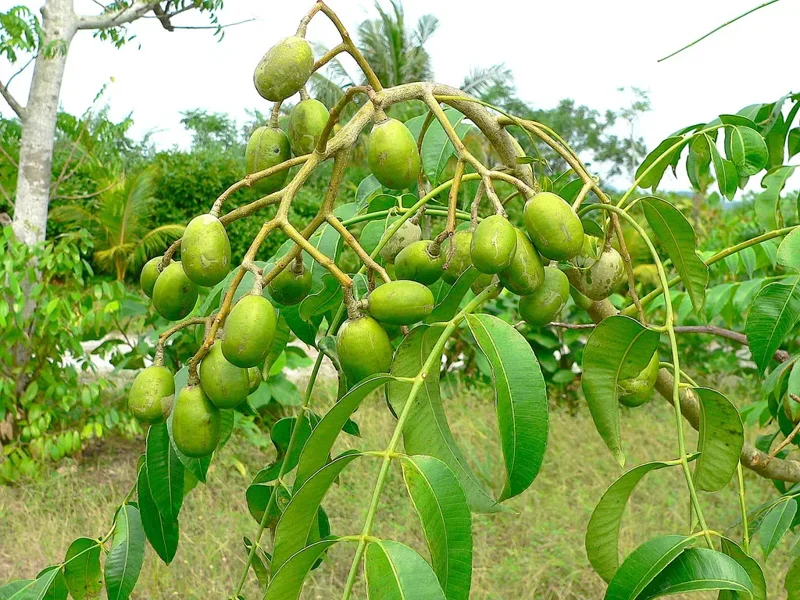
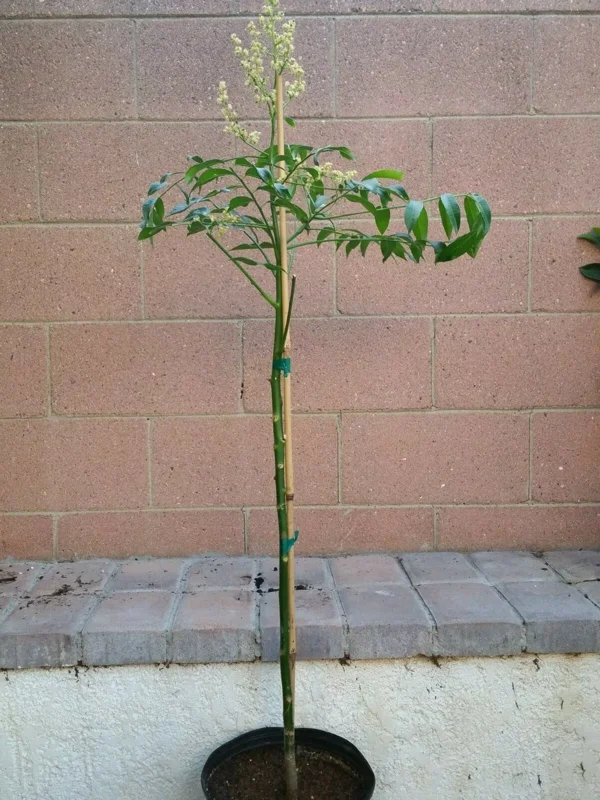
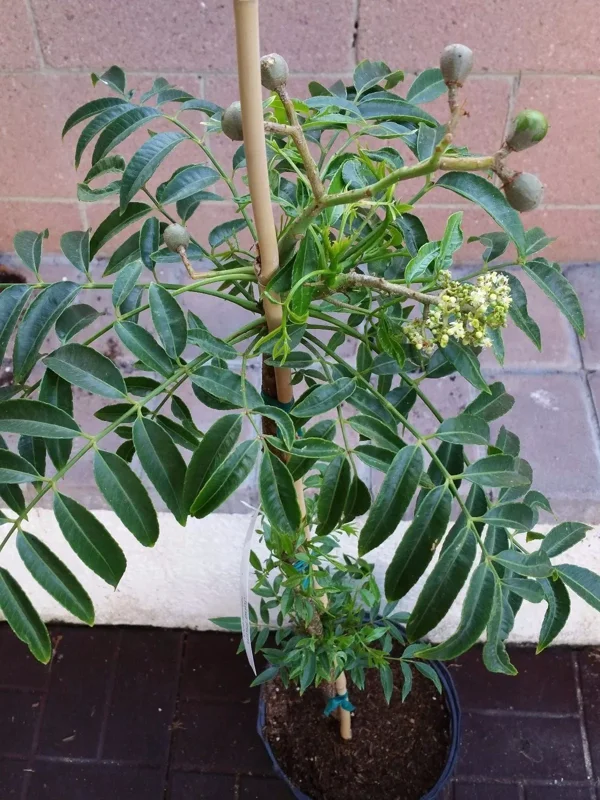
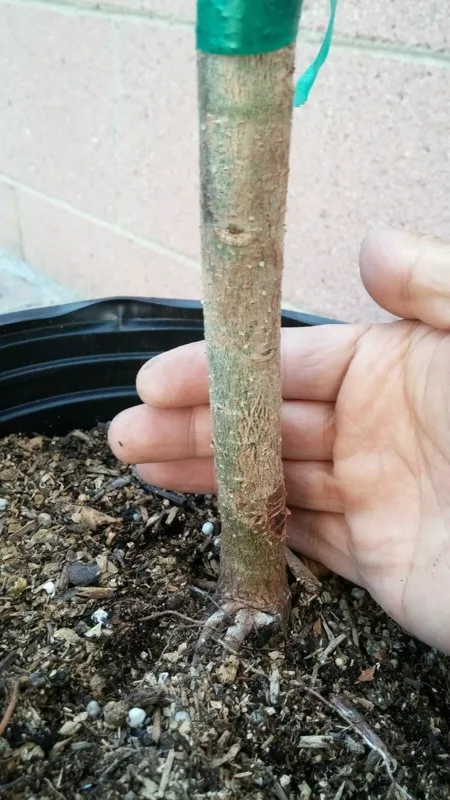
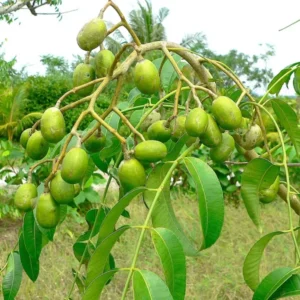
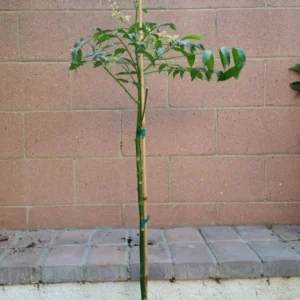
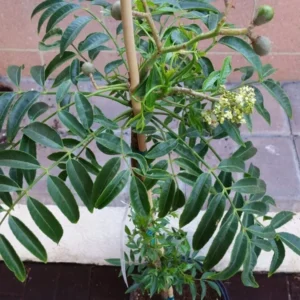
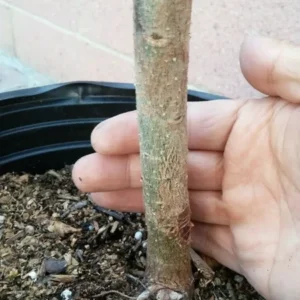
Original price was: $303.99.$273.99Current price is: $273.99.
Cultivate your own exotic flavors with this June Plums tropical fruit tree. This compact, fast-fruiting variety (Spondias Dulcis) produces delicious sweet-tart fruit, perfect for fresh eating, jams, and sauces. Ideal for small gardens or containers, it’s a resilient and rewarding addition.
Mar 05
Mar 10 - Mar 12
Mar 15 - Mar 19
USDA Hardiness Zone
Soil Type
Sunlight Exposure
Expected Planting Period
Shipping and return policies: Our Alive & Thrive Guarantee covers issues with your plants within the first 30 days. Get in touch with us via email, and our team will review your concerns and, if necessary, provide you with a one-time replacement at no cost.
If you're unsure about your hardiness zone, feel free to reach out to us. Our team will answer your questions and help you find the plants that are truly suitable for your environment, climate, and personal preferences.
Transform your garden into a tropical paradise with the magnificent June Plums tropical fruit tree (Spondias Dulcis). This live fruiting plant is a delightful specimen, renowned for its attractive white blooms and an abundance of delicious, amber-colored fruit. The fruit boasts a unique, subtly spicy flavor and a crisp consistency, similar to an apple, making it a refreshing and versatile addition to any culinary adventure. Imagine the unparalleled satisfaction of picking your own fresh, sweet-tart fruit straight from the branch, bringing an exotic taste experience directly to your home. This particular variety is a fast-fruiting type, meaning you could enjoy a harvest sooner than you expect.
The Spondias Dulcis plant is a true gem for fruit enthusiasts and gardeners alike. Its adaptability and rewarding yield make it a popular choice, even for those new to growing tropical fruits. Whether you’re looking to enhance your landscape with a productive and beautiful tree or eager to explore new culinary possibilities, this June Plums tropical fruit tree is an excellent choice. It’s an investment in both beauty and bounty, promising delightful flavors and a touch of the tropics.
Owning a June Plums tropical fruit tree offers numerous advantages, enhancing both your garden and your culinary experiences. This resilient plant brings exotic beauty and bountiful harvests right to your doorstep:
Caring for your June Plums tropical fruit tree is straightforward, making it an excellent choice for gardeners of all experience levels. These plants are typically 4-5 years old and stand about 4 feet tall upon arrival, cultivated from seed to ensure a robust start. To ensure your Spondias Dulcis plant thrives and produces abundant fruit, follow these guidelines carefully.
For optimal health and fruit production, this tree requires full sunlight, meaning at least 6-8 hours of direct sunlight daily. Choose a location in your garden or patio that receives ample sun throughout the day. Well-draining soil is crucial; a mix of sandy loam with added organic matter provides the best growing conditions. Avoid heavy, waterlogged soils, as these can lead to root rot. During establishment, water regularly to keep the soil consistently moist but not saturated. Once established, the tree exhibits good drought tolerance, but consistent moisture during fruiting periods will encourage a more bountiful harvest. Fertilize with a balanced, slow-release fertilizer designed for fruit trees during the growing season to support vigorous growth and fruit development.
While the June Plums tropical fruit tree is somewhat cold-sensitive, it can be grown in USDA zones where temperatures do not drop too low. Providing shelter from north winds is advisable in areas prone to colder spells. The tree may drop leaves during a cold snap but typically recovers quickly as the weather warms. Pruning should be done to maintain shape, encourage air circulation, and remove any dead or diseased branches. With diligent care, you can anticipate a bountiful harvest in the very next season, making growing June Plums a truly rewarding endeavor.
This June Plums tropical fruit tree is a live plant, cultivated from seed and typically arrives as a well-established specimen. Plants are generally 4-5 years old and stand approximately 4 feet tall, ready to be planted in your garden or a suitable container. While shipped without the container, each plant is meticulously wrapped and secured to ensure a safe and healthy arrival at your doorstep. Expect a compact growth habit, with the tree reaching a manageable mature height of about 6-8 feet, making it an ideal compact fruit tree for various settings.
With proper care and optimal growing conditions, you can expect this fast-fruiting tree to yield fruit in its very first season after planting, or the following season. The fruit, known for its unique sweet-tart flavor, will be amber-colored when ripe. This resilient and easy-to-care-for plant is an excellent choice for anyone looking to add a productive and beautiful tropical element to their outdoor space, whether in the ground or in a large patio container. Its drought-tolerant and disease-resistant nature further enhances its appeal as a low-maintenance, high-reward plant.
You must be logged in to post a review.
Sold 64 products
Original price was: $64.99.$34.99Current price is: $34.99.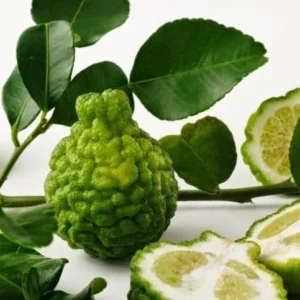
Fruits
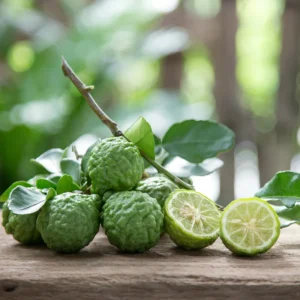
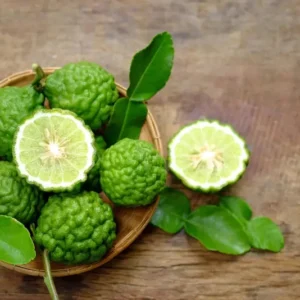
Kaffir Lime Starter Plug – Kaffir Lime Citrus Fruit Plants-Lemon Tree 2-3 Inch Live Plant Seedling
Sold 89 products
Original price was: $68.99.$47.99Current price is: $47.99.
Sold 71 products
Original price was: $99.99.$79.99Current price is: $79.99.
Sold 66 products
Original price was: $49.99.$34.99Current price is: $34.99.
Sold 66 products
Original price was: $64.99.$34.99Current price is: $34.99.
Sold 76 products
Original price was: $38.80.$19.40Current price is: $19.40.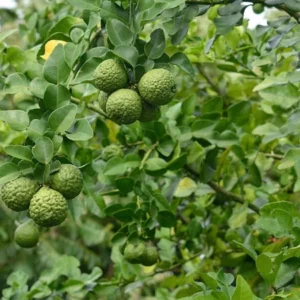
Sold 58 products
Original price was: $89.99.$57.99Current price is: $57.99.
Sold 100 products
Original price was: $57.98.$28.99Current price is: $28.99.
Reviews
There are no reviews yet.