NEED SUPPORT WITH YOUR ORDER? Get in touch
Not satisfied with your purchase?
Enter your Order ID on website, and we'll resolve it right away.

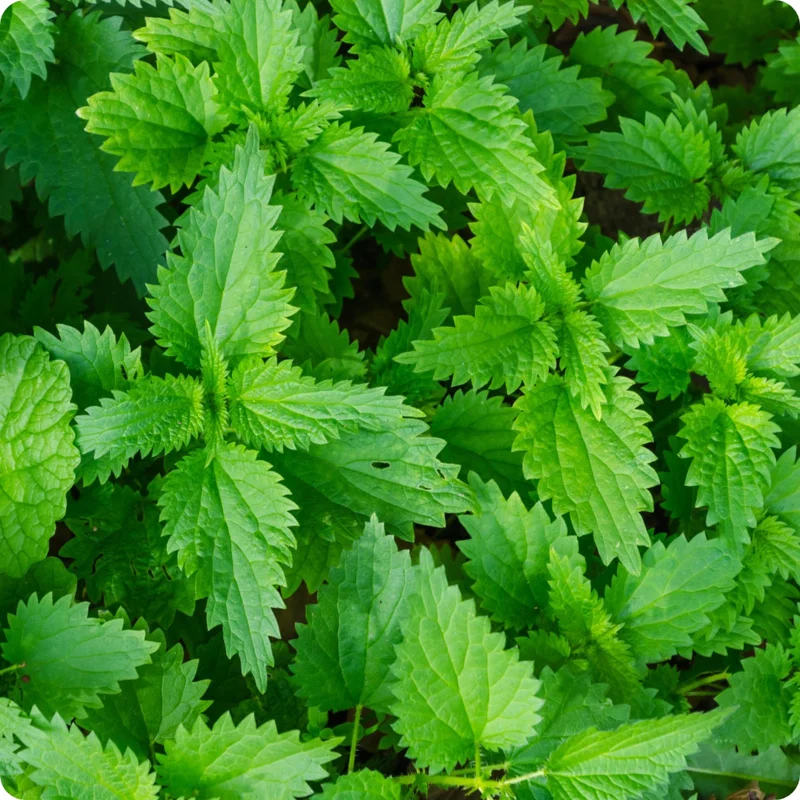
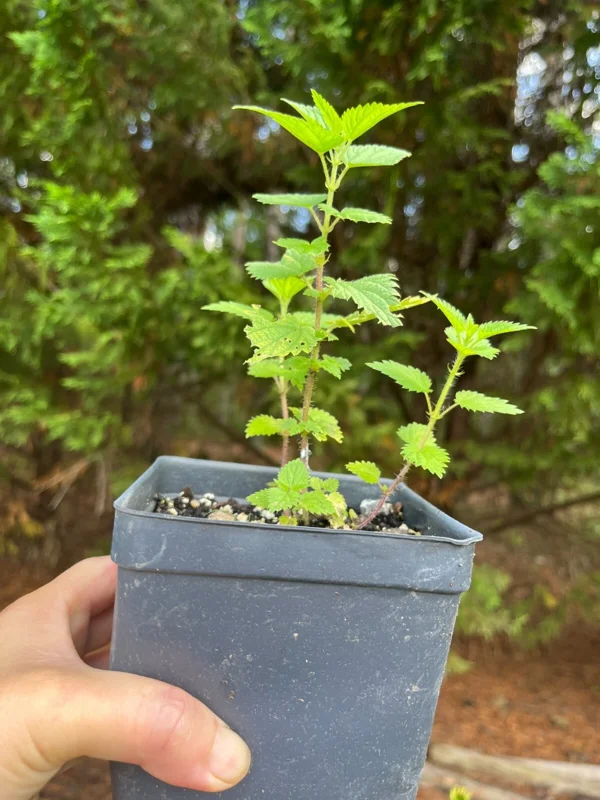
Original price was: $75.99.$43.99Current price is: $43.99.
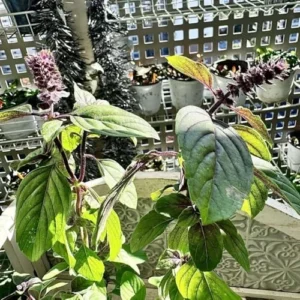
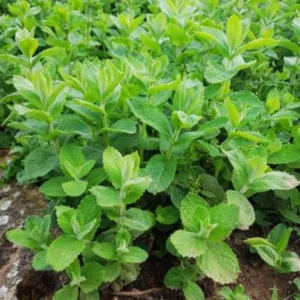
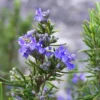
Enhance your garden or indoor space with a vibrant stinging nettle live plant. This organic stinging nettle herb is delivered in a 3-4 inch pot, ready for transplanting. Known for its culinary versatility and attractive flowers, it’s also a fantastic pollinator magnet and is safe for children and pets.
Feb 04
Feb 09 - Feb 11
Feb 14 - Feb 18
USDA Hardiness Zone
Soil Type
Sunlight Exposure
Expected Planting Period
Shipping and return policies: Our Alive & Thrive Guarantee covers issues with your plants within the first 30 days. Get in touch with us via email, and our team will review your concerns and, if necessary, provide you with a one-time replacement at no cost.
If you're unsure about your hardiness zone, feel free to reach out to us. Our team will answer your questions and help you find the plants that are truly suitable for your environment, climate, and personal preferences.
Introduce a truly unique and beneficial addition to your garden or indoor herb collection with our premium stinging nettle live plant. This robust and organically grown herb is not only a culinary delight but also a valuable asset for a thriving ecosystem. Known scientifically as Urtica dioica, stinging nettle is a versatile perennial herb cherished for its edible leaves, which can be enjoyed cooked, and its ability to attract beneficial pollinators to your outdoor space. Each stinging nettle live plant arrives healthy and ready to flourish, making it an excellent choice for both novice and experienced gardeners looking to expand their green footprint with a plant that offers both beauty and utility.
Our organic stinging nettle is carefully cultivated to ensure the highest quality and vitality, providing you with a plant that is ready to be transplanted into a larger pot or directly into your garden. Beyond its practical uses, this plant adds a touch of natural beauty with its distinctive foliage and subtle flowers, making it a conversation starter and a functional plant all in one. Discover the joy of growing your own herbs and contributing to local biodiversity with this exceptional plant.
Integrating a stinging nettle live plant into your home or garden offers a multitude of advantages, enriching your environment and providing practical uses. Here are some of the standout benefits:
Caring for your stinging nettle live plant is straightforward, making it an excellent choice for gardeners seeking a rewarding experience with minimal fuss. Stinging nettle thrives in full sun to partial shade, meaning it prefers at least 4-6 hours of direct sunlight daily but can tolerate some afternoon shade, especially in hotter climates. When planting outdoors, choose a location with good air circulation. For indoor cultivation, place your plant near a south or west-facing window where it can receive ample light.
Regarding watering, the organic stinging nettle prefers consistently moist, but not waterlogged, soil. Water thoroughly when the top inch of soil feels dry to the touch, and allow excess water to drain away. Overwatering can lead to root rot, so ensuring proper drainage is crucial. Stinging nettle is not overly particular about soil but prefers well-drained, fertile soil rich in organic matter. A standard potting mix with some added compost works well for container plants, while garden beds can be amended with compost to improve fertility and drainage. The plant is quite hardy and can tolerate USDA zones generally from 3-9, though specific hardiness can vary.
Fertilization is typically not heavily required for stinging nettle, especially if planted in rich soil. However, a balanced organic liquid fertilizer can be applied once a month during the active growing season (spring and summer) to encourage lush growth. Pruning can help maintain the plant’s shape and encourage new leaf production, which is ideal if you’re growing it as an edible nettle plant. Watch out for common garden pests, though stinging nettle is generally quite resistant. Regular inspection and natural pest control methods can keep your plant healthy. Understanding stinging nettle care ensures a thriving and productive plant.
Each stinging nettle live plant is carefully cultivated and shipped in a 3-4 inch nursery pot, providing a well-established root system ready for successful transplanting. This size is ideal for ensuring the plant handles transit well and is robust enough to adapt quickly to its new environment, whether that’s a larger container or directly into your garden bed. While the initial size in the pot is compact, stinging nettle is a vigorous grower and can reach heights of 2-4 feet tall and spread up to 1-2 feet wide when mature, depending on growing conditions and climate. It exhibits a moderate to fast growth rate, quickly filling out its space. Expect your plant to establish itself and begin producing harvestable leaves within a few weeks of transplanting, offering a continuous supply throughout its growing season. The plant typically blooms with small, greenish-white flowers from late spring to late summer, contributing to its role as a pollinator friendly plant.
You must be logged in to post a review.
Sold 76 products
Original price was: $55.54.$27.77Current price is: $27.77.
Sold 90 products
Original price was: $89.82.$44.91Current price is: $44.91.
Sold 94 products
Original price was: $43.98.$21.99Current price is: $21.99.
Sold 73 products
Original price was: $31.98.$15.99Current price is: $15.99.
Sold 80 products
Original price was: $39.94.$19.97Current price is: $19.97.
Sold 73 products
Original price was: $45.98.$22.99Current price is: $22.99.
Sold 93 products
Original price was: $59.78.$29.89Current price is: $29.89.
Sold 65 products
Original price was: $57.98.$28.99Current price is: $28.99.
Reviews
There are no reviews yet.