NEED SUPPORT WITH YOUR ORDER? Get in touch
Not satisfied with your purchase?
Enter your Order ID on website, and we'll resolve it right away.
Original price was: $31.99.$16.99Current price is: $16.99.
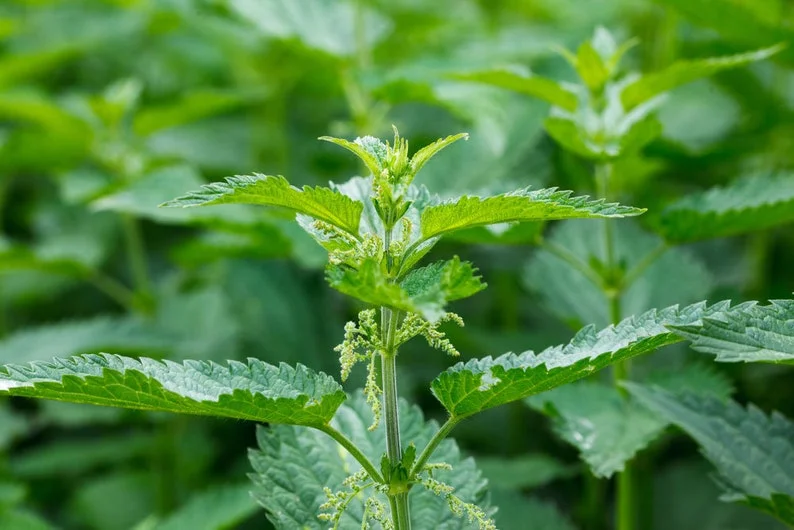
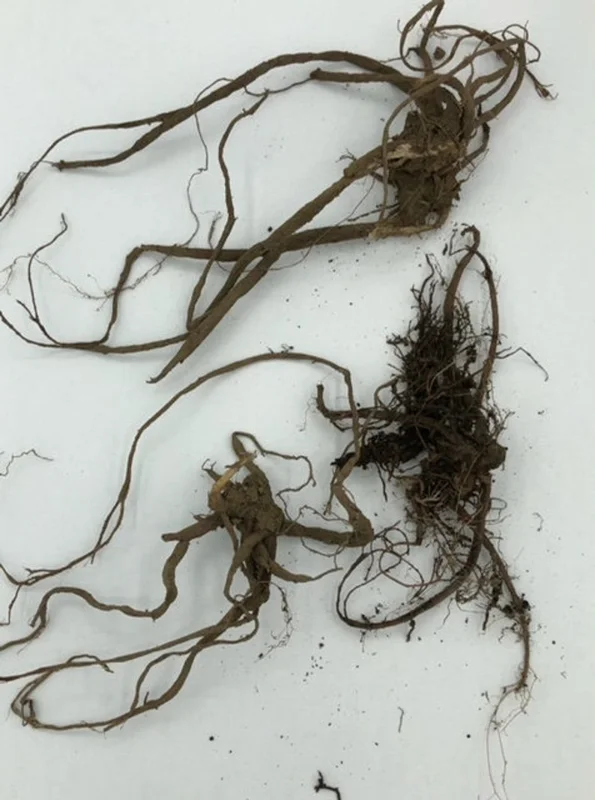
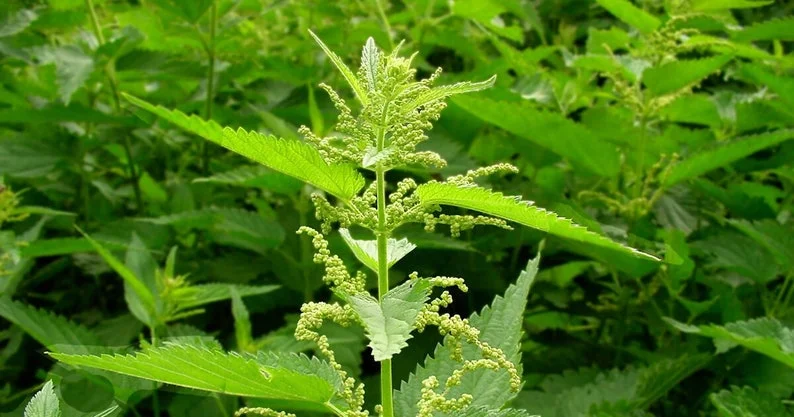
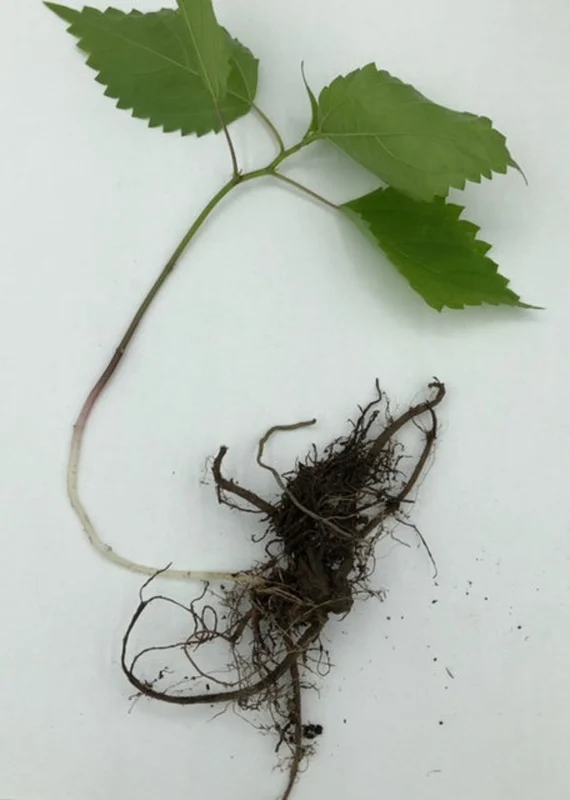
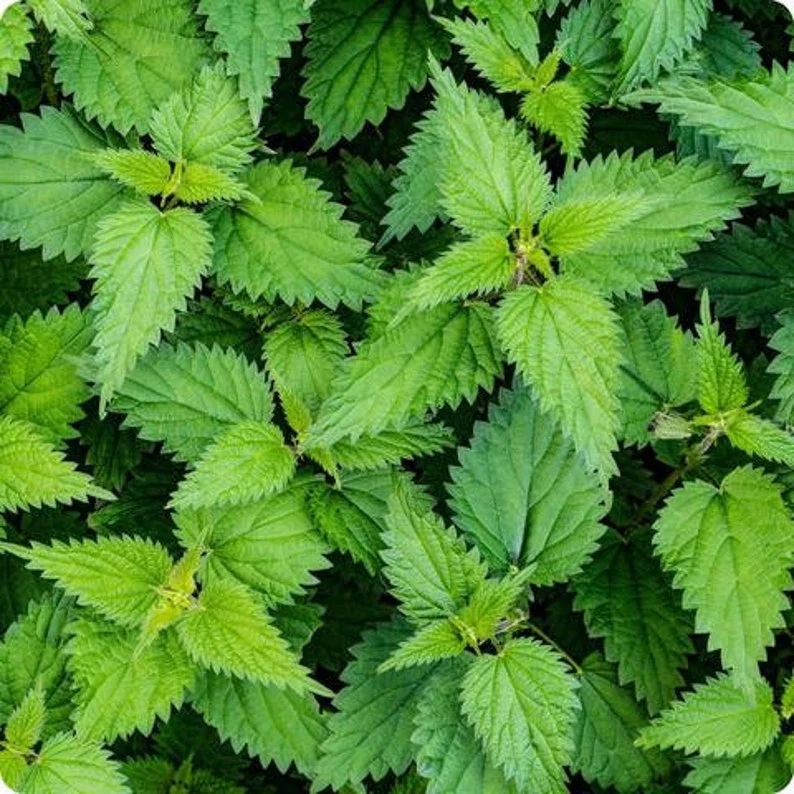
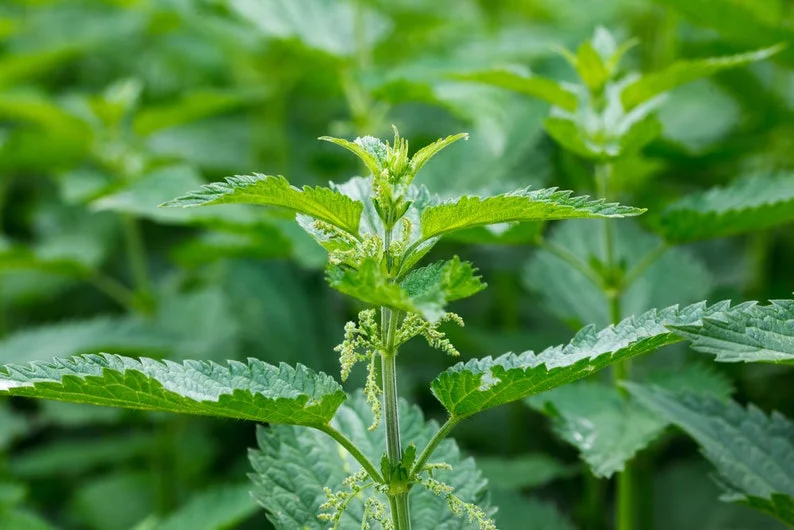
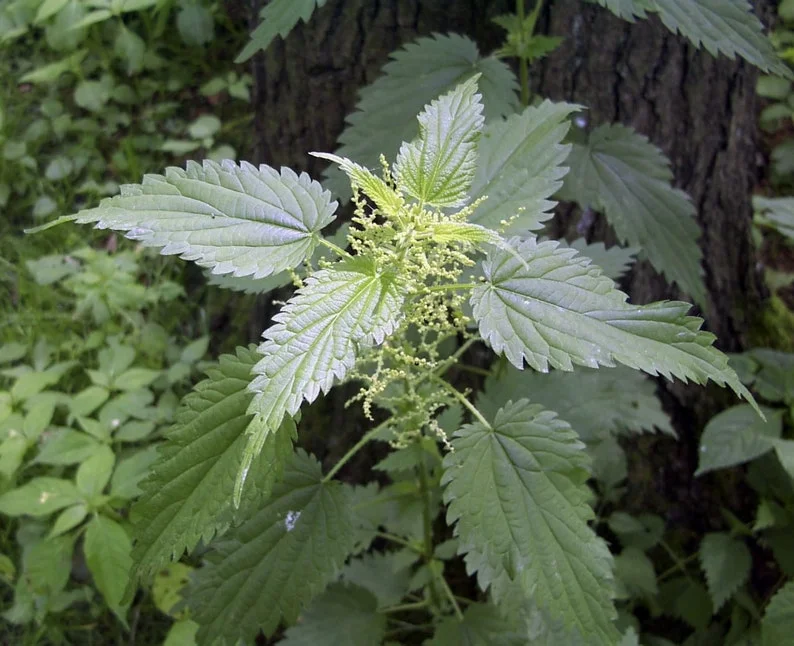
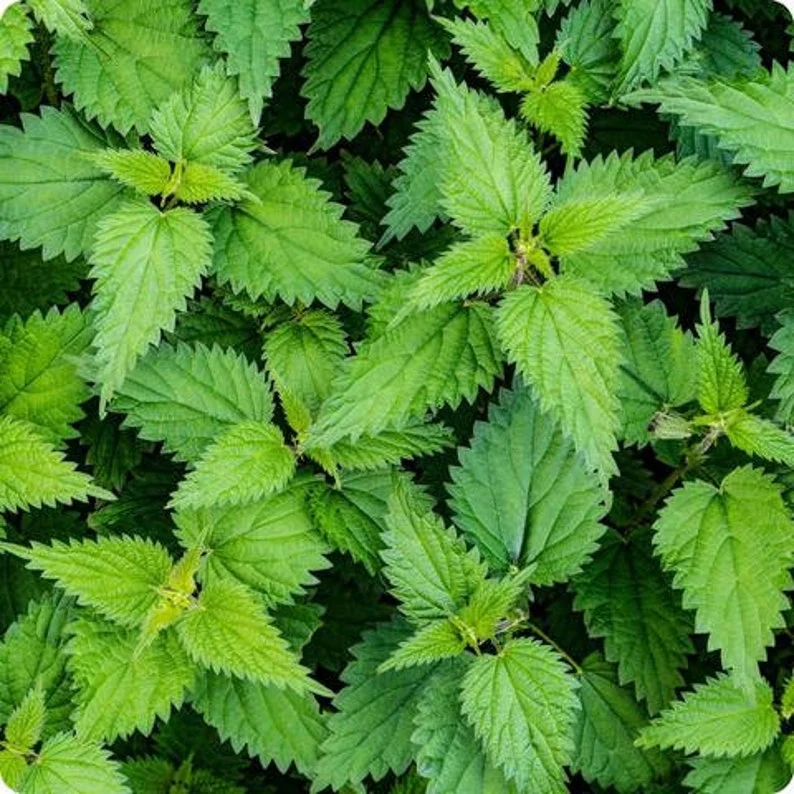
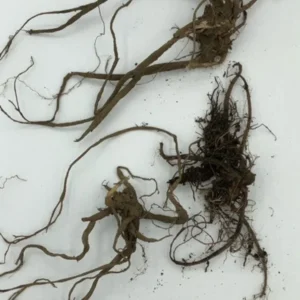
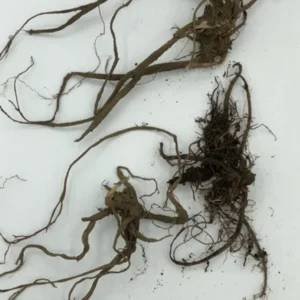
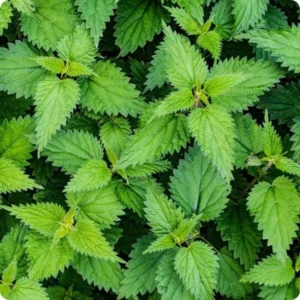
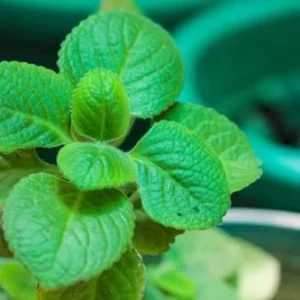
Cultivate your own beneficial stinging nettle plant with this pack of 3 organic bare roots. Ideal for adding a versatile herb to your garden, known for its culinary, medicinal, and ecological benefits. Easy to grow with proper care instructions included.
Mar 03
Mar 08 - Mar 10
Mar 13 - Mar 17
USDA Hardiness Zone
Soil Type
Sunlight Exposure
Expected Planting Period
Shipping and return policies: Our Alive & Thrive Guarantee covers issues with your plants within the first 30 days. Get in touch with us via email, and our team will review your concerns and, if necessary, provide you with a one-time replacement at no cost.
If you're unsure about your hardiness zone, feel free to reach out to us. Our team will answer your questions and help you find the plants that are truly suitable for your environment, climate, and personal preferences.
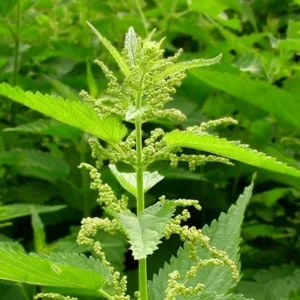
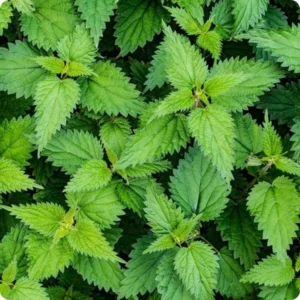
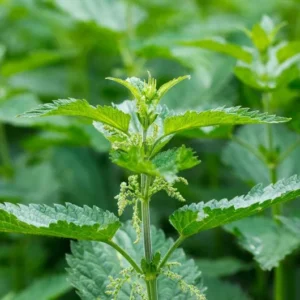
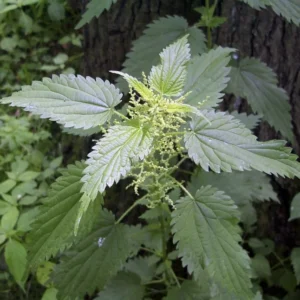
Welcome the versatile and beneficial stinging nettle plant (Urtica dioica) into your garden with this offering of three organically grown bare roots. This incredible plant, often recognized for its characteristic ‘sting’, is a powerhouse of nutrients and offers a multitude of uses, from culinary delights to traditional herbal remedies and ecological benefits. Our urtica dioica bare roots provide a convenient and effective way to establish a thriving patch of this remarkable herb in your own backyard. Each bare root is carefully harvested and prepared to ensure maximum freshness and viability upon arrival, giving you a strong start to cultivating a robust and productive stinging nettle plant.
Stinging nettle is a hardy perennial known for its rapid growth and adaptability, making it an excellent choice for both experienced gardeners and enthusiastic beginners. Growing your own organic nettle plant ensures you have access to the purest form of this herb, free from pesticides and harmful chemicals. Whether you’re looking to enhance your garden’s biodiversity, create nutrient-rich compost tea, or explore the vast potential of this plant, these bare roots are your perfect starting point for a successful and satisfying gardening experience.
The stinging nettle plant is renowned for its diverse benefits, making it a valuable addition to any garden or homestead. Beyond its unique growth habit, it provides significant advantages:
Cultivating a thriving stinging nettle plant from urtica dioica bare roots is a rewarding experience, requiring minimal but specific care. Understanding its needs will ensure a robust and productive patch. Nettle generally prefers a location with partial to full sun, aiming for at least 4 hours of direct sunlight daily for vigorous growth. While it tolerates some shade, ample sunlight will lead to stronger plants and a more abundant harvest. When planting your organic nettle plant, consider its potential to spread; some gardeners prefer to plant it in a contained area or a large pot to manage its growth. The ideal time to plant these bare roots is in early spring or late fall when the weather is cool and moist, providing the best conditions for establishment.
Stinging nettle thrives in moist, well-drained soil that is rich in nitrogen. Amending your garden bed with compost or well-rotted manure before planting is highly beneficial for optimal growth. Once established, nettle is quite drought-tolerant but will perform best with consistent moisture, especially during dry spells. Water deeply when the top inch of soil feels dry to the touch. Fertilization is generally not heavily required, particularly if planted in nutrient-rich soil. However, a balanced organic fertilizer or a compost tea application in early spring can further boost growth. The medicinal nettle uses are best realized when the plant is healthy and vibrant.
Regarding temperature, stinging nettle is hardy and can tolerate a wide range of climates, typically thriving in USDA Zones 3-10. It is a perennial, meaning it will return year after year. Harvesting young leaves regularly encourages new growth. Always wear gloves when handling nettle before it’s cooked or dried to avoid skin irritation from its stinging hairs. If you’re looking to grow stinging nettle for its many benefits, providing these basic conditions will lead to a successful harvest.
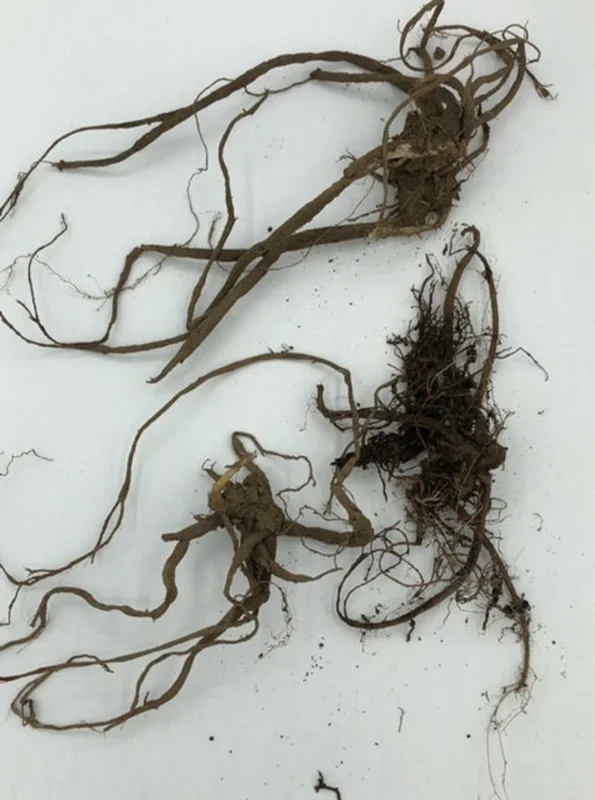
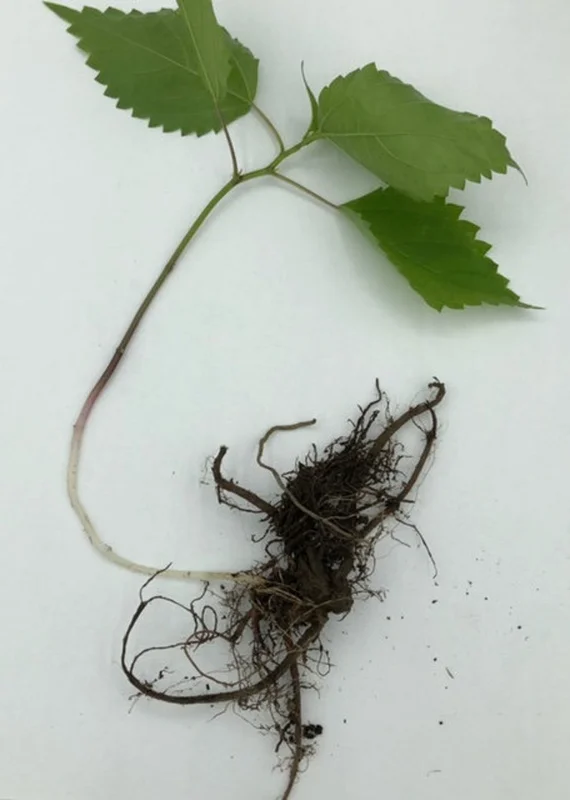
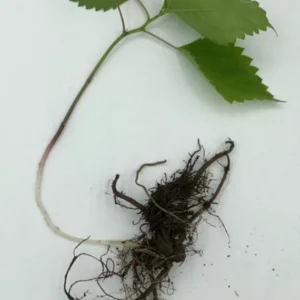
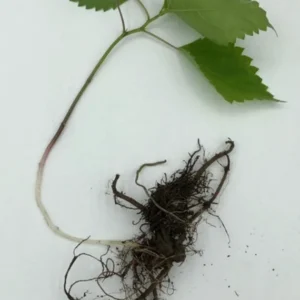
This product includes 3 organic bare roots of the stinging nettle plant (Urtica dioica). Bare roots are dormant plant material, essentially the root system and a small portion of the stem, without soil or foliage. This allows for easier shipping and successful transplanting directly into your garden. When mature, a stinging nettle plant can reach heights of 3 to 7 feet, depending on growing conditions, available nutrients, and climate. The plant typically spreads to form a dense patch over time, making it an excellent choice for a dedicated herb garden or naturalized area.
The bare roots are ready for immediate planting upon arrival, ideally in early spring or late fall. With proper care, you can expect to see new shoots emerge within a few weeks of planting. The leaves can be harvested once the plant has established itself and produced sufficient foliage, usually within the first growing season. You’ll soon be enjoying the many benefits of your own organic nettle plant, from culinary additions to herbal remedies, thanks to these vigorous urtica dioica bare roots.
You must be logged in to post a review.
Sold 65 products
Original price was: $57.98.$28.99Current price is: $28.99.
Sold 59 products
Original price was: $43.98.$21.99Current price is: $21.99.
Sold 50 products
Original price was: $13.70.$6.85Current price is: $6.85.
Sold 62 products
Original price was: $35.98.$17.99Current price is: $17.99.
Sold 81 products
Original price was: $87.98.$43.99Current price is: $43.99.
Sold 51 products
Original price was: $71.98.$35.99Current price is: $35.99.
Sold 70 products
Original price was: $47.98.$23.99Current price is: $23.99.
Sold 63 products
Original price was: $35.98.$17.99Current price is: $17.99.
Reviews
There are no reviews yet.