NEED SUPPORT WITH YOUR ORDER? Get in touch
Not satisfied with your purchase?
Enter your Order ID on website, and we'll resolve it right away.
Original price was: $38.99.$19.99Current price is: $19.99.
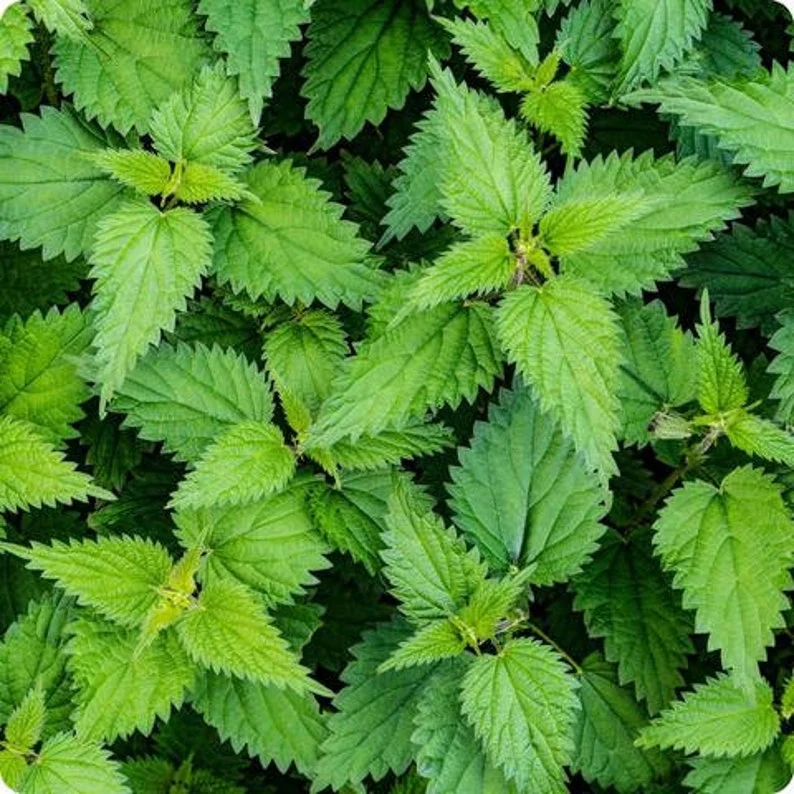
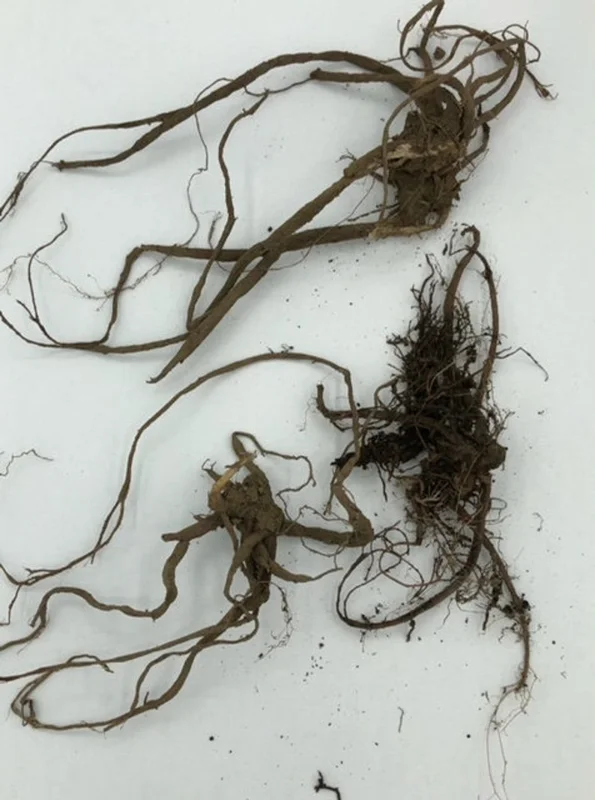
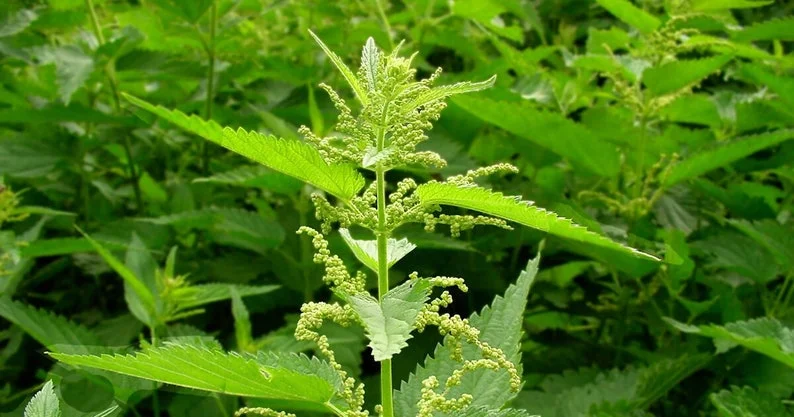
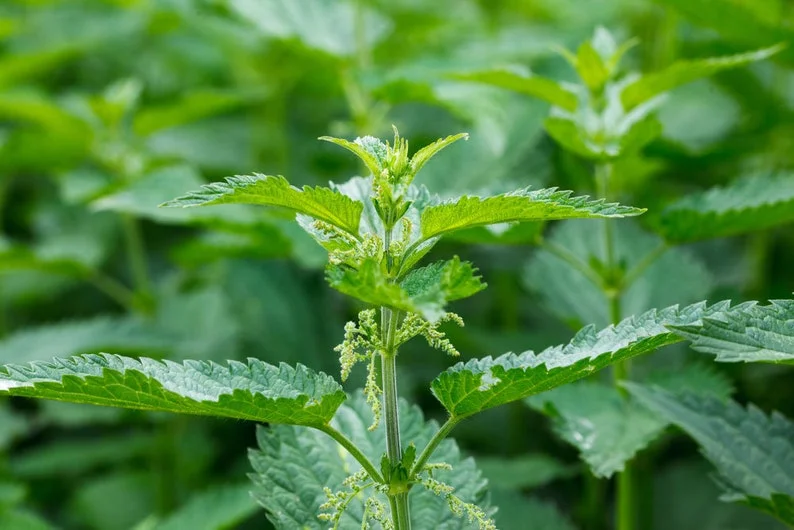
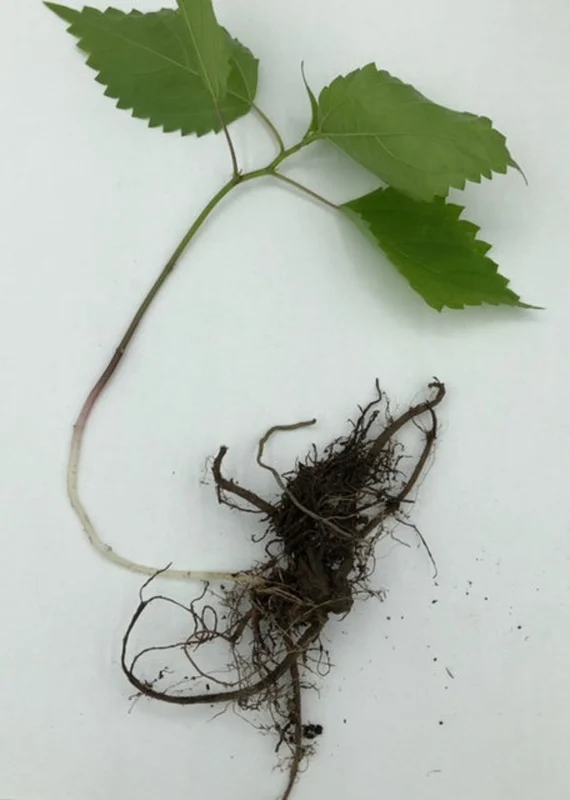
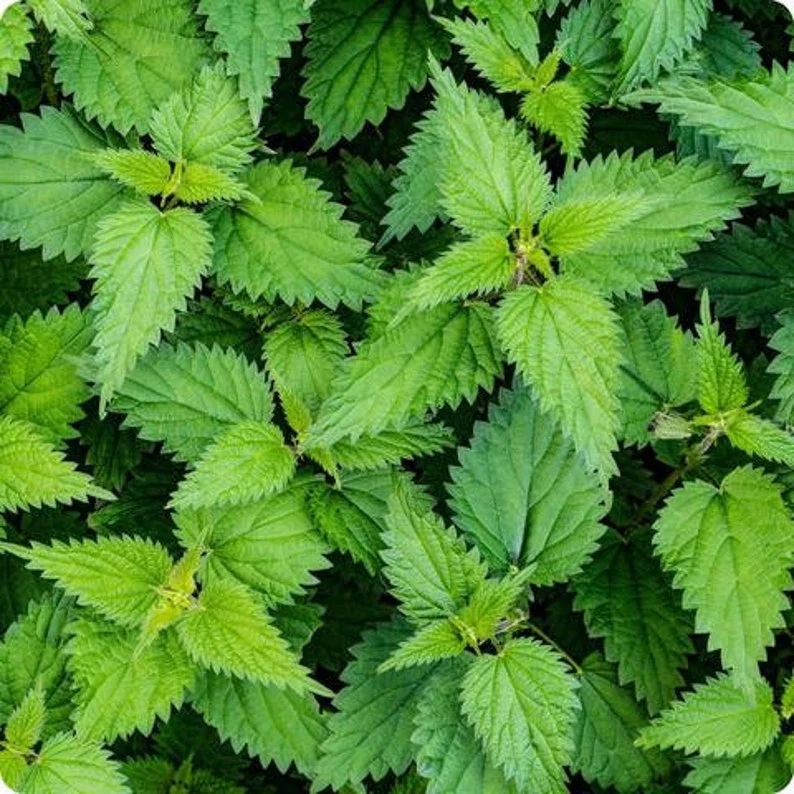
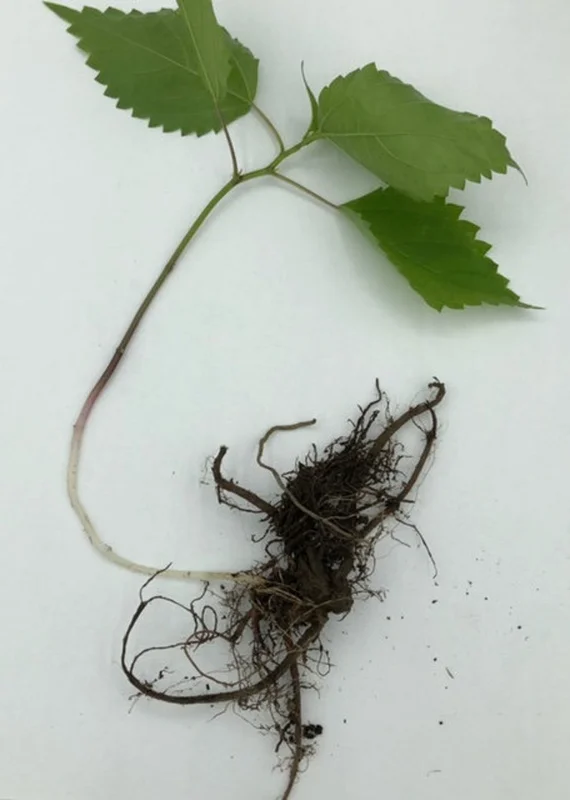
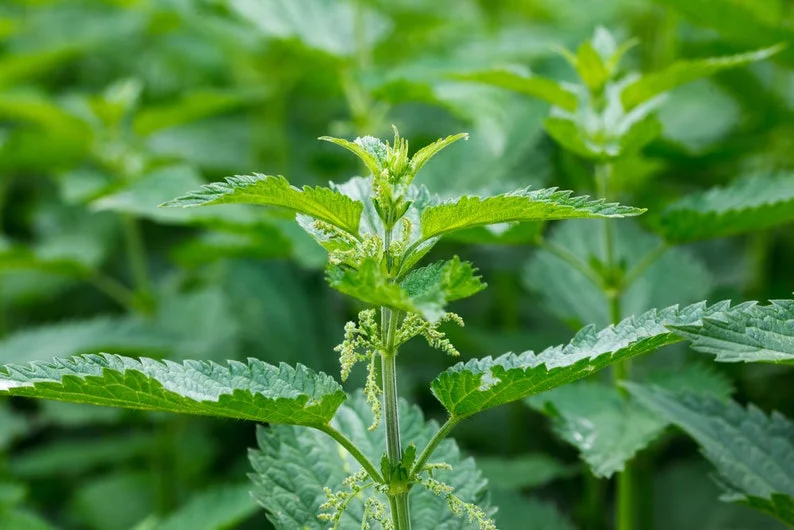
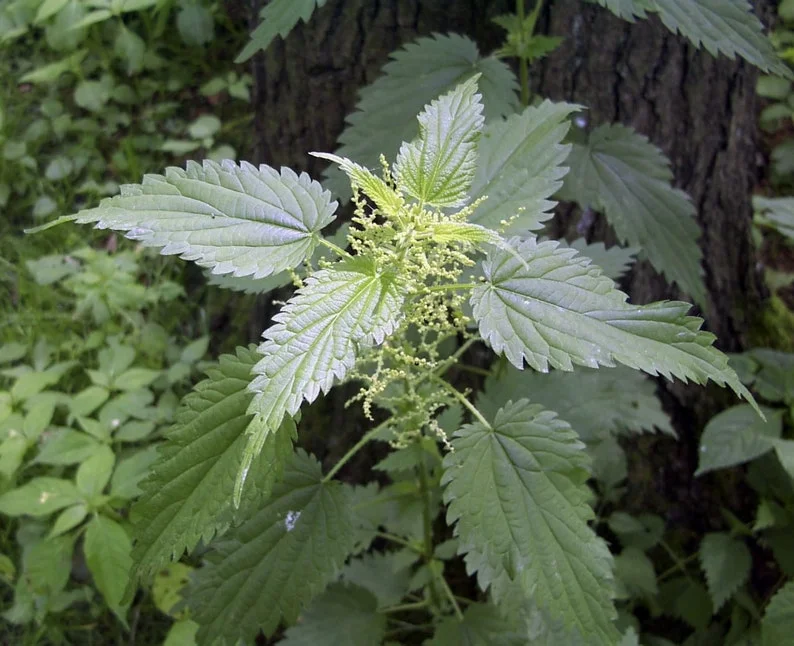
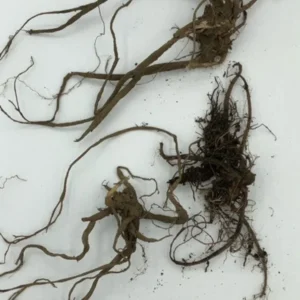
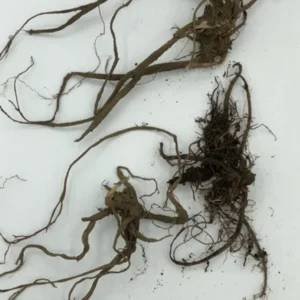
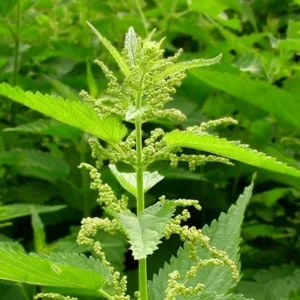
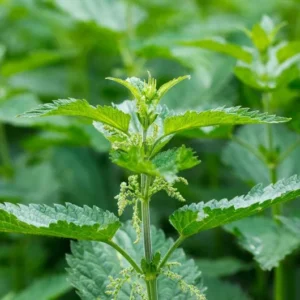
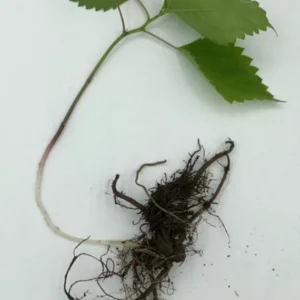
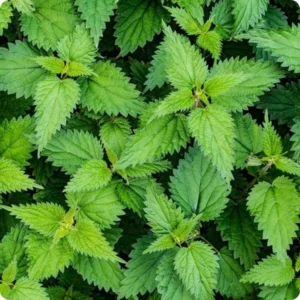
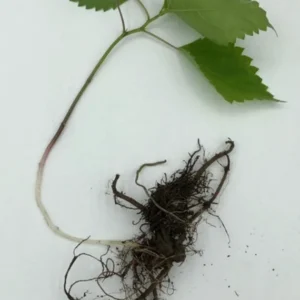
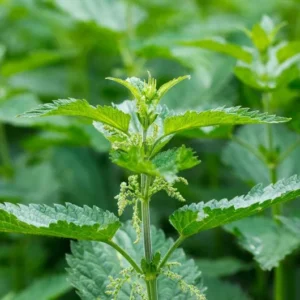
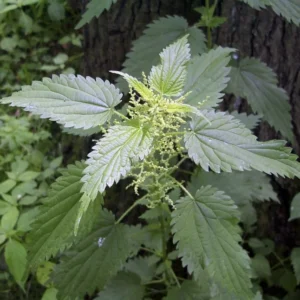
Cultivate your own beneficial stinging nettle bare roots with this offer of 5 organic Urtica dioica plant transplants. These fresh, organically grown roots are ideal for gardeners and herbalists, providing a robust start for your own nutrient-rich nettle supply.
Mar 03
Mar 08 - Mar 10
Mar 13 - Mar 17
USDA Hardiness Zone
Soil Type
Sunlight Exposure
Expected Planting Period
Shipping and return policies: Our Alive & Thrive Guarantee covers issues with your plants within the first 30 days. Get in touch with us via email, and our team will review your concerns and, if necessary, provide you with a one-time replacement at no cost.
If you're unsure about your hardiness zone, feel free to reach out to us. Our team will answer your questions and help you find the plants that are truly suitable for your environment, climate, and personal preferences.
Embark on a rewarding gardening journey with these high-quality stinging nettle bare roots. This offer provides 5 organically grown Urtica dioica transplants, ready to establish themselves in your garden. Nettle, renowned for its diverse applications and nutritional profile, is a fascinating herb to cultivate. These bare roots are carefully harvested to ensure freshness and viability upon arrival, giving you the best possible start for your new plants. Whether you’re an experienced herbalist or a curious gardener looking to explore the benefits of growing your own herbs, these Urtica dioica plant roots are an excellent choice for creating a thriving and useful addition to your outdoor space.
Growing your own organic nettle plant allows you to have a fresh, sustainable source of this versatile herb. Nettle plants are known for their resilience and ability to adapt to various garden settings, making them a popular choice for those looking to grow nettle at home. With proper care, these bare roots will quickly develop into strong, healthy plants, providing you with an abundance of leaves for culinary, herbal, or garden enhancement purposes.
Cultivating stinging nettle bare roots offers a multitude of advantages, transforming your garden into a source of both utility and natural beauty. These benefits extend from personal wellness to ecological improvements within your garden:
Successfully growing stinging nettle bare roots requires attention to a few key environmental factors. These plants are generally resilient, but providing optimal conditions will ensure robust growth and a bountiful harvest. For best results, plant your Urtica dioica plant bare roots in the early spring or late fall. This timing allows the roots to establish themselves before the extremes of summer heat or winter cold. Upon receiving your bare roots, it’s best to plant them as soon as possible to maintain their vitality.
Nettle thrives in well-drained, fertile soil with a slightly acidic to neutral pH, ideally between 6.0 and 7.0. Amending your garden soil with compost or other organic matter can significantly improve fertility and drainage. When it comes to sunlight, nettle prefers partial to full sun, requiring at least 4-6 hours of direct sunlight per day for optimal development. Ensure the planting location receives adequate light, but also offers some protection from intense afternoon sun in hotter climates. Keep the soil consistently moist, especially during dry periods and during the initial establishment phase of your organic nettle plant. However, avoid waterlogging, as this can lead to root rot. Regular watering will encourage strong growth and lush foliage.
Nettle plants can benefit from occasional fertilization, especially if your soil is poor. A balanced organic fertilizer applied in spring can support vigorous growth. Be mindful that nettle can spread readily, so consider planting it in an area where its growth can be contained, or in large containers. When harvesting, always wear gloves to protect yourself from the stinging hairs. You can harvest the young leaves regularly to encourage new growth and prevent the plant from going to seed too quickly. By following these guidelines, you’ll be well on your way to successfully cultivating and enjoying the many nettle plant benefits from your homegrown supply.
This offer includes 5 stinging nettle bare roots, specifically Urtica dioica transplants. These roots are carefully prepared and shipped fresh, ready for immediate planting upon arrival. Nettle plants typically grow to an impressive height of 4-6 feet tall once mature, depending on growing conditions and climate, providing a substantial yield for your needs. They establish themselves quickly and are known for their vigorous growth rate, making it easy to grow nettle at home. The bare root format allows for easy handling and planting, ensuring a strong start for your plants.
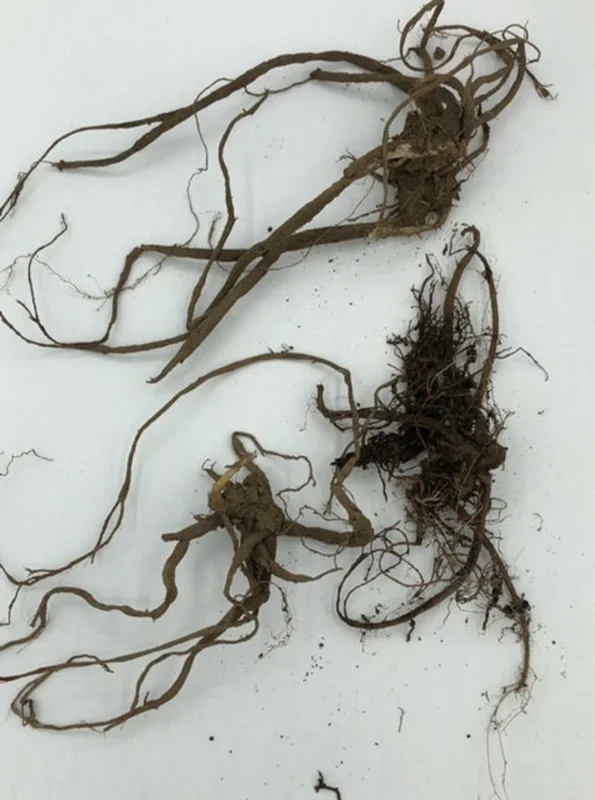
Each bare root is a living piece of the plant, without soil or foliage, designed to be planted directly into your garden. Upon planting, the roots will quickly develop new shoots and leaves. Nettle is a perennial herb, meaning it will return year after year from the established root system, offering a long-term supply of this valuable plant. Expected time to harvest young leaves is typically within a few weeks to a couple of months after successful establishment, depending on planting time and growing conditions. These robust bare roots are carefully selected to ensure their viability and potential for healthy growth.
You must be logged in to post a review.

Sold 88 products
Original price was: $31.98.$15.99Current price is: $15.99.
Sold 67 products
Original price was: $47.98.$23.99Current price is: $23.99.
Sold 87 products
Original price was: $51.98.$25.99Current price is: $25.99.
Sold 67 products
Original price was: $39.98.$19.99Current price is: $19.99.
Sold 88 products
Original price was: $13.70.$6.85Current price is: $6.85.
Sold 87 products
Original price was: $45.98.$22.99Current price is: $22.99.
Sold 68 products
Original price was: $35.98.$17.99Current price is: $17.99.
Sold 75 products
Original price was: $39.98.$19.99Current price is: $19.99.
Reviews
There are no reviews yet.