NEED SUPPORT WITH YOUR ORDER? Get in touch
Not satisfied with your purchase?
Enter your Order ID on website, and we'll resolve it right away.

Original price was: $52.99.$28.99Current price is: $28.99.
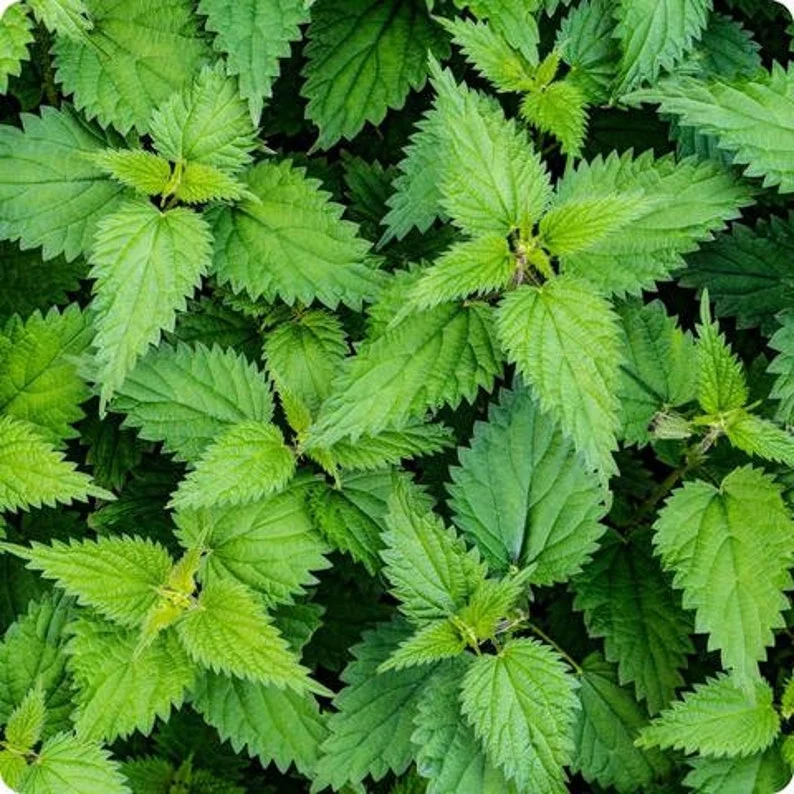
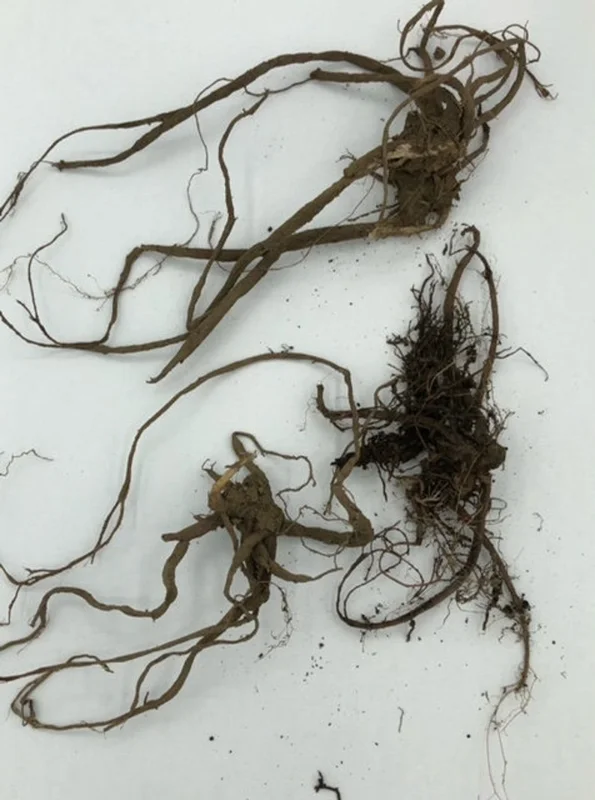
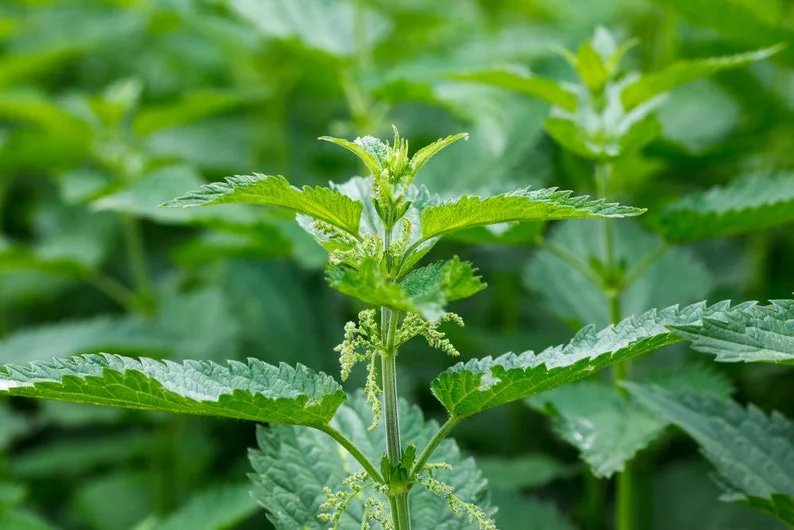
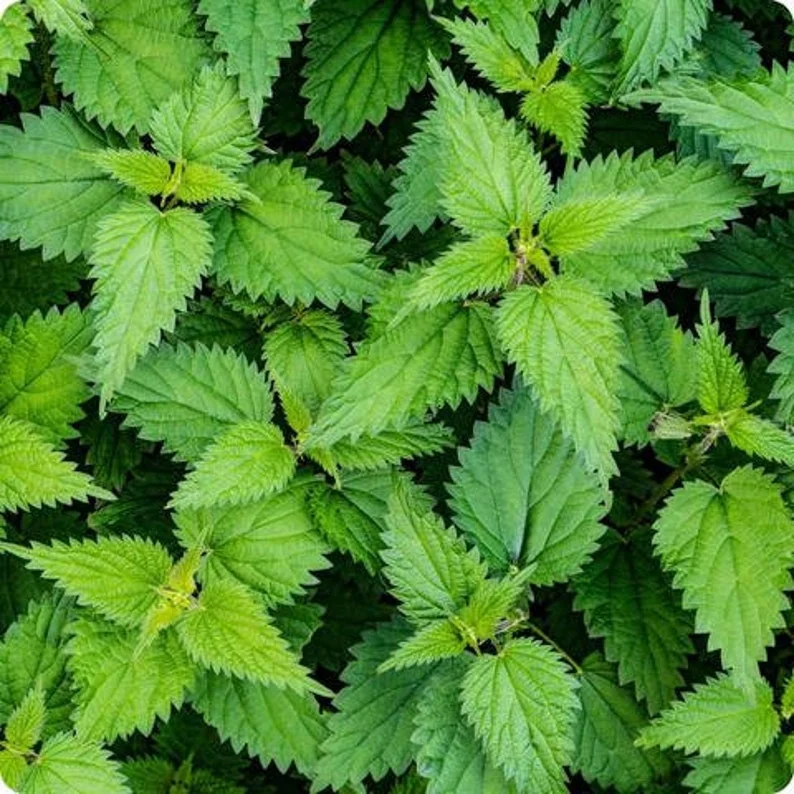
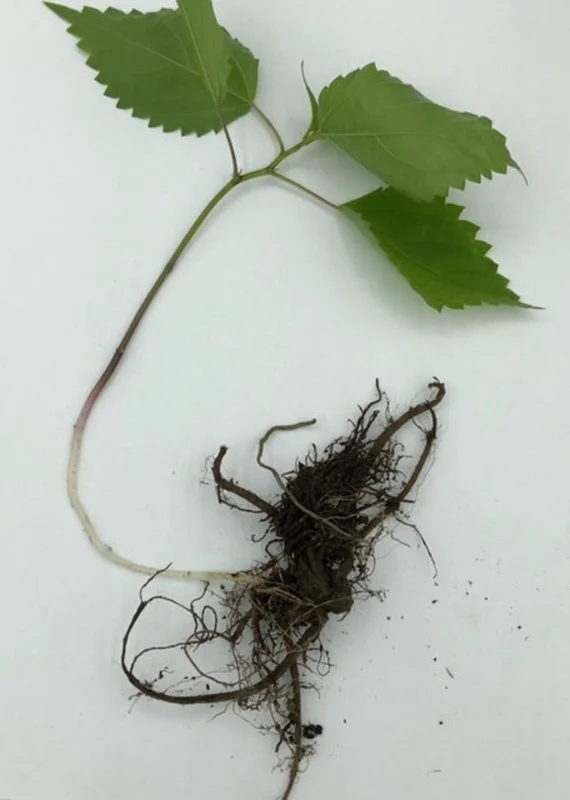
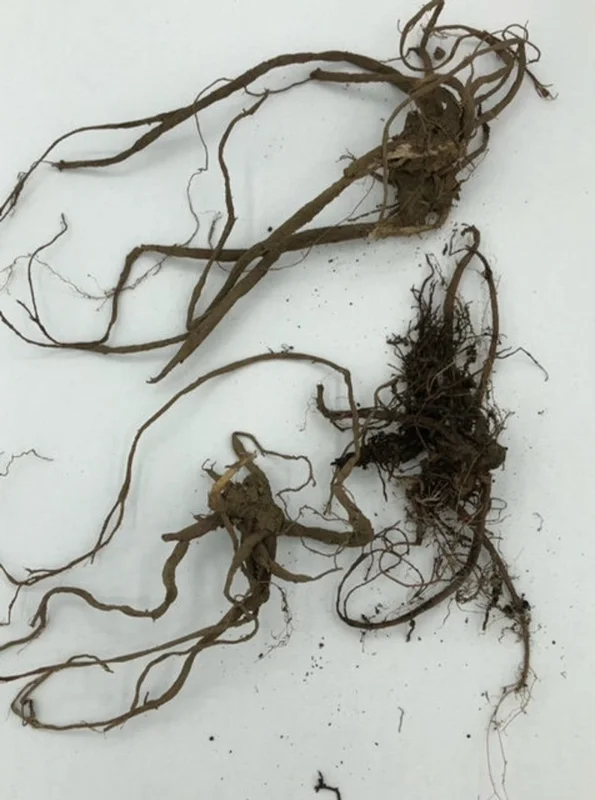
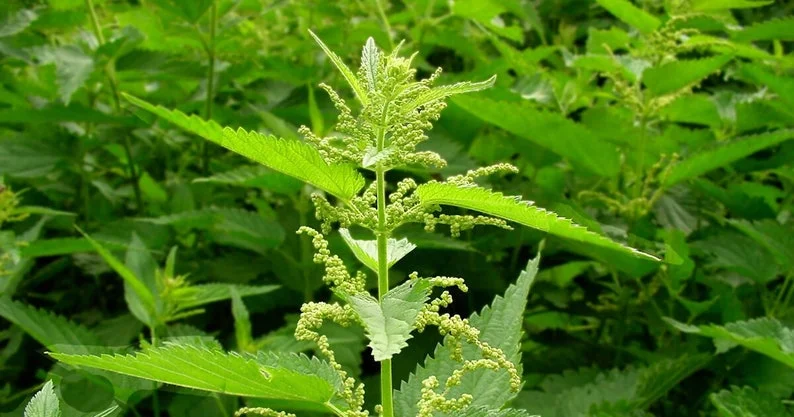
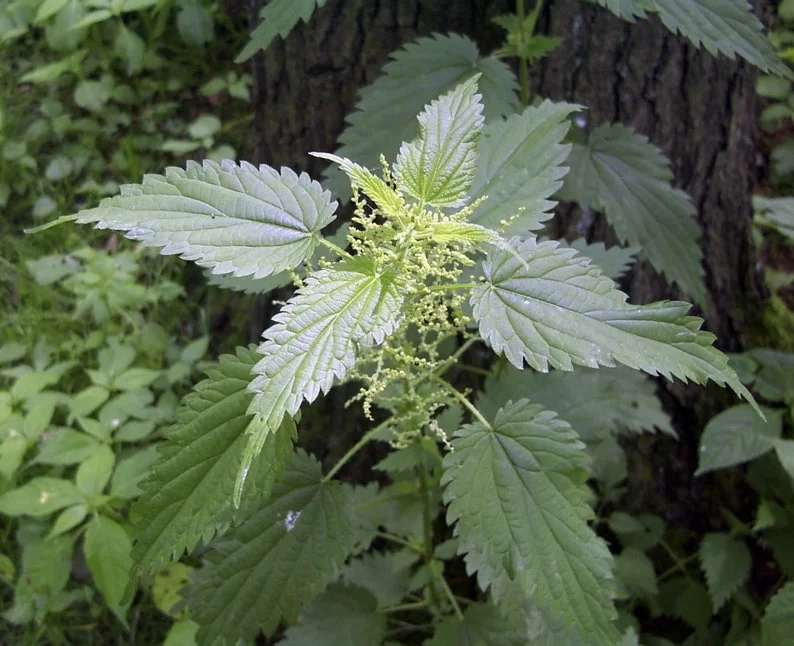
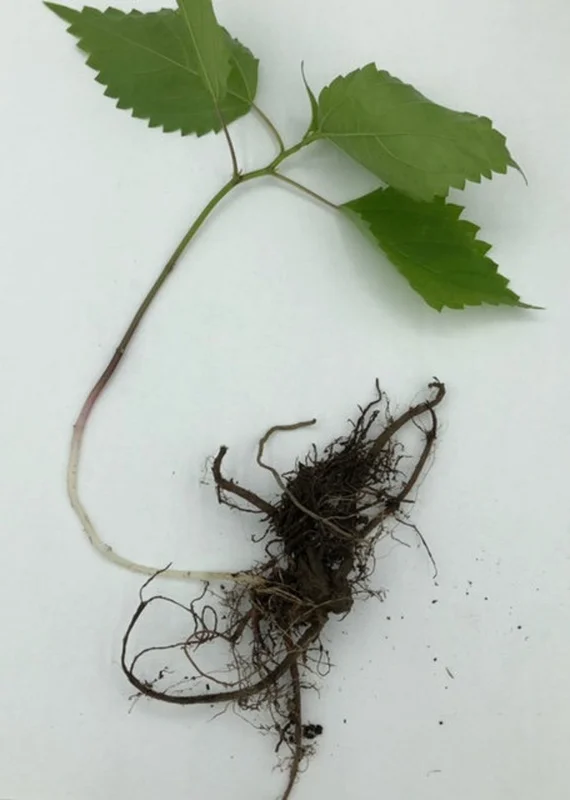
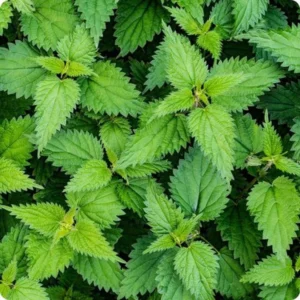
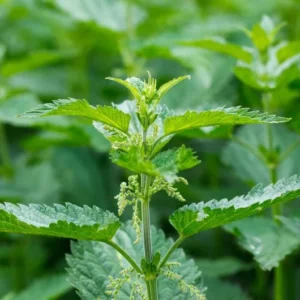
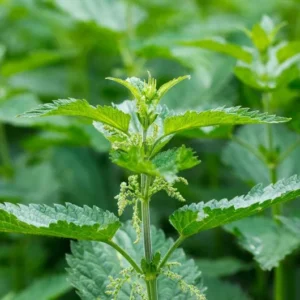
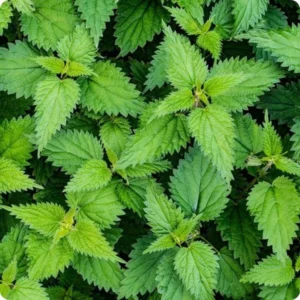
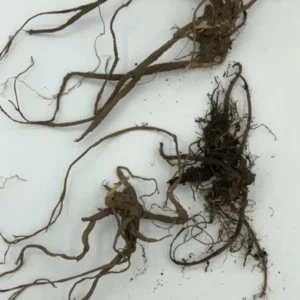
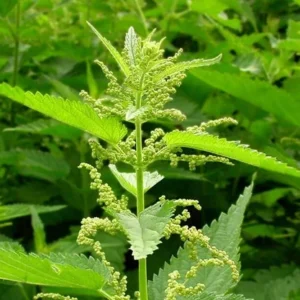
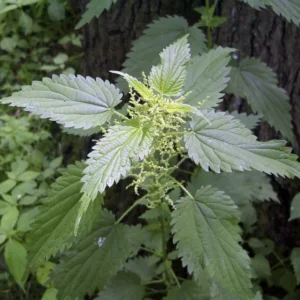
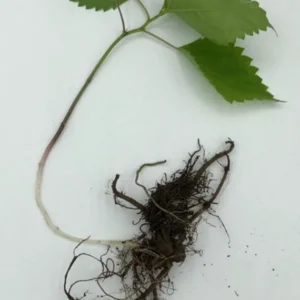
Cultivate your own organic supply of stinging nettle bare roots. This offering includes 10 robust Urtica dioica plants, perfect for establishing a thriving, nutrient-rich herb garden. Enjoy fresh nettle for teas, soups, and traditional remedies.
Mar 03
Mar 08 - Mar 10
Mar 13 - Mar 17
USDA Hardiness Zone
Soil Type
Sunlight Exposure
Expected Planting Period
Shipping and return policies: Our Alive & Thrive Guarantee covers issues with your plants within the first 30 days. Get in touch with us via email, and our team will review your concerns and, if necessary, provide you with a one-time replacement at no cost.
If you're unsure about your hardiness zone, feel free to reach out to us. Our team will answer your questions and help you find the plants that are truly suitable for your environment, climate, and personal preferences.
Embark on your gardening journey with our premium selection of stinging nettle bare roots, scientifically known as Urtica dioica. These 10 meticulously grown bare roots are ideal for establishing a vibrant and productive nettle patch in your garden. Derived from organic cultivation methods, these plants promise peak health and vitality, ensuring a successful start for both novice and experienced gardeners. Stinging nettle bare roots are renowned for their incredible versatility and rich nutritional profile, making them a highly valued addition to any edible landscape. Whether you’re interested in culinary applications, traditional herbal remedies, or simply enhancing your garden’s biodiversity, these robust plants provide a continuous supply of fresh, homegrown nettle for a multitude of uses.
Urtica dioica plants are a fascinating and beneficial herb, known for their distinctive stinging hairs that, once cooked or dried, become harmless and reveal a wealth of flavor and nutrients. Our organic approach ensures that you receive pure and healthy plants, free from synthetic chemicals, ready to flourish in your outdoor space. Grow your own organic nettle plants and discover the satisfaction of harvesting fresh, potent herbs directly from your garden.
Growing stinging nettle bare roots offers a plethora of advantages, transforming your garden into a source of health and culinary delight. These resilient plants are easy to establish and provide continuous harvests throughout the growing season.
To successfully establish and cultivate your stinging nettle bare roots, understanding their care requirements is key. Stinging nettle, or Urtica dioica plants, are relatively low-maintenance once established, but providing optimal conditions from the start will ensure vigorous growth and abundant harvests. They are hardy and adaptable, making them a rewarding plant for many garden types.
For best results, stinging nettle bare roots thrive in partial to full sunlight, requiring at least 4-6 hours of direct sun exposure daily. While they can tolerate some shade, ample sunlight promotes stronger growth and higher nutrient content. The ideal soil for these plants is moist, well-drained, and rich in organic matter. Amending your garden bed with compost or well-rotted manure before planting is highly recommended to provide the necessary nutrients and improve soil structure. Stinging nettle prefers a slightly acidic to neutral pH (6.0-7.0).
Watering should be consistent, especially during dry spells and in the initial establishment phase. Keep the soil evenly moist but avoid waterlogging, as this can lead to root rot. Once mature, organic nettle plants are quite drought-tolerant but will produce more tender leaves with regular moisture. Fertilization is generally not heavily required if the soil is rich in organic matter, but a balanced organic fertilizer can be applied in early spring to encourage lush growth. Stinging nettle is hardy in USDA zones 3-10. Protect young plants from extreme frost. When harvesting, wear gloves to avoid irritation from the stinging hairs. You can learn to grow stinging nettle with confidence using these guidelines.
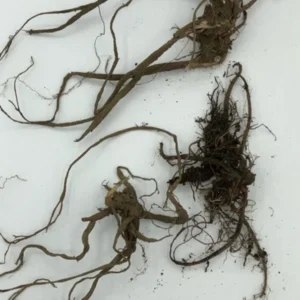
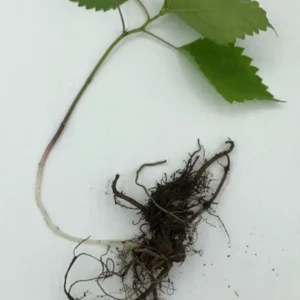
This offering includes 10 individual stinging nettle bare roots, ready for planting. Each bare root is carefully selected and prepared to ensure maximum viability upon arrival, allowing for quick establishment in your garden. Mature Urtica dioica plants typically reach heights of 2 to 4 feet, depending on local growing conditions, soil fertility, and available sunlight. The plants will spread over time, forming a dense patch, which is ideal for continuous harvesting. These bare roots are designed to establish quickly, providing abundant harvests for culinary and medicinal uses within their first growing season.
The plants are shipped in a dormant state, which is ideal for transplanting and reduces transplant shock. They are robust and prepared to thrive once planted. Expected growth rate is moderate to fast, allowing you to enjoy your own fresh organic nettle plants relatively quickly. With proper care, your nettle patch will provide fresh leaves for many years. This perennial herb will return year after year, offering a reliable supply of this valuable herb.
You must be logged in to post a review.
Sold 74 products
Original price was: $65.98.$32.99Current price is: $32.99.
Sold 91 products
Original price was: $53.98.$26.99Current price is: $26.99.
Sold 81 products
Original price was: $89.82.$44.91Current price is: $44.91.
Sold 63 products
Original price was: $31.98.$15.99Current price is: $15.99.
Sold 91 products
Original price was: $65.98.$32.99Current price is: $32.99.
Sold 71 products
Original price was: $67.98.$33.99Current price is: $33.99.
Sold 50 products
Original price was: $59.78.$29.89Current price is: $29.89.
Sold 70 products
Original price was: $59.40.$29.70Current price is: $29.70.
Reviews
There are no reviews yet.