NEED SUPPORT WITH YOUR ORDER? Get in touch
Not satisfied with your purchase?
Enter your Order ID on website, and we'll resolve it right away.

Original price was: $32.99.$17.99Current price is: $17.99.
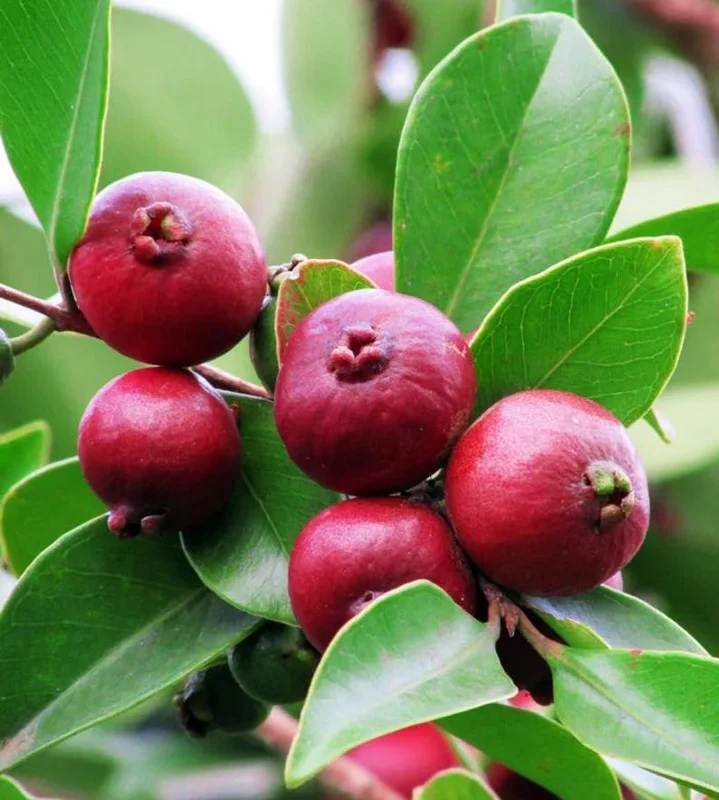
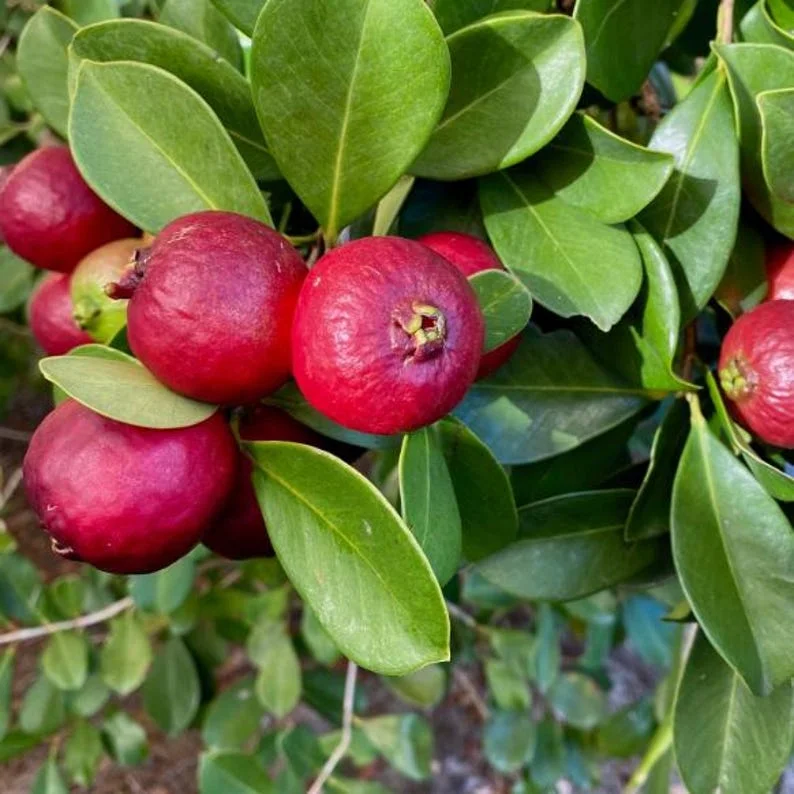
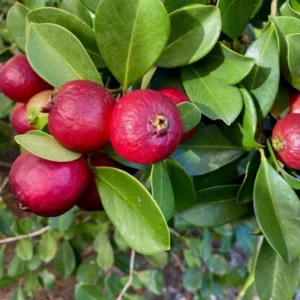
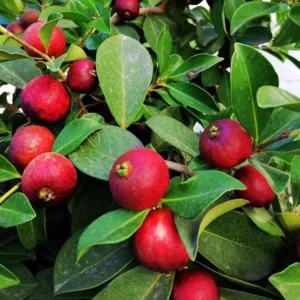
Bring an exotic touch to your garden with a strawberry guava tree. This tropical fruit plant, measuring 4 to 6 inches tall, produces delicious, sweet-tart fruits and features attractive foliage, perfect for outdoor growing.
Mar 04
Mar 09 - Mar 11
Mar 14 - Mar 18
USDA Hardiness Zone
Soil Type
Sunlight Exposure
Expected Planting Period
Shipping and return policies: Our Alive & Thrive Guarantee covers issues with your plants within the first 30 days. Get in touch with us via email, and our team will review your concerns and, if necessary, provide you with a one-time replacement at no cost.
If you're unsure about your hardiness zone, feel free to reach out to us. Our team will answer your questions and help you find the plants that are truly suitable for your environment, climate, and personal preferences.
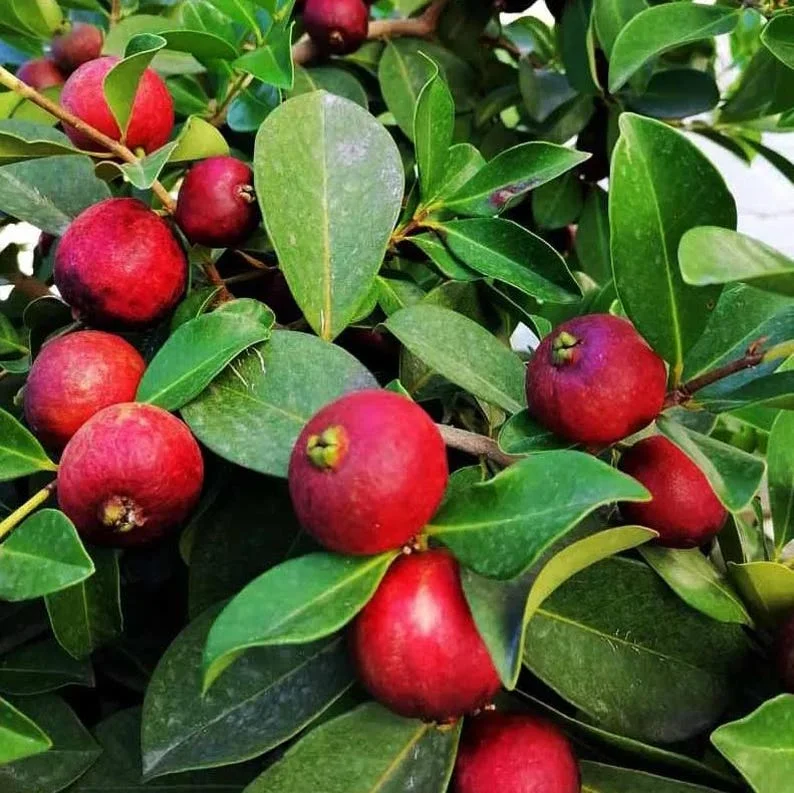
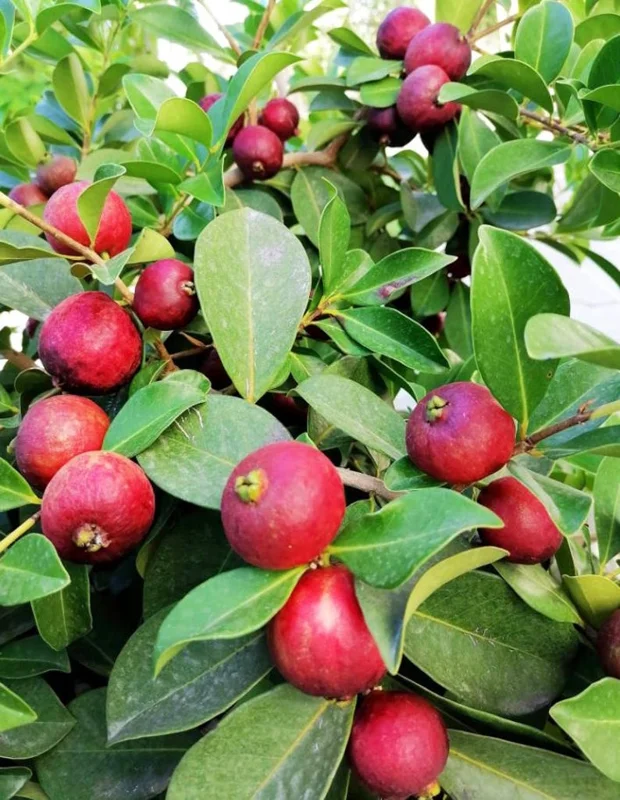
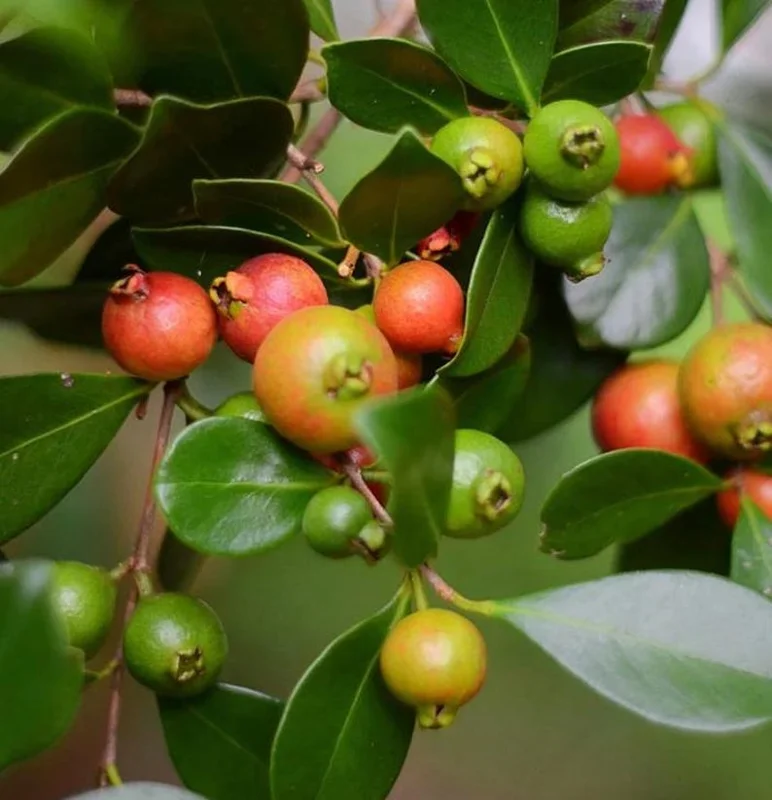
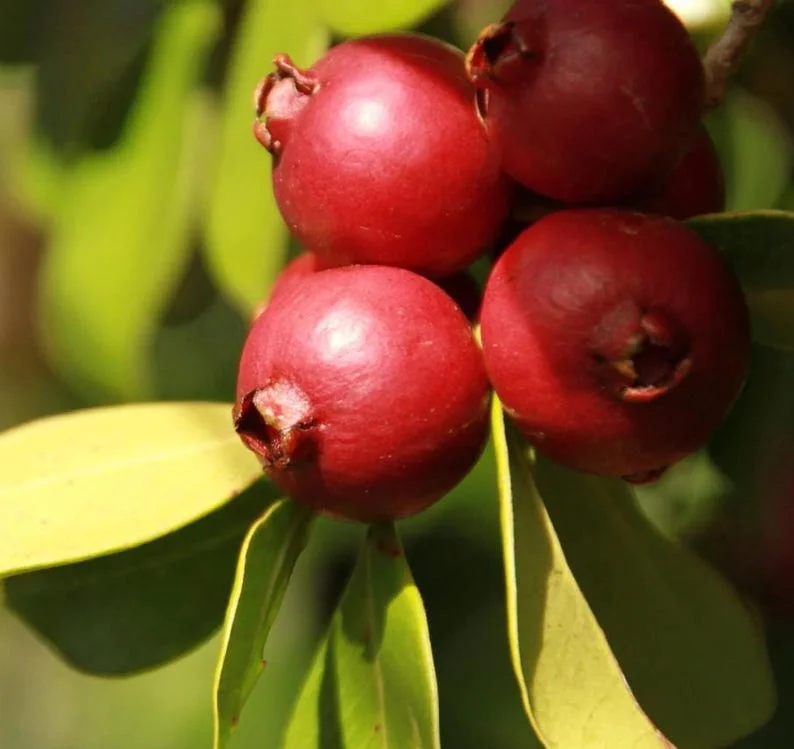
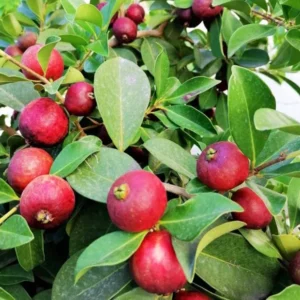
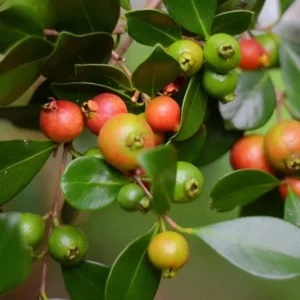
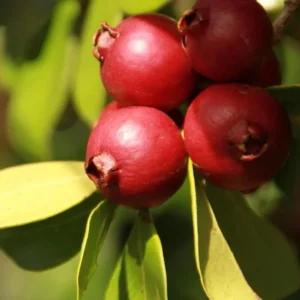
Cultivate your own delicious and exotic fruit with this strawberry guava tree. This live tropical fruit plant is a fantastic addition to any garden, offering both ornamental beauty and a bountiful harvest of unique, flavorful fruits. Known scientifically as Psidium cattleianum, the strawberry guava is an evergreen tree or shrub prized for its distinctive 1–2 inch wide fruits, which boast a delightful flavor profile combining the sweetness of exotic berries with the tanginess of traditional guava. Imagine harvesting your own fruits, featuring red or deep purple skin and creamy white pulp, right from your backyard. This tropical fruit plant not only provides a source of delightful treats but also adds a vibrant touch of the tropics to your home landscape. It’s a versatile plant that can thrive in various garden setups, bringing a slice of paradise to your outdoor space.
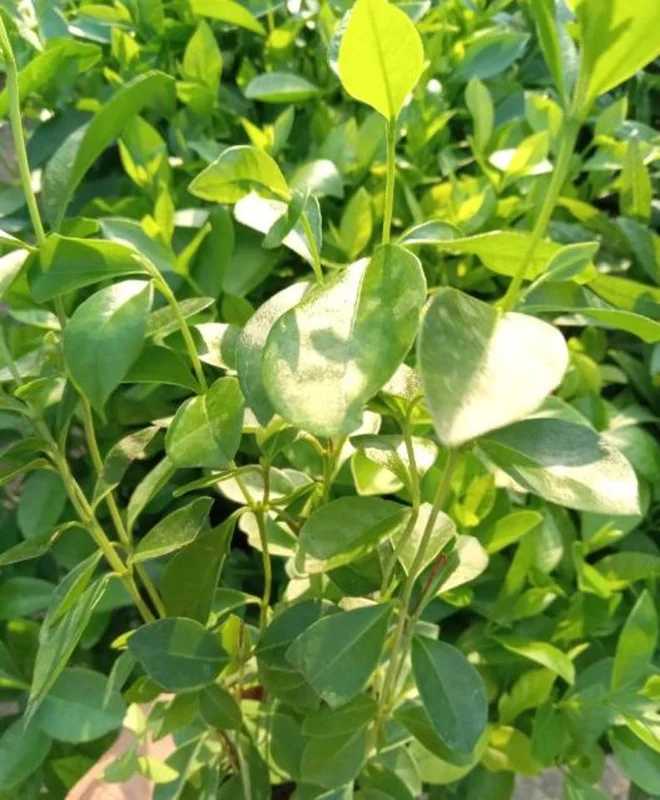
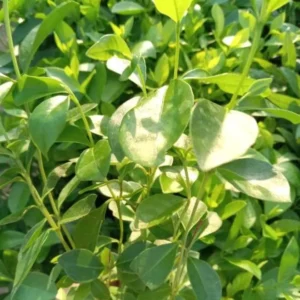
Whether you’re an experienced gardener or just starting, growing a strawberry guava tree can be a rewarding experience. Its lush, dark green leaves and small, showy white flowers enhance its aesthetic appeal, making it a beautiful focal point in any garden. With proper care, this resilient plant will provide years of enjoyment and fresh, homegrown fruit. It’s an excellent choice for those looking to expand their edible garden with something truly special and easy to manage.
Growing a strawberry guava tree offers a multitude of advantages, transforming your garden into a productive and visually appealing haven. This remarkable plant provides both culinary delights and aesthetic enhancements, making it a valuable investment for any plant enthusiast.
Ensuring your strawberry guava tree thrives requires providing optimal growing conditions and consistent care. These plants are relatively forgiving but respond best to specific environmental factors that encourage robust growth and fruit production. Understanding strawberry guava care is crucial for a healthy and productive plant.
These trees love full sun, so choose a location where they can soak up at least 6-8 hours of direct sunlight each day. Proper drainage is equally important; avoid areas where water tends to pool, as this can lead to root rot. Amending heavy clay soils with sand and perlite can significantly improve drainage, creating a healthy environment for your tree. The ideal soil pH for a strawberry guava tree is slightly acidic to neutral (5.0 to 7.0). If growing in a container, use a high-quality potting mix designed for fruit trees or tropical plants.
Watering your tropical fruit plant requires a balanced approach. Give the tree a deep soaking, then allow the top two inches of soil to dry out completely before watering again. Overwatering is a common mistake and can lead to root rot, so it’s crucial to let the soil dry slightly between waterings. During hotter seasons or periods of active growth, you may need to water more frequently, but always ensure the soil doesn’t become overly saturated. Potted guavas follow the same watering principles, making them versatile for various garden setups. Regular pruning and fertilizing are key to maintaining a healthy and productive fruit tree. Trim away any low growths near the base to encourage a stronger trunk. Prune crossing or dead branches to promote overall health and air circulation. Fertilize young trees every 1-2 months with a balanced formula, which provides the high levels of nitrogen, phosphoric acid, potash, and magnesium that guavas love. Established trees only need fertilizing 3-4 times a year. Potted guavas benefit from an organic, granular fertilizer every three months. The ideal temperature range for a strawberry guava tree is between 60-80°F (15-27°C) and it can tolerate brief dips to 25°F (-4°C) once established.
This offering is for a live strawberry guava tree, measuring approximately 4 to 6 inches tall from the base of the plant to the tip of its tallest leaf. It arrives as a young, actively growing plant, ready to be transplanted into your garden or a larger container. The plant is shipped in a nursery pot with established roots, ensuring a smooth transition to its new home. With optimal care, this tropical fruit plant can typically grow to a height of 10-20 feet in its natural habitat, but it can be easily maintained at a smaller, more manageable size through regular pruning, making it adaptable for various garden spaces, including patios or as a potted specimen. The growth rate is moderate, allowing you to enjoy its development over time. Expect to see the first fruits within 2-3 years, depending on growing conditions and specific care.
The fruit typically measures 1-2 inches in diameter, featuring red or deep purple skin and creamy white pulp, offering a delightful sensory experience. This strawberry guava plant is a long-lived species, providing many years of ornamental beauty and delicious harvests. Its compact size when young makes it easy to handle and establish, setting the stage for a thriving fruit-bearing tree.
You must be logged in to post a review.
Sold 84 products
Original price was: $48.98.$24.49Current price is: $24.49.
Sold 98 products
Original price was: $243.98.$121.99Current price is: $121.99.
Sold 83 products
Original price was: $371.98.$185.99Current price is: $185.99.
Sold 62 products
Original price was: $119.98.$59.99Current price is: $59.99.
Sold 93 products
Original price was: $243.98.$121.99Current price is: $121.99.
Sold 94 products
Original price was: $59.98.$29.99Current price is: $29.99.
Sold 72 products
Original price was: $259.96.$129.98Current price is: $129.98.
Sold 92 products
Original price was: $258.98.$129.49Current price is: $129.49.
Reviews
There are no reviews yet.