NEED SUPPORT WITH YOUR ORDER? Get in touch
Not satisfied with your purchase?
Enter your Order ID on website, and we'll resolve it right away.

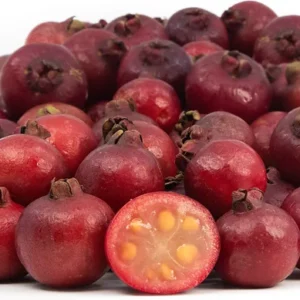
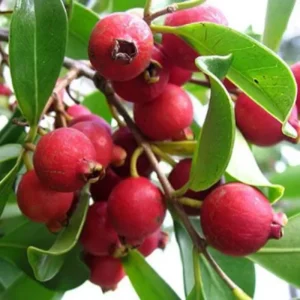
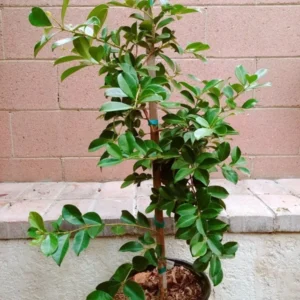
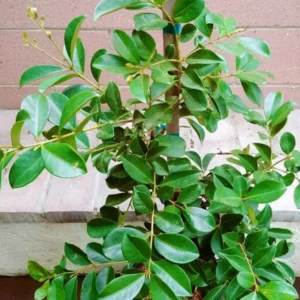
Original price was: $187.99.$147.99Current price is: $147.99.
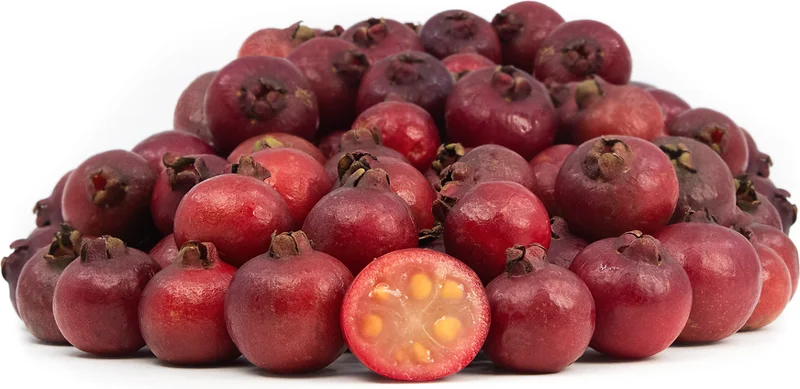
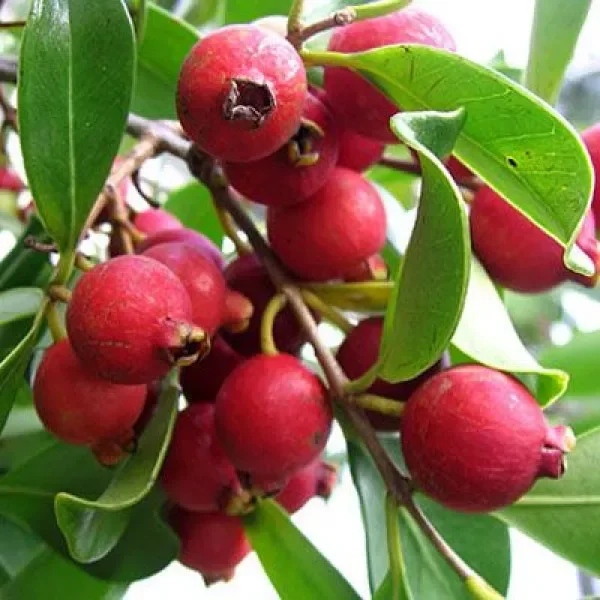
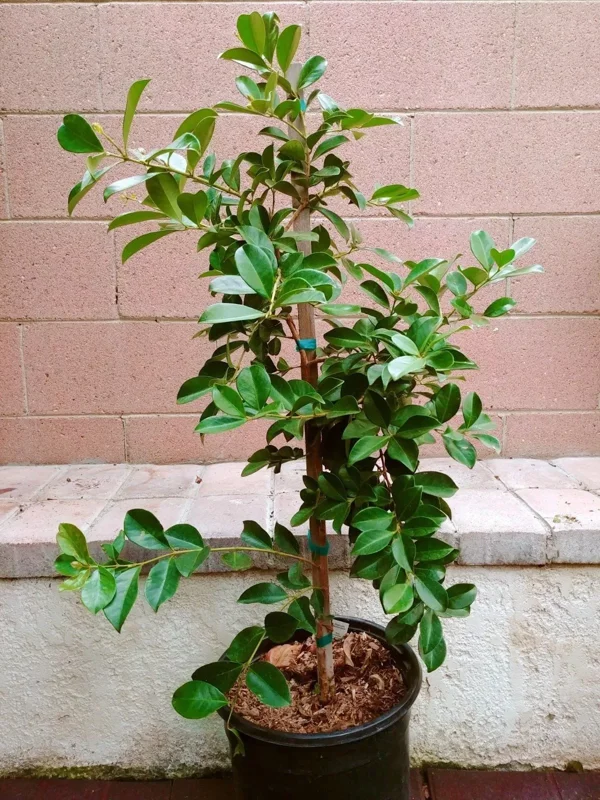
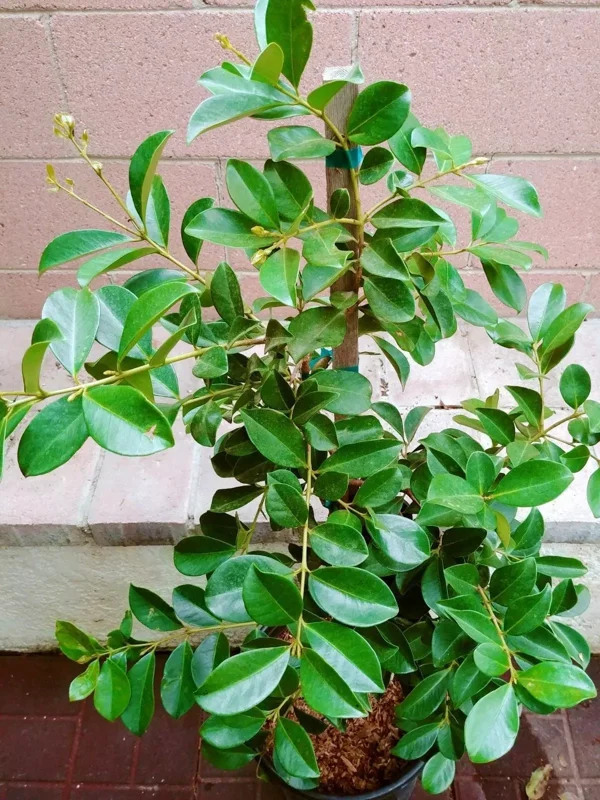
Add an exotic touch to your garden with a strawberry guava tree. This tropical fruit tree, standing 3 to 4 ft tall, offers delicious, aromatic fruit and attractive foliage, perfect for home orchards or container growing. Enjoy fresh, homegrown tropical delights.
Mar 03
Mar 08 - Mar 10
Mar 13 - Mar 17
USDA Hardiness Zone
Soil Type
Sunlight Exposure
Expected Planting Period
Shipping and return policies: Our Alive & Thrive Guarantee covers issues with your plants within the first 30 days. Get in touch with us via email, and our team will review your concerns and, if necessary, provide you with a one-time replacement at no cost.
If you're unsure about your hardiness zone, feel free to reach out to us. Our team will answer your questions and help you find the plants that are truly suitable for your environment, climate, and personal preferences.
Transform your outdoor space into a tropical paradise with the delightful strawberry guava tree. This live plant, specifically a Psidium littoralei, is renowned for its uniquely flavored fruit and beautiful, dense foliage. Originating from South America, the strawberry guava tree thrives in warm climates, offering a more attractive and flavorful alternative to common guava varieties. Standing at a substantial 3 to 4 feet tall, this tree is ready to establish quickly in your garden or a large container, promising a bountiful harvest of sweet, aromatic fruit. Whether you’re an experienced gardener or just starting, growing your own tropical fruit has never been easier or more rewarding.
Known also as Cattley guava or purple guava, the Psidium littoralei is a robust and resilient plant that brings both ornamental beauty and culinary versatility. Its manageable size makes it an excellent choice for various garden designs, and its ability to adapt to different conditions ensures a rewarding growing experience. Prepare to indulge in fresh, exotic flavors right from your backyard with this exceptional tropical fruit tree.
Cultivating a strawberry guava tree offers numerous advantages, enriching your garden and culinary experiences:
Caring for your strawberry guava tree is straightforward, ensuring a healthy plant and abundant fruit production. These trees thrive in full sun, requiring at least 6-8 hours of direct sunlight daily for optimal growth and fruiting. While they are adaptable, a location with good air circulation is beneficial. When it comes to watering, new trees will need consistent moisture to establish. Once mature, red fruit varieties are quite drought-tolerant, but regular watering, especially during dry spells and fruit development, will encourage better yields. If growing in poorer soil, more frequent watering may be necessary.
The strawberry guava tree is not overly particular about soil type, performing well in a range of conditions, including poor and limestone soils. However, well-draining soil is always preferred to prevent root rot. Amend heavy clay soils with organic matter to improve drainage. Fertilize your tree with a balanced, slow-release fertilizer designed for fruiting trees in spring and mid-summer to support vigorous growth and fruit production. Pruning is generally minimal, focused on removing dead or diseased branches and shaping the tree for desired size and form. This guava plant care is simple, making it a great choice for various gardeners.
This resilient plant can tolerate temperatures as low as 20 degrees Fahrenheit, making it suitable for USDA zones 9-11. In colder climates, it can be grown in a container and brought indoors during winter or treated as an annual. Pests and diseases are rarely an issue, contributing to its reputation as an easy-care option. By following these simple guidelines, your strawberry guava tree will flourish, providing you with delicious tropical fruit for years to come.
This offering is for a vibrant strawberry guava tree, a live plant specimen measuring 3 to 4 feet in height upon arrival. These trees are typically grown in nursery pots and are ready for immediate planting in your garden or a larger container. While our trees arrive at a manageable 3 to 4 ft, the Psidium littoralei typically grows to a mature height of 6 to 10 feet in ideal conditions, though it can reach taller heights. It has a moderate growth rate and will begin producing fruit within a few years of planting with proper care. The fruit often appears in both red and yellow varieties, adding visual appeal to your landscape as well as a delightful taste. This adaptable edible fruit tree can also be successfully grown in containers, making it an excellent choice for patios, balconies, or smaller garden spaces where you desire fresh, homegrown tropical fruit.
You must be logged in to post a review.
Fruits
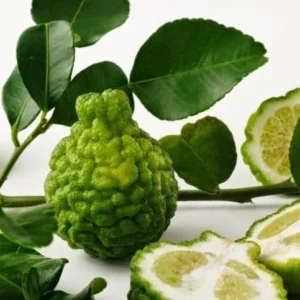
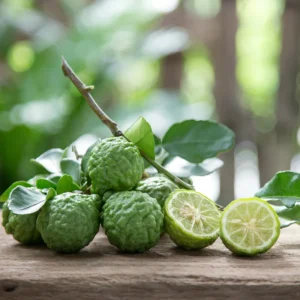
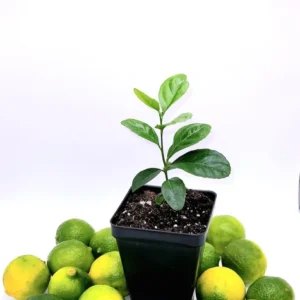
Kaffir Lime Starter Plug – Kaffir Lime Citrus Fruit Plants-Lemon Tree 2-3 Inch Live Plant Seedling
Sold 89 products
Original price was: $68.99.$47.99Current price is: $47.99.
Sold 77 products
Original price was: $78.99.$48.99Current price is: $48.99.
Sold 88 products
Original price was: $39.98.$19.99Current price is: $19.99.
Sold 86 products
Original price was: $57.98.$28.99Current price is: $28.99.
Sold 98 products
Original price was: $56.99.$44.90Current price is: $44.90.
Sold 77 products
Original price was: $99.99.$79.99Current price is: $79.99.
Sold 93 products
Original price was: $57.98.$28.99Current price is: $28.99.
Sold 85 products
Original price was: $68.99.$47.99Current price is: $47.99.
Reviews
There are no reviews yet.