NEED SUPPORT WITH YOUR ORDER? Get in touch
Not satisfied with your purchase?
Enter your Order ID on website, and we'll resolve it right away.

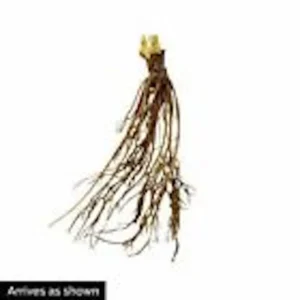
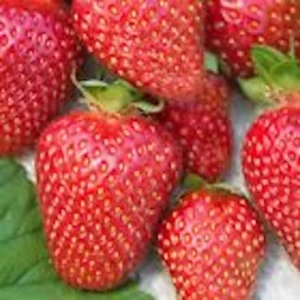
Original price was: $120.99.$90.99Current price is: $90.99.
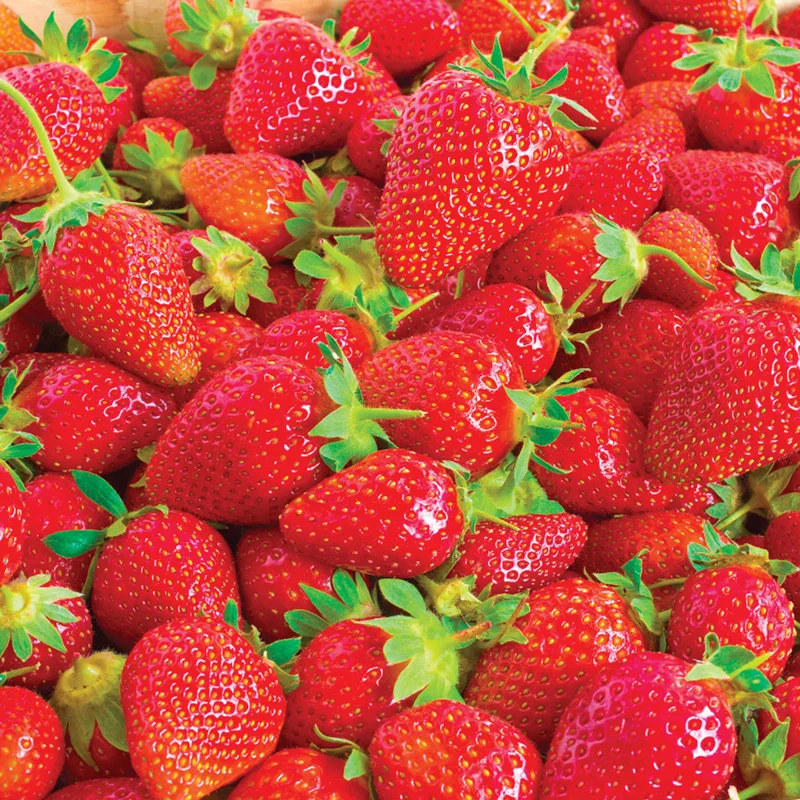
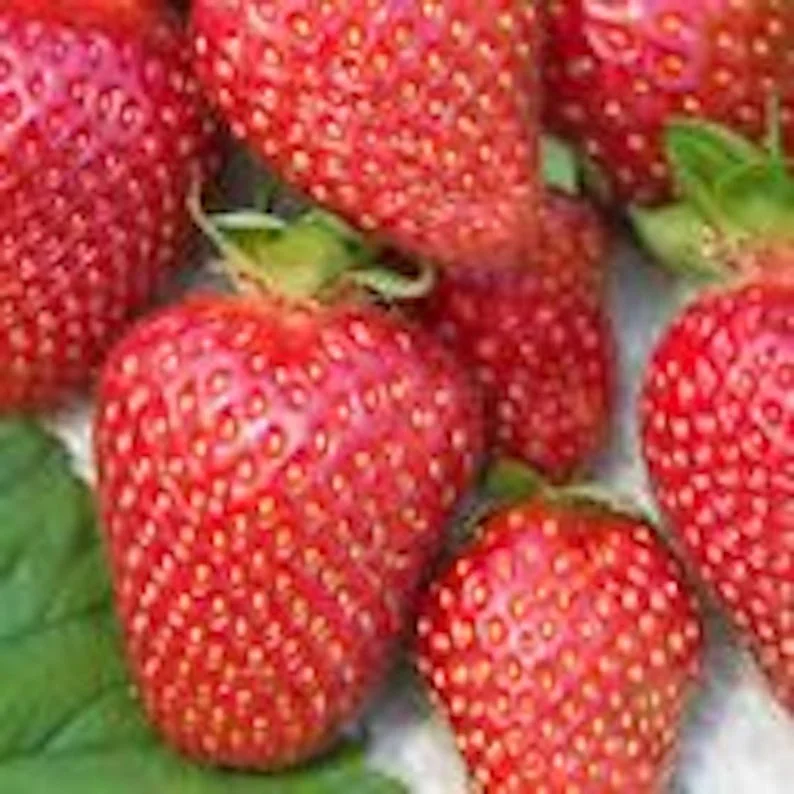
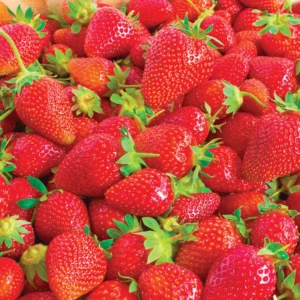
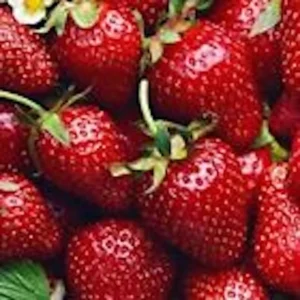
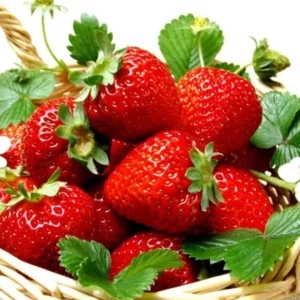
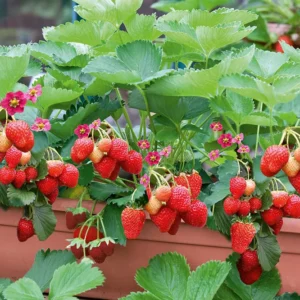
Cultivate your own fresh harvests with this 50-pack of junebearing strawberry plants. These vigorous perennial fruit plants produce sweet, firm, bright red berries from early summer, ideal for eating fresh or preserving. Enjoy reliable yields and an ornamental touch in your garden with these easy to grow strawberries.
Mar 05
Mar 10 - Mar 12
Mar 15 - Mar 19
USDA Hardiness Zone
Soil Type
Sunlight Exposure
Expected Planting Period
Shipping and return policies: Our Alive & Thrive Guarantee covers issues with your plants within the first 30 days. Get in touch with us via email, and our team will review your concerns and, if necessary, provide you with a one-time replacement at no cost.
If you're unsure about your hardiness zone, feel free to reach out to us. Our team will answer your questions and help you find the plants that are truly suitable for your environment, climate, and personal preferences.
Transform your garden into a berry-producing haven with this 50-pack of junebearing strawberry plants. These robust perennial fruit plants are renowned for their reliability and prolific yields, offering a steady supply of delicious strawberries throughout the early summer season. Ideal for both novice and experienced gardeners, this variety produces medium to large, firm, bright red berries with an exceptionally sweet flavor, making them perfect for fresh consumption, homemade preserves, or delectable baked goods. The plants themselves are vigorous and hardy, displaying lush green foliage that adds an attractive ornamental element to any garden bed or container. Invest in these junebearing strawberry plants and look forward to years of abundant, homegrown fruit.
Growing your own strawberries is a rewarding experience, and these plants make it incredibly accessible. Their natural hardiness means less fuss and more fruit for you to enjoy. With proper care, these plants will establish quickly and begin yielding their sweet bounty, allowing you to savor the taste of fresh-picked strawberries right from your backyard. They are a popular choice for anyone looking to grow strawberries at home, providing both beauty and a bountiful harvest.
Our junebearing strawberry plants offer numerous advantages for the home gardener, promising both ease of cultivation and a delicious reward:
Caring for your junebearing strawberry plants is straightforward, ensuring a bountiful harvest with just a few key practices. These plants thrive in locations that receive ample sunlight. They require at least 6-8 hours of direct sun exposure daily to produce the best fruit and maintain vigorous growth. Choose a sunny spot in your garden, ideally facing south or west, to maximize light absorption. Adequate sunlight is crucial for fruit development and sweetness. They are cold-hardy and generally suitable for USDA Zones 4-8, though local microclimates can influence specific performance.
The right soil is paramount for healthy growth. Junebearing strawberry plants prefer well-drained, fertile soil with a slightly acidic pH (between 5.5 and 6.5). Before planting, amend heavy clay soils with compost or peat moss to improve drainage and aeration. For sandy soils, adding organic matter will help retain moisture and nutrients. Consistent moisture is important, especially during flowering and fruiting periods. Water regularly, aiming to keep the soil consistently moist but never waterlogged. Overwatering can lead to root rot. During dry spells, increase watering frequency, and consider mulch to help retain soil moisture and suppress weeds, which compete for resources.
Fertilization should be done judiciously. A balanced fertilizer can be applied in early spring before new growth appears, and again after the main harvest to encourage strong runner development for next year’s crop. Avoid over-fertilizing with nitrogen, as this can promote excessive foliage growth at the expense of fruit production. Pruning is minimal; focus on removing older, unproductive leaves and runners if you want to control spread. These perennial fruit plants for garden use are generally robust, but monitoring for common pests like slugs or birds, and applying organic controls if necessary, will help protect your harvest. Following these tips will help you successfully grow strawberries at home.
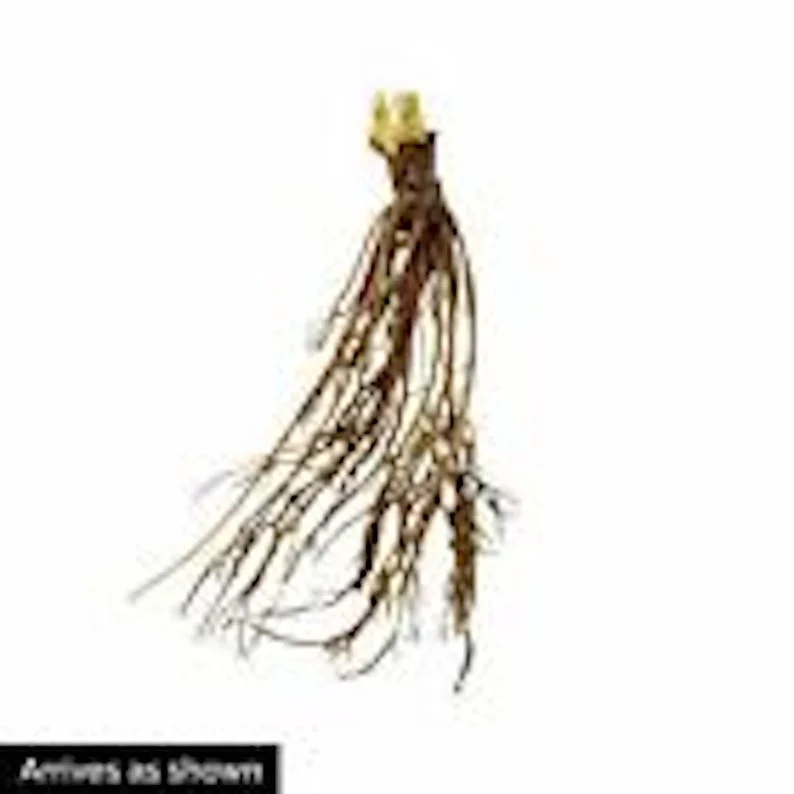
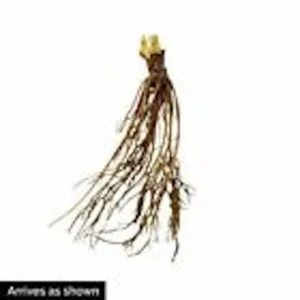
This offering includes 50 individual junebearing strawberry plants, typically shipped as bare-root plants ready for immediate planting. Upon establishment, these vigorous plants typically grow to a height of 12-18 inches with a spread of 18-24 inches, providing ample space for berry production. They have a moderate growth rate, establishing well within the first season and beginning to produce fruit in the second year, with significant yields thereafter. Expect your first substantial harvest of delicious berries in the early summer following planting. These plants are an excellent investment for anyone looking for high yield strawberry plants that will continue to produce for many seasons.
You must be logged in to post a review.
Sold 58 products
Original price was: $64.99.$34.99Current price is: $34.99.
Sold 92 products
Original price was: $79.98.$39.99Current price is: $39.99.
Sold 52 products
Original price was: $38.80.$19.40Current price is: $19.40.
Sold 87 products
Original price was: $68.99.$47.99Current price is: $47.99.
Sold 75 products
Original price was: $64.99.$34.99Current price is: $34.99.
Sold 75 products
Original price was: $49.99.$34.99Current price is: $34.99.
Sold 56 products
Original price was: $57.98.$28.99Current price is: $28.99.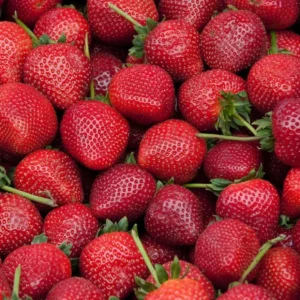
Sold 88 products
Original price was: $79.99.$59.99Current price is: $59.99.

Reviews
There are no reviews yet.