NEED SUPPORT WITH YOUR ORDER? Get in touch
Not satisfied with your purchase?
Enter your Order ID on website, and we'll resolve it right away.

Original price was: $45.99.$28.99Current price is: $28.99.
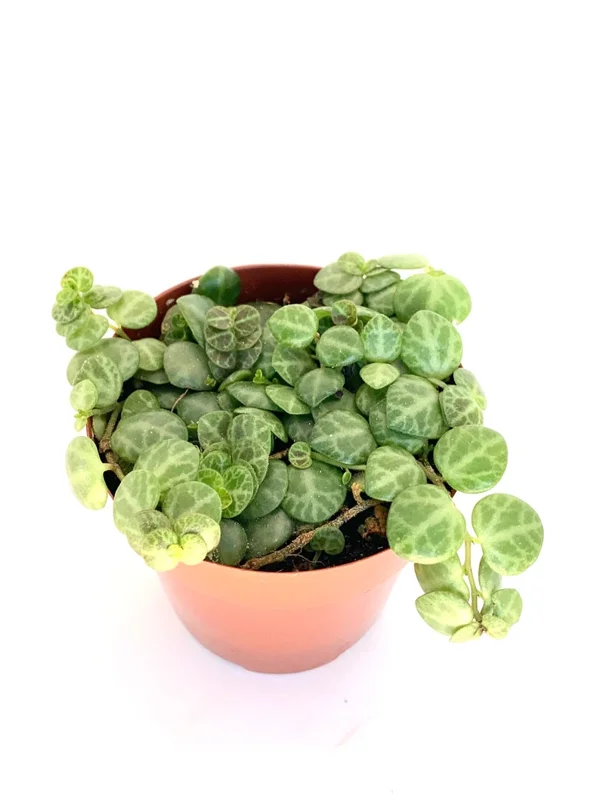
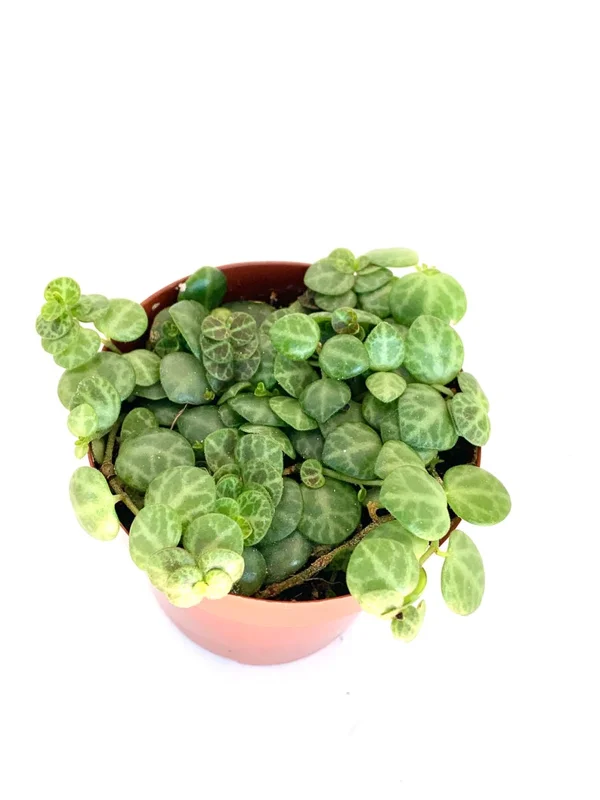
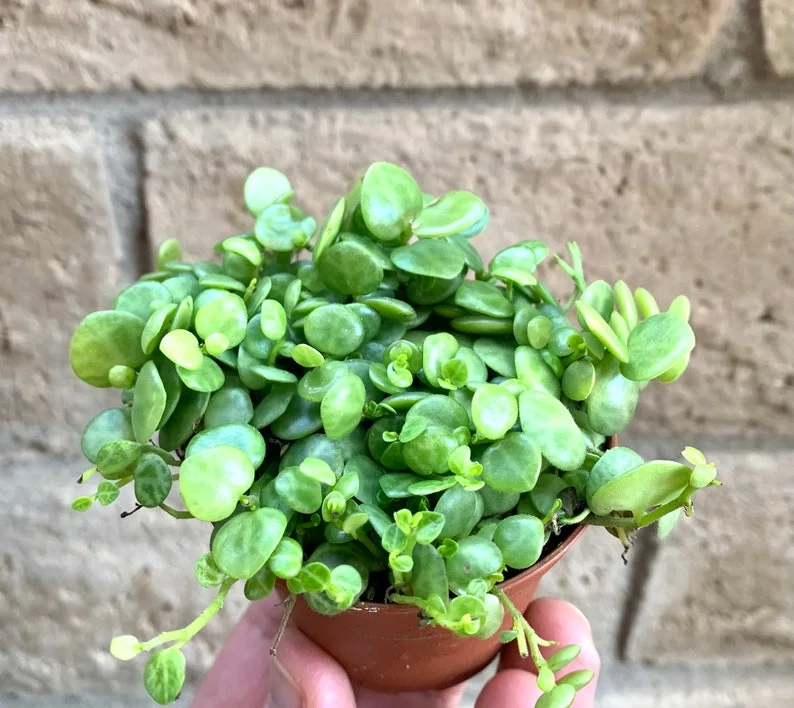
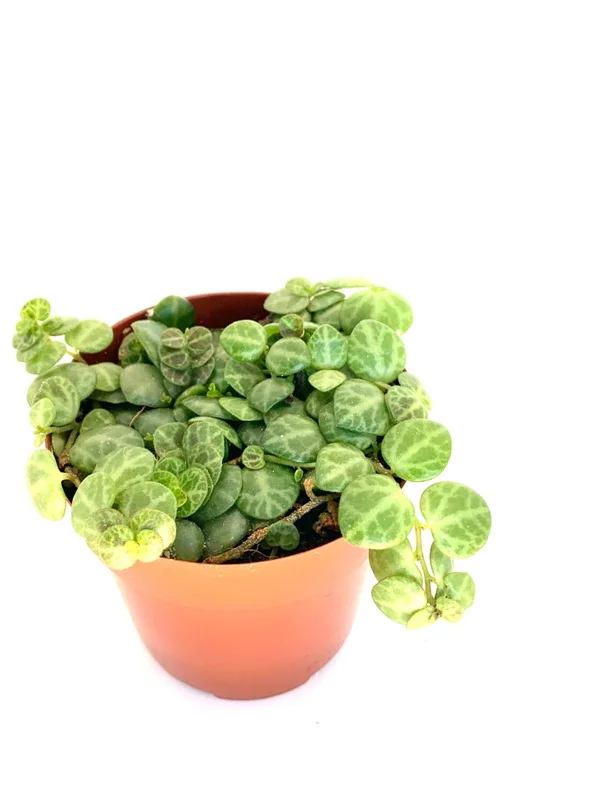
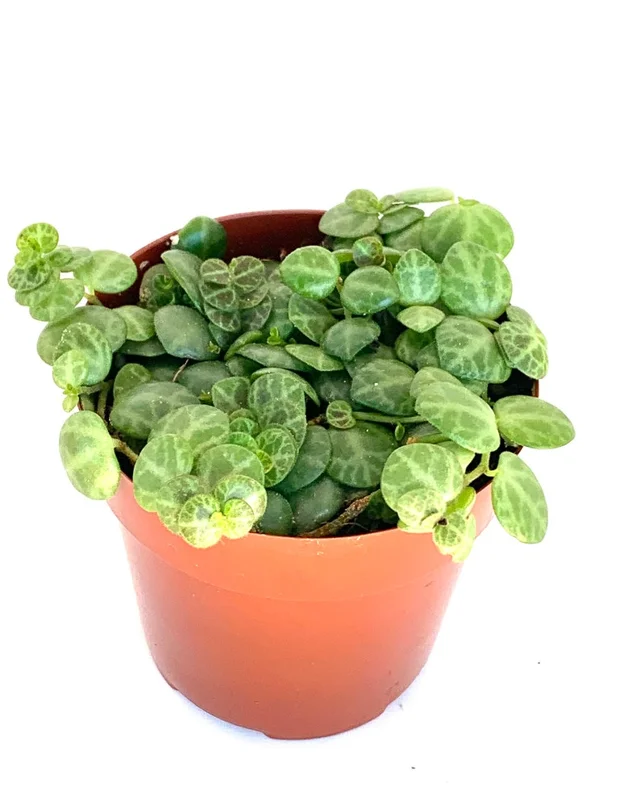
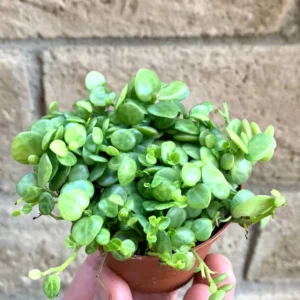
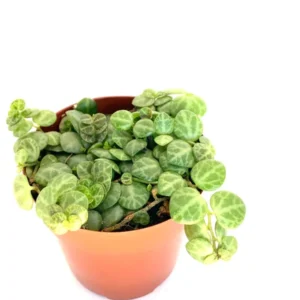
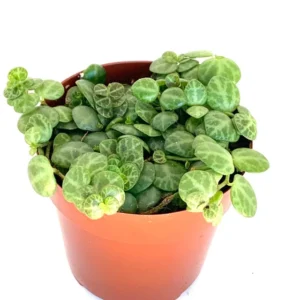
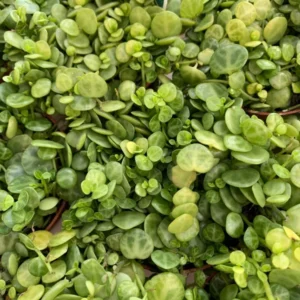
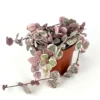
Bring home the delightful string of turtles plant (Peperomia Prostrata), a charming and easy-care succulent. Its unique, turtle shell-like leaves cascade beautifully, making it perfect for hanging baskets or shelves. This rare succulent houseplant thrives indoors with minimal effort and is pet-friendly.
Feb 04
Feb 09 - Feb 11
Feb 14 - Feb 18
USDA Hardiness Zone
Soil Type
Sunlight Exposure
Expected Planting Period
Shipping and return policies: Our Alive & Thrive Guarantee covers issues with your plants within the first 30 days. Get in touch with us via email, and our team will review your concerns and, if necessary, provide you with a one-time replacement at no cost.
If you're unsure about your hardiness zone, feel free to reach out to us. Our team will answer your questions and help you find the plants that are truly suitable for your environment, climate, and personal preferences.
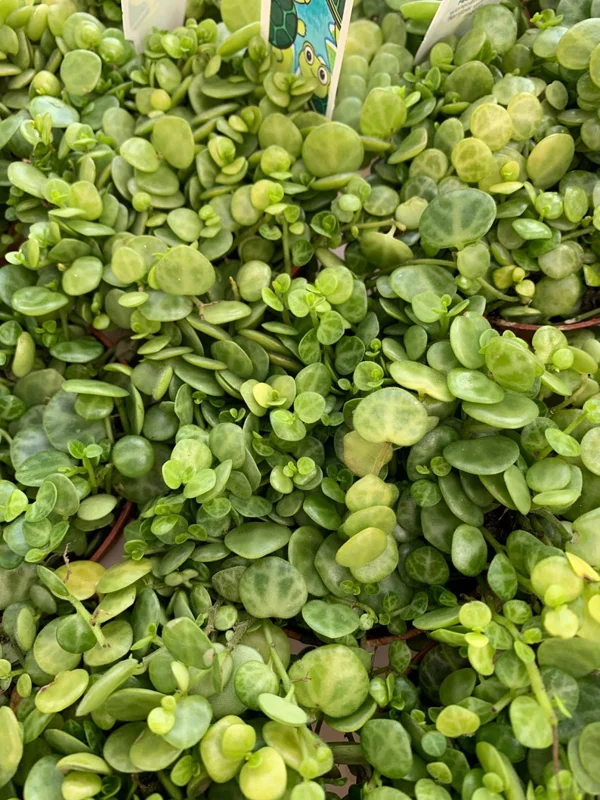
Introduce a touch of whimsical greenery to your home with the enchanting string of turtles plant, scientifically known as Peperomia Prostrata. This live houseplant is celebrated for its distinctive foliage, which features small, round leaves intricately patterned to resemble tiny turtle shells. Originating from the rainforests of Brazil, this semi-succulent vine is a delightful addition to any plant collection, offering a unique visual appeal that captures attention. Often sought after as a rare succulent houseplant, the String of Turtles is surprisingly easy to care for, making it an excellent choice for both novice and experienced plant enthusiasts looking for an attractive, low-maintenance option.
The Peperomia Prostrata grows as a trailing plant, ideal for showcasing in hanging baskets, on elevated shelves, or as part of a terrarium, where its delicate strands can gracefully cascade. Its compact size and captivating appearance make it a perfect fit for small spaces, desks, or any area needing a vibrant touch. Beyond its beauty, the string of turtles plant is also known for its adaptability and resilience, thriving in typical indoor conditions when provided with proper care. This makes it a rewarding plant that brings continuous joy and a unique aesthetic to your living environment.
The string of turtles plant offers a multitude of benefits, making it a highly desirable addition to any home or office. Its distinctive appearance and straightforward care routine contribute to its widespread appeal. Here are some of the key advantages of owning this charming succulent:
Caring for your string of turtles plant is straightforward, making it an ideal choice for plant enthusiasts of all levels. Understanding its basic needs will ensure your Peperomia Prostrata thrives and maintains its vibrant, unique appearance. One of the most important aspects of peperomia plant care is getting the light and watering right.
Sunlight Requirements: The string of turtles plant thrives in bright, indirect light. Place it near a window that receives plenty of ambient light but avoids harsh, direct sunlight, which can scorch its delicate leaves. An east or north-facing window is often ideal. If you notice the leaves losing their vibrant color or becoming leggy, it may need more light. Conversely, if leaves appear bleached or crispy, move it further from the light source.
Watering Schedule & Soil Moisture: As a semi-succulent, Peperomia Prostrata prefers its soil to dry out between waterings. Overwatering is the most common cause of problems, leading to root rot. Water thoroughly when the top 1-2 inches of soil feel dry to the touch. In general, this could be every 1-2 weeks, depending on your home’s humidity and temperature. Reduce watering during the dormant winter months. Always ensure excess water drains out of the pot to prevent standing water.
Soil Type & Drainage: Use a well-draining potting mix that retains some moisture but doesn’t become waterlogged. A cactus or succulent mix, or a standard potting mix amended with perlite or orchid bark, works wonderfully. Good drainage is crucial for preventing root issues. Ensure your pot has drainage holes.
Temperature Range & USDA Hardiness Zone: This rare succulent houseplant prefers warm temperatures, ideally between 65-75°F (18-24°C). Avoid exposing it to temperatures below 50°F (10°C) or sudden cold drafts. It is typically grown indoors in all USDA hardiness zones but can be moved outdoors in shaded areas during warm summer months in zones 10-11, provided temperatures remain above its comfort zone. High humidity is appreciated but not strictly necessary; average household humidity is usually sufficient.
Fertilization: The peperomia plant care routine includes light fertilization during its active growing season (spring and summer). Use a balanced liquid fertilizer diluted to half strength once every 2-4 weeks. Avoid fertilizing during fall and winter when the plant’s growth naturally slows down. Too much fertilizer can harm the plant.
Common Problems & Solutions: Yellowing leaves can indicate overwatering or nutrient deficiency. Drooping leaves might mean underwatering or too much direct sun. Pests like mealybugs or spider mites can be treated with insecticidal soap. Regularly inspect your plant to catch any issues early.
This offering is for a vibrant string of turtles plant, Peperomia Prostrata, carefully cultivated and shipped in a 4 inch pot. The plant is well-rooted and ready to thrive in its new home, showcasing its characteristic trailing vines and charming, turtle-shell patterned leaves. When mature, the Peperomia Prostrata can produce vines that trail several feet long, making it an impressive display in hanging planters. Its growth rate is moderate, allowing you to enjoy its development without it becoming unruly too quickly. The plant will arrive healthy and securely packaged, ensuring a smooth transition. This compact size is perfect for starting your collection or adding to an existing display, and it will rapidly grow with proper peperomia plant care.
You must be logged in to post a review.
Sold 93 products
Original price was: $59.99.$44.99Current price is: $44.99.
Sold 95 products
Original price was: $42.99.$30.99Current price is: $30.99.
Sold 78 products
Original price was: $55.99.$43.99Current price is: $43.99.
Sold 89 products
Original price was: $69.99.$57.99Current price is: $57.99.
Sold 89 products
Original price was: $39.99.$28.99Current price is: $28.99.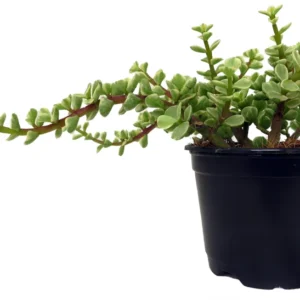
Sold 78 products
Original price was: $49.99.$39.99Current price is: $39.99.
Sold 82 products
Original price was: $59.99.$43.99Current price is: $43.99.
Sold 54 products
Original price was: $102.99.$88.99Current price is: $88.99.
Reviews
There are no reviews yet.