NEED SUPPORT WITH YOUR ORDER? Get in touch
Not satisfied with your purchase?
Enter your Order ID on website, and we'll resolve it right away.

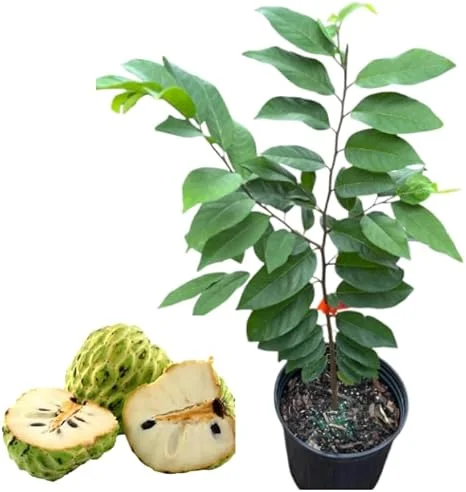
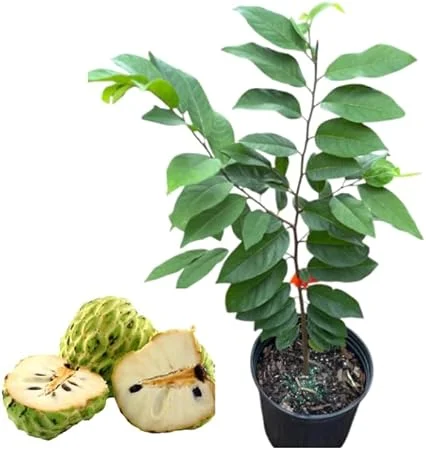
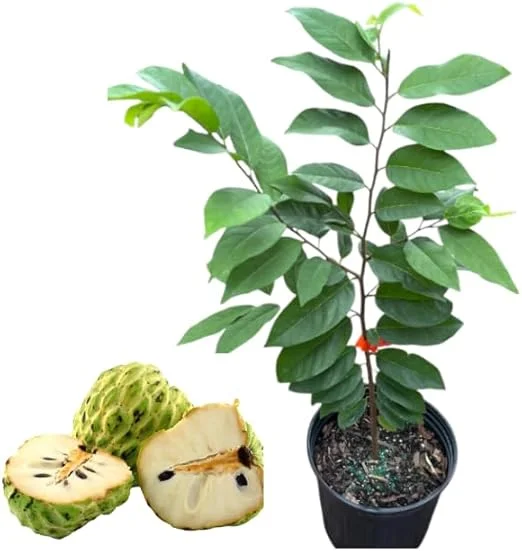
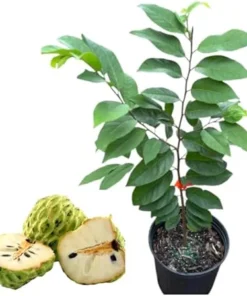
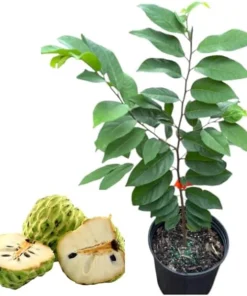
Original price was: $170.00.$150.00Current price is: $150.00.
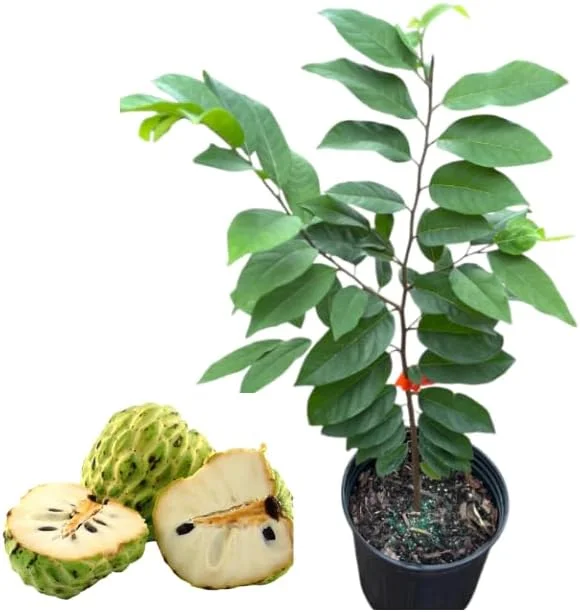
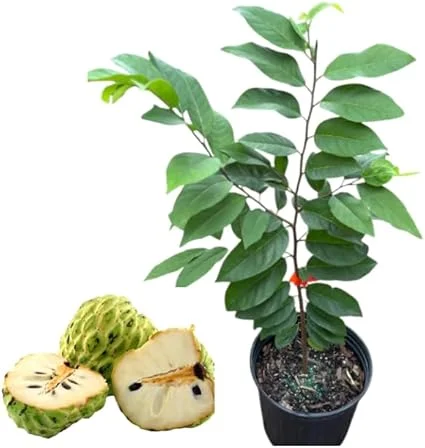
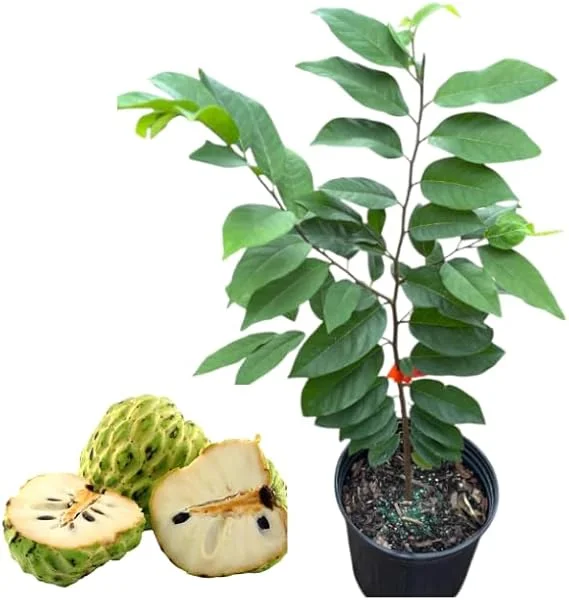
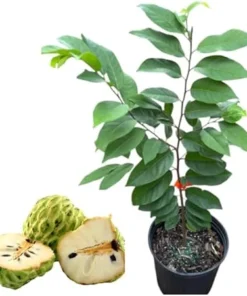
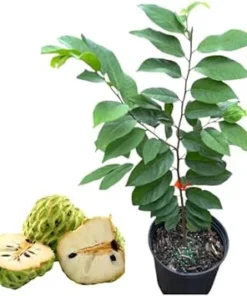
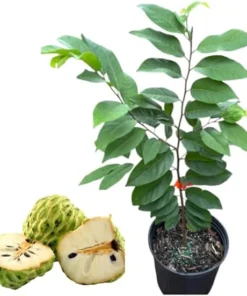
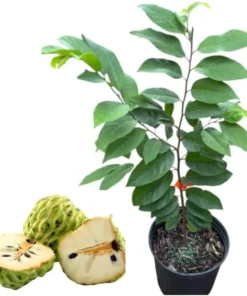
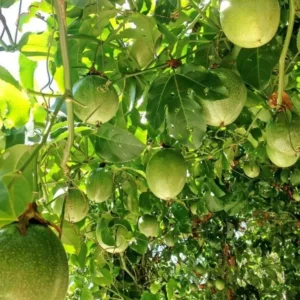
Cultivate your own tropical delight with this vibrant sugar apple live plant. Standing 2-3 feet tall in a 3 gallon pot, this yellow sugar apple tree is ready for planting in USDA Zones 9-11. Enjoy sweet, creamy fruit from your own backyard.
Feb 04
Feb 09 - Feb 11
Feb 14 - Feb 18
USDA Hardiness Zone
Soil Type
Sunlight Exposure
Expected Planting Period
Shipping and return policies: Our Alive & Thrive Guarantee covers issues with your plants within the first 30 days. Get in touch with us via email, and our team will review your concerns and, if necessary, provide you with a one-time replacement at no cost.
If you're unsure about your hardiness zone, feel free to reach out to us. Our team will answer your questions and help you find the plants that are truly suitable for your environment, climate, and personal preferences.
Introduce a taste of the tropics to your garden with this magnificent sugar apple live plant. Also known as Custard Apple or Annona squamosa, this particular variety is known for producing delicious yellow-skinned fruits with a sweet, creamy pulp. This healthy, established plant arrives ready to thrive, standing between 2 to 3 feet tall in a robust 3 gallon pot. Perfect for enthusiasts looking to grow their own exotic fruits, this tropical fruit tree is a rewarding addition to any landscape, especially in warmer climates. The sugar apple is cherished for its unique flavor profile, often described as a blend of pineapple, mango, and strawberry, making it a highly sought-after fruit for fresh eating, desserts, and beverages.
Cultivating a yellow sugar apple tree is an enriching experience, offering not just delectable fruit but also an attractive, medium-sized tree that can add a lush, tropical aesthetic to your outdoor space. Its relatively compact size makes it suitable for various garden settings, and with proper care, it can become a prolific producer of its distinctive, segmented fruits. This plant is a fantastic choice for gardeners in USDA Zones 9-11, where it can be grown outdoors year-round. For those in cooler regions, it can be container-grown and brought indoors during colder months, allowing you to still enjoy its exotic bounty.
Growing your own sugar apple live plant offers a multitude of advantages beyond just fresh fruit. This remarkable tree provides both aesthetic beauty and culinary delight, making it a valuable addition to your home or garden.
Ensuring the health and productivity of your sugar apple live plant requires attention to specific environmental conditions and care routines. This tropical fruit tree thrives when its basic needs for light, water, and soil are met consistently. Understanding these requirements will help you cultivate a robust and fruitful tree.
Sunlight Requirements: The yellow sugar apple tree flourishes in full sun, meaning it needs at least 6-8 hours of direct sunlight per day. When planting outdoors, choose a location that receives ample sunlight throughout the day. If growing in a container, place it in the sunniest spot on your patio or in your home. Adequate sunlight is crucial for fruit development and overall plant vigor. In extremely hot climates, some afternoon shade can be beneficial to prevent leaf scorch, but generally, more sun is better. For indoor cultivation, a south-facing window or supplemental grow lights are recommended to mimic its natural habitat.
Watering Schedule and Soil Moisture: This annona squamosa plant prefers regular watering, especially during its flowering and fruiting periods. The soil should be kept consistently moist but not waterlogged. Allow the top inch or two of soil to dry out slightly between waterings. Overwatering can lead to root rot, so ensure good drainage. During dry spells or hot weather, you may need to water more frequently. Reduce watering slightly during dormant periods or cooler months. A good way to check is to insert your finger into the soil; if it feels dry, it’s time to water. Mulching around the base of the tree can help retain soil moisture and regulate temperature.
Soil Type and Drainage: Custard apple plant care emphasizes well-draining soil. A rich, loamy soil with a slightly acidic to neutral pH (6.0-7.0) is ideal. If your garden soil is heavy clay, amend it with organic matter like compost, peat moss, or sand to improve drainage and aeration. For container-grown plants, use a high-quality potting mix specifically formulated for tropical fruit trees or a general-purpose potting mix blended with perlite or coarse sand for enhanced drainage. Good drainage is paramount to prevent waterlogging and ensure healthy root development, which is vital for the tree’s overall health and fruit production.
Temperature Range and USDA Hardiness Zone: Sugar apple trees are tropical plants that prefer temperatures between 68°F (20°C) and 90°F (32°C). They are sensitive to frost and can be damaged or killed by temperatures below 32°F (0°C). This makes them suitable for outdoor cultivation in USDA Zones 9-11. In Zone 9, protection from occasional freezes may be necessary. For growers in colder zones, it is highly recommended to grow the plant in a pot that can be moved indoors during winter. Ensure that indoor environments provide sufficient light and humidity. High humidity can also be beneficial, especially during hot, dry periods.
Fertilization Schedule and Type: Fertilize your tropical fruit plant regularly during the growing season (spring and summer) to support robust growth and fruit production. Use a balanced, slow-release fertilizer or a liquid fertilizer formulated for fruit trees, following the manufacturer’s instructions. A common recommendation is a fertilizer with an NPK ratio like 6-6-6 or 8-3-9. Young trees may benefit from more nitrogen initially, while mature, fruiting trees require more phosphorus and potassium. Reduce or cease fertilization during the dormant period in fall and winter. Micronutrients like iron, zinc, and manganese are also important, so consider a fertilizer that includes these.
Common Problems and Solutions: Keep an eye out for common pests such as mealybugs, aphids, and scale insects. These can often be controlled with insecticidal soaps or neem oil. Fungal diseases like anthracnose can occur, especially in humid conditions; ensuring good air circulation and appropriate watering can help prevent these. Maintaining good cultural practices, such as proper watering and fertilization, will help your plant resist pests and diseases. Promptly address any issues to keep your sugar apple live plant healthy and productive.
This sugar apple live plant is supplied as an established specimen, carefully cultivated to ensure a strong start in your garden. It stands approximately 2 to 3 feet tall from the base of the pot to the top of the plant, offering a substantial size that is ready for transplanting or continued container growth. It comes securely planted in a 3 gallon nursery pot, providing ample root space for healthy development. The growth rate of the sugar apple tree is moderate, and it can eventually reach a mature height of 10-20 feet in optimal outdoor conditions, though it can be kept smaller with pruning for container growing. Expect your plant to begin blooming in spring to early summer, with fruits developing shortly thereafter, typically ripening within a few months.
Each yellow sugar apple tree is carefully inspected before shipping to ensure it meets our quality standards. The plant is shipped with its roots intact within the 3 gallon pot, minimizing transplant shock upon arrival. While it is a relatively fast-growing tree once established, patience is key for fruit production. You can anticipate your first significant harvest within 2-3 years, depending on growing conditions and care. This particular variety is cherished for its distinctly flavored yellow fruits, making it a prized addition to any collection of exotic fruit trees. Its robust nature and manageable size make it an excellent choice for both experienced and novice growers seeking a rewarding tropical fruit plant.
You must be logged in to post a review.
Sold 93 products
Original price was: $99.99.$79.99Current price is: $79.99.
Sold 63 products
Original price was: $49.99.$34.99Current price is: $34.99.
Sold 82 products
Original price was: $72.99.$52.99Current price is: $52.99.
Sold 74 products
Original price was: $64.99.$34.99Current price is: $34.99.
Sold 97 products
Original price was: $53.98.$26.99Current price is: $26.99.
Sold 63 products
Original price was: $89.99.$57.99Current price is: $57.99.
Sold 54 products
Original price was: $38.80.$19.40Current price is: $19.40.
Sold 88 products
Original price was: $57.98.$28.99Current price is: $28.99.
Reviews
There are no reviews yet.