NEED SUPPORT WITH YOUR ORDER? Get in touch
Not satisfied with your purchase?
Enter your Order ID on website, and we'll resolve it right away.

Original price was: $272.99.$209.99Current price is: $209.99.
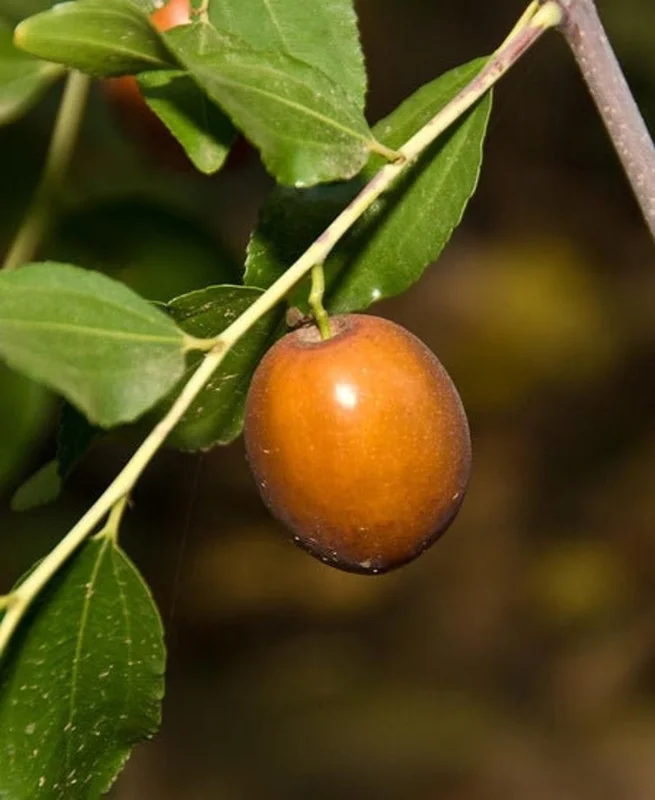
Cultivate your own delicious fruit with a sugar cane jujube tree. This 3ft tall, grafted jujube tree live plant promises sweet, mid-season ripening fruit. Ideal for home gardens, bringing unique flavor and ornamental appeal.
Mar 03
Mar 08 - Mar 10
Mar 13 - Mar 17
USDA Hardiness Zone
Soil Type
Sunlight Exposure
Expected Planting Period
Shipping and return policies: Our Alive & Thrive Guarantee covers issues with your plants within the first 30 days. Get in touch with us via email, and our team will review your concerns and, if necessary, provide you with a one-time replacement at no cost.
If you're unsure about your hardiness zone, feel free to reach out to us. Our team will answer your questions and help you find the plants that are truly suitable for your environment, climate, and personal preferences.
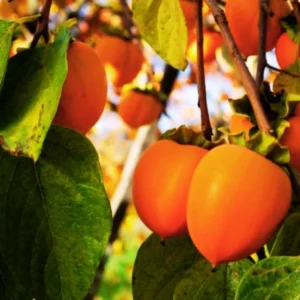
Bring the unique taste of Asia to your backyard with the sugar cane jujube tree. This exceptional jujube tree live plant, also known as the chinese date tree (Ziziphus Jujuba), is prized for its incredibly sweet and crisp fruit, often compared to an apple with a date-like flavor. Our specimen is a robust, approximately 3-foot tall grafted plant, ensuring faster fruiting and consistent quality. It arrives in a 3-gallon pot, featuring a healthy, established trunk ready for vigorous growth in its new home. Experience the immense satisfaction of harvesting your own homegrown jujubes, renowned for their distinctive taste and versatile culinary uses, perfect for fresh eating or drying.
The sugar cane jujube tree is a resilient and adaptable fruit tree, making it an excellent choice for both experienced gardeners and those just beginning their fruit-growing journey. This particular variety is highly esteemed for its exceptional sweetness, allowing you to enjoy fresh fruit directly from the tree. The fruit consistently ripens mid-season, providing a steady supply of delectable treats. While the plant may develop some spines, the rewarding harvest of succulent fruit more than compensates for this minor characteristic, adding both beauty and productivity to your landscape.
Investing in a sugar cane jujube tree offers numerous advantages, transforming your garden into a productive and beautiful space. This grafted jujube tree ensures you get the best fruit quality and a quicker harvest.
Caring for your sugar cane jujube tree is straightforward, ensuring years of delicious harvests. For optimal growth and fruit production, select a site that receives at least 6-8 hours of direct sunlight per day. Jujubes thrive in full sun conditions. While resilient, they prefer well-draining soil; a sandy loam mixture is highly recommended. Avoid heavy clay soils that retain too much moisture, which can lead to root rot. If your soil is heavy, amend it with organic matter and sand to improve drainage.
Watering is crucial, especially during the establishment phase. Water regularly, about 2-3 times a week, during dry spells in the first year after planting. Once established, the chinese date tree becomes quite drought-tolerant, but consistent watering during fruiting periods will encourage a more abundant harvest. Be cautious not to overwater, as this can be detrimental to the roots. Fertilize in early spring with a balanced slow-release fertilizer designed for fruit trees to support vigorous growth and fruit development. Pruning should be done in late winter or early spring to shape the tree, remove dead or crossing branches, and encourage air circulation and fruit production. This grafted jujube tree is generally hardy and tolerant of a range of temperatures, performing well in USDA zones 6-9, though some varieties can extend into zone 5 or 10.
While the Ziziphus Jujuba is quite resilient to pests and diseases, monitoring your tree for any signs of trouble is always a good practice. Ensure good air circulation and avoid overhead watering to minimize fungal issues. With appropriate care and attention, you can anticipate many years of abundant harvests from your jujube tree live plant. This tree offers a rewarding and enjoyable growing experience, making it an excellent choice for any garden seeking a unique and productive fruit tree.
This sugar cane jujube tree is supplied as a live, grafted plant, approximately 3 feet tall from the base of the pot to the top of the foliage. It is shipped securely in a 3-gallon nursery pot, ensuring the root system is well-established and ready for transplanting into your garden or a larger container. The plant features a robust, healthy trunk, indicating its maturity and readiness to thrive. Jujube trees are known for their moderate growth rate, and with proper care, this specimen is poised to begin producing fruit within a few years. Mature trees typically reach a height of 15-20 feet, providing ample harvest space, though they can be kept smaller with strategic pruning. Expect mid-season ripening of its exceptionally sweet fruit.
You must be logged in to post a review.
Fruits
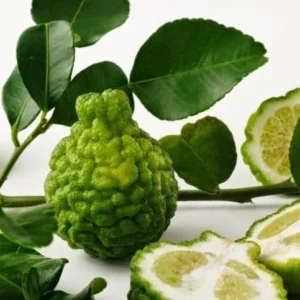
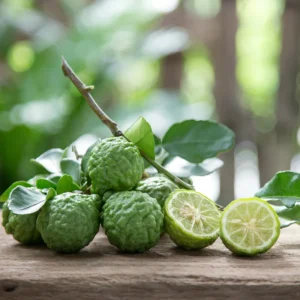
Kaffir Lime Starter Plug – Kaffir Lime Citrus Fruit Plants-Lemon Tree 2-3 Inch Live Plant Seedling
Sold 94 products
Original price was: $68.99.$47.99Current price is: $47.99.
Sold 76 products
Original price was: $79.99.$59.99Current price is: $59.99.
Sold 88 products
Original price was: $56.99.$44.90Current price is: $44.90.
Sold 72 products
Original price was: $49.99.$34.99Current price is: $34.99.
Sold 74 products
Original price was: $73.98.$36.99Current price is: $36.99.
Sold 82 products
Original price was: $64.99.$34.99Current price is: $34.99.
Sold 63 products
Original price was: $58.58.$29.29Current price is: $29.29.
Sold 96 products
Original price was: $79.98.$39.99Current price is: $39.99.
Reviews
There are no reviews yet.