NEED SUPPORT WITH YOUR ORDER? Get in touch
Not satisfied with your purchase?
Enter your Order ID on website, and we'll resolve it right away.

Original price was: $205.99.$181.99Current price is: $181.99.
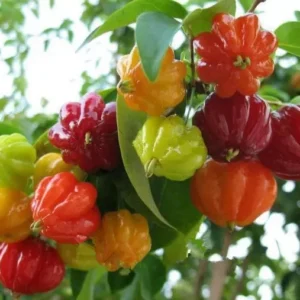
Cultivate your own tropical harvest with this Surinam Cherry live plant, also known as Pitanga fruit tree. This versatile 3-4 ft specimen offers delicious, edible fruit and ornamental beauty, thriving in subtropical and tropical climates.
Feb 04
Feb 09 - Feb 11
Feb 14 - Feb 18
USDA Hardiness Zone
Soil Type
Sunlight Exposure
Expected Planting Period
Shipping and return policies: Our Alive & Thrive Guarantee covers issues with your plants within the first 30 days. Get in touch with us via email, and our team will review your concerns and, if necessary, provide you with a one-time replacement at no cost.
If you're unsure about your hardiness zone, feel free to reach out to us. Our team will answer your questions and help you find the plants that are truly suitable for your environment, climate, and personal preferences.
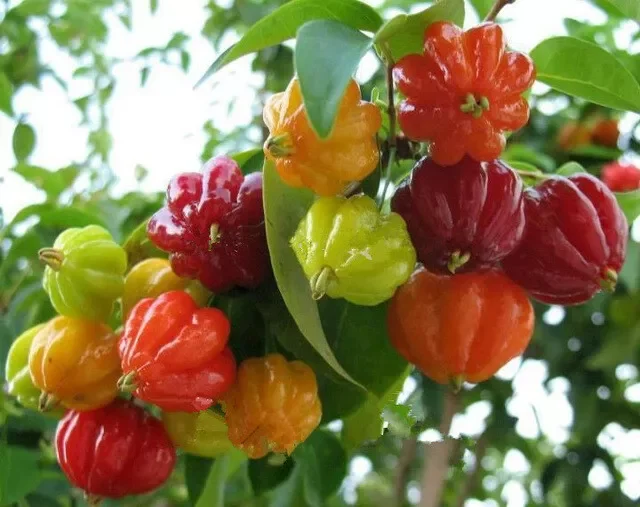
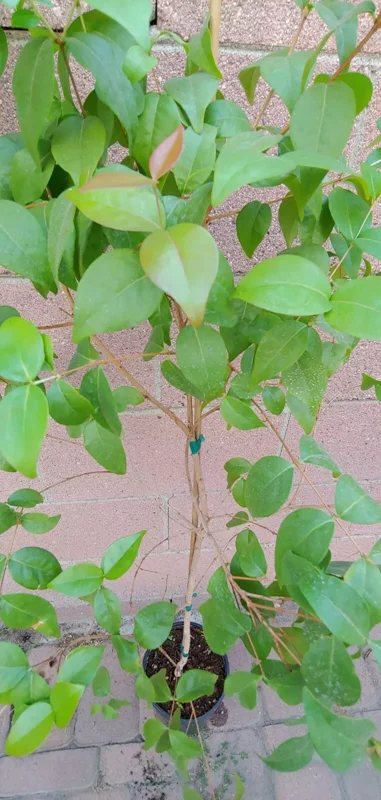
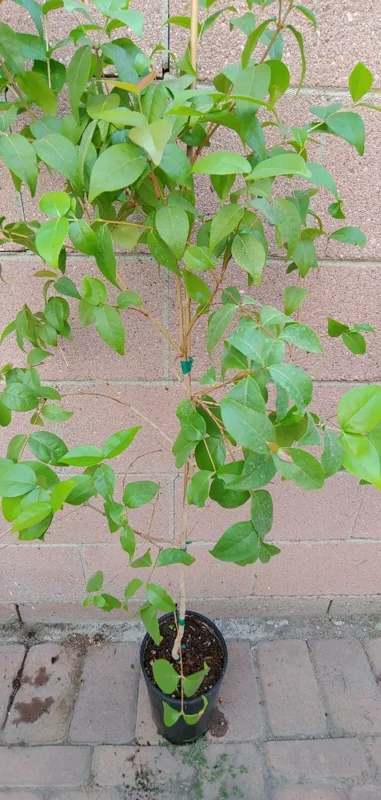
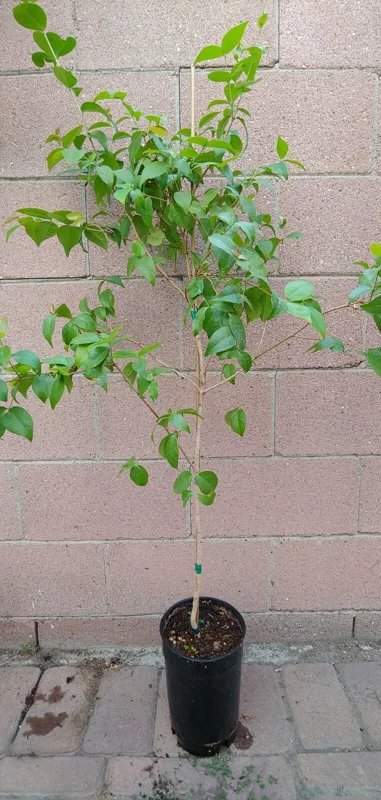
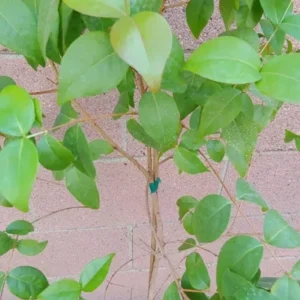
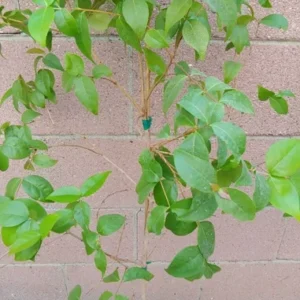
Bring the vibrant flavors of the tropics directly to your home garden with a Surinam Cherry live plant. This beautiful and productive specimen, scientifically known as Eugenia uniflora, is often referred to as a Pitanga fruit tree due to its delicious, cherry-like fruits. Standing approximately 3-4 feet tall, this live plant is ready to establish itself in your landscape, offering both ornamental appeal and a bountiful harvest. Imagine stepping into your garden and plucking hundreds of fresh, sweet-tart cherries right from your own tree, multiple times throughout the year. This particular Surinam Cherry live plant has been carefully rooted for three years, ensuring a robust start for your tropical gardening adventure.
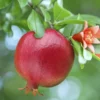
The Surinam Cherry is celebrated not only for its edible fruit but also for its striking appearance. Its bark exfoliates in beautiful red flakes, revealing new, smooth layers beneath, while its glossy, dark green leaves emerge with an attractive copper hue. In spring, the plant adorns itself with small, fragrant white flowers that soon give way to the distinctive, vibrant red fruits, typically up to 2 cm in diameter. The flavor spectrum of these cherries ranges from delightfully sweet to refreshingly tart, depending on their ripeness, promising a unique taste experience. This resilient tropical fruit plant is adaptable and can be grown as a compact bush, a functional hedge, or even trained into a small tree, making it a versatile addition to various garden designs.
The Surinam Cherry live plant offers a multitude of advantages for both the experienced gardener and the novice alike. Its unique characteristics make it a standout choice for adding both beauty and utility to your outdoor space.
Caring for your Surinam Cherry live plant is straightforward, especially when provided with the right conditions. This robust tropical shrub thrives in environments that mimic its native habitat. For optimal growth and fruit production, understanding its needs for sunlight, water, and soil is crucial. The plant is quite resilient, making it a rewarding choice for many gardeners.
The Eugenia uniflora prefers full sun exposure, meaning at least 6-8 hours of direct sunlight per day. While it can tolerate partial shade, particularly in the hottest climates, full sun encourages the best flowering and fruiting. Place your plant in a location where it can receive ample light throughout the day. When it comes to watering, regular irrigation is essential, especially in areas with minimal rainfall or during dry periods. Allow the top inch or two of soil to dry out slightly between waterings, but avoid letting the plant sit in waterlogged conditions, as this can lead to root rot. Good drainage is key for this tropical fruit plant.
The Surinam Cherry adapts well to most soil types but prefers well-draining, slightly acidic to neutral soil. Amending heavy clay soils with organic matter can improve drainage. It is quite hardy once established, tolerating temperatures down to about 22°F when mature. For younger plants or in colder climates, protection from frost is recommended. If growing indoors, ensure winter temperatures remain between 46-68°F and protect from drafts. Fertilize with a balanced, slow-release fertilizer during the growing season to support healthy growth and fruit development. Pruning can be done to maintain desired size and shape, whether you prefer a bush, hedge, or small tree. This edible cherry plant is generally resistant to most pests and diseases, simplifying its care routine.
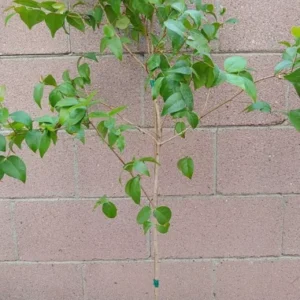
This offering is for a vibrant Surinam Cherry live plant, also known as a Pitanga fruit tree, that stands approximately 3 to 4 feet tall. These plants have been propagated from seed and meticulously cultivated for three years to ensure a strong and healthy specimen ready for planting in your garden. The mature height of a Surinam Cherry can reach up to 25 feet, but it is easily maintained at a smaller size through regular pruning, allowing you to shape it as a compact bush, an attractive hedge, or a small ornamental tree according to your landscaping vision. The fruit develops and ripens quickly, typically within 3-4 weeks after flowering, leading to multiple harvests throughout the year.
Upon arrival, your Eugenia uniflora will be carefully prepared for transit. While it will be shipped without its container to ensure safe and efficient delivery, the root ball will be securely wrapped and protected to minimize stress during shipment. This ensures that your tropical fruit plant arrives in excellent condition, ready for immediate planting in its new home. The plant is vigorous and will quickly establish itself, with an average growth rate that allows it to start producing its delicious, edible cherry plant fruits within a reasonable timeframe after planting. Expect a rewarding experience as you watch your plant flourish and begin to bear its unique produce.
You must be logged in to post a review.
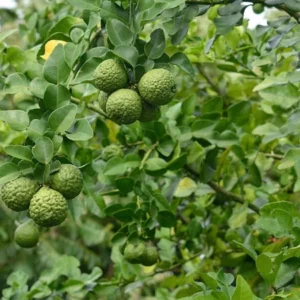
Sold 50 products
Original price was: $89.99.$57.99Current price is: $57.99.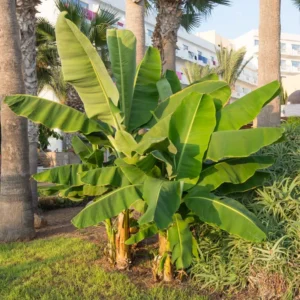
Sold 62 products
Original price was: $49.99.$34.99Current price is: $34.99.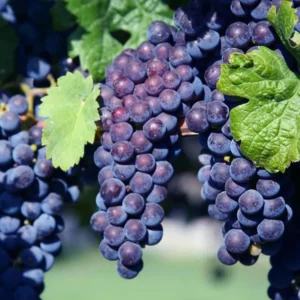
Sold 84 products
Original price was: $56.99.$44.90Current price is: $44.90.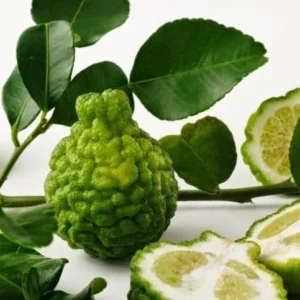
Fruits
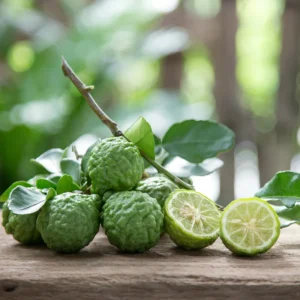
Kaffir Lime Starter Plug – Kaffir Lime Citrus Fruit Plants-Lemon Tree 2-3 Inch Live Plant Seedling
Sold 97 products
Original price was: $68.99.$47.99Current price is: $47.99.
Sold 50 products
Original price was: $72.99.$52.99Current price is: $52.99.
Sold 70 products
Original price was: $38.80.$19.40Current price is: $19.40.
Sold 52 products
Original price was: $64.99.$34.99Current price is: $34.99.
Sold 99 products
Original price was: $58.58.$29.29Current price is: $29.29.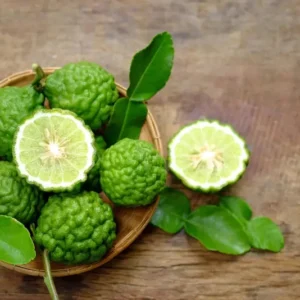
Reviews
There are no reviews yet.