NEED SUPPORT WITH YOUR ORDER? Get in touch
Not satisfied with your purchase?
Enter your Order ID on website, and we'll resolve it right away.


Original price was: $130.99.$111.99Current price is: $111.99.
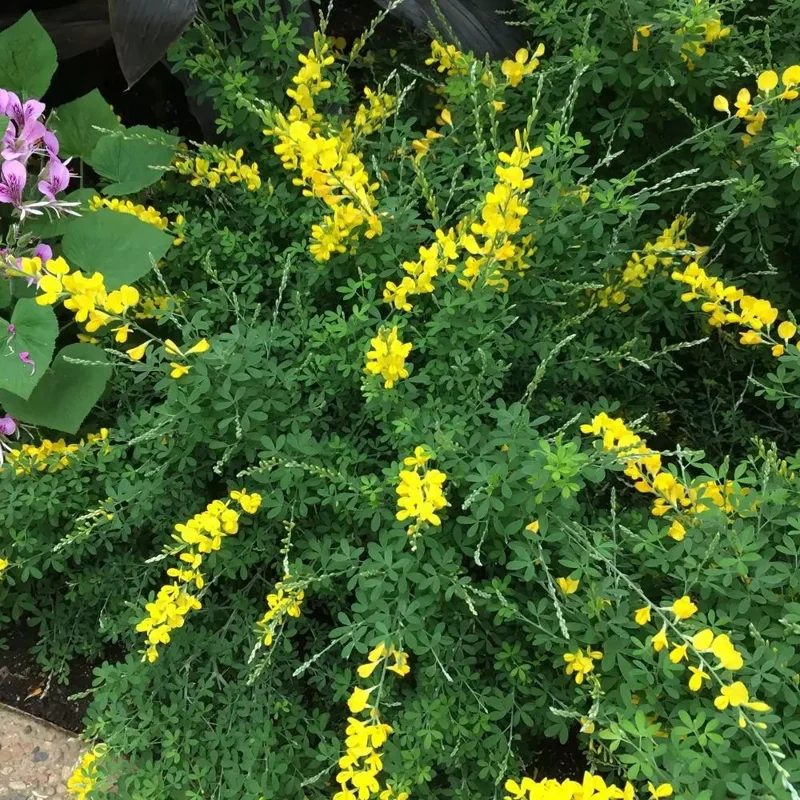
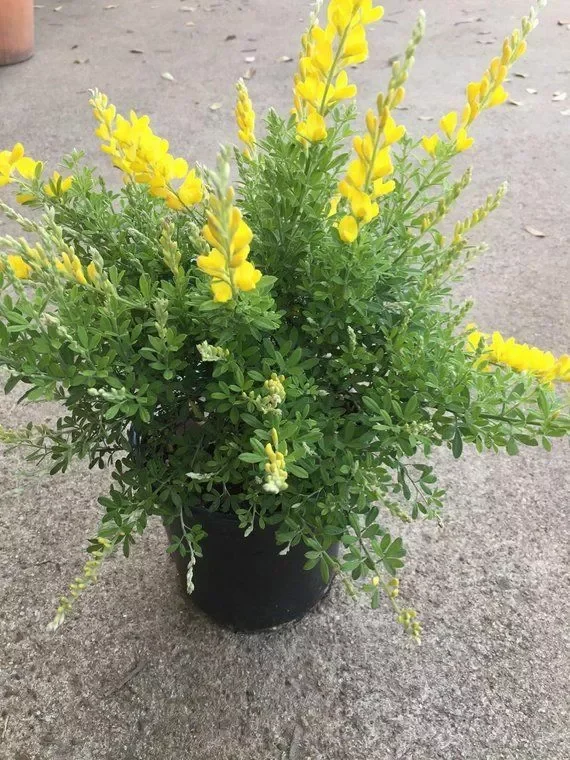
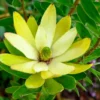
Bring vibrant golden yellow blooms to your garden with this beautiful Sweet Broom live plant. Also known as Cytisus x spachianus, this easy-care, fragrant shrub attracts pollinators and is ideal for outdoor landscapes.
Mar 03
Mar 08 - Mar 10
Mar 13 - Mar 17
USDA Hardiness Zone
Soil Type
Sunlight Exposure
Expected Planting Period
Shipping and return policies: Our Alive & Thrive Guarantee covers issues with your plants within the first 30 days. Get in touch with us via email, and our team will review your concerns and, if necessary, provide you with a one-time replacement at no cost.
If you're unsure about your hardiness zone, feel free to reach out to us. Our team will answer your questions and help you find the plants that are truly suitable for your environment, climate, and personal preferences.
Introduce a splash of vibrant golden yellow to your outdoor space with the stunning Sweet Broom live plant (Cytisus x spachianus). This robust and easy-to-grow shrub is celebrated for its abundant, pea-like golden blooms that emerge in spring, creating a breathtaking display. Often referred to as Genista spachiana or Cytisus racemosus, this plant is a familiar and cherished addition to many landscapes, offering both visual appeal and a delightful, sweet fragrance. Perfect for gardeners seeking a low-maintenance yet impactful plant, the Cytisus spachianus shrub is known for its ability to attract beneficial pollinators like bees and butterflies, contributing to a healthier garden ecosystem. Its distinctive vase-shaped form and arching branches add architectural interest, making it a versatile choice for borders, foundation plantings, or as a standalone specimen. Originating from the Canary Islands, this broadleaf evergreen brings a touch of wild elegance and natural beauty to any setting.
The Sweet Broom live plant is not just about its captivating flowers; it also offers practical benefits. As a nitrogen-fixing plant, it naturally enriches the soil, promoting healthier growth for surrounding flora. Its rapid growth rate means you won’t have to wait long to enjoy its full splendor. Standing approximately 15-20 inches tall upon arrival, these plants are ready to establish quickly in your garden. Whether you’re a seasoned gardener or just starting, this beautiful shrub promises to be a rewarding addition, transforming your garden into a lively and fragrant haven.
The Sweet Broom live plant offers a multitude of advantages for your garden and the environment. Its easy-care nature makes it a favorite among busy gardeners, while its ecological contributions are invaluable. Enjoy these significant benefits:
Caring for your Sweet Broom live plant is straightforward, ensuring a rewarding experience with abundant blooms. This resilient shrub thrives with minimal fuss, making it an excellent choice for a variety of garden settings. For optimal growth and flowering, plant your Sweet Broom in a location that receives full sun exposure. This means at least 6-8 hours of direct sunlight per day, which is crucial for the development of its stunning golden yellow flowers. While it can tolerate some partial shade, full sun will yield the most prolific blooms and robust growth. The Sweet Broom is adaptable to various soil types, but it performs best in well-draining soil. Avoid heavy, waterlogged soils, as this can lead to root issues. A slightly acidic to neutral pH is generally preferred. When planting, amend heavy clay soils with organic matter to improve drainage.
Watering requirements for the Cytisus spachianus shrub are moderate, especially during its establishment phase. Water regularly after planting to keep the soil consistently moist but not saturated. Once established, the plant becomes remarkably drought-tolerant, requiring less frequent watering. During prolonged dry spells, occasional deep watering will be beneficial. Fertilization is generally not heavily required due to its nitrogen-fixing capabilities. If your soil is particularly poor, a balanced, slow-release fertilizer can be applied in early spring. Pruning should be done after flowering to maintain shape and encourage bushier growth. Remove any dead, damaged, or crossing branches to improve air circulation and plant health. The drought tolerant shrub is generally hardy in USDA zones 8-10, tolerating temperatures down to about 10-20°F. In colder zones, it can be grown in containers and brought indoors during winter, or treated as an annual.
This Sweet Broom live plant arrives ready for planting, typically measuring approximately 15-20 inches in height. It is shipped without the container to ensure safe and secure transit, with the root ball carefully wrapped and protected. Once established in your garden, this vase-shaped, broadleaf evergreen shrub will mature to an impressive height of 5-8 feet tall with a spread of 5-7 feet wide, creating a substantial and attractive presence. Its rapid growth rate means you will quickly enjoy its full beauty and vibrant spring blooms. The arching branches contribute to its elegant form, making it a focal point in any landscape. Expect the plant to bloom profusely in the spring, adding a vibrant splash of golden yellow color to your garden just as the weather warms. This plant is a long-lived addition to the landscape, providing years of beauty and ecological benefits.
You must be logged in to post a review.
Sold 84 products
Original price was: $55.98.$27.99Current price is: $27.99.
Sold 76 products
Original price was: $74.99.$44.99Current price is: $44.99.
Sold 61 products
Original price was: $70.99.$40.99Current price is: $40.99.
Sold 51 products
Original price was: $74.99.$44.99Current price is: $44.99.
Sold 66 products
Original price was: $55.58.$27.79Current price is: $27.79.
Sold 66 products
Original price was: $70.99.$40.99Current price is: $40.99.
Sold 67 products
Original price was: $53.98.$26.99Current price is: $26.99.
Sold 54 products
Original price was: $74.99.$44.99Current price is: $44.99.
Reviews
There are no reviews yet.