NEED SUPPORT WITH YOUR ORDER? Get in touch
Not satisfied with your purchase?
Enter your Order ID on website, and we'll resolve it right away.

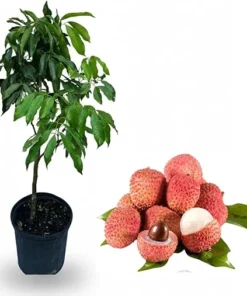
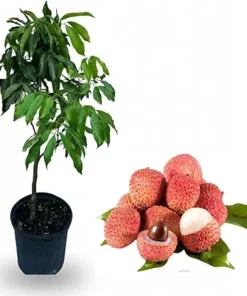
Original price was: $160.00.$140.00Current price is: $140.00.
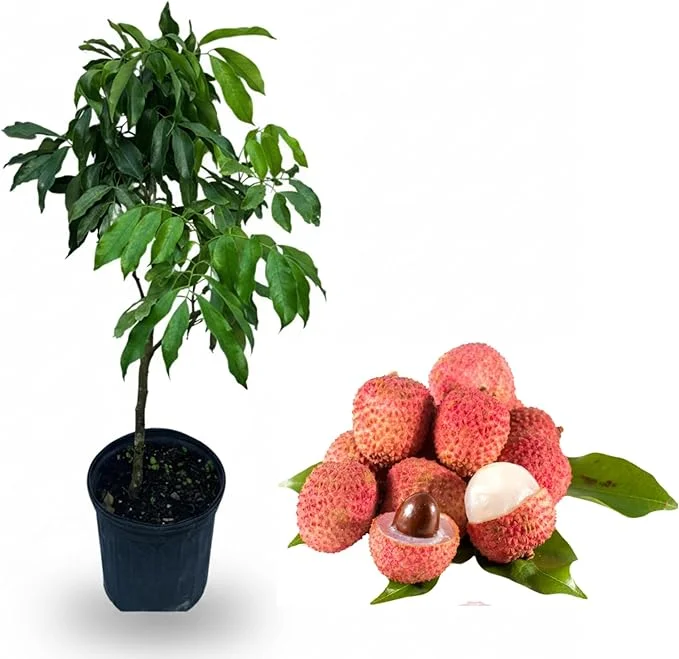
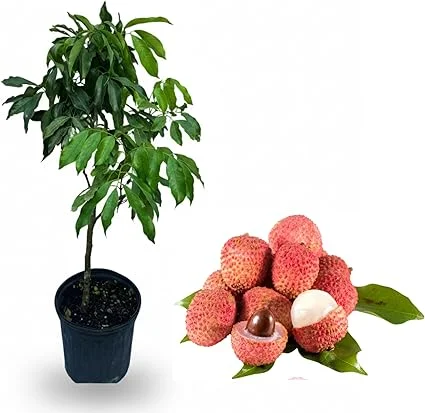
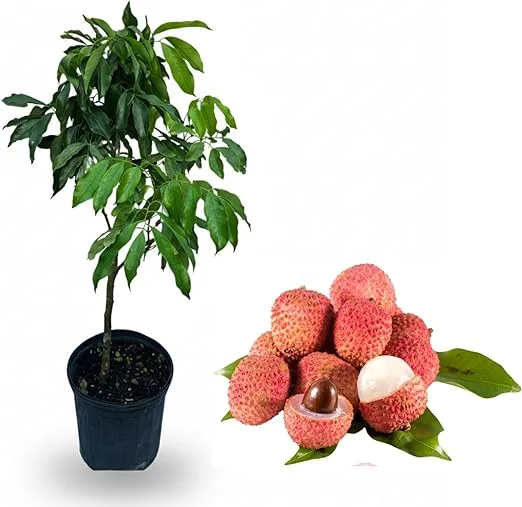
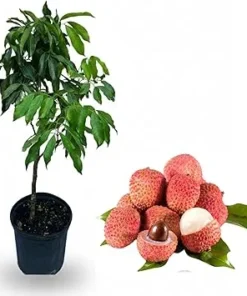
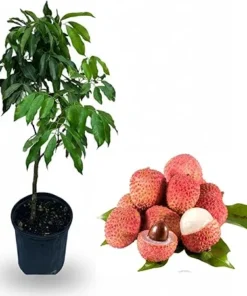
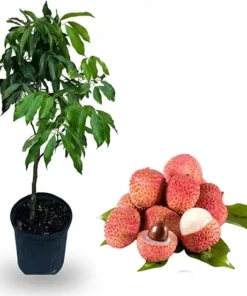
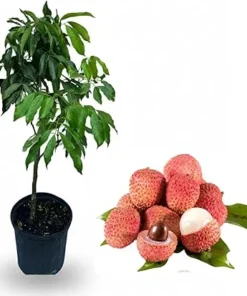
Bring the tropics to your home with a sweetheart lychee tree. This tropical fruit tree is a live, air-layered plant, standing 3-4 feet tall in a 3-gallon pot, perfect for Zones 10-11. Enjoy delicious, sweet lychee fruit from your own garden.
Feb 07
Feb 12 - Feb 14
Feb 17 - Feb 21
USDA Hardiness Zone
Soil Type
Sunlight Exposure
Expected Planting Period
Shipping and return policies: Our Alive & Thrive Guarantee covers issues with your plants within the first 30 days. Get in touch with us via email, and our team will review your concerns and, if necessary, provide you with a one-time replacement at no cost.
If you're unsure about your hardiness zone, feel free to reach out to us. Our team will answer your questions and help you find the plants that are truly suitable for your environment, climate, and personal preferences.
Cultivate your own exotic harvest with the magnificent sweetheart lychee tree. This live, air-layered plant is a true gem for any tropical fruit enthusiast, offering the promise of succulent, sweet lychee fruits right in your backyard or greenhouse. Standing impressively at 3-4 feet tall and comfortably rooted in a 3-gallon pot, this specimen is ready to establish itself and begin its journey towards fruit production. The ‘Sweetheart’ variety is renowned for its heart-shaped, large, and incredibly sweet fruit, making it a highly sought-after choice among lychee connoisseurs. Originating from Southeast Asia, the lychee (Litchi chinensis) is a symbol of love and good fortune, and growing your own provides not only a delightful culinary experience but also a beautiful ornamental addition to your landscape. This particular lychee plant care guide will assist you in nurturing your new tropical treasure.
The process of air-layering ensures that your new sweetheart lychee tree is a clone of a mature, fruit-producing parent plant, meaning it will retain all the desirable characteristics of the ‘Sweetheart’ variety and typically begin fruiting sooner than trees grown from seed. Its vibrant green foliage provides lush beauty year-round, and the anticipation of its fragrant flowers and subsequent delicious fruit makes it a highly rewarding plant to grow. For those in suitable climates (USDA Hardiness Zones 10-11), this tree thrives outdoors, while gardeners in cooler regions can successfully grow it in large containers, moving it indoors during colder months. Embrace the joy of fresh, homegrown tropical fruit with this exceptional litchi fruit tree.
Adding a sweetheart lychee tree to your garden or patio offers a wealth of benefits, transforming your space into a productive tropical oasis. Beyond the sheer delight of fresh fruit, this plant contributes significantly to your environment and well-being.
Successful lychee plant care is crucial for a thriving tree and bountiful harvests. The sweetheart lychee tree, while rewarding, does have specific environmental needs that, when met, will ensure its optimal growth and fruit production. Proper care begins with understanding its requirements for sunlight, water, soil, and temperature.
For best fruiting, your sweetheart lychee tree requires full sun exposure, meaning 6–8 hours of direct sunlight daily. In extremely hot climates, some afternoon shade can be beneficial to prevent leaf scorch, especially for young trees. When it comes to watering, consistent moisture is key, particularly during flowering and fruit development. Deep watering is recommended, allowing the top few inches of soil to dry out slightly between waterings, but never letting the soil become completely parched. Good drainage is paramount; lychees do not tolerate standing water, which can lead to root rot. A well-draining soil mix is essential, ideally slightly acidic with a pH between 6.0 and 7.0. Incorporating organic matter can improve soil structure and nutrient retention.
The ‘Sweetheart’ air-layered lychee thrives in USDA Hardiness Zones 10-11, preferring warm, humid conditions. It is sensitive to frost, so protection is necessary if temperatures drop below freezing. If grown in a container, move the tree indoors to a bright, warm location during winter. Fertilization should be done regularly during the growing season (spring through fall) with a balanced fertilizer formulated for tropical fruit trees, or one with a slightly higher phosphorus content to encourage blooming and fruiting. Reduce feeding during dormancy. Watch out for common pests like aphids, mealybugs, and scale insects, treating them promptly with horticultural oil or insecticidal soap. Providing adequate humidity, especially for indoor plants, can help prevent spider mites and leaf issues, ensuring a healthy and productive litchi fruit tree.
This offering is for one sweetheart lychee tree, a robust live plant that measures approximately 3-4 feet tall from the base of the pot to the top of the foliage. It comes carefully rooted in a 3-gallon nursery pot, providing a substantial root ball and a strong start for transplanting. The air-layering propagation method ensures a genetically identical clone of a mature, fruit-producing parent, which means you can expect fruit production to begin sooner than with seed-grown trees, typically within 2-3 years under ideal conditions. Its mature size can reach 20-40 feet tall if planted in the ground in suitable climates, but it can be maintained at a smaller, more manageable size through pruning, especially when grown in containers. The plant will arrive well-packaged, ready for immediate planting in its permanent location, whether in the ground or a larger container.
The ‘Sweetheart’ variety is known for its vigorous growth and consistent production of large, heart-shaped fruit. Expect the tree to grow at a moderate rate, adding significant height and canopy density each year. The fruit typically ripens in late spring to early summer, depending on your specific climate and growing conditions. This particular tropical fruit tree is a fantastic investment for anyone looking to enjoy the delicious and unique flavor of fresh lychees, and with proper lychee plant care, it will provide many years of enjoyment and abundant harvests.
You must be logged in to post a review.
Sold 68 products
Original price was: $359.98.$179.99Current price is: $179.99.
Sold 53 products
Original price was: $259.98.$129.99Current price is: $129.99.
Sold 83 products
Original price was: $59.98.$29.99Current price is: $29.99.
Sold 82 products
Original price was: $256.36.$128.18Current price is: $128.18.
Sold 73 products
Original price was: $319.98.$159.99Current price is: $159.99.
Sold 73 products
Original price was: $243.98.$121.99Current price is: $121.99.
Sold 80 products
Original price was: $257.98.$128.99Current price is: $128.99.
Sold 58 products
Original price was: $48.98.$24.49Current price is: $24.49.
Reviews
There are no reviews yet.