NEED SUPPORT WITH YOUR ORDER? Get in touch
Not satisfied with your purchase?
Enter your Order ID on website, and we'll resolve it right away.


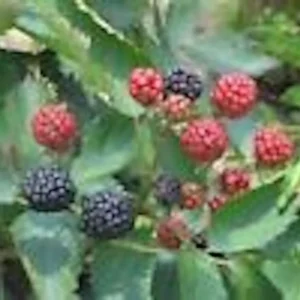
Original price was: $75.99.$50.99Current price is: $50.99.
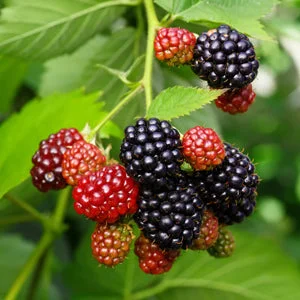
Cultivate your own supply of fresh, nutritious berries with this blackberry plant starter pack. You’ll receive 3 bare root perennial plants, perfect for establishing a thriving patch in your garden. Enjoy the health benefits and delicious taste of homegrown Rubus fruit for years to come.
Mar 03
Mar 08 - Mar 10
Mar 13 - Mar 17
USDA Hardiness Zone
Soil Type
Sunlight Exposure
Expected Planting Period
Shipping and return policies: Our Alive & Thrive Guarantee covers issues with your plants within the first 30 days. Get in touch with us via email, and our team will review your concerns and, if necessary, provide you with a one-time replacement at no cost.
If you're unsure about your hardiness zone, feel free to reach out to us. Our team will answer your questions and help you find the plants that are truly suitable for your environment, climate, and personal preferences.
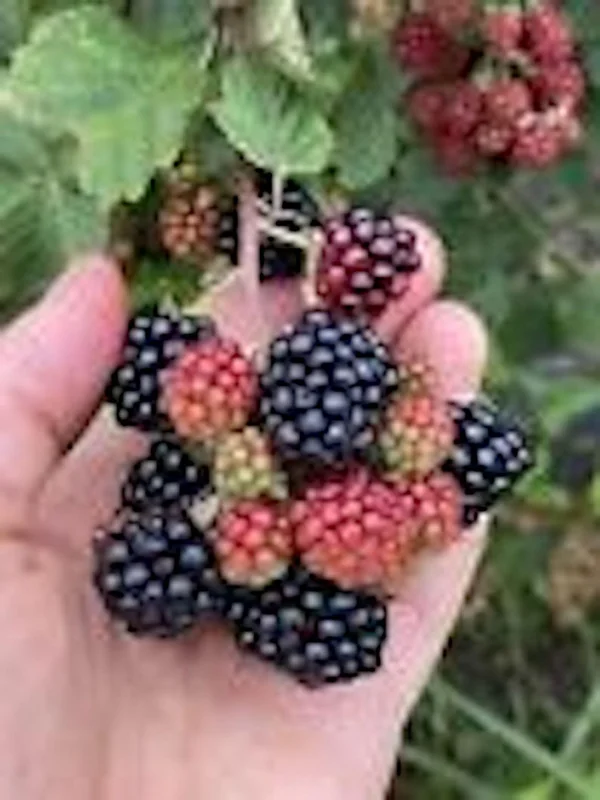
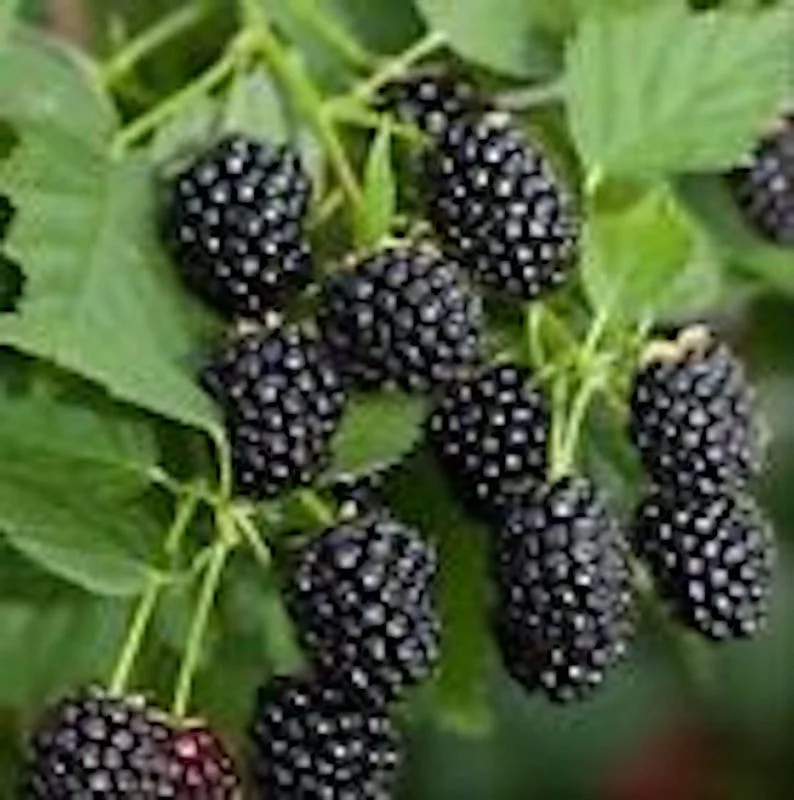
Embark on a rewarding gardening journey by cultivating your own delicious blackberries with this blackberry plant starter pack. This collection provides three bare root perennial plants, offering everything you need to establish a thriving blackberry patch right in your backyard. These fruiting shrubs, belonging to the Rubus genus, are renowned for their succulent and nutritious berries. Each berry is a powerhouse of essential nutrients, including vital antioxidants, a rich supply of vitamin C, vitamin K, potassium, and dietary fiber. Not only are they incredibly flavorful, but they are also naturally low in fat, making them an excellent and healthy addition to any diet. Learning how to grow blackberries has never been more accessible or more fulfilling, promising years of fresh, homegrown fruit.
Our bare root blackberry plants are an economical and effective way to begin your berry production. They establish quickly once planted and offer robust growth. Blackberries are surprisingly straightforward to cultivate, exhibiting care requirements similar to those of wild roses. These resilient plants adapt to a wide array of growing conditions, offering a bountiful harvest of healthy Rubus fruit. With proper care, these plants can produce for up to a decade, making them a sustainable and valuable addition to your home garden.
Growing your own blackberry plant offers a multitude of benefits, from fresh culinary delights to enhancing your garden’s aesthetic and health. These plants are a smart choice for any gardener looking for a rewarding and productive experience.
For optimal growth and a bountiful harvest from your blackberry plant, understanding their specific care requirements is crucial. These resilient plants are relatively low-maintenance, but providing the right conditions will maximize their fruit production and longevity. A key aspect of successful blackberry care is ensuring they receive adequate sunlight. Blackberries reach their peak fruit production when exposed to full sun for the majority of the day, ideally 6-8 hours. For gardeners in warmer climates, providing some afternoon shade can be beneficial to prevent stress and scorching of the leaves and fruit.
The selection of an appropriate planting site is paramount for the long-term health and productivity of your blackberry bushes. For optimal growth, blackberries thrive in slightly acidic soil (pH 6.0-6.5) that boasts excellent drainage. It is crucial to avoid heavy clay soils, which can impede root development and lead to waterlogging, which blackberries do not tolerate well. Utilizing raised beds or elevated planting sites can significantly improve drainage and offer added protection to delicate flower buds from unexpected late spring frosts. Consistent, moderate watering is another vital component of good blackberry care. Blackberry plants require approximately one inch of water per week, whether through natural rainfall or supplemental ground-level irrigation. However, it is vital to avoid overwatering, as these plants do not tolerate excessively wet soil conditions. Fertilize your blackberry plant in early spring with a balanced fertilizer, avoiding excessive nitrogen which can promote leafy growth at the expense of fruit.
Pruning is an essential part of blackberry care to ensure continuous high yields. Most blackberry varieties produce fruit on canes that grew the previous year (floricanes). After fruiting, these floricanes will die back and should be pruned to the ground. New primocanes will emerge and grow during the current season, which will then produce fruit the following year. Regular pruning also helps maintain plant health, improves air circulation, and makes harvesting easier. These particular bare root blackberry plants are commonly hardy in USDA zones 5 through 10, making them suitable for a wide range of climates across the US.
This offering includes 3 individual bare root blackberry plants. Bare root plants are dormant when shipped, allowing for easy and stress-free transplanting directly into your garden or a larger container. Once planted, these perennials will establish their root system and begin to grow vigorously. Mature blackberry bushes typically grow to a height of 3-6 feet and can spread similarly, depending on the variety and pruning practices. Expect these plants to begin producing fruit in their second year after planting, providing bountiful harvests of delicious Rubus fruit for up to a decade or more with proper care. These plants are an excellent investment for a sustainable source of homegrown fruit.
You must be logged in to post a review.

Sold 80 products
Original price was: $72.99.$52.99Current price is: $52.99.
Sold 76 products
Original price was: $64.99.$34.99Current price is: $34.99.
Sold 50 products
Original price was: $38.80.$19.40Current price is: $19.40.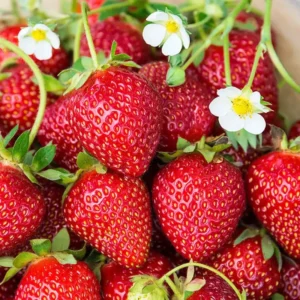
Sold 55 products
Original price was: $72.99.$52.99Current price is: $52.99.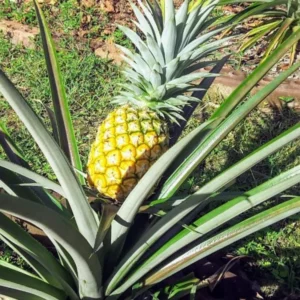
Sold 78 products
Original price was: $39.98.$19.99Current price is: $19.99.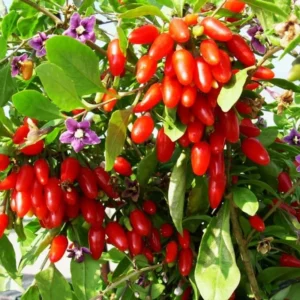
Sold 61 products
Original price was: $73.98.$36.99Current price is: $36.99.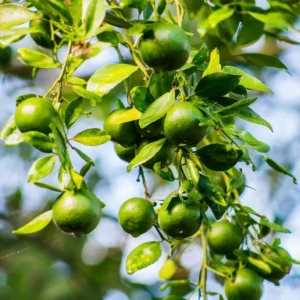
Sold 81 products
Original price was: $68.99.$47.99Current price is: $47.99.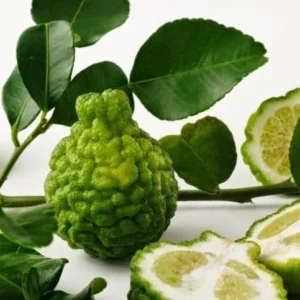
Fruits
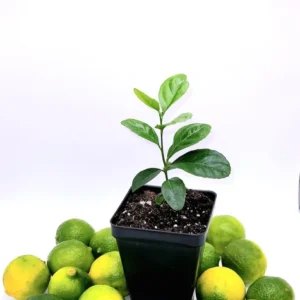
Kaffir Lime Starter Plug – Kaffir Lime Citrus Fruit Plants-Lemon Tree 2-3 Inch Live Plant Seedling
Sold 72 products
Original price was: $68.99.$47.99Current price is: $47.99.


Reviews
There are no reviews yet.