NEED SUPPORT WITH YOUR ORDER? Get in touch
Not satisfied with your purchase?
Enter your Order ID on website, and we'll resolve it right away.


Original price was: $52.99.$28.99Current price is: $28.99.
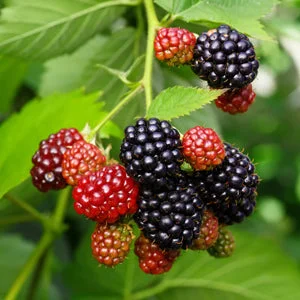
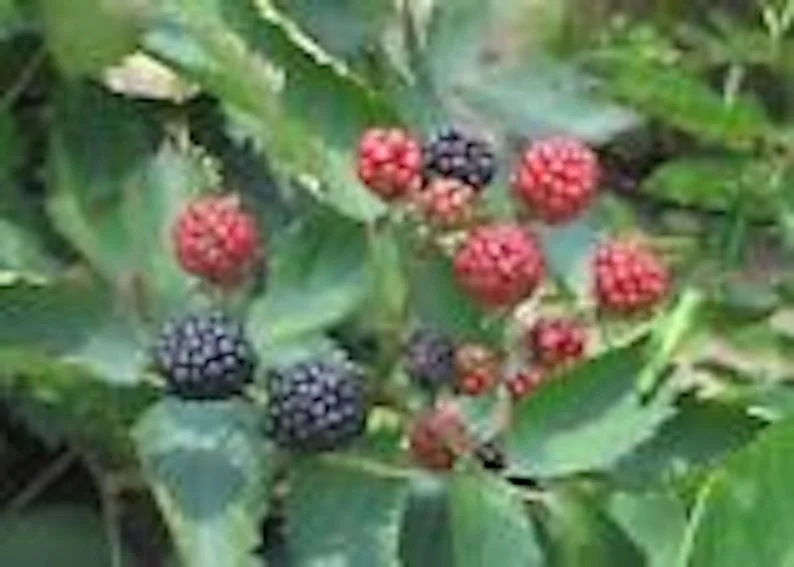
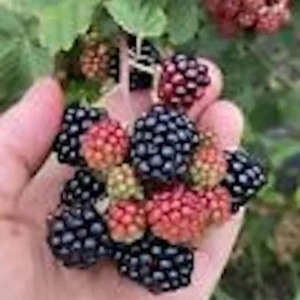
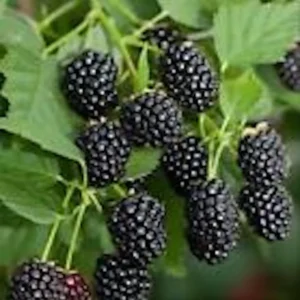
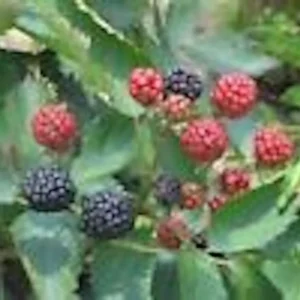
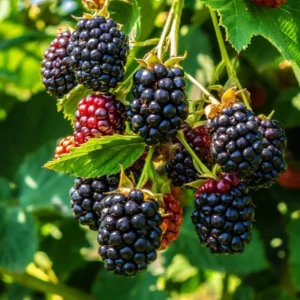
Cultivate your own succulent blackberry bare root plant. This robust perennial is ideal for home gardens, offering delicious, antioxidant-rich fruit. Easy to grow and adaptable to various conditions, it’s perfect for both novice and experienced gardeners seeking a rewarding harvest of fresh berries.
Mar 03
Mar 08 - Mar 10
Mar 13 - Mar 17
USDA Hardiness Zone
Soil Type
Sunlight Exposure
Expected Planting Period
Shipping and return policies: Our Alive & Thrive Guarantee covers issues with your plants within the first 30 days. Get in touch with us via email, and our team will review your concerns and, if necessary, provide you with a one-time replacement at no cost.
If you're unsure about your hardiness zone, feel free to reach out to us. Our team will answer your questions and help you find the plants that are truly suitable for your environment, climate, and personal preferences.
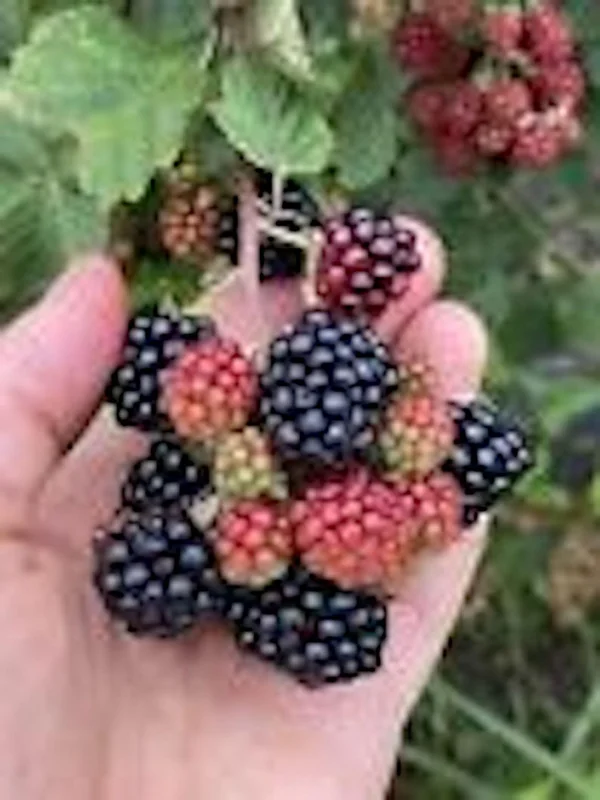
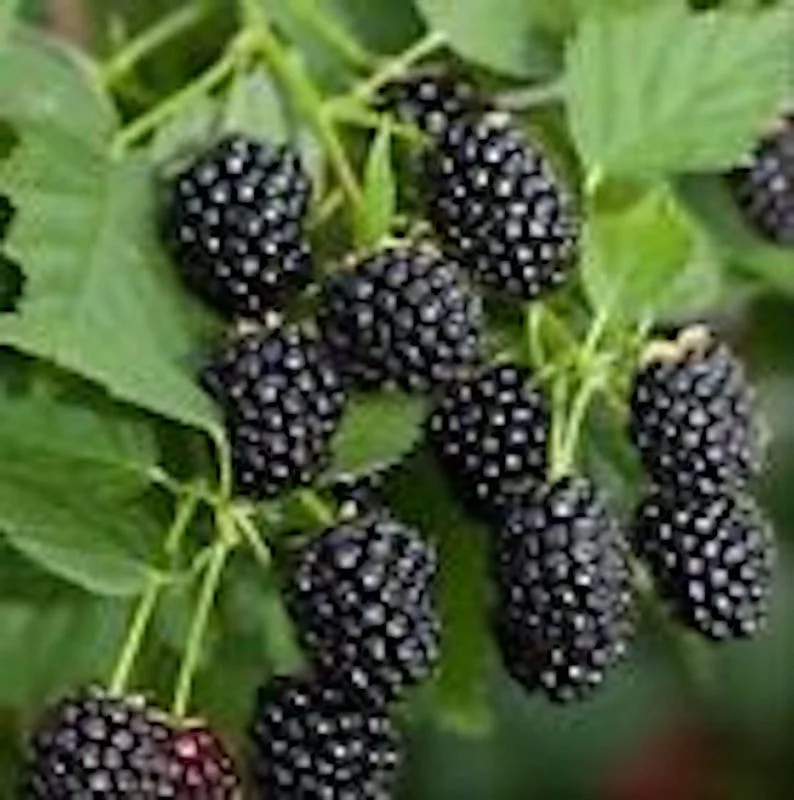
Start your journey to a bountiful harvest with this blackberry bare root plant. This robust perennial, a member of the genus Rubus, is perfect for cultivating delectable and nutritious fruit in your home garden. Known for their ease of care and adaptability, these fruiting shrubs are an excellent choice for both beginner and seasoned gardeners. Enjoy the satisfaction of picking fresh, antioxidant-rich blackberries directly from your backyard. This starter plant arrives ready for immediate planting, promising a rewarding harvest for years to come. With proper care, your blackberry bare root plant will thrive, providing an abundant supply of delicious fruit.
Blackberries are celebrated not only for their sweet and tangy flavor but also for their impressive nutritional profile. They are packed with essential vitamins like C and K, potassium, and dietary fiber, making them a healthy addition to any diet. Growing your own ensures you have access to the freshest berries, free from common store-bought additives. This resilient plant is designed to be low-maintenance, adapting well to various growing conditions and offering a long-lived source of fruit.
Growing your own blackberry bare root plant offers numerous advantages, transforming your garden into a productive and beautiful space while providing healthy, fresh fruit. This perennial fruit plant is a fantastic investment for any home gardener.
Caring for your blackberry bare root plant is straightforward, ensuring a bountiful harvest with consistent effort. These plants are remarkably adaptable and simple to cultivate, sharing similarities with rose bushes in terms of resilience. For optimal growth and fruit production, proper site selection and consistent care are crucial. Blackberries flourish best in locations receiving full sun, ideally 6-8 hours of direct sunlight daily. While they can tolerate some afternoon shade, especially in warmer climates, full sun is most conducive to productive fruit yield. Careful site selection is key to ensuring a long and productive life for your perennial fruit plant.
The soil should be slightly acidic (pH 6.0-6.5) and well-draining; these plants do not perform well in heavy clay. Incorporating compost can greatly improve soil quality, providing the necessary nutrients and enhancing drainage. Utilizing raised beds or elevated planting sites can significantly enhance drainage and help protect delicate flower buds from late spring frosts. These plants require moderate watering, ideally about one inch per week, whether through natural rainfall or ground-level irrigation. It is important to prevent waterlogged conditions, as excessive moisture can lead to root rot. Fertilize in early spring with a balanced slow-release fertilizer designed for fruiting plants. Pruning is essential for maintaining plant health and maximizing fruit production; typically, prune out old canes after they have fruited and thin new canes in late winter.
Blackberries are generally hardy and resistant to many pests and diseases. However, monitoring for common issues like aphids or fungal spots and addressing them promptly will keep your plants healthy. Ensure good air circulation around the plants to minimize fungal problems. With these basic care guidelines, your blackberry plant care routine will ensure a thriving and productive blackberry patch for many years.
Your blackberry bare root plant starter will arrive prepared for immediate planting in your garden. These plants are known for their vigorous growth and can reach impressive sizes with proper care. Typically, blackberry plants can grow to be 5-8 feet tall and wide, depending on pruning practices and environmental conditions. They are long-lived, often producing fruit for up to a decade or more. The bare root form ensures the plant establishes quickly once planted, focusing its energy on root development before foliage growth. Expect fruit production to begin in the second year after planting.
This fruiting shrub is a valuable addition to any edible landscape, offering both ornamental appeal and a reliable source of fresh fruit. Its robust nature makes it suitable for various garden designs, from hedgerows to trellised rows. The Rubus fruit plant is a versatile choice for gardeners looking to enhance their outdoor space with a productive and attractive specimen.
You must be logged in to post a review.
Sold 81 products
Original price was: $73.98.$36.99Current price is: $36.99.
Sold 82 products
Original price was: $38.80.$19.40Current price is: $19.40.
Sold 83 products
Original price was: $55.98.$27.99Current price is: $27.99.
Sold 100 products
Original price was: $68.99.$47.99Current price is: $47.99.
Sold 77 products
Original price was: $38.80.$19.40Current price is: $19.40.
Sold 70 products
Original price was: $64.99.$34.99Current price is: $34.99.
Sold 69 products
Original price was: $58.58.$29.29Current price is: $29.29.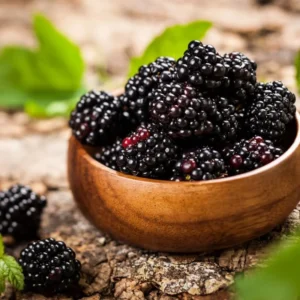
Sold 58 products
Original price was: $57.98.$28.99Current price is: $28.99.
Reviews
There are no reviews yet.