NEED SUPPORT WITH YOUR ORDER? Get in touch
Not satisfied with your purchase?
Enter your Order ID on website, and we'll resolve it right away.





Original price was: $50.99.$21.99Current price is: $21.99.
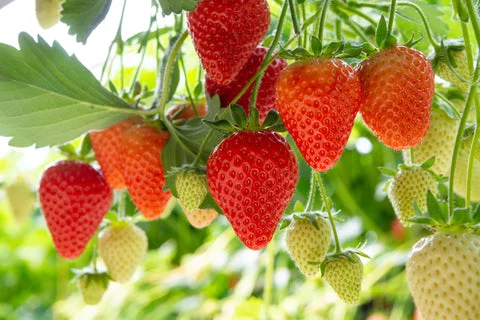
Cultivate your own sweet harvest with this 5-pack of Tennessee Beauty strawberry plant starts. These junebearing strawberry plants are known for producing medium to large, bright red, firm berries with exceptional flavor. Perfect for fresh eating, preserves, or baking, these perennial fruit plants are vigorous, hardy, and easy to care for, making them a great choice for any garden.
Mar 03
Mar 08 - Mar 10
Mar 13 - Mar 17
USDA Hardiness Zone
Soil Type
Sunlight Exposure
Expected Planting Period
Shipping and return policies: Our Alive & Thrive Guarantee covers issues with your plants within the first 30 days. Get in touch with us via email, and our team will review your concerns and, if necessary, provide you with a one-time replacement at no cost.
If you're unsure about your hardiness zone, feel free to reach out to us. Our team will answer your questions and help you find the plants that are truly suitable for your environment, climate, and personal preferences.
Bring the joy of home-grown fruit to your garden with the exceptional Tennessee Beauty strawberry plant. This bundle provides 5 individual live plants, ready to establish and produce abundant harvests. Renowned for its superior fruit quality, attractive appearance, and straightforward care, the Tennessee Beauty variety is a popular choice among both novice and experienced gardeners. As a junebearing strawberry plant, it offers a concentrated, prolific harvest of delicious berries, making it an ideal addition for those eager to savor fresh, sweet strawberries directly from their garden. These robust perennial fruit plants will return year after year, providing a consistent supply of delightful fruit with proper care.
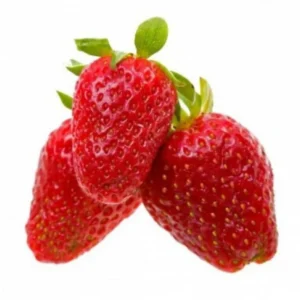
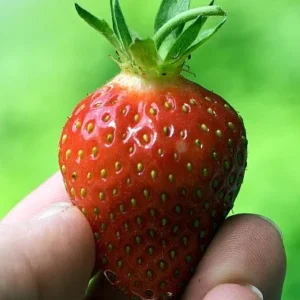
The Tennessee Beauty produces medium to large, firm, and vibrantly bright red berries, celebrated for their deliciously sweet flavor. These versatile strawberries are perfect for a wide range of culinary uses, whether enjoyed fresh, transformed into preserves, or incorporated into your favorite baked goods. Beyond its productivity, this strawberry variety also boasts lush green foliage, adding an ornamental touch to any garden space. Its adaptability and robust nature make it a fantastic choice for various climates, especially those with colder winters, ensuring a successful and rewarding gardening experience.
Growing your own strawberries offers immense satisfaction and a continuous supply of fresh, healthy fruit. The Tennessee Beauty strawberry plant variety brings numerous advantages to your garden:
Caring for your Tennessee Beauty strawberry plant is relatively straightforward, ensuring a bountiful harvest for years to come. These plants thrive in full sun, requiring at least 6-8 hours of direct sunlight daily for optimal fruit production. While adaptable, they prefer well-drained, fertile soil with a slightly acidic pH (between 5.5 and 6.5). Before planting, enrich your soil with organic matter to improve drainage and nutrient content. Proper soil preparation is key for these perennial fruit plants.
Regular watering is crucial, especially during dry periods and when the plants are fruiting. Aim to keep the soil consistently moist but never waterlogged. Deep, infrequent watering is generally better than shallow, frequent watering, encouraging deeper root growth. Mulching around the base of the plants with straw or wood chips helps retain soil moisture, suppresses weeds, and keeps the developing berries clean and off the soil. Fertilize your junebearing strawberry plants in early spring with a balanced slow-release fertilizer and again after the main harvest to encourage new growth and prepare for the next season.
This variety is known to be a disease resistant strawberry, but good cultural practices are still important. Ensure good air circulation and avoid overhead watering to minimize fungal issues. Remove any runners that emerge early in the season to direct the plant’s energy into fruit production unless you wish to expand your patch. For those looking to grow strawberries at home, early spring or fall is the ideal time for planting, allowing the roots to establish before extreme temperatures set in. With these simple tips, you can expect a thriving patch and delicious fruit.
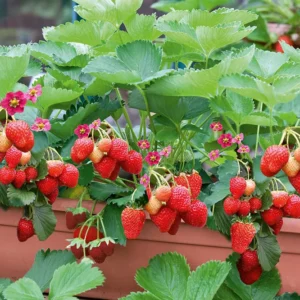
This offering includes 5 individual plants of the Tennessee Beauty strawberry variety. These live plants are shipped ready for planting and will quickly establish in your garden. Once mature, these vigorous plants typically reach a height of 12-18 inches and spread approximately 18-24 inches wide, making them suitable for various garden sizes, including raised beds and containers. They are known for a moderate to fast growth rate, quickly filling out their space with lush foliage and developing strong roots.
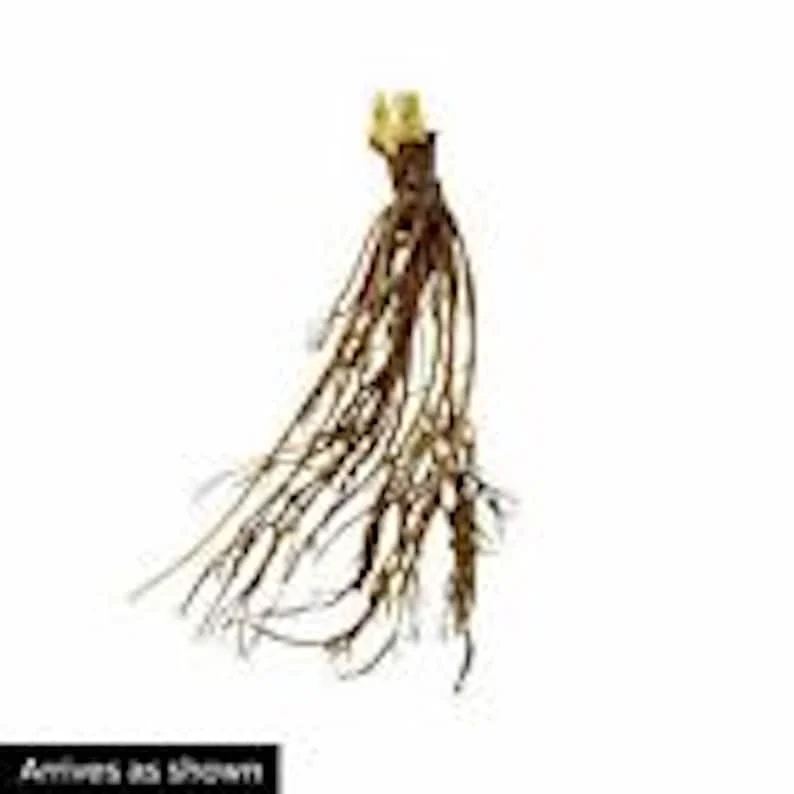
The Tennessee Beauty is a junebearing strawberry plant, meaning it produces one large crop of berries typically in late spring to early summer, depending on your local climate. Expect to see the first berries within the first year of planting, with production increasing in subsequent years as the plants mature. These perennial fruit plants will provide delicious harvests for many seasons. The plants are shipped as bare roots or small potted starts, ensuring they are healthy and ready to thrive upon arrival, ready to become a beautiful and productive part of your home garden.
You must be logged in to post a review.
Sold 76 products
Original price was: $68.99.$47.99Current price is: $47.99.
Sold 52 products
Original price was: $53.98.$26.99Current price is: $26.99.
Sold 98 products
Original price was: $64.99.$34.99Current price is: $34.99.
Sold 74 products
Original price was: $78.99.$48.99Current price is: $48.99.
Sold 83 products
Original price was: $79.99.$59.99Current price is: $59.99.
Sold 89 products
Original price was: $99.99.$79.99Current price is: $79.99.
Sold 89 products
Original price was: $78.99.$48.99Current price is: $48.99.
Sold 73 products
Original price was: $99.98.$49.99Current price is: $49.99.
Reviews
There are no reviews yet.