NEED SUPPORT WITH YOUR ORDER? Get in touch
Not satisfied with your purchase?
Enter your Order ID on website, and we'll resolve it right away.

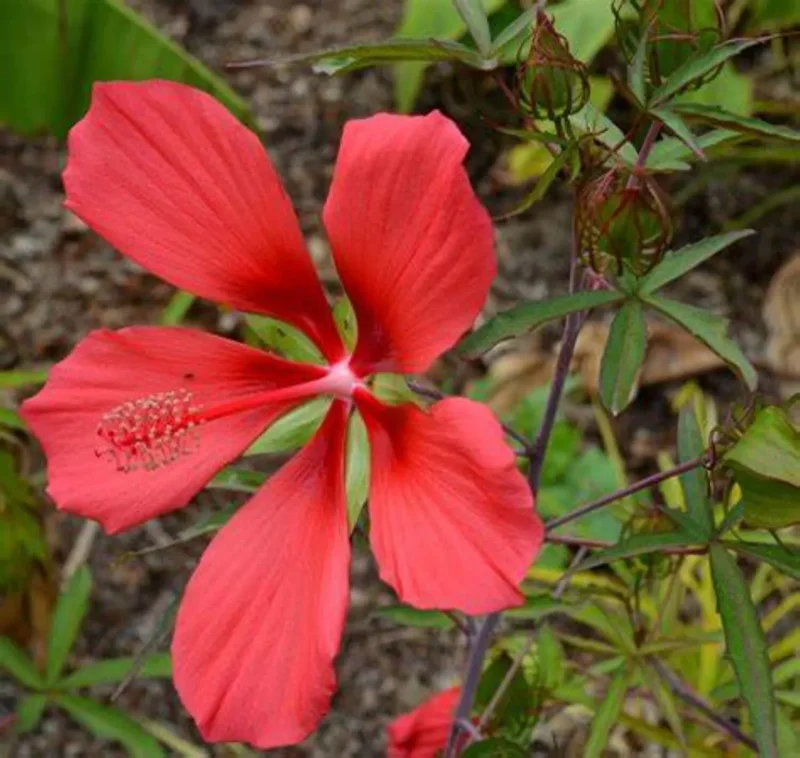
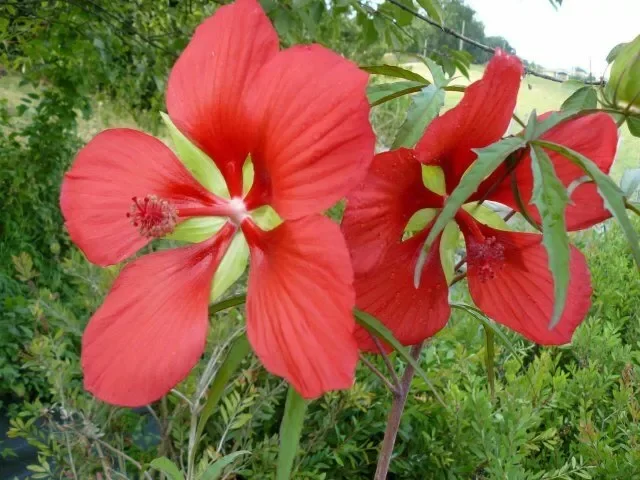
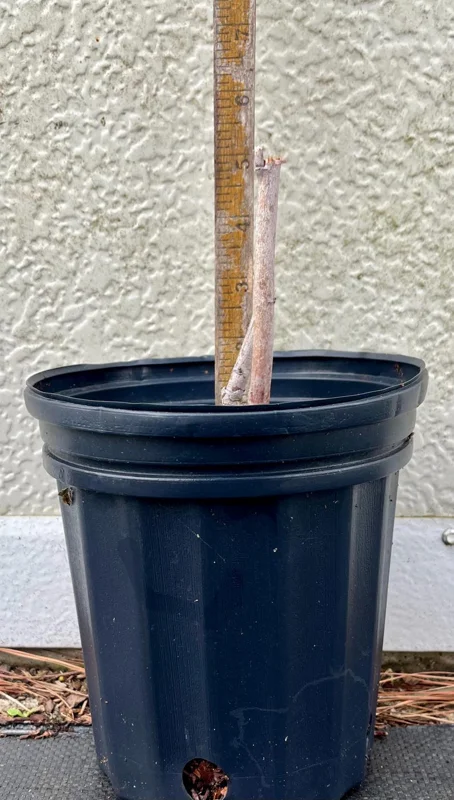
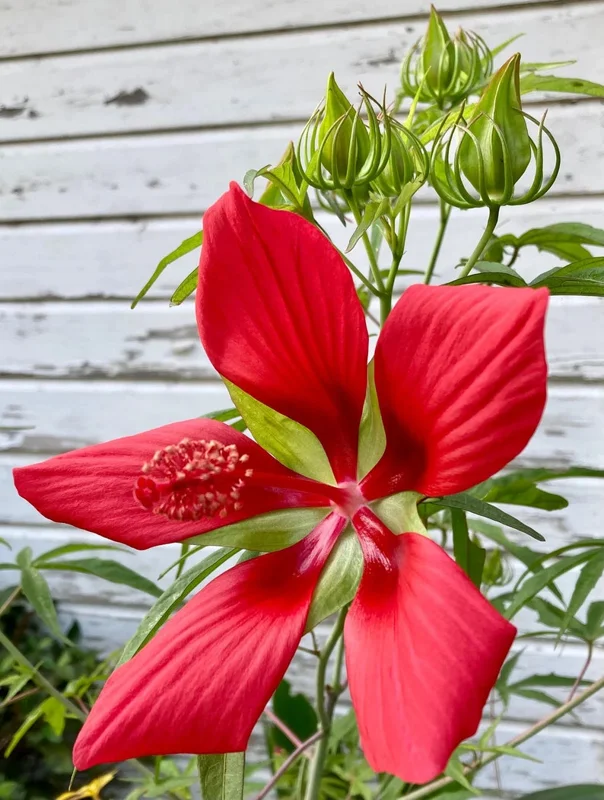
Original price was: $74.99.$54.99Current price is: $54.99.
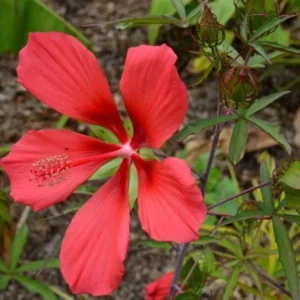
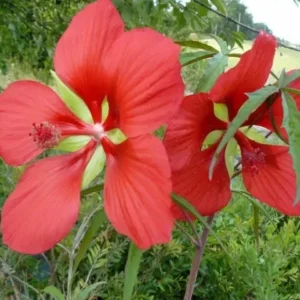
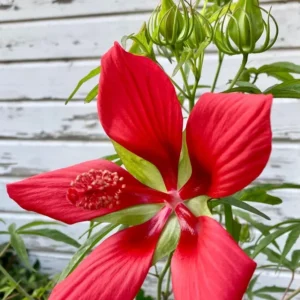
Bring vibrant color and ecological benefits to your garden with the scarlet rosemallow shrub. This hibiscus coccineus live plant is a stunning native perennial, featuring brilliant red flowers that attract hummingbirds and butterflies. Ideal for outdoor landscapes, it’s a low-maintenance choice for gardeners.
Mar 03
Mar 08 - Mar 10
Mar 13 - Mar 17
USDA Hardiness Zone
Soil Type
Sunlight Exposure
Expected Planting Period
Shipping and return policies: Our Alive & Thrive Guarantee covers issues with your plants within the first 30 days. Get in touch with us via email, and our team will review your concerns and, if necessary, provide you with a one-time replacement at no cost.
If you're unsure about your hardiness zone, feel free to reach out to us. Our team will answer your questions and help you find the plants that are truly suitable for your environment, climate, and personal preferences.
Transform your outdoor space with the breathtaking beauty of the scarlet rosemallow shrub. This remarkable hibiscus coccineus live plant, also known as the Texas Star Hibiscus, is a native perennial celebrated for its dramatic scarlet-red flowers. Blooming generously from summer through fall, it creates a continuous spectacle of color that invigorates any garden. As a native species, it is perfectly adapted to local climates and requires minimal care once established, making it an excellent choice for both novice and experienced gardeners. Offering both visual appeal and ecological benefits, this shrub is a true garden gem.
The scarlet rosemallow shrub is a resilient and visually striking plant that will quickly become a focal point in your landscape. Its unique star-shaped flowers are not only beautiful but also a magnet for beneficial pollinators like hummingbirds and butterflies, contributing to a healthier garden ecosystem. This particular offering is a live plant, ready to thrive in your garden, promising years of magnificent blooms and easy maintenance.
Adding a scarlet rosemallow shrub to your garden offers a multitude of advantages, enhancing both its aesthetic appeal and ecological value. This stunning plant is more than just a pretty face; it’s a hardworking addition to any landscape.
Caring for your scarlet rosemallow shrub is straightforward, allowing you to enjoy its beauty with minimal effort. This resilient hibiscus coccineus live plant thrives in conditions that mimic its natural habitat. For optimal growth and a profusion of blooms, understanding its basic needs is key.
Sunlight Requirements: The Scarlet Rosemallow thrives in full sun to part sun exposure. This means it needs at least 6 hours of direct sunlight per day for the best flowering, though it can tolerate some afternoon shade, especially in hotter climates. Adequate sunlight is crucial for the intensity of its red blooms and overall plant vigor.
Watering Schedule and Soil Moisture: Regular watering is essential, particularly during dry periods and its active growth season. Aim to keep the soil consistently moist but never waterlogged. While established plants can tolerate short periods of drought, consistent moisture will ensure healthier growth and more abundant flowers. Good drainage is paramount to prevent root rot.
Soil Type and Drainage Requirements: This shrub is adaptable to various soil types but prefers well-draining soil rich in organic matter. A slightly acidic to neutral pH is ideal. If your soil is heavy clay, amending it with compost or grit will improve drainage and aeration, which is vital for the health of your scarlet rosemallow shrub. Proper drainage prevents water from sitting around the roots, which can lead to problems.
Temperature Range and USDA Hardiness Zone: The Scarlet Rosemallow is cold hardy and thrives in USDA Zones 6 and above. It is a perennial that will die back to the ground in colder climates but reliably re-emerge in spring. In warmer zones, it may retain some foliage through winter. Protect young plants from severe frost in their first year.
Fertilization Schedule and Type: Fertilize in early spring with a balanced, slow-release granular fertilizer or a liquid feed once a month during the growing season. Avoid high-nitrogen fertilizers which can promote foliage growth at the expense of flowers. Regular feeding supports vigorous growth and prolific blooming of your perennial hibiscus care.
Pruning: Pruning can be performed in late winter or early spring before new growth emerges. This encourages bushier growth and promotes an even more abundant flowering display. Remove any dead, damaged, or weak stems to maintain plant health and shape.
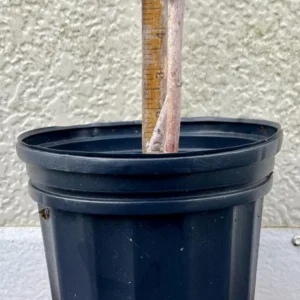
This offering is for a scarlet rosemallow shrub, a vibrant hibiscus coccineus live plant, provided in a gallon pot. Upon arrival, the plant will be well-rooted and ready for transplanting into your garden or a larger container. The Scarlet Rosemallow typically grows to a height of 4 to 6 feet, providing a substantial presence in your landscape. Its spread can be similar, creating a full and bushy appearance. This plant is known for its relatively fast growth rate, quickly establishing itself and producing its stunning red blooms.
The size of the gallon pot ensures a robust root system, giving your plant a strong start. Expect blooms to begin in its first or second year, with more prolific flowering as it matures. Its upright, multi-stemmed habit makes it an excellent choice for a garden backdrop, a captivating focal point, or as part of a mixed perennial border. This red hibiscus outdoor plant is shipped as a healthy, actively growing specimen, ready to bring immediate impact and long-term beauty to your garden.
You must be logged in to post a review.
Sold 82 products
Original price was: $59.98.$29.99Current price is: $29.99.
Sold 73 products
Original price was: $74.99.$44.99Current price is: $44.99.
Sold 56 products
Original price was: $74.99.$44.99Current price is: $44.99.
Sold 96 products
Original price was: $53.98.$26.99Current price is: $26.99.
Sold 51 products
Original price was: $53.98.$26.99Current price is: $26.99.
Sold 85 products
Original price was: $64.99.$44.99Current price is: $44.99.
Sold 63 products
Original price was: $55.98.$27.99Current price is: $27.99.
Sold 79 products
Original price was: $70.99.$40.99Current price is: $40.99.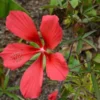
Reviews
There are no reviews yet.