NEED SUPPORT WITH YOUR ORDER? Get in touch
Not satisfied with your purchase?
Enter your Order ID on website, and we'll resolve it right away.

Original price was: $48.99.$28.99Current price is: $28.99.
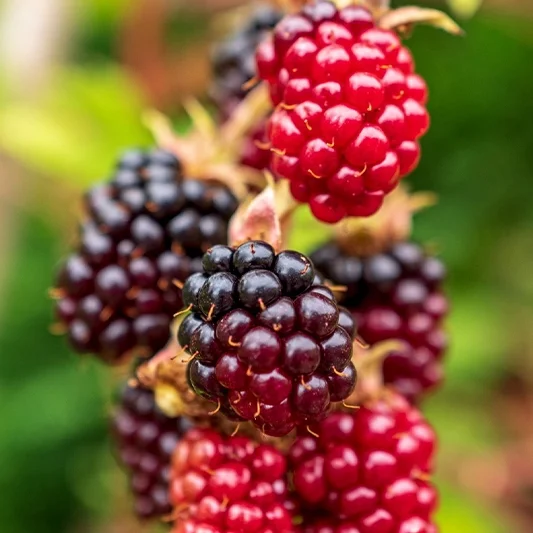
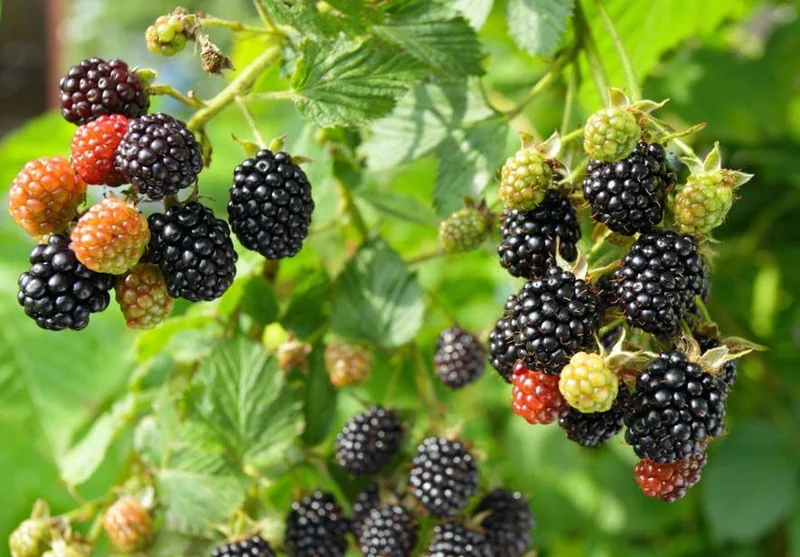
Cultivate your own delicious, sweet-tart fruit with this thornless boysenberry plant starter. A low-maintenance, perennial berry plant ideal for home gardens, providing years of bountiful harvests. Enjoy fresh berries for jams, pies, or eating straight from the bush.
Feb 04
Feb 09 - Feb 11
Feb 14 - Feb 18
USDA Hardiness Zone
Soil Type
Sunlight Exposure
Expected Planting Period
Shipping and return policies: Our Alive & Thrive Guarantee covers issues with your plants within the first 30 days. Get in touch with us via email, and our team will review your concerns and, if necessary, provide you with a one-time replacement at no cost.
If you're unsure about your hardiness zone, feel free to reach out to us. Our team will answer your questions and help you find the plants that are truly suitable for your environment, climate, and personal preferences.
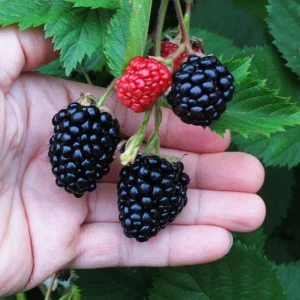
Bring the joy of fresh, homegrown fruit to your garden with our thornless boysenberry plant starter. This delightful perennial fruit bush (Rubus ursinus × Rubus idaeus) is a hybrid cross that combines the best qualities of European raspberries, American blackberries, and loganberries. Known for its large, dark purple to reddish-black berries, the boysenberry offers a unique sweet-tart flavor profile highly prized in culinary applications. Imagine the satisfaction of creating your own homemade jams, jellies, pies, and desserts with freshly picked berries from your own backyard!
This boysenberry fruit bush is a hardy perennial shrub belonging to the Rosaceae family. It thrives as a vigorous, sprawling vine or shrub, adding both beauty and delicious fruit to your landscape. Our starter plant is shipped bare root, ensuring it’s ready for planting upon arrival and poised to establish quickly in its new home. Growing your own berries is a rewarding experience, offering wholesome produce right from your garden, and this thornless variety makes harvesting a breeze.
Whether you’re a seasoned gardener or just starting your edible landscape, learning to grow boysenberries is an incredibly fulfilling endeavor. This robust plant provides a continuous bounty of fruit year after year, making it an excellent long-term investment for any food-producing garden. Its ease of care and prolific nature make it a popular choice for home growers seeking delicious, fresh fruit.
Adding a thornless boysenberry plant to your garden offers numerous advantages, from delightful flavors to ease of maintenance. This adaptable perennial will quickly become a favorite:
Caring for your thornless boysenberry plant is straightforward and rewarding, leading to abundant harvests of sweet-tart boysenberries. For optimal growth and fruit production, site selection is crucial. Boysenberries thrive in full sun, requiring at least 6-8 hours of direct sunlight per day. Adequate sunlight is essential for the berries to develop their full flavor and color. Ensure the planting location has good air circulation to prevent fungal issues.
When it comes to soil, boysenberries prefer well-drained soil that is rich in organic matter. A slightly acidic to neutral pH (6.0-7.0) is ideal. Amend heavy clay soils with compost or peat moss to improve drainage, and sandy soils with organic matter to enhance water retention. Consistent moisture is important, especially during flowering and fruiting. Water deeply and regularly, particularly during dry spells, but avoid waterlogging, which can lead to root rot. Mulching around the base of the plant can help retain soil moisture, suppress weeds, and regulate soil temperature.
Fertilize your perennial berry plant in early spring with a balanced slow-release fertilizer or an organic compost. Avoid excessive nitrogen, which can promote leafy growth at the expense of fruit production. Pruning is essential for maintaining plant health and maximizing yields. Boysenberries typically fruit on canes that grew the previous year. After harvesting, prune back the canes that produced fruit to the ground. This encourages new cane growth for the following season’s harvest. Support structures like trellises or wires are highly recommended to manage the sprawling growth and keep the berries off the ground. Protect young plants from extreme cold in winter, especially in colder USDA zones, with a thick layer of mulch or by covering them.
Our thornless boysenberry plant starter is shipped as a bare root specimen, which means it is dormant and ready for planting upon arrival. This method ensures minimal transplant shock and allows the plant to establish a strong root system quickly. Once mature and unpruned, these vigorous perennial fruit bushes can reach heights of 4 to 6 feet and spread 6 to 8 feet wide, providing ample space for fruit production. The sprawling nature of the plant makes it an excellent candidate for training along a trellis, fence, or other support structure, which helps to manage its growth and keeps the fruit easily accessible for harvesting.
Expect your boysenberry fruit bush to begin producing fruit within one to two seasons after planting, with full production typically achieved by the third year. The berries are known for their large size and deep purple to reddish-black color when ripe. This plant offers a moderate to fast growth rate under ideal conditions, quickly developing into a productive and attractive feature in your garden. The ease of growing this specific variety, especially the sweet-tart boysenberries it produces, makes it a highly desirable addition for both novice and experienced gardeners.
You must be logged in to post a review.
Sold 72 products
Original price was: $53.98.$26.99Current price is: $26.99.
Sold 91 products
Original price was: $57.98.$28.99Current price is: $28.99.
Sold 87 products
Original price was: $89.99.$57.99Current price is: $57.99.
Sold 62 products
Original price was: $64.99.$34.99Current price is: $34.99.
Sold 77 products
Original price was: $49.99.$34.99Current price is: $34.99.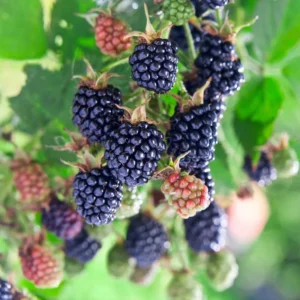
Sold 50 products
Original price was: $99.98.$49.99Current price is: $49.99.
Sold 87 products
Original price was: $72.99.$52.99Current price is: $52.99.
Sold 51 products
Original price was: $39.98.$19.99Current price is: $19.99.


Reviews
There are no reviews yet.