NEED SUPPORT WITH YOUR ORDER? Get in touch
Not satisfied with your purchase?
Enter your Order ID on website, and we'll resolve it right away.

Original price was: $75.99.$42.99Current price is: $42.99.
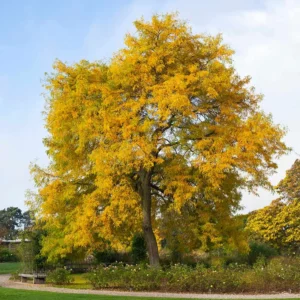
Enhance your landscape with the Thornless Honey Locust Tree, a Fast Growing Shade Tree perfect for creating natural shade and beauty. This adaptable variety is safe for families and pets, thriving in full sun and various soil conditions.
Mar 03
Mar 08 - Mar 10
Mar 13 - Mar 17
USDA Hardiness Zone
Soil Type
Sunlight Exposure
Expected Planting Period
No Shipping To
Shipping and return policies: Our Alive & Thrive Guarantee covers issues with your plants within the first 30 days. Get in touch with us via email, and our team will review your concerns and, if necessary, provide you with a one-time replacement at no cost.
If you're unsure about your hardiness zone, feel free to reach out to us. Our team will answer your questions and help you find the plants that are truly suitable for your environment, climate, and personal preferences.
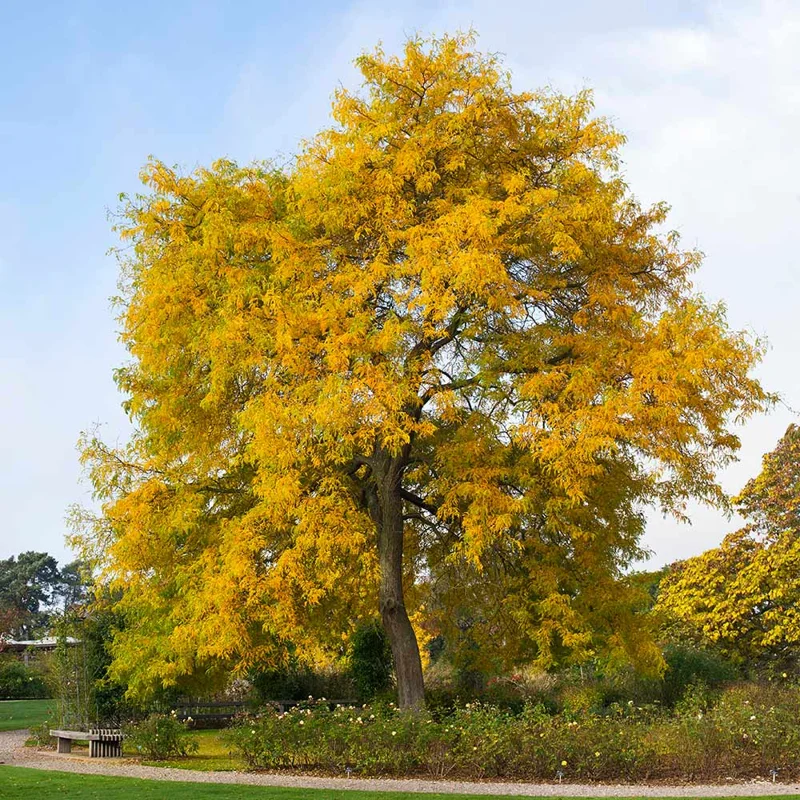
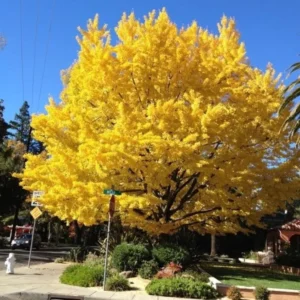
Introduce a magnificent focal point to your garden or backyard with the Thornless Honey Locust Tree (Gleditsia triacanthos ‘Inermis’). This remarkable live plant is an exceptional choice for anyone seeking a Fast Growing Shade Tree that combines rapid growth with stunning aesthetic appeal. Renowned for its adaptability and ease of care, the Honey Locust ‘Inermis’ quickly establishes itself, providing a lush, light-filtering canopy that offers natural shade and enhances outdoor spaces. Unlike its thorny relatives, this variety is completely thornless, making it a safe and family-friendly addition to any landscape. Its elegant form and ability to thrive in diverse environments make it a popular selection for both residential and commercial properties, promising years of beauty and practical benefits.
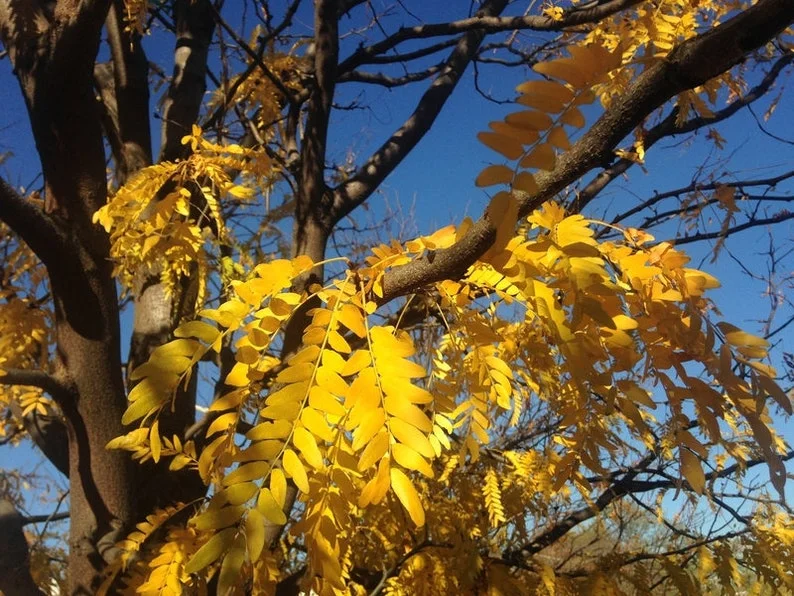
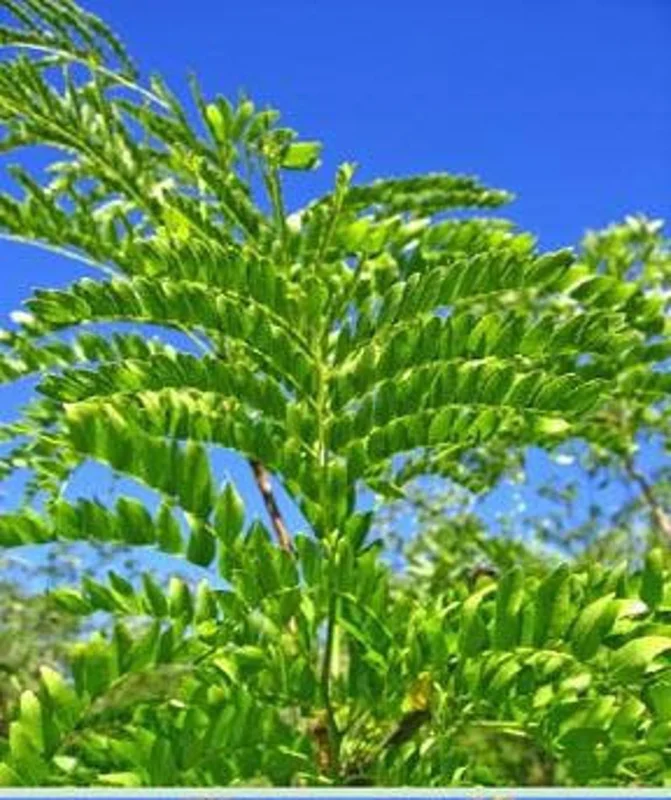
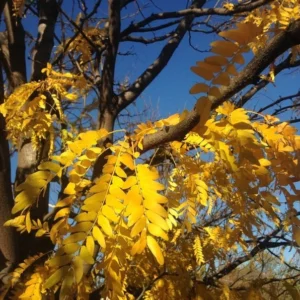
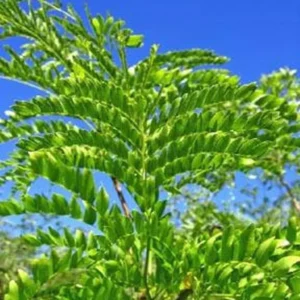
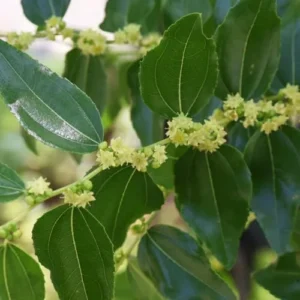
The Thornless Honey Locust Tree is celebrated for its distinctive yellow, fragrant spring flowers that add a delightful sensory experience to your garden. As the blooms fade, the tree’s fine-textured foliage creates a vibrant green backdrop that allows dappled sunlight to filter through, perfect for underplanting or enjoying a bright, airy shade. This robust tree is shipped as a bare root plant, ready for direct ground planting upon arrival, ensuring a healthy start for your new landscape feature. Its inherent resilience to various soil types and climates further solidifies its reputation as a versatile and rewarding tree to grow.
The Thornless Honey Locust Tree offers a multitude of advantages for your landscape, making it an excellent investment for both aesthetic and practical purposes. Its unique characteristics contribute significantly to its desirability:
Caring for your Thornless Honey Locust Tree is relatively straightforward, thanks to its robust and adaptable nature. To ensure optimal growth and health, understanding its specific needs is crucial. This Fast Growing Shade Tree thrives best in full sun, meaning it requires a minimum of 6 hours of direct sunlight daily to promote vigorous growth and flowering. Choose a planting site that receives ample sun exposure throughout the day. While adaptable to various soil types, it performs best in well-drained soil. Avoid areas where water tends to pool, as prolonged soggy conditions can be detrimental to its root system. If your soil is heavy clay, consider amending it with organic matter to improve drainage and aeration.
When it comes to watering, newly planted trees will require consistent moisture to help establish their root system. Water deeply and regularly during the first growing season, ensuring the soil remains moist but not waterlogged. Once established, the Gleditsia Triacanthos ‘Inermis’ is quite drought-tolerant, capable of withstanding periods of dryness. However, during extended dry spells, supplemental watering will benefit its overall health and growth. Fertilization is generally not heavily required, but a balanced, slow-release fertilizer can be applied in early spring to support vigorous growth, especially in less fertile soils. Pruning should focus on removing any dead, damaged, or crossing branches to maintain a strong structure and healthy canopy. The ideal planting period for this bare root plant is during its dormant season, typically in late fall after leaf drop or in early spring before new growth begins, allowing the tree to acclimate before the stress of active growth.
Understanding Honey Locust Care is key to a thriving specimen. This tree is hardy and generally resistant to most pests and diseases. However, monitoring for common issues like spider mites or cankers can help in early intervention. Ensure good air circulation around the tree by proper spacing and occasional thinning of dense branches. The Adaptable Landscape Tree nature of the Honey Locust means it can tolerate urban conditions, including pollution, making it a good choice for city gardens and street plantings. With proper care, your Honey Locust will quickly become a cherished and impressive part of your landscape, providing beauty and shade for many years.
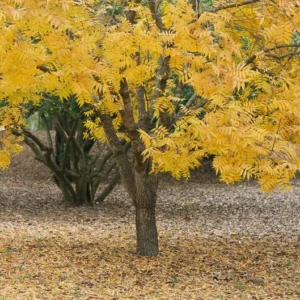
The Thornless Honey Locust Tree is a substantial and impressive specimen at maturity. It can reach an impressive height of up to 70 feet with a spread of 40-50 feet, forming a broad, open crown that provides extensive shade. This particular offering is a live bare root plant, meaning it will arrive without soil or a planter pot, in its natural dormant state. This method ensures healthy transport and facilitates easy planting directly into the ground. Expect your tree to arrive without leaves, which is normal for a dormant plant and indicates it is ready for successful establishment.
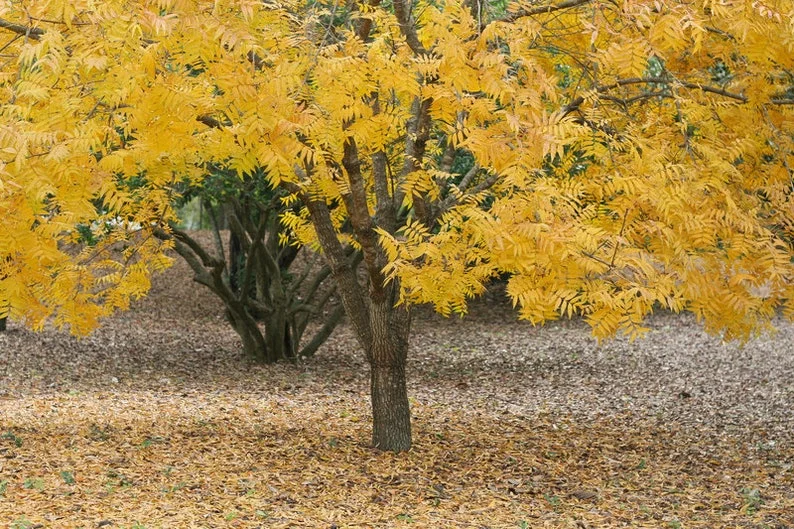
As a Fast Growing Shade Tree, you can anticipate significant growth each year once it’s established, quickly transforming your landscape. The specific growth rate can vary depending on local climate, soil quality, and care practices, but it is known for its rapid development. The fine-textured foliage emerges in spring, followed by fragrant yellow flowers, and then transitions to a vibrant green canopy throughout the summer. This tree is a long-lived species, offering decades of beauty and environmental benefits. Simple grow instructions are included to guide you through the planting process and ensure a successful start for your new Gleditsia Triacanthos ‘Inermis’.
You must be logged in to post a review.
Sold 81 products
Original price was: $259.78.$129.89Current price is: $129.89.
Sold 93 products
Original price was: $67.98.$33.99Current price is: $33.99.
Sold 56 products
Original price was: $45.98.$22.99Current price is: $22.99.
Sold 53 products
Original price was: $258.98.$129.49Current price is: $129.49.
Sold 65 products
Original price was: $55.98.$27.99Current price is: $27.99.
Sold 71 products
Original price was: $259.78.$129.89Current price is: $129.89.
Sold 73 products
Original price was: $371.98.$185.99Current price is: $185.99.
Sold 98 products
Original price was: $99.98.$49.99Current price is: $49.99.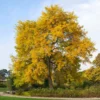
Reviews
There are no reviews yet.