NEED SUPPORT WITH YOUR ORDER? Get in touch
Not satisfied with your purchase?
Enter your Order ID on website, and we'll resolve it right away.

Original price was: $168.99.$129.99Current price is: $129.99.
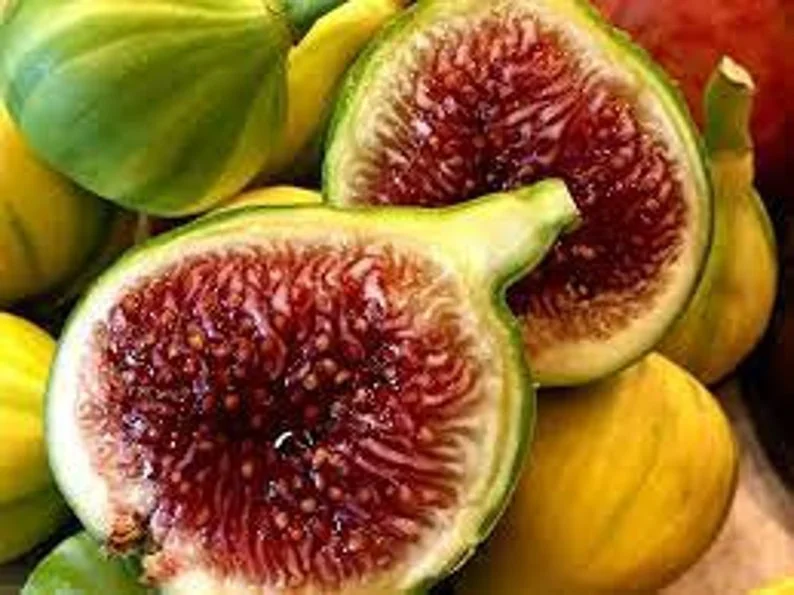
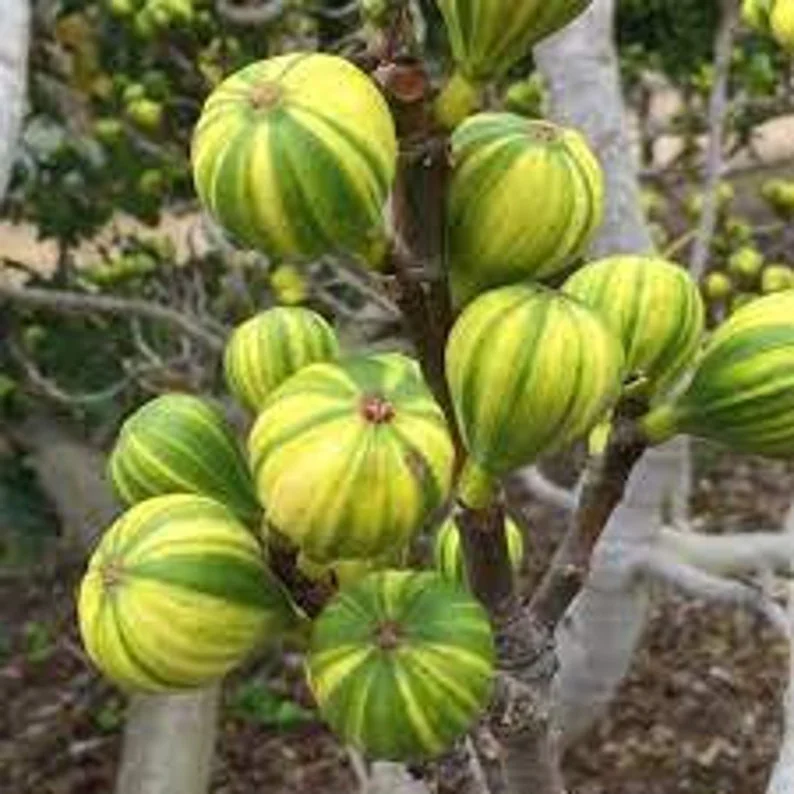
Cultivate a bountiful harvest with your very own Tiger Fig Tree live plant. This 2-foot tall fruit tree, planted in a 6-inch pot, offers both ornamental beauty and delicious, exceptionally sweet figs. Ideal for outdoor gardens in USDA Zones 7-10, providing ample shade and a generous yield.
Mar 03
Mar 08 - Mar 10
Mar 13 - Mar 17
USDA Hardiness Zone
Soil Type
Sunlight Exposure
Expected Planting Period
Shipping and return policies: Our Alive & Thrive Guarantee covers issues with your plants within the first 30 days. Get in touch with us via email, and our team will review your concerns and, if necessary, provide you with a one-time replacement at no cost.
If you're unsure about your hardiness zone, feel free to reach out to us. Our team will answer your questions and help you find the plants that are truly suitable for your environment, climate, and personal preferences.
Embark on a rewarding gardening journey with the Tiger Fig Tree live plant. This vibrant and vigorous fruit tree promises a bountiful harvest of delicious, homegrown figs. Known for its distinctive appearance and rich, sweet flavor, the Tiger Fig is a fantastic addition to any garden, offering both aesthetic appeal and a generous yield of edible fruit. This particular variety is celebrated for its unique characteristics and its ability to thrive in climates with extended growing periods, specifically USDA Zones 7-10. You’ll experience the delight of harvesting exceptionally sweet figs right from your backyard, making it a perfect choice for gardeners seeking both beauty and culinary reward. This edible fig plant arrives ready for transplanting, allowing you to quickly establish it in your chosen garden spot or a larger container.
The Tiger Fig Tree live plant is a versatile and robust specimen, ideal for those looking to grow fig trees with a reliable and late-season ripening schedule. Its manageable size upon arrival, at 2 feet tall in a 6-inch pot, makes it easy to handle and establish. As it matures, it will provide ample shade and become a focal point in your landscape. Prepare to enjoy fresh, succulent figs that surpass anything you’ll find in stores, bringing a touch of Mediterranean charm and a wealth of flavor to your home.
The Tiger Fig Tree live plant offers a multitude of advantages for the home gardener, combining ornamental beauty with practical fruit production. Cultivating this unique variety brings both joy and delicious rewards to your outdoor space.
Proper fig tree care is essential to ensure a healthy and productive Tiger Fig Tree live plant. These resilient fruit trees thrive when their basic needs are met, leading to abundant harvests of sweet figs. Understanding their specific requirements for sunlight, water, and soil will set you up for success.
For optimal growth and fruit production, your Tiger Fig Tree live plant requires a sunny location. It thrives in full sun, needing a minimum of 6-8 hours of direct sunlight each day. When planting, choose a spot that receives ample light throughout the day. Well-drained soil is paramount for the health of your fig tree. Incorporating organic matter like compost can significantly improve soil quality and drainage. Fig trees prefer a slightly acidic to neutral pH (6.0-7.0). If planting in a container, ensure it has drainage holes and use a high-quality potting mix designed for fruit trees or general outdoor plants.
Water deeply when the top inch of soil feels dry to the touch, especially during hot weather and active growing periods. Consistent moisture is crucial for fruit development, but avoid waterlogging, as this can lead to root rot. Once established, fig trees are somewhat drought-tolerant, but regular watering during dry spells will encourage better fruit. Fertilize your fruit tree outdoor in early spring with a balanced slow-release fertilizer or one formulated for fruiting plants. Avoid over-fertilizing, which can promote leafy growth at the expense of fruit. Prune in late winter or early spring to remove dead or crossing branches and to shape the tree for better air circulation and light penetration. This variety is hardy in USDA Zones 7-10, meaning it can tolerate winter temperatures down to about 0°F to 10°F. In colder zones, it can be grown in containers and brought indoors during the winter months.
This Tiger Fig Tree live plant arrives as a vibrant specimen, approximately 2 feet tall, and is currently growing in a 6-inch nursery pot. This size makes it ideal for immediate transplanting into your garden or a larger container. While the plant may or may not have fruit upon arrival, it is a healthy, established plant ready to continue its growth journey under your care. The mature height of this fig variety can reach up to 12 feet, providing significant shade and a substantial fruit yield over time. Its growth rate is considered vigorous, meaning it will establish quickly and develop into a productive tree within a few seasons.
The fruit typically ripens late in the growing season, usually from late summer into the fall months, offering a delightful harvest period. This edible fig plant is shipped as a live, potted plant, ensuring minimal transplant shock and a strong start in its new environment. With proper fig tree care, you can expect this beautiful and productive tree to flourish in your outdoor space, providing years of delicious, homegrown figs.
You must be logged in to post a review.
Sold 90 products
Original price was: $68.99.$47.99Current price is: $47.99.
Sold 88 products
Original price was: $38.80.$19.40Current price is: $19.40.
Sold 73 products
Original price was: $49.99.$34.99Current price is: $34.99.
Sold 72 products
Original price was: $57.98.$28.99Current price is: $28.99.
Sold 97 products
Original price was: $53.98.$26.99Current price is: $26.99.
Sold 71 products
Original price was: $64.99.$34.99Current price is: $34.99.
Sold 94 products
Original price was: $57.98.$28.99Current price is: $28.99.
Sold 66 products
Original price was: $73.98.$36.99Current price is: $36.99.


Reviews
There are no reviews yet.