NEED SUPPORT WITH YOUR ORDER? Get in touch
Not satisfied with your purchase?
Enter your Order ID on website, and we'll resolve it right away.

Original price was: $51.99.$38.99Current price is: $38.99.
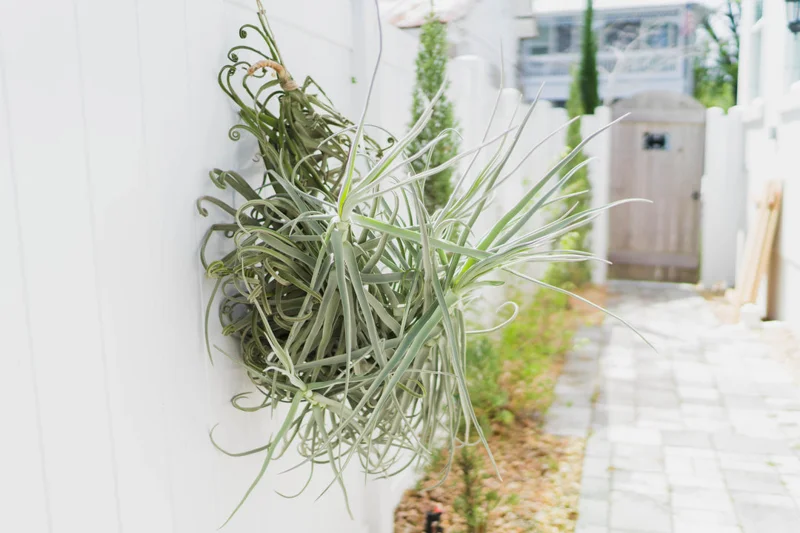
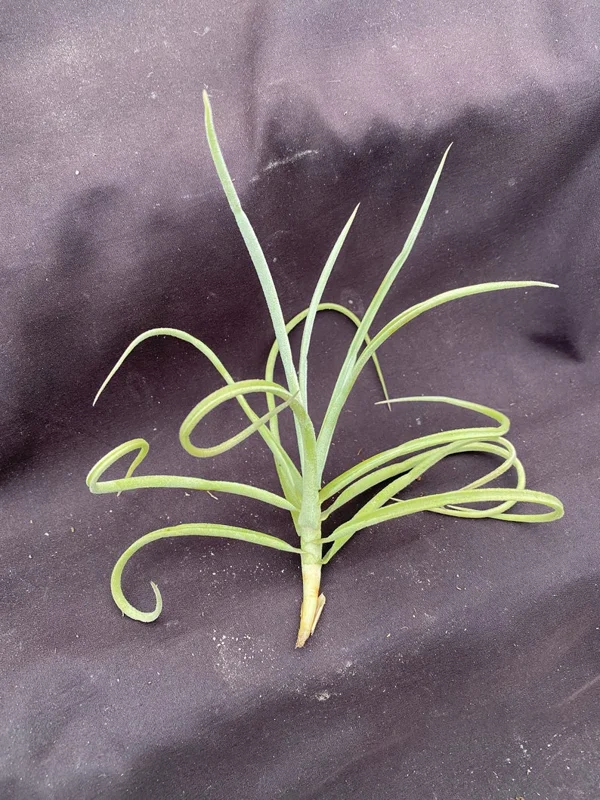
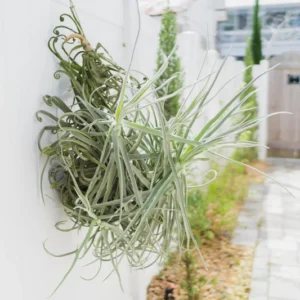
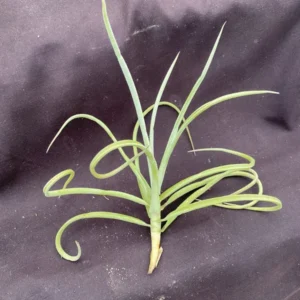
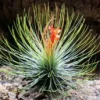
Experience the unique beauty of the Tillandsia duratii air plant, a captivating live plant known for its distinctive curly leaves and enchanting, grape-like fragrant blooms. This easy-care, soil-free plant is perfect for adding exotic charm and a pleasant aroma to any indoor space, making it an ideal choice for both plant enthusiasts and beginners.
Mar 03
Mar 08 - Mar 10
Mar 13 - Mar 17
USDA Hardiness Zone
Soil Type
Sunlight Exposure
Expected Planting Period
Shipping and return policies: Our Alive & Thrive Guarantee covers issues with your plants within the first 30 days. Get in touch with us via email, and our team will review your concerns and, if necessary, provide you with a one-time replacement at no cost.
If you're unsure about your hardiness zone, feel free to reach out to us. Our team will answer your questions and help you find the plants that are truly suitable for your environment, climate, and personal preferences.
Introducing the extraordinary Tillandsia duratii air plant, a botanical marvel that redefines indoor gardening. Unlike traditional potted plants, this fascinating specimen thrives without soil, drawing all its necessary nutrients and moisture directly from the air. Native to the trees of its natural habitat, the Tillandsia duratii uses its uniquely curled leaves to gracefully climb and support itself. Bringing this living sculpture into your home offers a touch of exotic elegance and a compelling conversation starter, all with minimal maintenance. It’s a truly spectacular addition for anyone looking to enhance their living space with a distinct and captivating green element.
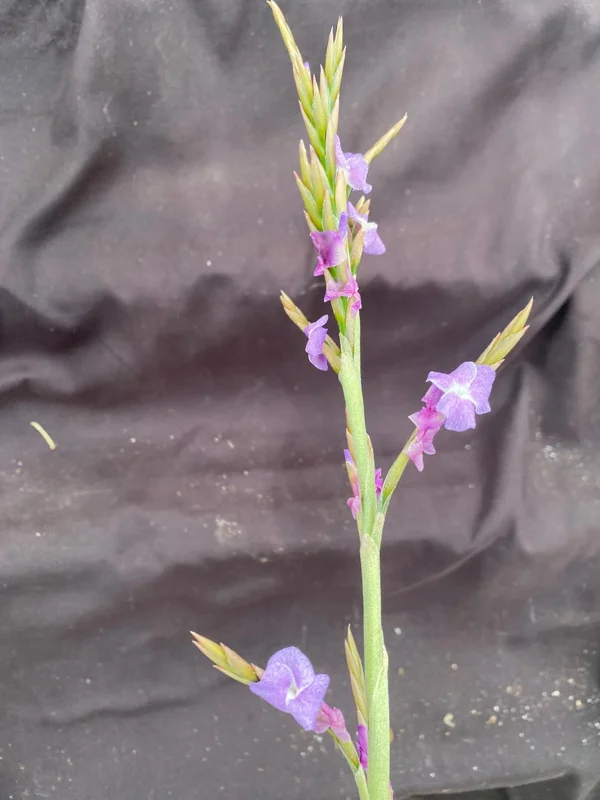
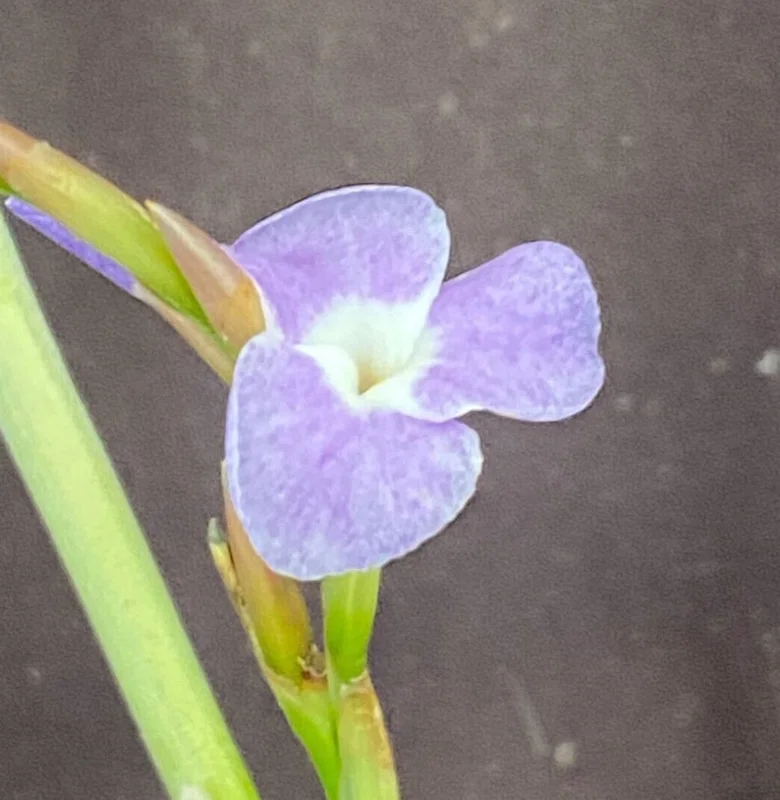
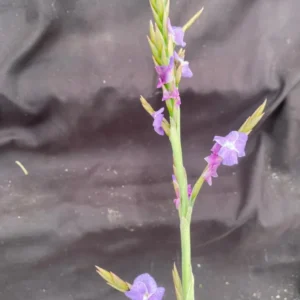
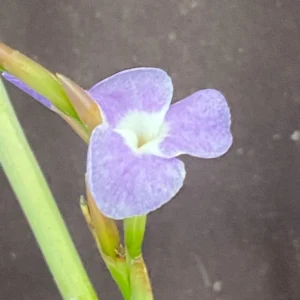
The most enchanting feature of the Tillandsia duratii is its stunning bloom cycle. When mature, it produces exquisite lavender to blue flowers that release a wonderfully sweet, grape-like fragrance. This delightful aroma transforms your environment into a sensory haven, providing both visual appeal and a pleasant scent. As a fragrant air plant, it’s perfect for brightening any room and serves as an excellent choice for both seasoned plant collectors and those new to the world of air plants. Its distinctive form and aromatic flowers truly set it apart from other houseplants, making it a highly sought-after variety.
The Tillandsia duratii air plant offers a multitude of advantages for plant lovers, combining aesthetic appeal with practical benefits:
Caring for your Tillandsia duratii air plant is remarkably straightforward, making it an excellent choice for both novices and experienced plant enthusiasts. The most crucial aspect is providing the right light conditions. This plant thrives in bright, indirect light. A well-lit window, ideally east or west-facing, will provide sufficient illumination without the harshness of direct sunlight, which can scorch its delicate leaves. Ensure good air circulation around the plant, as stagnant air can lead to humidity issues.
Watering the Tillandsia duratii involves regular misting or occasional soaking. Mist your plant thoroughly once or twice a week, making sure all parts of the plant get wet. Alternatively, you can soak the entire plant in water for 30 minutes every 1-2 weeks, especially in drier climates. After misting or soaking, it’s essential to allow the plant to dry completely within 2-4 hours to prevent rot. Good air circulation aids in this drying process. While this is a soil-free plant, occasional fertilization with a specialized air plant fertilizer (diluted to ¼ strength) can promote healthier growth and encourage Tillandsia blooming. Apply fertilizer once a month during the growing season.
Temperature and humidity are also important factors for this unique air plant. It prefers temperatures between 50-90°F (10-32°C) and appreciates moderate to high humidity. If your home is particularly dry, consider placing the plant near a humidifier or grouping it with other plants to create a microclimate. These plants are quite hardy but will not tolerate freezing temperatures. While they are resilient, consistent care ensures optimal health and the best chance for those beautiful, fragrant blooms.
Each Tillandsia duratii air plant you receive is a live, bare-root specimen, typically measuring approximately 6-8 inches in height and across. This substantial size ensures a noticeable presence upon arrival and signifies a mature plant capable of blooming. While your plant may not be in bloom or bud when it arrives, it is of blooming size, meaning it has reached the maturity required to produce flowers. With proper care and environmental conditions, you can anticipate your fragrant air plant to begin flowering within six months of its arrival, bringing its delightful color and aroma to your home.
The growth rate of the Tillandsia duratii is moderate, and with optimal conditions, it can continue to grow larger over time. Its distinctive curly leaves will become more pronounced as it matures. As a bare-root plant, it offers complete freedom in how you choose to display it – whether suspended, mounted, or placed in a decorative holder. This allows for personalized integration into your home decor, highlighting its unique aesthetic.
You must be logged in to post a review.
Sold 86 products
Original price was: $58.00.$29.00Current price is: $29.00.
Sold 98 products
Original price was: $79.98.$39.99Current price is: $39.99.
Sold 75 products
Original price was: $35.98.$17.99Current price is: $17.99.
Sold 58 products
Original price was: $45.99.$34.99Current price is: $34.99.
Sold 65 products
Original price was: $79.96.$39.98Current price is: $39.98.
Sold 55 products
Original price was: $65.98.$32.99Current price is: $32.99.
Sold 85 products
Original price was: $45.99.$30.99Current price is: $30.99.
Sold 69 products
Original price was: $139.99.$119.99Current price is: $119.99.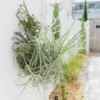

Reviews
There are no reviews yet.