NEED SUPPORT WITH YOUR ORDER? Get in touch
Not satisfied with your purchase?
Enter your Order ID on website, and we'll resolve it right away.






Original price was: $105.99.$82.99Current price is: $82.99.
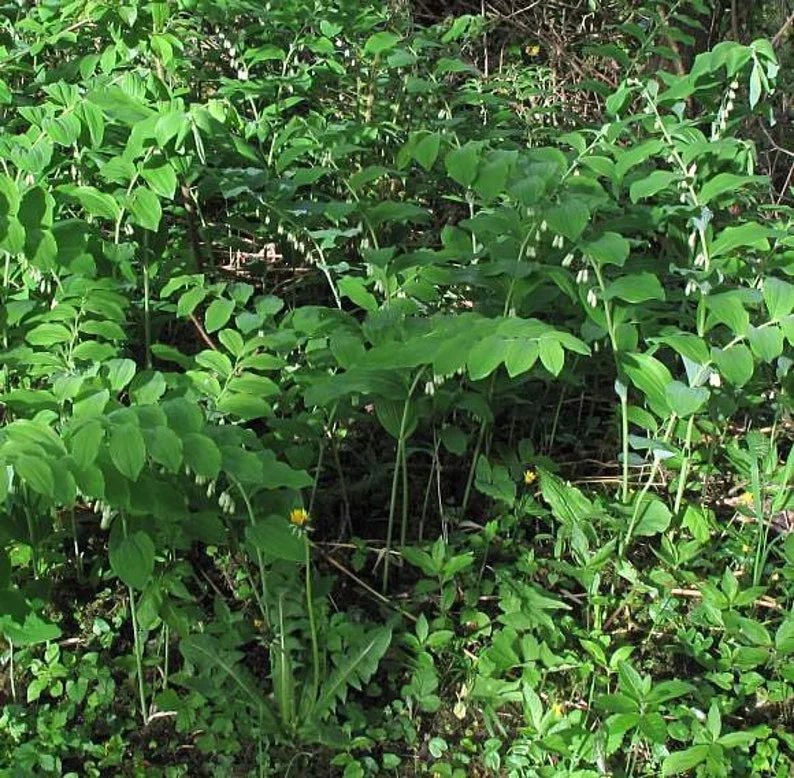
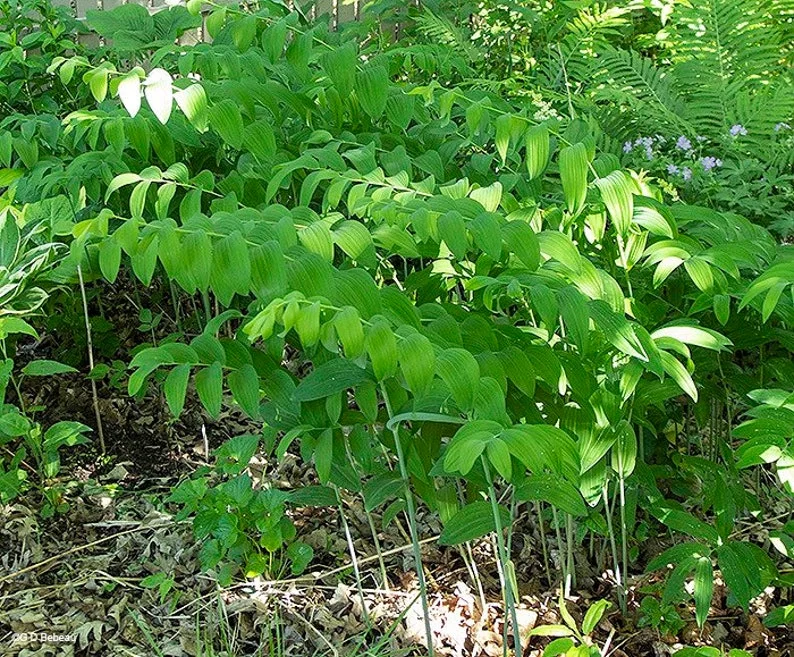
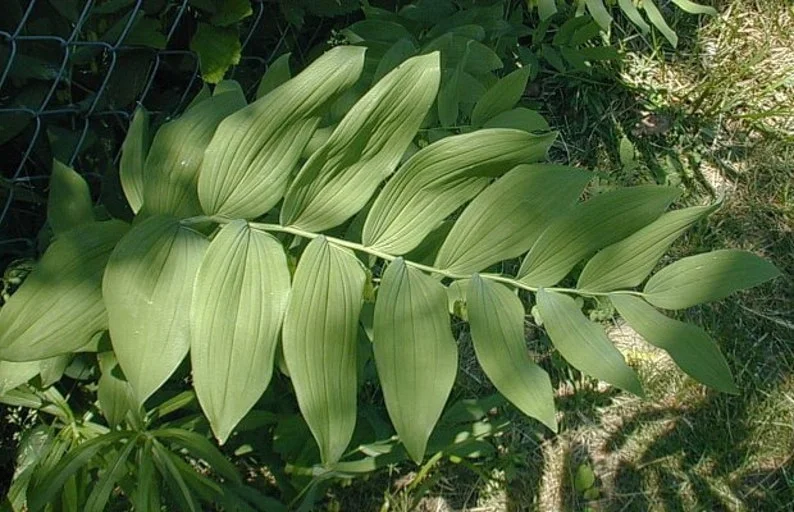
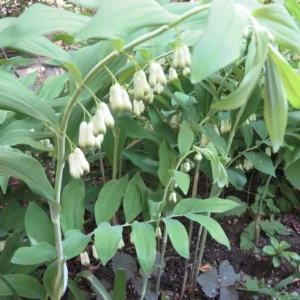
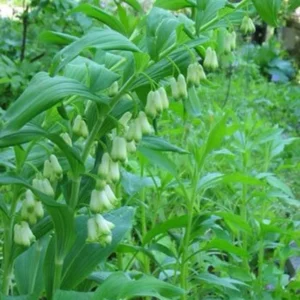
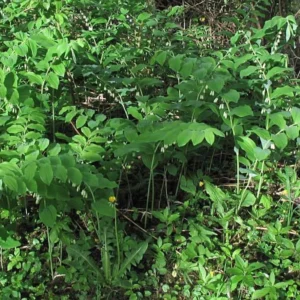
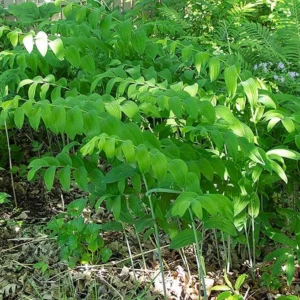
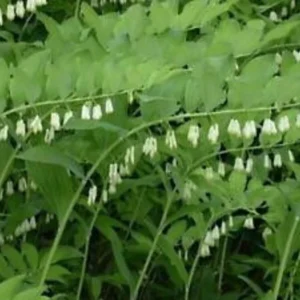
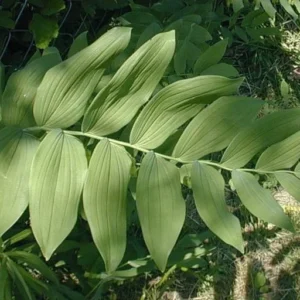
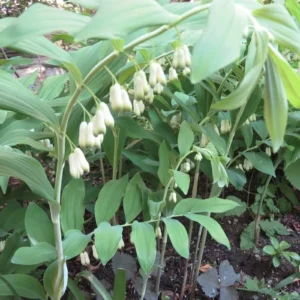
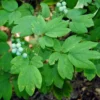
Transform your shaded garden with Solomonseal bare roots (Polygonatum Biflorum). This offer includes 40 bare root plants, perfect for creating an elegant, low-maintenance landscape. These native wildflower plants attract pollinators and thrive in partial to full shade.
Mar 03
Mar 08 - Mar 10
Mar 13 - Mar 17
USDA Hardiness Zone
Soil Type
Sunlight Exposure
Expected Planting Period
Shipping and return policies: Our Alive & Thrive Guarantee covers issues with your plants within the first 30 days. Get in touch with us via email, and our team will review your concerns and, if necessary, provide you with a one-time replacement at no cost.
If you're unsure about your hardiness zone, feel free to reach out to us. Our team will answer your questions and help you find the plants that are truly suitable for your environment, climate, and personal preferences.
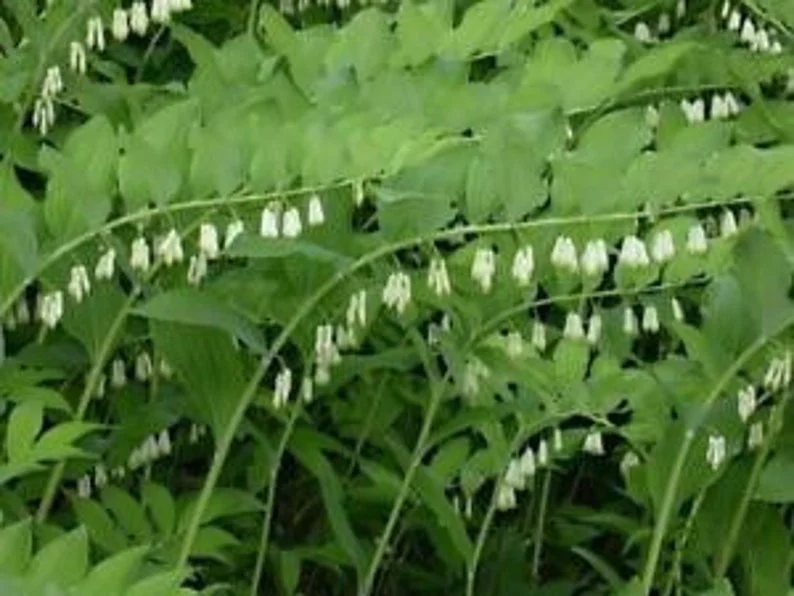
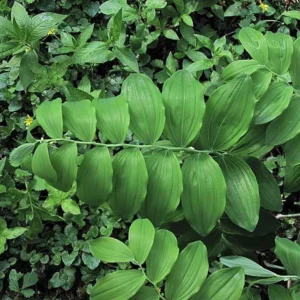
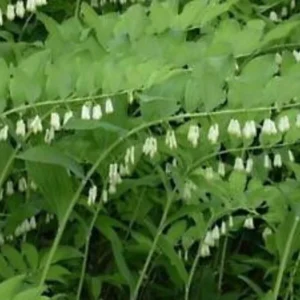
Introduce timeless elegance to your outdoor space with these premium Solomonseal bare roots. This collection provides 40 individual Polygonatum Biflorum bare root plants, ready to establish and beautify your garden. Known for their graceful, arching stems and delicate, bell-shaped flowers, Solomonseal, or Polygonatum biflorum plant, is a beloved perennial that brings a serene atmosphere to shaded areas. Organically grown for robust health and sustainability, these bare roots are an eco-friendly choice for gardeners looking to enhance biodiversity and natural appeal. As a native wildflower plant, it integrates seamlessly into local ecosystems, contributing to a healthy and vibrant garden environment. Ideal for woodland settings, borders, or naturalized areas, these plants offer beauty with minimal fuss.
Our Solomonseal bare roots are carefully harvested and prepared to ensure they arrive in prime condition for planting. They are celebrated for their adaptability and ability to thrive in conditions where many other plants struggle, making them an excellent choice for challenging shaded spots. Beyond their aesthetic charm, these plants play a vital role in supporting local wildlife, from attracting pollinators with their subtle blooms to providing shelter for beneficial insects. Embrace the natural elegance and ecological benefits of Polygonatum Biflorum in your garden design.
Discover the myriad advantages of incorporating Solomonseal bare roots into your garden. These robust plants offer both visual appeal and ecological benefits, making them a valuable addition to any landscape, especially those with shaded conditions.
Caring for your Solomonseal bare roots is straightforward, ensuring successful establishment and vibrant growth. These resilient plants are well-suited for a variety of garden settings, particularly those with ample shade. For optimal growth, plant your bare roots in early spring or fall when the soil is moist and temperatures are moderate, allowing them to establish before extreme weather. Dig a hole wide enough to accommodate the roots without bending, ensuring the crown is just below the soil surface.
Sunlight Requirements: The Polygonatum biflorum plant thrives in partial to full shade. While it can tolerate some morning sun, direct afternoon sun should be avoided as it can scorch the delicate foliage. An ideal location would be under deciduous trees where it receives dappled light or in a north-facing bed. These are truly excellent shade garden plants.
Watering Schedule & Soil Moisture: Keep the soil consistently moist, especially during dry periods and throughout the first growing season. However, avoid waterlogging, which can lead to root rot. Mulching around the plants with organic material like compost or shredded leaves can help retain soil moisture and regulate soil temperature. Established plants are relatively drought-tolerant but will perform best with regular moisture.
Soil Type & Drainage:Solomonseal bare roots prefer well-drained soil rich in organic matter. They can adapt to various soil types, but heavy clay soils should be amended with compost, peat moss, or other organic matter to improve drainage and aeration. A slightly acidic to neutral pH (6.0-7.0) is generally ideal for this native wildflower plant.
Temperature Range & USDA Hardiness Zone: These plants are remarkably hardy and typically thrive in USDA Zones 3-9. They are tolerant of cold winters and hot summers within this range. Once established, they are quite robust and can withstand temperature fluctuations.
Fertilization: A light application of a balanced, slow-release granular fertilizer in early spring can benefit established plants. Alternatively, top-dressing with compost annually will provide sufficient nutrients and improve soil structure. Avoid over-fertilizing, as this can lead to excessive foliage growth at the expense of flowers.
Common Problems & Solutions: Solomonseal is generally pest and disease resistant. Slugs and snails may occasionally munch on young foliage; organic slug baits or hand-picking can manage these. Ensure good air circulation to prevent fungal issues in humid conditions. Overall, these are very low maintenance plants.
This offering includes 40 bare root plants of Polygonatum Biflorum, commonly known as Solomonseal. Each bare root is a dormant plant, carefully harvested to minimize stress during transit and maximize successful establishment. When mature, the Polygonatum biflorum plant typically reaches an average height of 1 to 3 feet, with an arching spread of 1 to 2 feet. The exact size can vary depending on growing conditions, soil quality, and available moisture. These plants have a moderate growth rate, establishing well in their first year and gradually spreading to form attractive clumps.
The bare roots are shipped without foliage or soil, which is the ideal method for perennial plants to reduce transplant shock and ensure healthy root development upon arrival. They are ready for immediate planting in your chosen garden spot. Expect the first signs of growth in the spring following planting, with the characteristic arching stems and bell-shaped flowers appearing as the plant matures. The Solomonseal bare roots are a cost-effective and efficient way to plant a significant area or create a substantial border, providing a lasting natural beauty for years to come.
You must be logged in to post a review.
Sold 73 products
Original price was: $43.90.$33.90Current price is: $33.90.
Sold 74 products
Original price was: $75.99.$45.99Current price is: $45.99.
Sold 63 products
Original price was: $140.99.$92.99Current price is: $92.99.
Sold 97 products
Original price was: $76.99.$46.99Current price is: $46.99.
Sold 72 products
Original price was: $118.99.$88.99Current price is: $88.99.
Sold 83 products
Original price was: $31.98.$15.99Current price is: $15.99.
Sold 55 products
Original price was: $76.99.$46.99Current price is: $46.99.
Sold 82 products
Original price was: $114.99.$84.99Current price is: $84.99.

Reviews
There are no reviews yet.