NEED SUPPORT WITH YOUR ORDER? Get in touch
Not satisfied with your purchase?
Enter your Order ID on website, and we'll resolve it right away.

Original price was: $49.99.$20.99Current price is: $20.99.
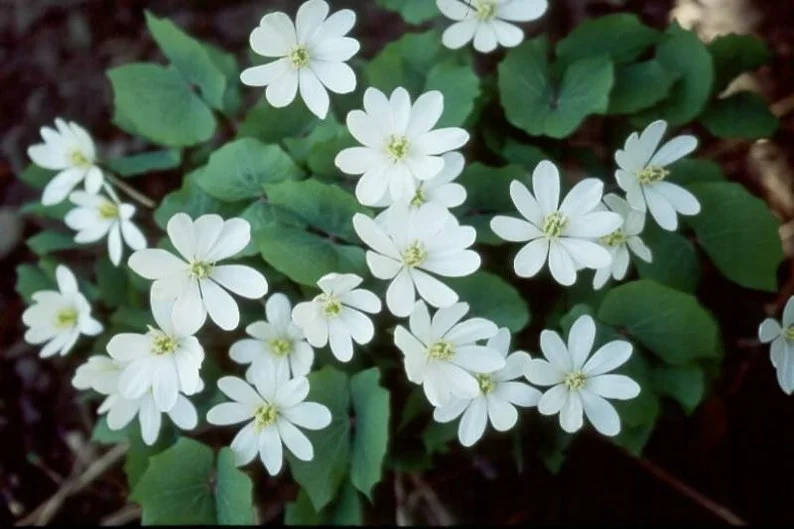
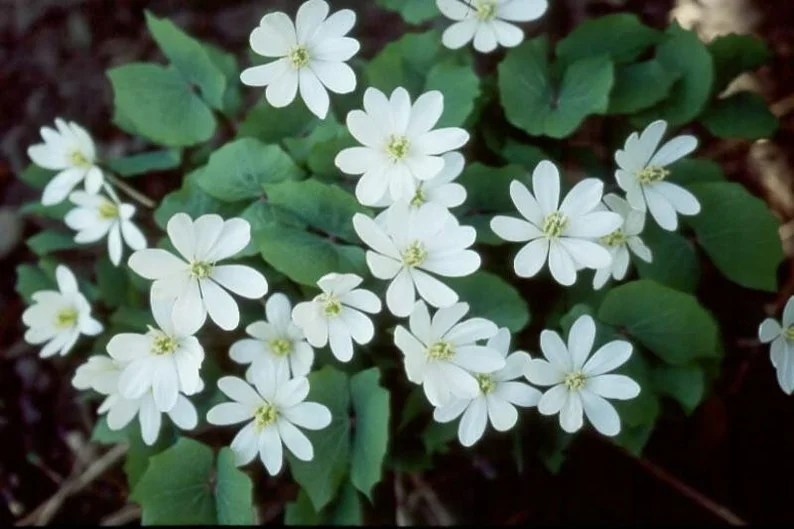
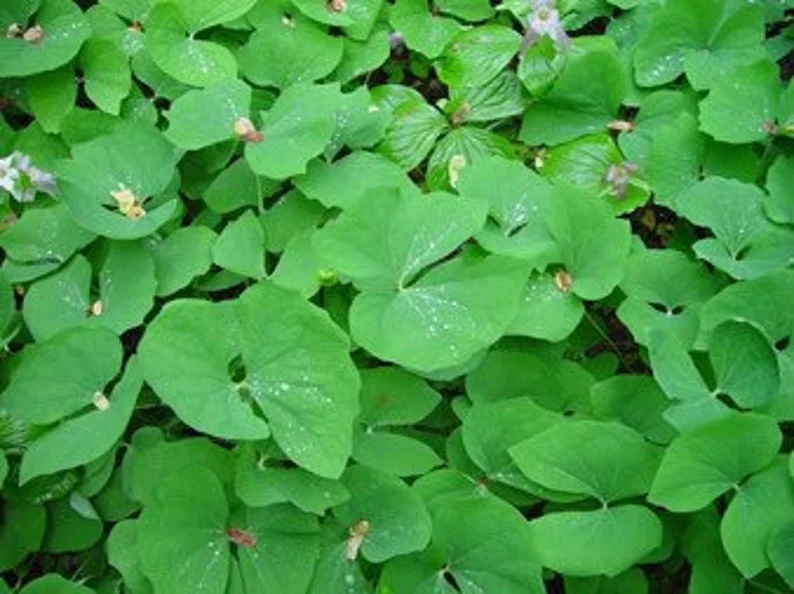
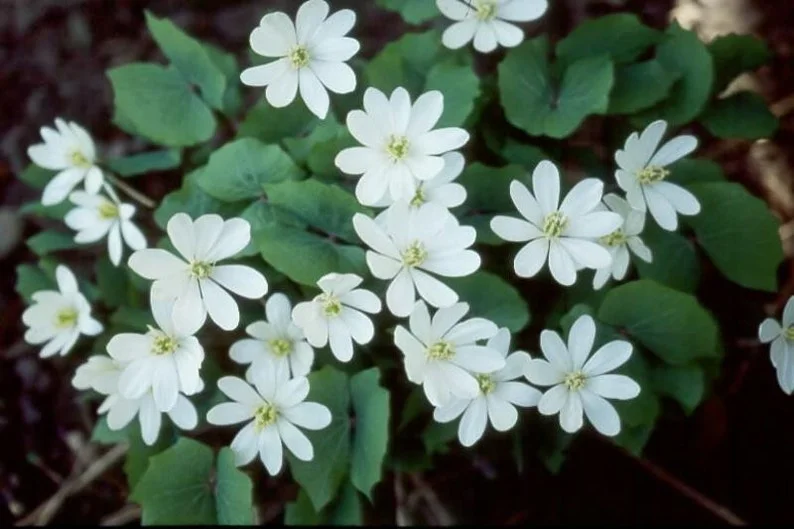
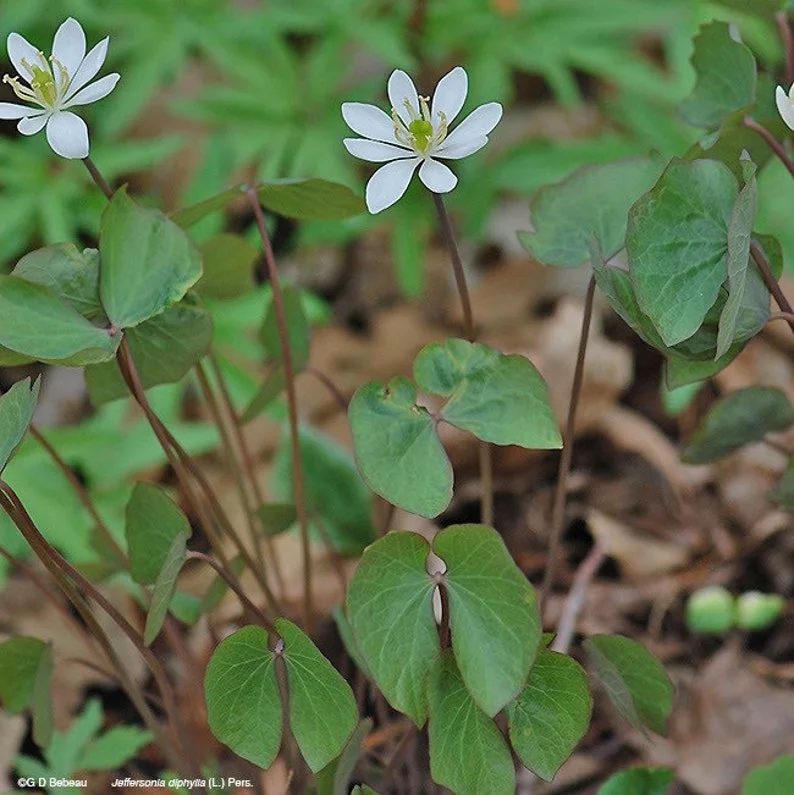
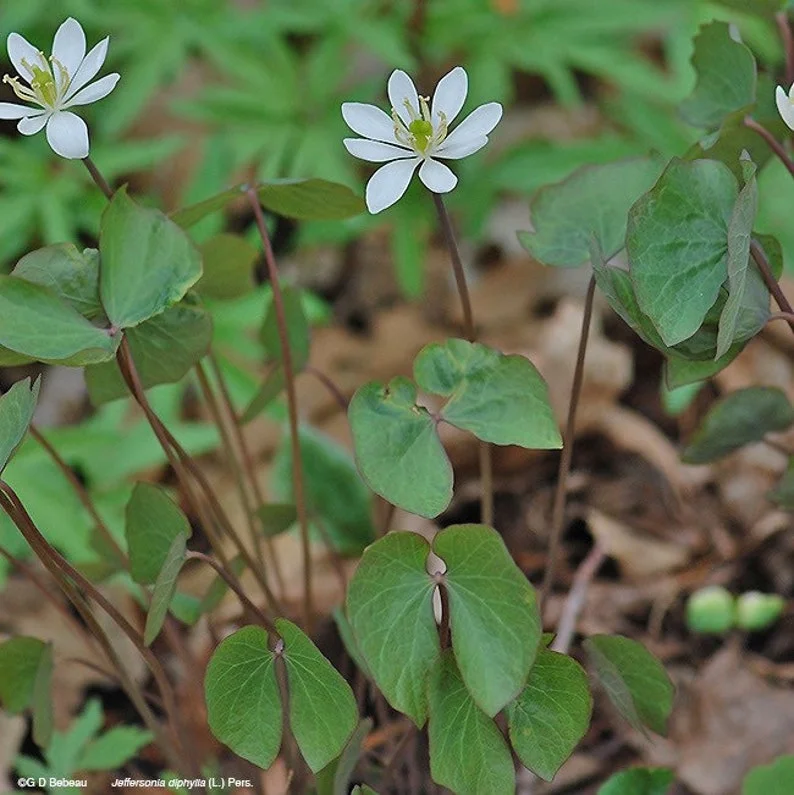
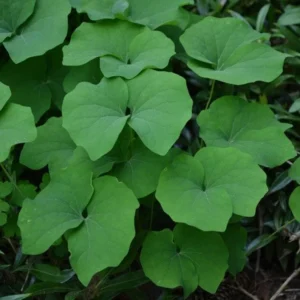
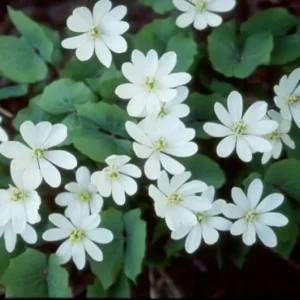
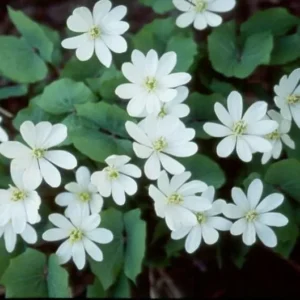
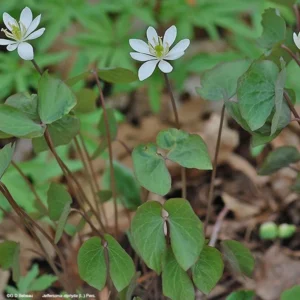
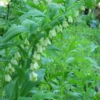
Cultivate a serene shade garden with Twinleaf bare roots. This offer includes 5 Jeffersonia Diphylla perennial wildflowers, organically grown for optimal health. Enjoy their distinctive foliage and beautiful white spring blooms. Ideal for naturalizing and supporting local ecosystems as native woodland plant.
Feb 08
Feb 13 - Feb 15
Feb 18 - Feb 22
USDA Hardiness Zone
Soil Type
Sunlight Exposure
Expected Planting Period
Shipping and return policies: Our Alive & Thrive Guarantee covers issues with your plants within the first 30 days. Get in touch with us via email, and our team will review your concerns and, if necessary, provide you with a one-time replacement at no cost.
If you're unsure about your hardiness zone, feel free to reach out to us. Our team will answer your questions and help you find the plants that are truly suitable for your environment, climate, and personal preferences.
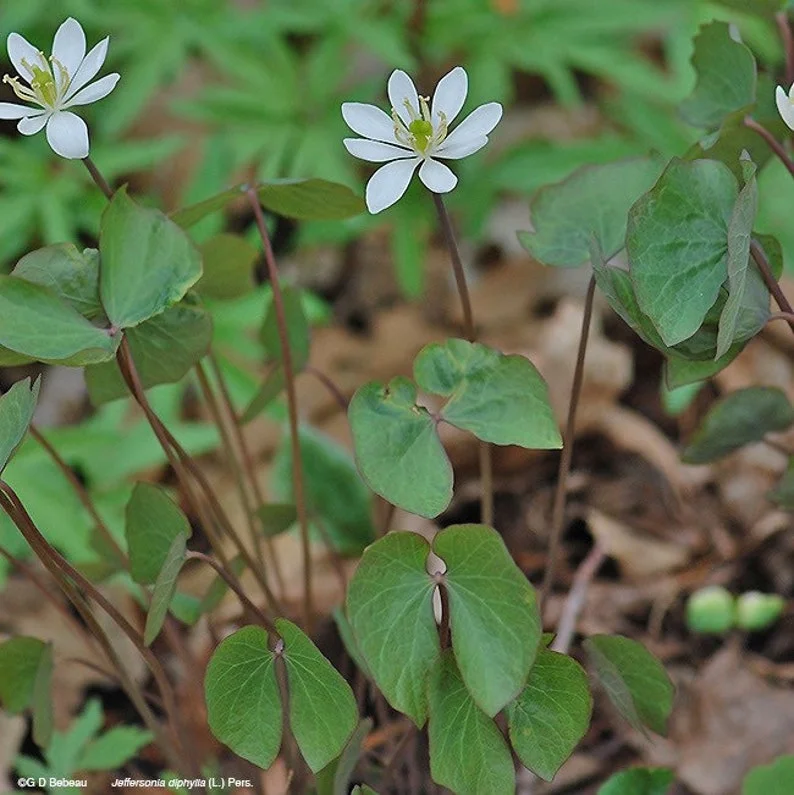
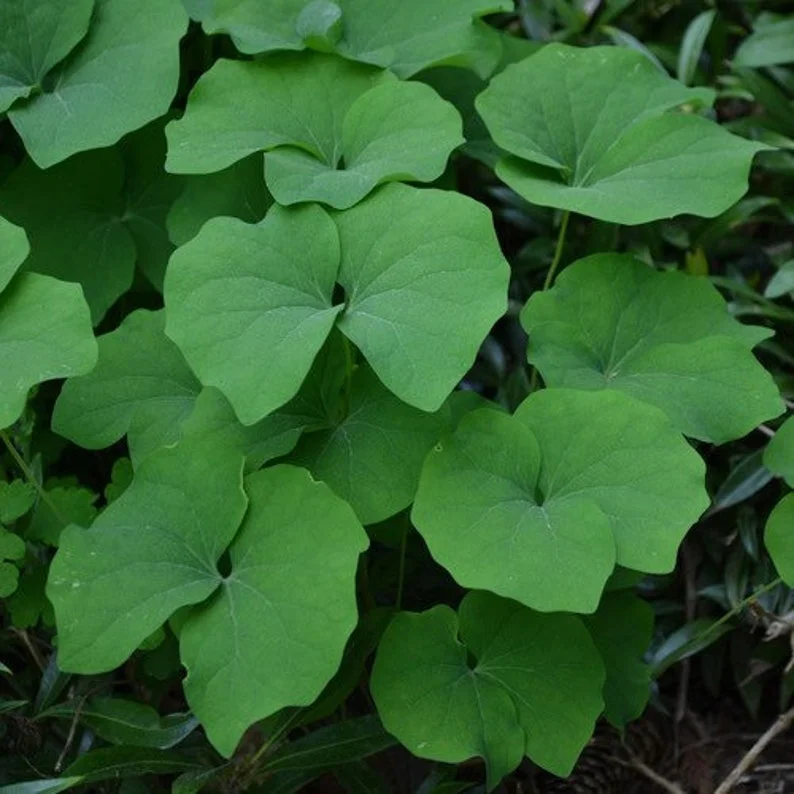
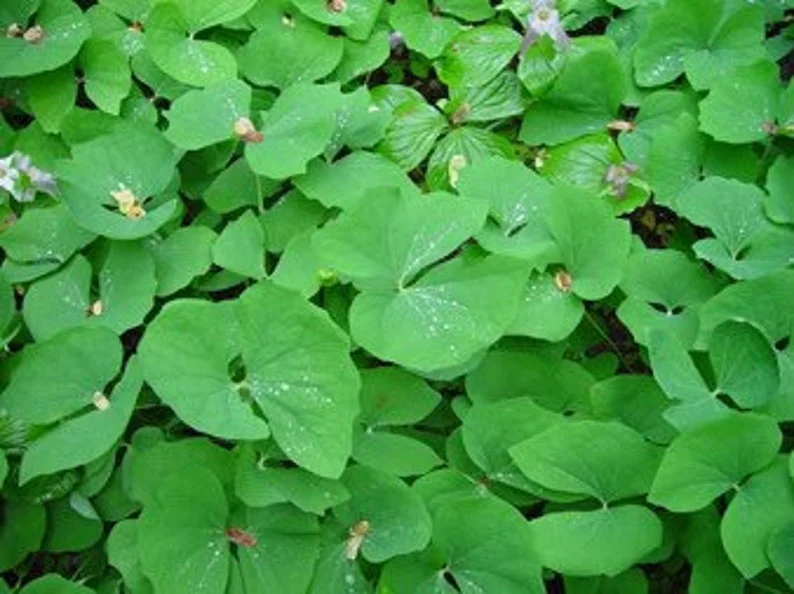
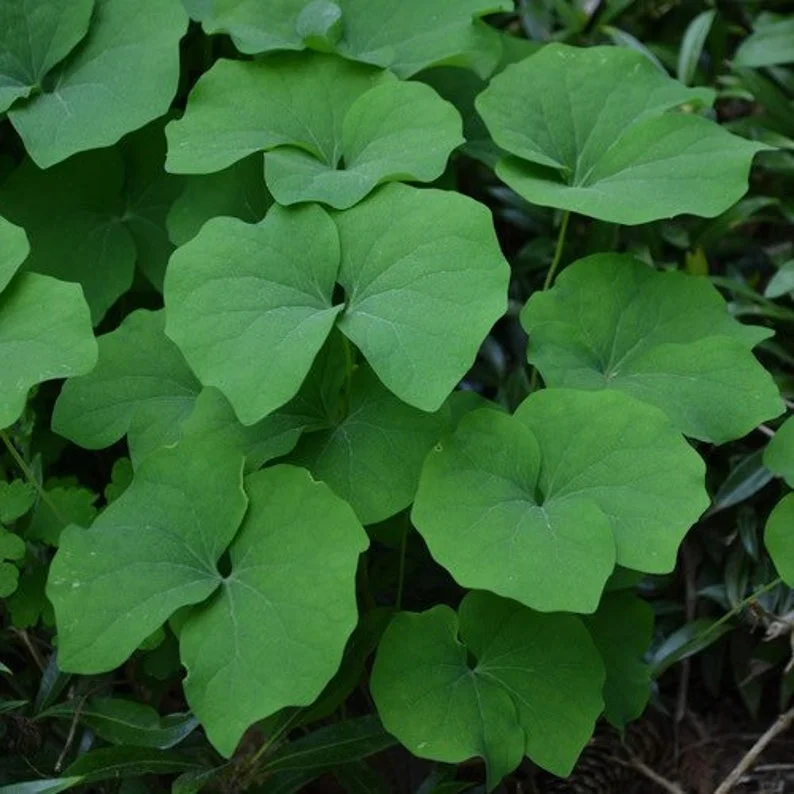
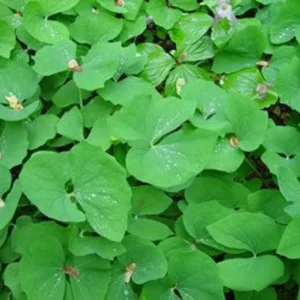
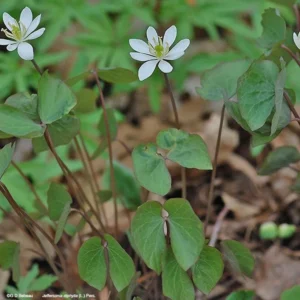
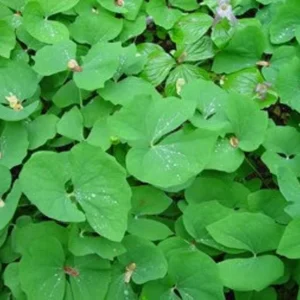
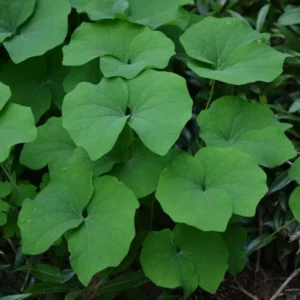
Transform your shaded landscape into a captivating haven with these exquisite Twinleaf bare roots (Jeffersonia Diphylla). This package provides 5 robust, organically grown bare root plants, ready to establish and flourish in your garden. Known for their distinctive two-lobed leaves that resemble butterfly wings, these perennial wildflowers bring a unique textural element even before their charming white flowers emerge in early spring. As a Jeffersonia Diphylla perennial, it’s a resilient and low-maintenance choice for gardeners seeking to add natural beauty to their outdoor spaces. Perfect for woodland settings, native plant gardens, or any area receiving dappled sunlight, these plants create an inviting and serene atmosphere. These organic wildflower plants are a sustainable choice, free from harmful chemicals, supporting local biodiversity and creating a healthy environment for pollinators.
The beauty of these organic wildflower plants lies not only in their aesthetic appeal but also in their ecological benefits. They are a true native wildflower, perfectly adapted to the woodland understory, making them an excellent choice for a naturalized look. When established, these plants form attractive clumps, providing continuous visual interest throughout the growing season. Their delicate appearance belies their hardy nature, making them a rewarding addition for both novice and experienced gardeners.
Choosing these Twinleaf bare roots offers a multitude of advantages for your garden and the environment. They are an exceptional choice for creating a vibrant and sustainable landscape.
Caring for your Twinleaf bare roots is straightforward, especially when planted in their preferred environment. Upon receiving your bare roots, it’s important to plant them promptly. Choose a location in partial to full shade, mimicking their natural woodland habitat. Avoid direct, harsh afternoon sun, which can scorch their delicate leaves. The ideal soil for these Jeffersonia Diphylla perennial plants is moist, well-draining, and rich in organic matter. Amending your soil with compost or leaf mold before planting will provide the best start for your new plants.
When planting, dig a hole large enough to accommodate the roots without bending them. Spread the roots out gently and backfill with soil, ensuring the crown of the plant (where the roots meet the stem) is level with the soil surface. Water thoroughly after planting to settle the soil around the roots. Consistent moisture is crucial during the establishment phase; keep the soil evenly moist but not waterlogged. Once established, these organic wildflower plants are relatively drought-tolerant but will benefit from supplemental watering during prolonged dry spells. Mulching around the plants with a layer of shredded leaves or wood chips will help retain soil moisture, regulate soil temperature, and suppress weeds. Fertilization is generally not necessary in rich, organic soil, but a light application of a balanced, slow-release organic fertilizer in early spring can encourage vigorous growth. These shade garden plants are quite resilient, but ensuring proper drainage is key to preventing root rot.
This offering includes 5 Twinleaf bare roots of Jeffersonia Diphylla. These plants typically reach a mature height of 12-18 inches and spread approximately 12 inches wide, forming attractive, compact clumps over time. They are shipped as dormant bare roots, which is the optimal stage for planting and establishment, allowing them to focus energy on root development in their new home. Bare roots are a sustainable and cost-effective way to introduce these beautiful native woodland plant specimens into your garden. Expect to see foliage emerge in early spring, followed by their delicate white blooms. With proper care, these perennials will provide years of enjoyment, naturalizing and expanding their presence in your shaded garden.
You must be logged in to post a review.
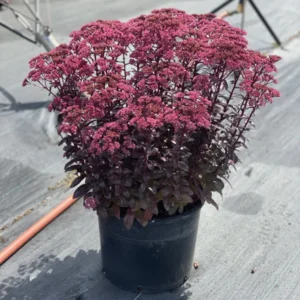
Flowers
Cherry Fizz Stonecrop Sedum Perennial Live Plant – 3″ Pot – Bronze to Pink Flowers – Outdoor
Sold 63 products
Original price was: $49.99.$37.99Current price is: $37.99.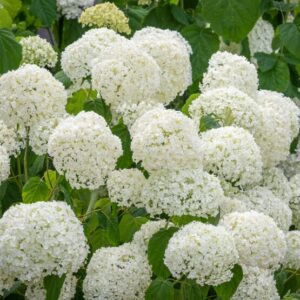
Sold 76 products
Original price was: $78.99.$48.99Current price is: $48.99.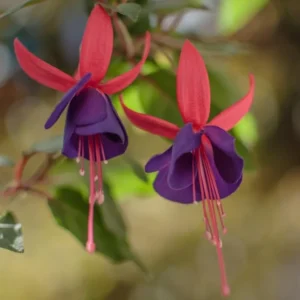
Sold 87 products
Original price was: $33.98.$16.99Current price is: $16.99.
Sold 79 products
Original price was: $73.99.$43.99Current price is: $43.99.
Sold 59 products
Original price was: $47.99.$34.99Current price is: $34.99.
Sold 81 products
Original price was: $76.99.$46.99Current price is: $46.99.
Sold 73 products
Original price was: $20.99.$18.90Current price is: $18.90.
Sold 81 products
Original price was: $118.99.$88.99Current price is: $88.99.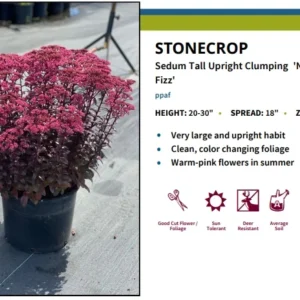
Reviews
There are no reviews yet.