NEED SUPPORT WITH YOUR ORDER? Get in touch
Not satisfied with your purchase?
Enter your Order ID on website, and we'll resolve it right away.


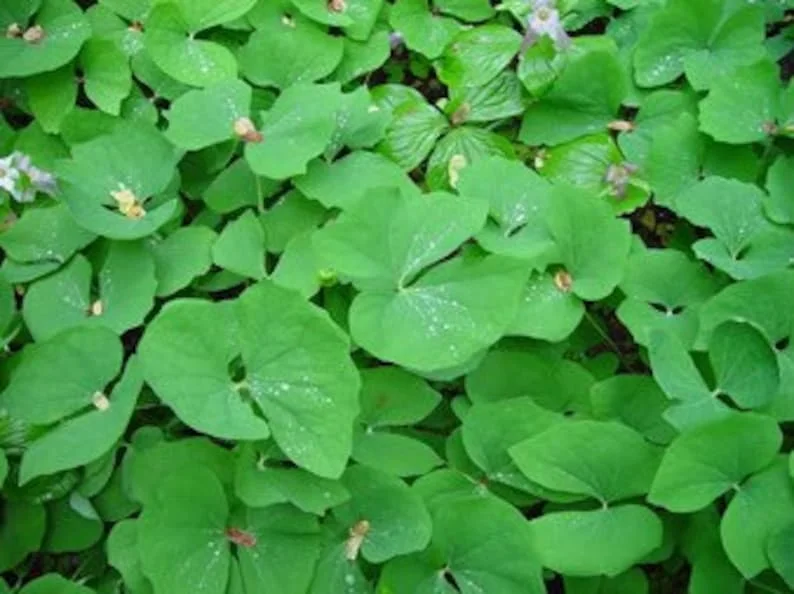
Original price was: $44.99.$15.99Current price is: $15.99.
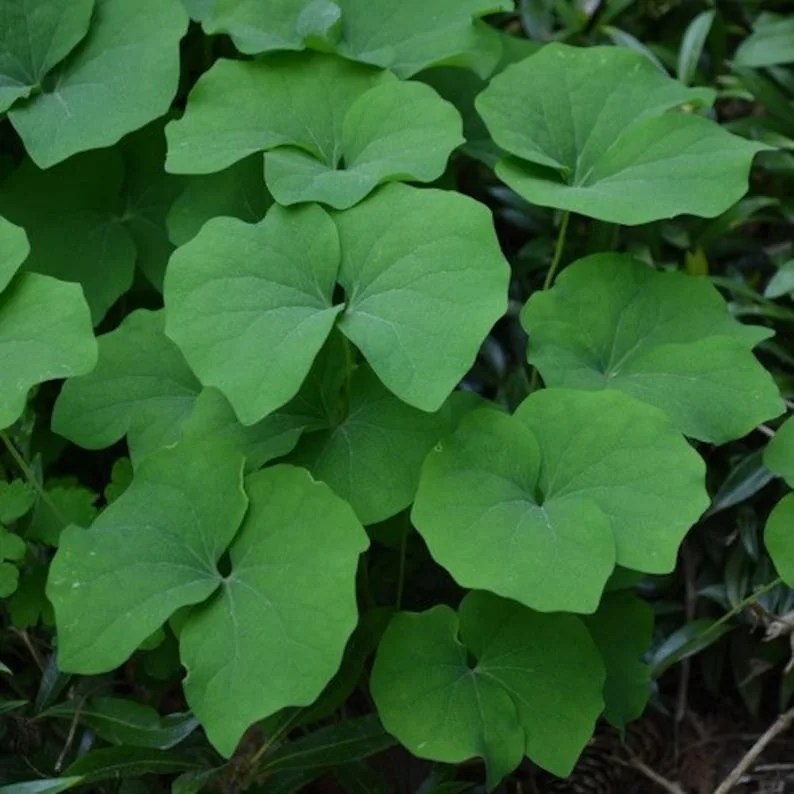
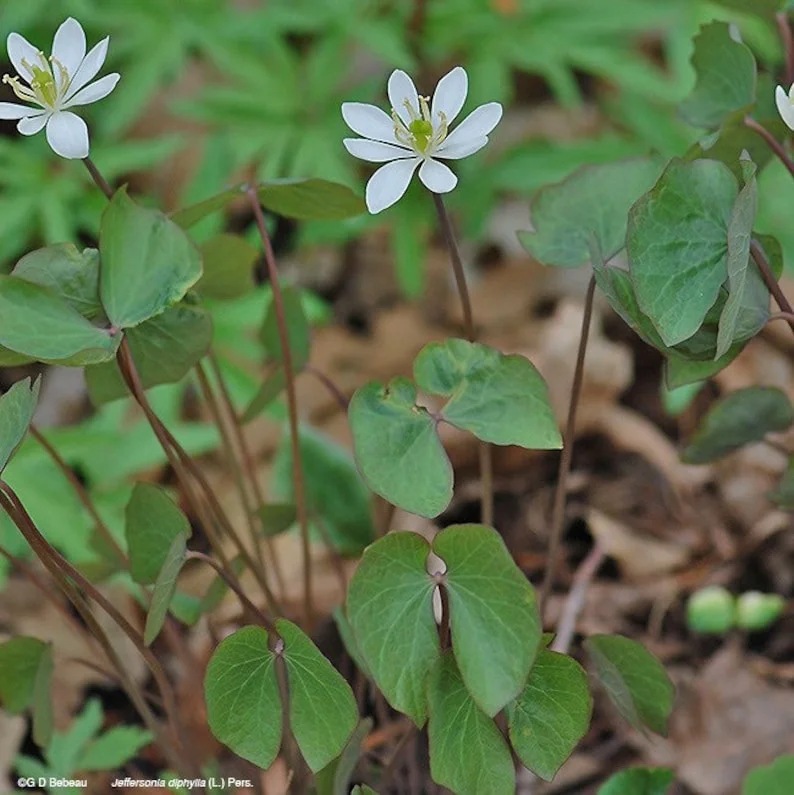
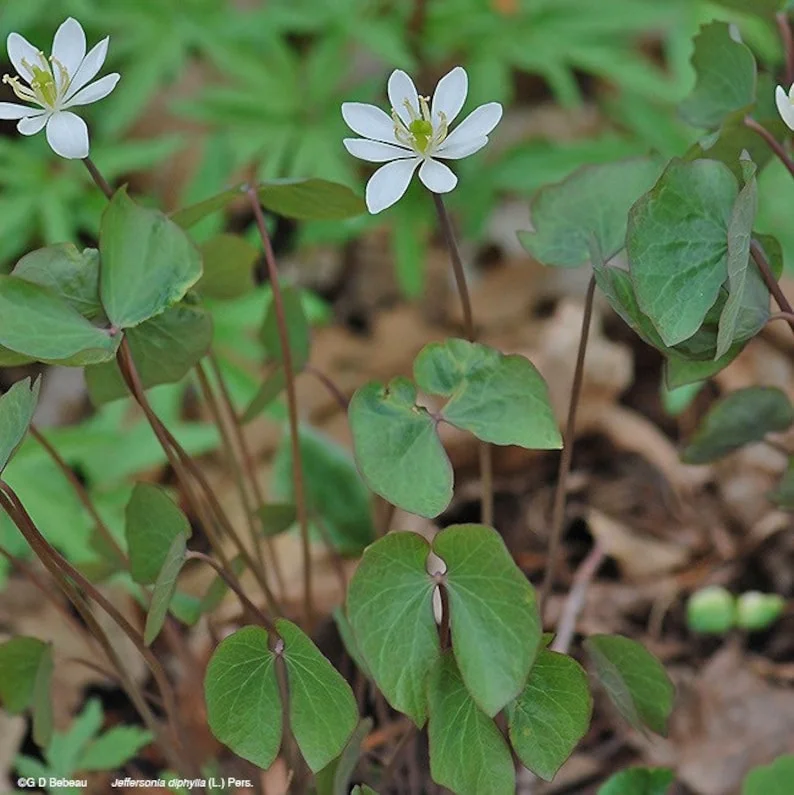
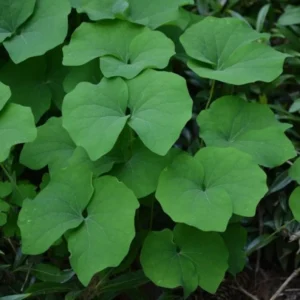
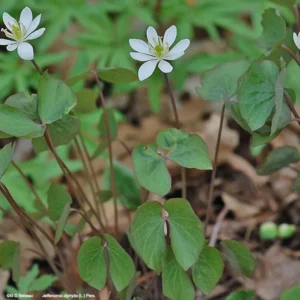
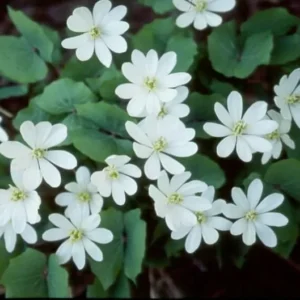
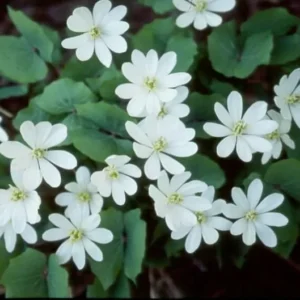
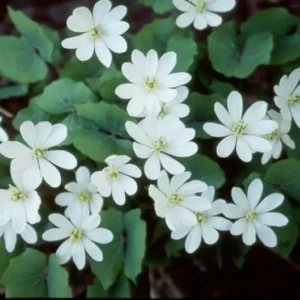
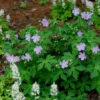
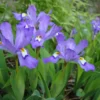
Bring woodland elegance to your shade garden with Jeffersonia Diphylla bare roots. This 3-pack of Twinleaf plants features distinctive twin-lobed foliage and delicate white flowers, perfect for attracting pollinators. Organically grown, these woodland wildflowers are easy to establish and thrive in partial to full shade, creating a beautiful and low-maintenance display.
Mar 03
Mar 08 - Mar 10
Mar 13 - Mar 17
USDA Hardiness Zone
Soil Type
Sunlight Exposure
Expected Planting Period
Shipping and return policies: Our Alive & Thrive Guarantee covers issues with your plants within the first 30 days. Get in touch with us via email, and our team will review your concerns and, if necessary, provide you with a one-time replacement at no cost.
If you're unsure about your hardiness zone, feel free to reach out to us. Our team will answer your questions and help you find the plants that are truly suitable for your environment, climate, and personal preferences.
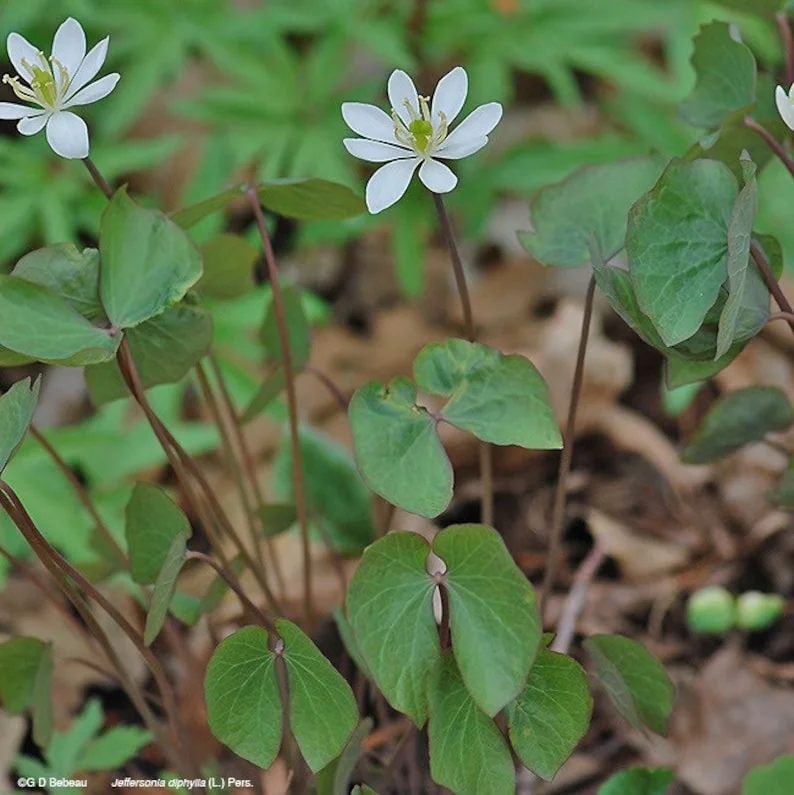
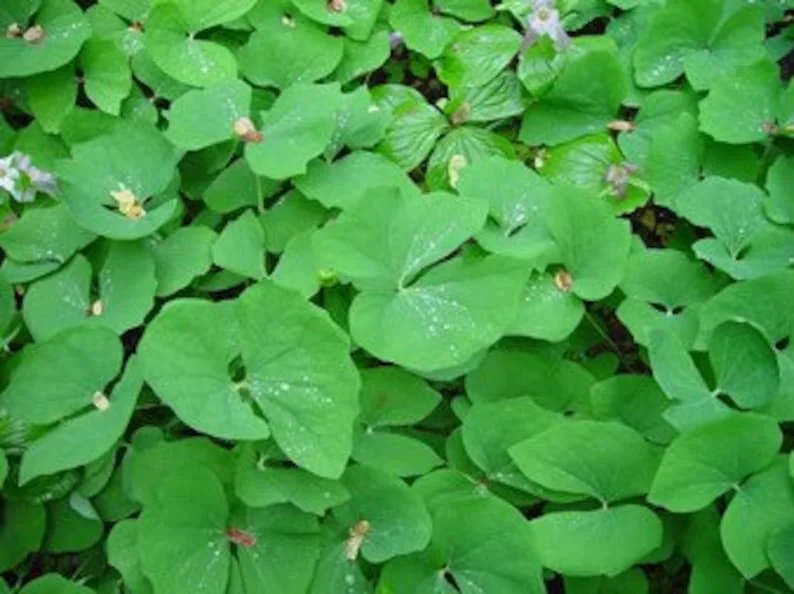
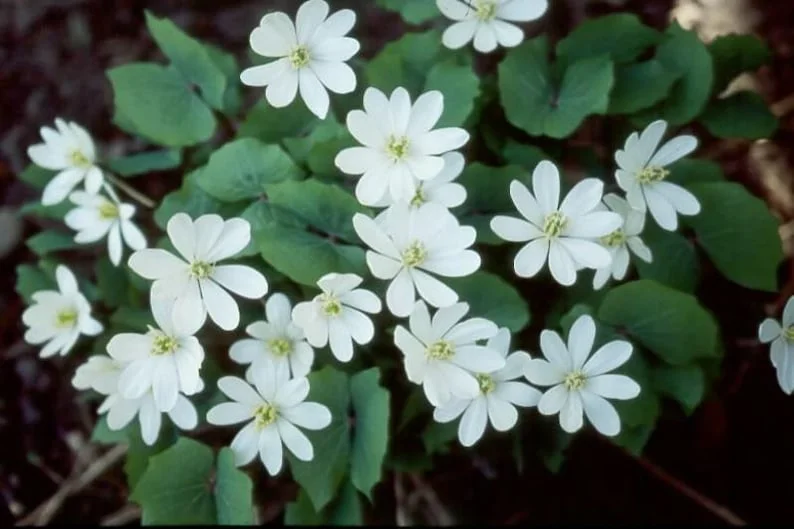
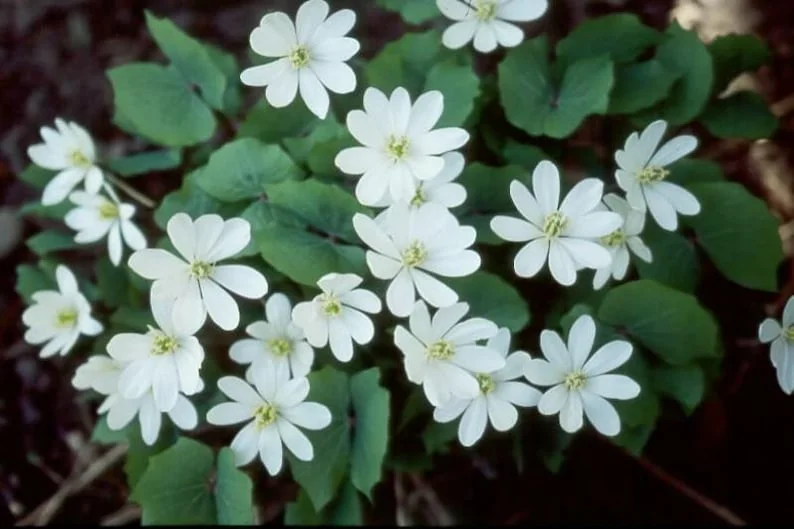
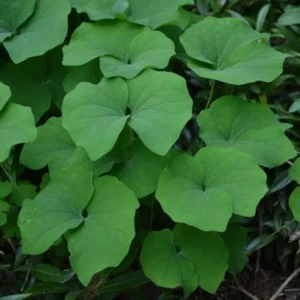
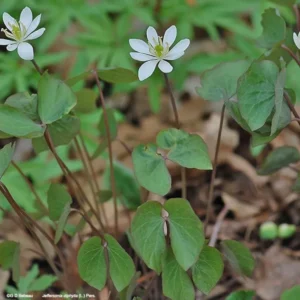
Transform your shaded garden spaces into an enchanting woodland retreat with these beautiful Jeffersonia Diphylla bare roots. Known commonly as Twinleaf plants, these unique perennial wildflowers are cherished for their distinctive twin-lobed foliage and charming white flowers that emerge in early spring. Each order includes three organically grown bare root plants, providing an excellent foundation for a thriving display. Ideal for gardeners seeking to add a touch of natural elegance, these woodland wildflowers are a standout choice for their delicate beauty and ease of establishment. They are a fantastic addition for creating a serene, naturalized setting in your landscape, offering visual interest and early season blooms.
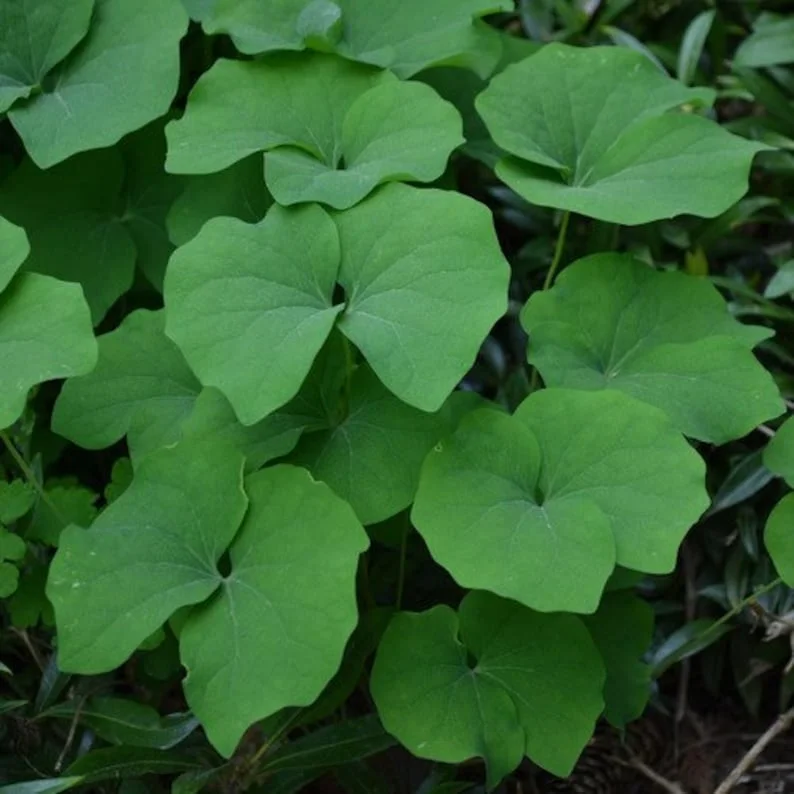
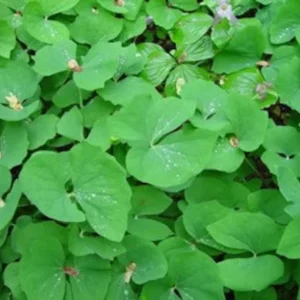
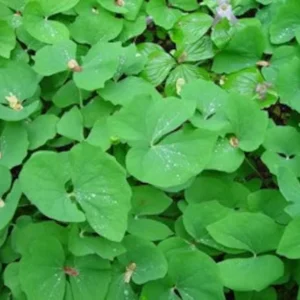
These bare root plants are carefully cultivated to ensure optimal health and vigor, ready to bring life and unique character to your garden. The fascinating foliage structure, reminiscent of butterfly wings, provides unique visual appeal even when not in bloom. If you’re looking to cultivate a biodiverse and visually rich shade garden, integrating organic perennial plants like Jeffersonia Diphylla is an excellent strategy. They are a true gem for any plant enthusiast.
Cultivating these remarkable Jeffersonia Diphylla bare roots offers a multitude of advantages for your garden and local ecosystem. Their unique characteristics make them a valuable and beautiful addition:
Ensuring the successful establishment and vigorous growth of your Jeffersonia Diphylla bare roots requires understanding their specific needs. These woodland plants thrive when their natural habitat conditions are replicated in your garden. For optimal results, plant them in early spring or fall when the weather is cool and moist, allowing for gradual root establishment before extreme temperatures set in.
Sunlight Requirements:Twinleaf plants prefer partial to full shade. This means they need protection from intense afternoon sun, especially in warmer climates, as direct sunlight can scorch their delicate leaves. An ideal location would be under deciduous trees or on the north side of a building where they receive dappled sunlight throughout the day or morning sun only. Providing adequate shade helps them maintain their vibrant foliage and delicate blooms.
Watering and Soil: These woodland wildflowers thrive in consistently moist, well-drained soil. It’s crucial to avoid waterlogging, which can lead to root rot, but also to prevent the soil from drying out completely. During dry periods, especially in their first year, regular watering is essential. The best soil type is rich in organic matter, mimicking the humus-rich forest floor. A slightly acidic to neutral pH (6.0-7.0) is ideal. Amending your soil with compost or leaf mold will greatly benefit their growth and overall health. Good drainage is paramount to prevent disease.
Temperature and Hardiness: Jeffersonia Diphylla is a hardy perennial, typically thriving in USDA zones 4-7. They are well-adapted to temperate climates and can tolerate cold winters. Mulching around the base of the plants with leaf litter or wood chips can help maintain soil moisture and regulate soil temperature, offering protection during extreme cold or heat. Fertilization is generally minimal for these organic perennial plants; a light application of a balanced organic fertilizer in early spring can be beneficial but is not always necessary if the soil is rich in organic matter.
These Jeffersonia Diphylla bare roots are provided as dormant rootstock, ready for planting upon arrival. Each order includes three healthy bare root plants, which are carefully harvested and packaged to ensure freshness and viability. When established, these unique Twinleaf plants typically grow to a modest height and width of 6-12 inches, forming a lovely ground cover or an elegant mid-layer in a shade garden. Their growth rate is moderate, and they will gradually expand to form impressive clumps over several seasons. Expect the delicate white flowers to bloom in early spring, typically from April to May, depending on your specific climate and growing conditions. The distinctive twin-lobed foliage remains attractive throughout the growing season, providing continuous visual interest. These woodland wildflowers are a long-lived addition to the garden, offering years of beauty and ecological benefit.
You must be logged in to post a review.
Sold 50 products
Original price was: $69.98.$34.99Current price is: $34.99.
Sold 80 products
Original price was: $39.68.$19.84Current price is: $19.84.
Sold 89 products
Original price was: $39.98.$19.99Current price is: $19.99.
Sold 77 products
Original price was: $59.88.$29.94Current price is: $29.94.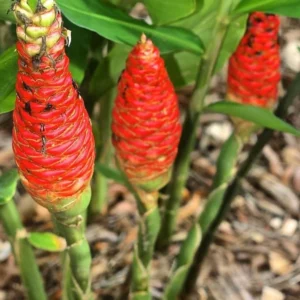
Flower Plants
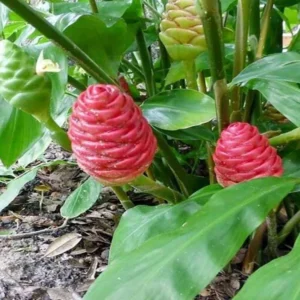
Awapuhi Shampoo Ginger Plant Live, Zingiber Zerumbet Plant Pinecone Ginger Plant for Garden, No Pot
Sold 60 products
Original price was: $55.99.$28.99Current price is: $28.99.
Sold 84 products
Original price was: $33.98.$16.99Current price is: $16.99.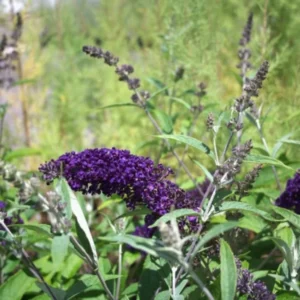
Flower Plants
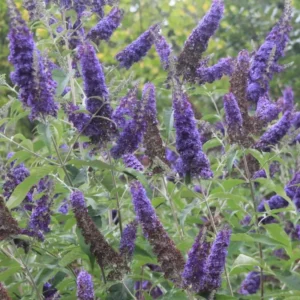
Dark Purple Butterfly Bush Live Plant 4 Inch Pot – Outdoor Garden Butterfly Attractant
Sold 83 products
Original price was: $39.98.$19.99Current price is: $19.99.
Sold 65 products
Original price was: $49.96.$24.98Current price is: $24.98.
Reviews
There are no reviews yet.