NEED SUPPORT WITH YOUR ORDER? Get in touch
Not satisfied with your purchase?
Enter your Order ID on website, and we'll resolve it right away.

Original price was: $49.99.$37.99Current price is: $37.99.
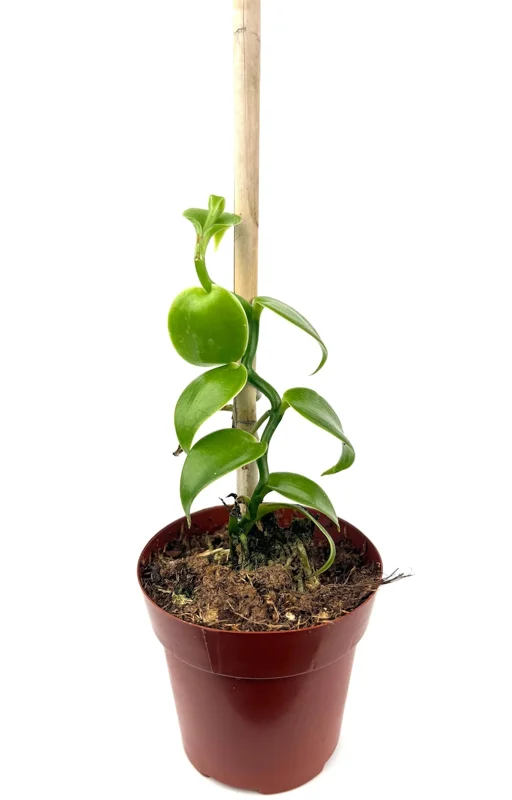
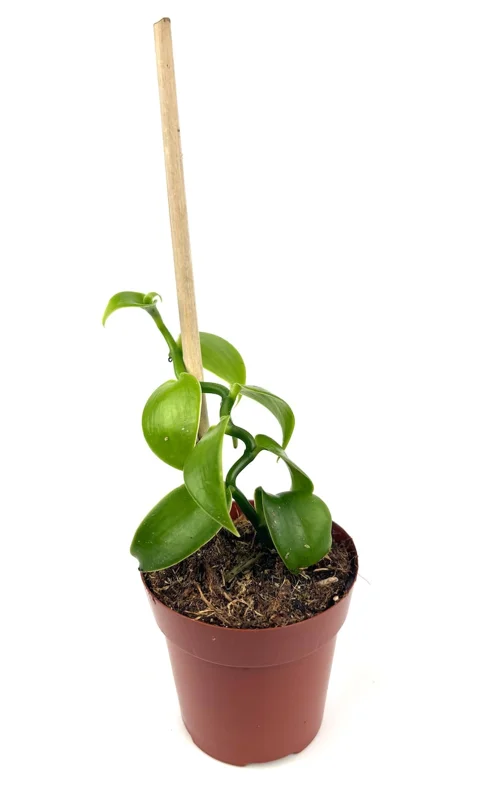
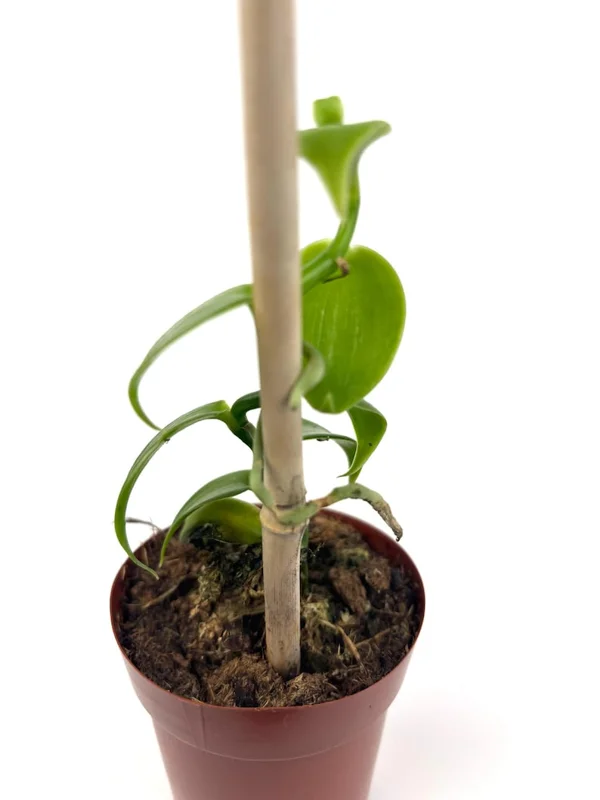
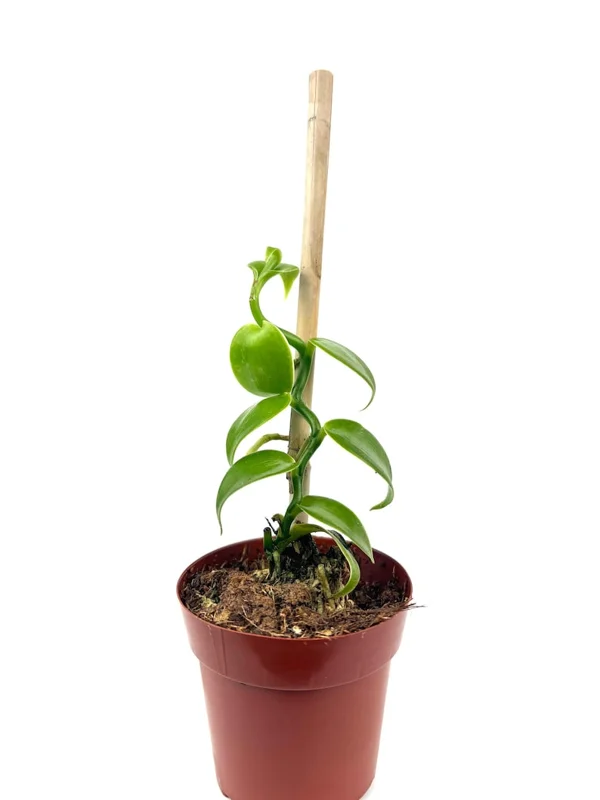
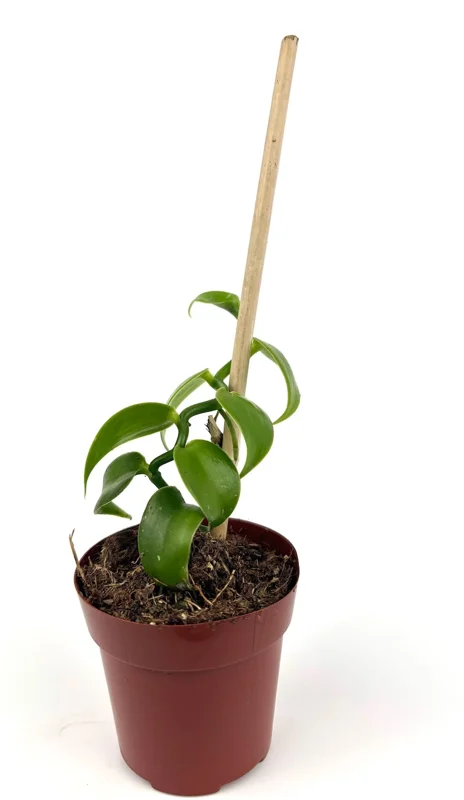
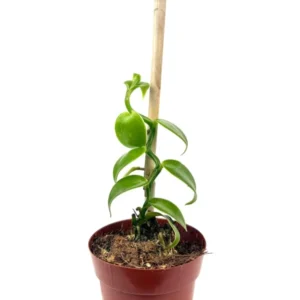
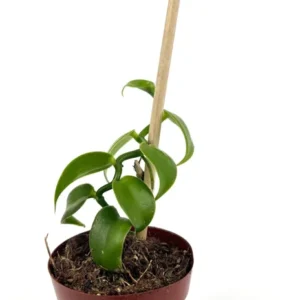
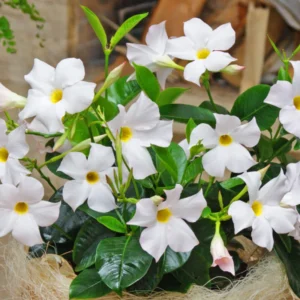
Cultivate your own vanilla with this beautiful vanilla bean orchid plant. This Vanilla Planifolia care is a rewarding indoor vine, arriving in a 2.5 inch pot with a sturdy wood pole for immediate support. It’s a unique and pet-safe addition to any home, offering exotic beauty and the potential to harvest fresh vanilla beans.
Mar 04
Mar 09 - Mar 11
Mar 14 - Mar 18
USDA Hardiness Zone
Soil Type
Sunlight Exposure
Expected Planting Period
Shipping and return policies: Our Alive & Thrive Guarantee covers issues with your plants within the first 30 days. Get in touch with us via email, and our team will review your concerns and, if necessary, provide you with a one-time replacement at no cost.
If you're unsure about your hardiness zone, feel free to reach out to us. Our team will answer your questions and help you find the plants that are truly suitable for your environment, climate, and personal preferences.
Embark on a unique gardening journey with the vanilla bean orchid plant, a fascinating and rewarding addition to any indoor collection. This live plant, specifically the Vanilla Planifolia species, is a tropical vine renowned for producing the vanilla beans used in culinary applications worldwide. Imagine the satisfaction of harvesting your own vanilla right from your home! Each plant arrives nestled in a 2.5 inch pot, already supported by a sturdy wood pole, providing an instant climbing structure and an attractive display. This exotic vine can reach impressive lengths of 8-10 feet or more indoors, creating a lush, tropical ambiance in your living space. The journey of growing vanilla bean orchid plant is not just about the potential harvest, but also the joy of nurturing a truly extraordinary botanical specimen.
This particular vanilla bean orchid plant is a tropical evergreen that thrives in the right indoor conditions, bringing a touch of the rainforest to your home. It’s perfect for plant enthusiasts looking for a distinctive challenge and a plant with a captivating growth habit. With proper care and attention, this plant promises to be a conversation starter and a source of immense pride.
Growing a vanilla bean orchid plant offers a multitude of benefits, transforming your indoor garden into a vibrant, productive haven:
Successful vanilla planifolia care requires attention to specific environmental conditions to mimic its tropical native habitat. This tropical vine thrives in filtered light, making it an ideal choice for indoor environments where direct, harsh sunlight can be avoided. Place your vanilla bean orchid plant near an east-facing window or a few feet away from a south or west-facing window where it receives bright, indirect light for several hours a day. Too little light will hinder growth, while too much direct sun can scorch its delicate leaves.
Maintaining high humidity, ideally around 80%, is crucial for the health and happiness of your vanilla bean orchid plant. Regular misting, especially during dry seasons, is highly recommended. You can easily increase ambient humidity by placing the pot on a tray filled with pebbles and water, ensuring the pot itself doesn’t sit directly in the water. A small humidifier placed nearby can also be very beneficial. For optimal growth and potential blooming, maintain warm temperatures, specifically between 60-70°F at night and 80-95°F during the day. The plant prefers consistently moist but not soggy soil, so ensure excellent drainage. Water thoroughly when the top inch of soil feels dry to the touch, allowing excess water to drain completely. During the growing season, a diluted 10-10-10 fertilizer applied regularly will encourage robust growth. The plant prefers acidic soil, so ensure your potting mix is appropriate, often orchid bark mixes are a good base.
While the prospect of producing vanilla beans is exciting, remember that hand pollination is required for this vanilla orchid vine to fruit. This fascinating process typically occurs in the spring and involves carefully transferring pollen from the male to the female parts of the flower. Research specific hand-pollination techniques for vanilla orchids to ensure successful bean production. Pruning is also beneficial, not only to manage the plant’s size but also to encourage bushier growth and to propagate new plants from cuttings, expanding your collection of vanilla planifolia care specimens. Be vigilant for common orchid pests like mealybugs or spider mites, and treat promptly with appropriate organic solutions if detected.
This vanilla bean orchid plant is supplied as a live, actively growing vine in a 2.5 inch nursery pot. Each plant comes pre-trained on a sturdy wood pole, providing immediate support for its vining habit and enhancing its visual appeal. While compact upon arrival, this tropical vine has the potential to reach impressive lengths of 8-10 feet or even more when grown indoors with optimal care. Its growth rate is moderate, allowing you to enjoy its development over time. The plant is ready to be placed in its new indoor environment and begin its journey of growth and potential vanilla bean production. It is shipped carefully to ensure it arrives healthy and ready to thrive in your home. This indoor vanilla plant will continue to grow and develop its characteristic aerial roots, which help it anchor to its support and absorb moisture from the air.
The 2.5-inch pot size makes it easy to integrate into your existing plant collection or to place on a bright shelf or tabletop. As the vine grows, you may consider repotting into a slightly larger container with fresh, well-draining orchid-specific potting mix, ensuring the wood pole continues to provide adequate support for the climbing tendrils. Expect to see steady growth, especially during warmer months, as the plant establishes itself and begins to extend its graceful foliage.
You must be logged in to post a review.
Sold 61 products
Original price was: $45.74.$22.87Current price is: $22.87.
Sold 72 products
Original price was: $114.99.$84.99Current price is: $84.99.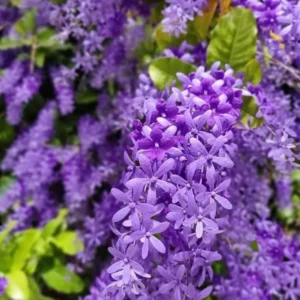
Sold 91 products
Original price was: $36.42.$18.99Current price is: $18.99.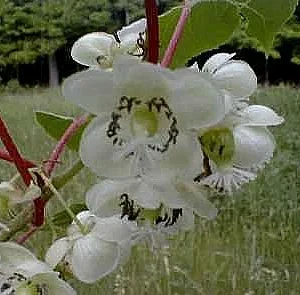
Sold 78 products
Original price was: $81.99.$61.99Current price is: $61.99.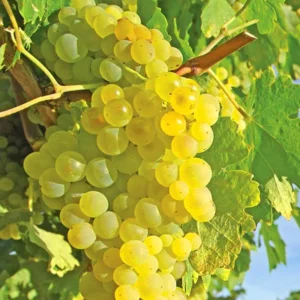
Sold 59 products
Original price was: $72.99.$52.99Current price is: $52.99.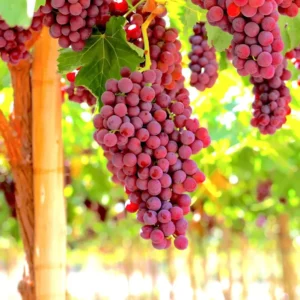
Vines
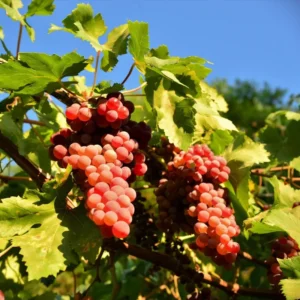
RED FLAME Seedless Grape Vine Plant – 28 to 40 Inch Tall 1-2 Yr Old Live Plant – Ready to Plant
Sold 63 products
Original price was: $54.90.$44.90Current price is: $44.90.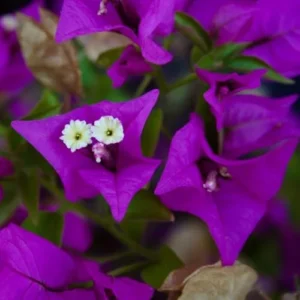
Vines
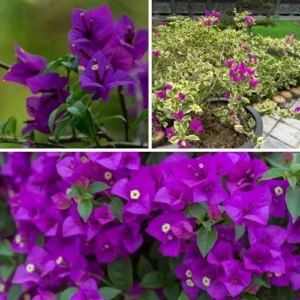
Bougainvillea Vine Plants – Set of Purple & Ice Blueberry, 4-Inch Rooted Plants – Spring Flowers
Sold 79 products
Original price was: $119.98.$59.99Current price is: $59.99.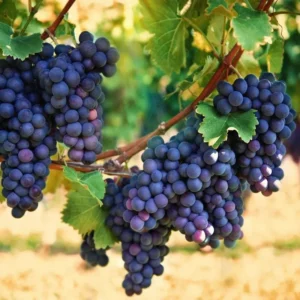
Sold 80 products
Original price was: $49.98.$29.98Current price is: $29.98.
Reviews
There are no reviews yet.