NEED SUPPORT WITH YOUR ORDER? Get in touch
Not satisfied with your purchase?
Enter your Order ID on website, and we'll resolve it right away.

Original price was: $135.00.$115.00Current price is: $115.00.
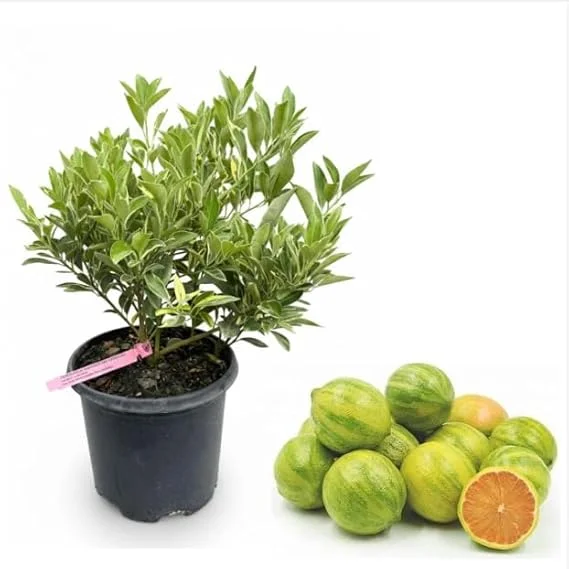
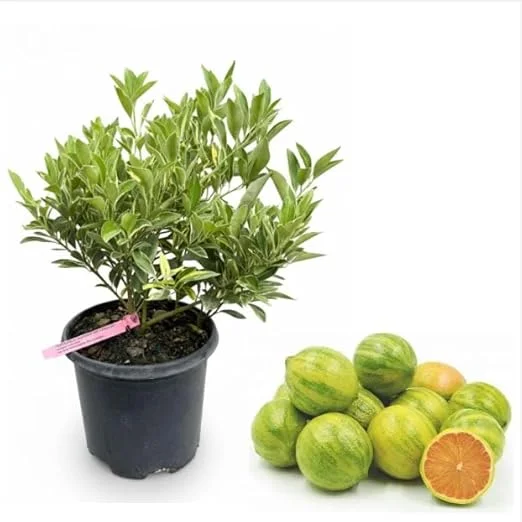
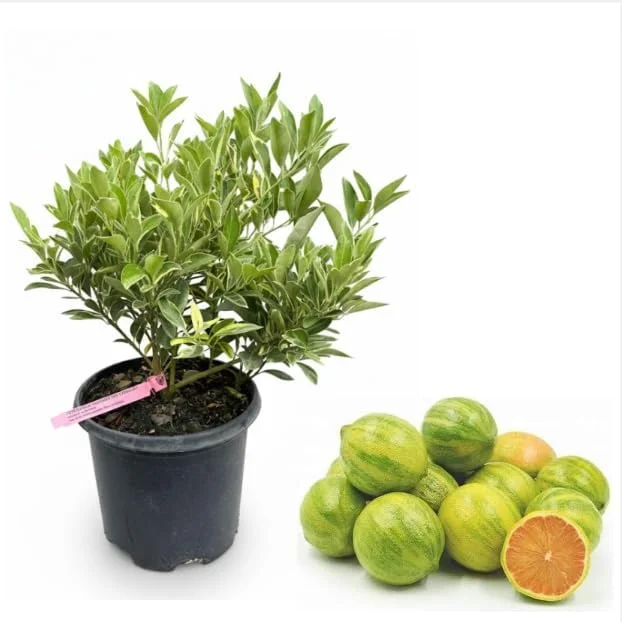
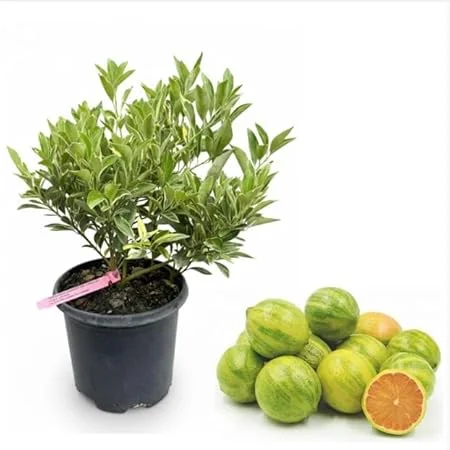
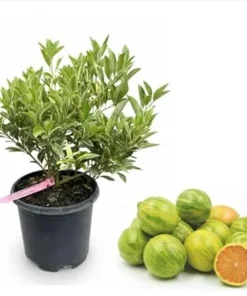
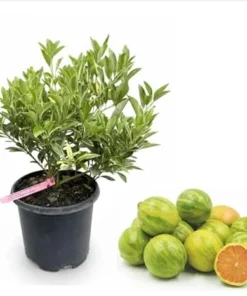
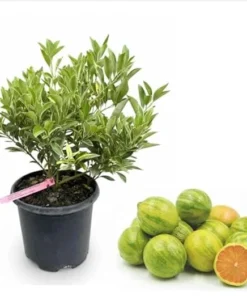
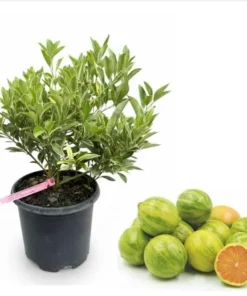
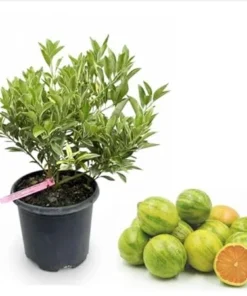
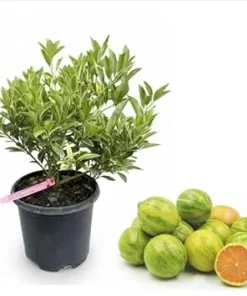
Cultivate your own delightful fruit with a variegated kumquat tree. This 1-2 foot tall live citrus tree arrives in a 1 gallon pot, ready for planting. Enjoy its vibrant foliage and harvest sweet-tart kumquats.
Feb 08
Feb 13 - Feb 15
Feb 18 - Feb 22
USDA Hardiness Zone
Soil Type
Sunlight Exposure
Expected Planting Period
Shipping and return policies: Our Alive & Thrive Guarantee covers issues with your plants within the first 30 days. Get in touch with us via email, and our team will review your concerns and, if necessary, provide you with a one-time replacement at no cost.
If you're unsure about your hardiness zone, feel free to reach out to us. Our team will answer your questions and help you find the plants that are truly suitable for your environment, climate, and personal preferences.
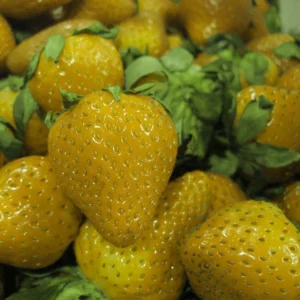
Bring the beauty and bounty of the tropics to your home with a stunning variegated kumquat tree. This particular variety, the Centennial Kumquat, is highly prized for its attractive, variegated leaves and delicious, small, oval-shaped fruit. As a live citrus tree, it offers both ornamental appeal and the joy of harvesting your own fresh, sweet-tart kumquats. Perfect for gardeners looking for an exciting and rewarding plant, this tree is a true conversation starter. Its compact size makes it suitable for container growing on patios or as an indoor plant in colder climates, allowing you to enjoy fresh fruit even if you don’t have a large garden. The Centennial Kumquat is known for its relatively easy care and prolific fruiting, making it a great choice for both novice and experienced growers.
The Variegated Centennial Kumquat is a unique cultivar of Fortunella japonica, producing fruit with a distinctive striped rind that ripens to a beautiful orange. The pulp is often less tart than other kumquat varieties, making it excellent for fresh eating, preserves, and culinary uses. This centennial kumquat plant is a versatile addition to any collection, providing year-round interest with its glossy foliage, fragrant white blossoms, and colorful fruit. Imagine plucking your own fresh kumquats right from your patio or sunroom!
Growing a variegated kumquat tree offers numerous advantages, from its aesthetic charm to the practical benefits of homegrown fruit. This remarkable plant is more than just a fruit producer; it’s a living piece of art for your garden or home.
Caring for your variegated kumquat tree is relatively straightforward, especially when provided with the right conditions. This live citrus tree thrives in warm environments and requires specific attention to light, water, and soil to ensure healthy growth and abundant fruit production. The ideal temperature range for this plant is between 70 to 100 degrees Fahrenheit, making it well-suited for warmer climates or indoor cultivation in cooler zones. It is hardy in USDA Zones 8-11, meaning it can tolerate mild frosts but should be protected from prolonged freezing temperatures.
For optimal growth, your centennial kumquat plant needs full sun exposure, meaning at least 6-8 hours of direct sunlight per day. If growing indoors, place it near a south-facing window or supplement with a grow light. When it comes to watering, consistency is key. The soil should be kept consistently moist but never waterlogged. Water thoroughly when the top 2-3 inches of soil feel dry to the touch, and ensure good drainage to prevent root rot. A well-draining, loamy, or sandy soil mix is essential. Citrus-specific potting mixes are often recommended for container-grown plants. Fertilize regularly during the growing season (spring through fall) with a balanced citrus fertilizer to support vigorous growth and fruit development. Pruning can be done to maintain shape, remove dead branches, and encourage air circulation.
Common issues for kumquat trees include pests like aphids, scale, and spider mites, which can usually be managed with horticultural oil or insecticidal soap. Yellowing leaves can indicate nutrient deficiencies or improper watering. Ensuring proper light, consistent moisture, and adequate fertilization will help keep your variegated kumquat tree healthy and productive. Monitoring your plant regularly for any signs of stress or pests will allow for early intervention and stronger growth. With proper care, your kumquat care routine will be simple and rewarding, leading to a flourishing plant and delicious fruit.
This variegated kumquat tree is provided as a young live citrus tree, typically standing 1 to 2 feet tall upon arrival. It comes planted in a 1 gallon nursery pot, ensuring its root system is well-established and ready for transplanting into a larger container or directly into your garden, depending on your climate. The tree is a moderate grower, and with proper care, it will gradually increase in size, eventually reaching a mature height of 6-10 feet if planted in the ground, or a more compact size of 4-6 feet in a container. The Centennial Kumquat is known for its relatively quick fruiting, often producing fruit within 1-2 years of planting when given ideal conditions. Expect beautiful white, fragrant blooms in late spring to early summer, followed by fruit development that ripens from fall into winter.
The 1 gallon pot size provides a good starting point for the plant, allowing it to establish before needing a larger home. When repotting, choose a container that is 2-3 inches wider in diameter to give the roots room to expand. Ensure the new pot has ample drainage holes. This plant’s robust nature makes it a resilient choice for a home orchard or a decorative patio specimen. The striking variegation on the leaves adds an extra layer of ornamental value, setting it apart from other citrus varieties. Understanding proper kumquat care will ensure your plant thrives for many years.
You must be logged in to post a review.
Sold 99 products
Original price was: $39.98.$19.99Current price is: $19.99.
Sold 77 products
Original price was: $79.99.$59.99Current price is: $59.99.
Sold 83 products
Original price was: $72.99.$52.99Current price is: $52.99.
Sold 99 products
Original price was: $64.99.$34.99Current price is: $34.99.
Sold 80 products
Original price was: $55.98.$27.99Current price is: $27.99.
Sold 74 products
Original price was: $79.98.$39.99Current price is: $39.99.
Sold 98 products
Original price was: $68.99.$47.99Current price is: $47.99.
Sold 68 products
Original price was: $78.99.$48.99Current price is: $48.99.

Reviews
There are no reviews yet.