NEED SUPPORT WITH YOUR ORDER? Get in touch
Not satisfied with your purchase?
Enter your Order ID on website, and we'll resolve it right away.

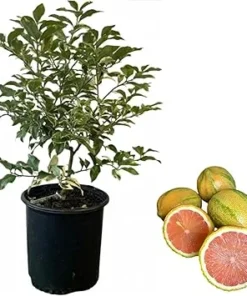
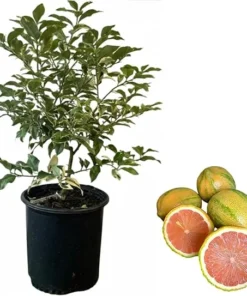
Original price was: $160.00.$140.00Current price is: $140.00.
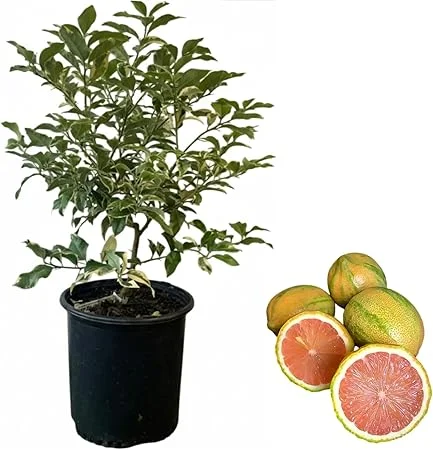
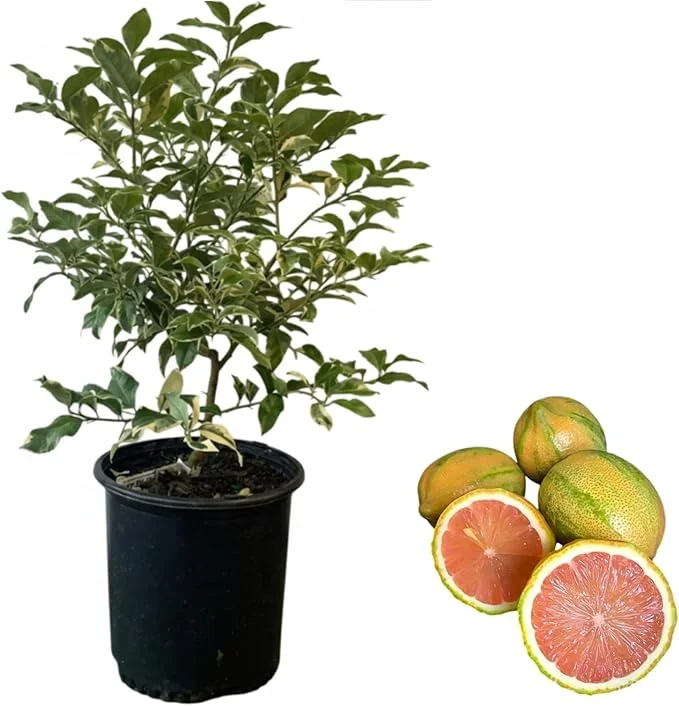
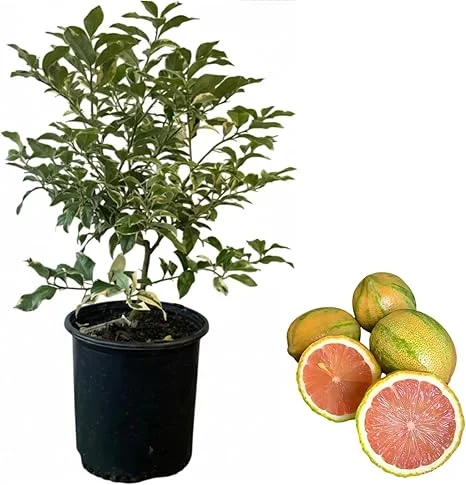
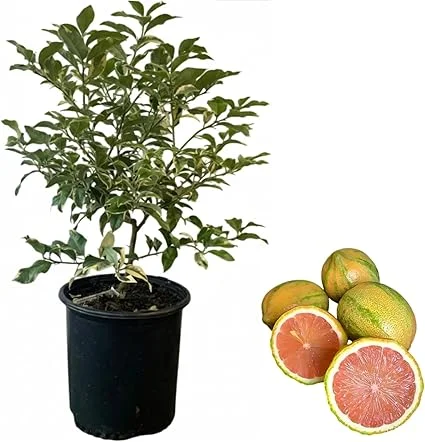
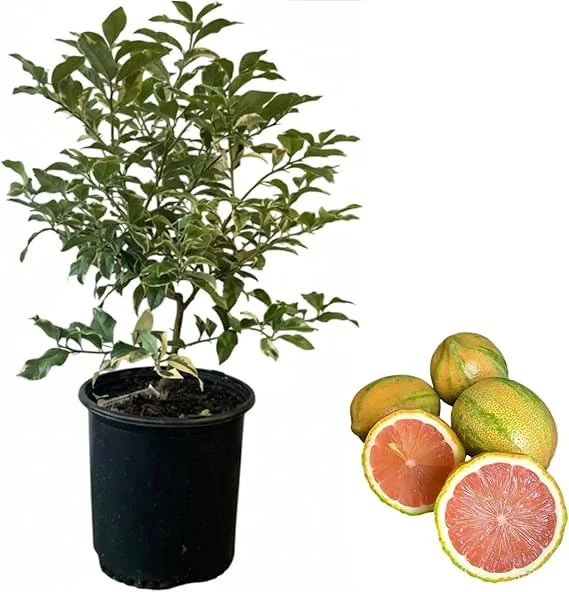
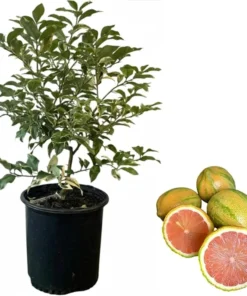
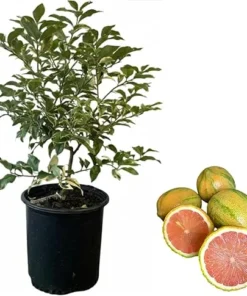
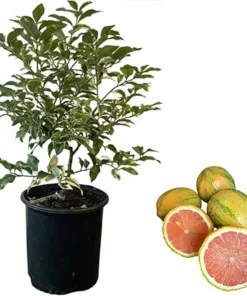
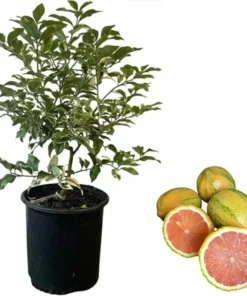
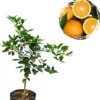
Bring home a stunning variegated pink lemon tree! This 2 to 3 feet tall live lemon tree arrives in a 3-gallon pot, ready for planting. Enjoy unique striped fruit and fragrant blossoms in your garden.
Feb 04
Feb 09 - Feb 11
Feb 14 - Feb 18
USDA Hardiness Zone
Soil Type
Sunlight Exposure
Expected Planting Period
Shipping and return policies: Our Alive & Thrive Guarantee covers issues with your plants within the first 30 days. Get in touch with us via email, and our team will review your concerns and, if necessary, provide you with a one-time replacement at no cost.
If you're unsure about your hardiness zone, feel free to reach out to us. Our team will answer your questions and help you find the plants that are truly suitable for your environment, climate, and personal preferences.
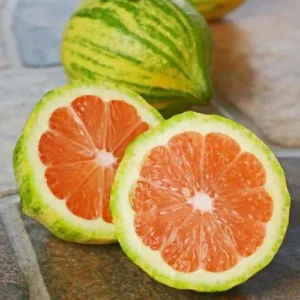
Introduce a touch of exotics to your garden with this beautiful variegated pink lemon tree. This isn’t just any lemon tree; its unique foliage features splashes of cream, white, and green, leading to blossoms that are purple-tinged and eventually produce lemons with distinctive green-striped rinds that ripen to a pale yellow. Inside, the flesh is a surprising and delightful pink, offering a tart yet sweet flavor. This live lemon tree is a fantastic addition for both its ornamental beauty and its delicious, unusual fruit. Standing at 2 to 3 feet tall and rooted in a 3-gallon pot, it’s a robust specimen ready to thrive in your outdoor space, bringing both visual appeal and culinary potential. The variegated pink lemon tree is a true conversation starter, perfect for gardeners looking for something out of the ordinary.
The pink lemon plant is a small citrus tree, typically growing to a manageable height of 6 to 12 feet, making it suitable for various garden sizes or even large containers. Its perennial nature ensures years of enjoyment and fruit production. Imagine fresh pink lemonade or gourmet desserts made with your very own home-grown, uniquely colored lemons. This tree is more than just a fruit producer; it’s a living piece of art that enriches any garden or patio with its vibrant appearance and refreshing citrus aroma. Growing your own variegated citrus plant is a rewarding experience, providing both beauty and bounty.
Owning a variegated pink lemon tree offers a multitude of advantages, blending aesthetic appeal with practical benefits for any garden enthusiast. This distinctive citrus variety provides both visual interest and delicious fruit.
Caring for your variegated pink lemon tree is straightforward, ensuring you enjoy bountiful harvests and beautiful foliage for years. This citrus variety thrives with consistent attention to its environmental needs. The most critical factor for a healthy pink lemon plant is ample sunlight. Ensure your tree receives at least 6-8 hours of direct sunlight daily. In hotter climates, some afternoon shade can be beneficial to prevent leaf scorch. If growing indoors, place it near a south-facing window or supplement with a grow light.
Watering should be moderate and consistent. The goal is to keep the soil consistently moist but never waterlogged. Allow the top inch or two of soil to dry out between waterings. Deep watering is preferred, ensuring the entire root ball gets hydrated. Good drainage is essential, so plant in well-drained soil, ideally a loamy mix with a slightly acidic pH. If in a pot, ensure the container has drainage holes to prevent root rot. Fertilize regularly during the growing season (spring through fall) with a balanced citrus fertilizer, following the product’s instructions to support fruit production and foliage health.
The variegated pink lemon tree is best suited for USDA Zones 9 to 11, where it can be grown outdoors year-round. In colder regions, it can be grown in a container and brought indoors during winter months to protect it from frost. Regular pruning can help maintain its shape, remove dead or crossing branches, and encourage better air circulation and fruit development. Watch out for common citrus pests like aphids or scale; address them promptly with organic pest control methods if necessary. With these care tips, you’ll master how to grow pink lemons successfully.
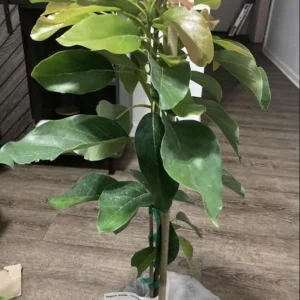
This offering is for one variegated pink lemon tree, a vibrant live lemon tree that comes ready for planting. The tree stands approximately 2 to 3 feet tall from the base of the pot to the tip of its tallest stem, providing a substantial specimen that is already well-established. It is carefully rooted in a 3-gallon nursery pot, ensuring a robust root system and a smooth transition to your garden or a larger container. These trees have a moderate growth rate and will typically reach their mature height of 6 to 12 feet over several years, depending on growing conditions and care. You can expect to see fruit production within a year or two of planting, with the first harvest usually occurring in the second or third year.
The tree will arrive with its distinctive variegated foliage, showcasing the beautiful green and creamy-white patterns that make this variety so unique. While the exact number of fruits present upon arrival may vary, the tree is at an age where it is capable of flowering and fruiting. This variegated citrus plant is shipped securely to minimize stress during transit, ensuring it arrives in optimal condition, ready to flourish in its new home. Please note that shipping restrictions apply to California (CA).
You must be logged in to post a review.

Sold 66 products
Original price was: $257.98.$128.99Current price is: $128.99.
Sold 59 products
Original price was: $259.96.$129.98Current price is: $129.98.
Sold 77 products
Original price was: $99.98.$49.99Current price is: $49.99.
Sold 80 products
Original price was: $259.98.$129.99Current price is: $129.99.
Sold 93 products
Original price was: $55.98.$27.99Current price is: $27.99.
Sold 93 products
Original price was: $59.98.$29.99Current price is: $29.99.
Sold 85 products
Original price was: $243.98.$121.99Current price is: $121.99.
Sold 54 products
Original price was: $219.98.$109.99Current price is: $109.99.

Reviews
There are no reviews yet.