NEED SUPPORT WITH YOUR ORDER? Get in touch
Not satisfied with your purchase?
Enter your Order ID on website, and we'll resolve it right away.

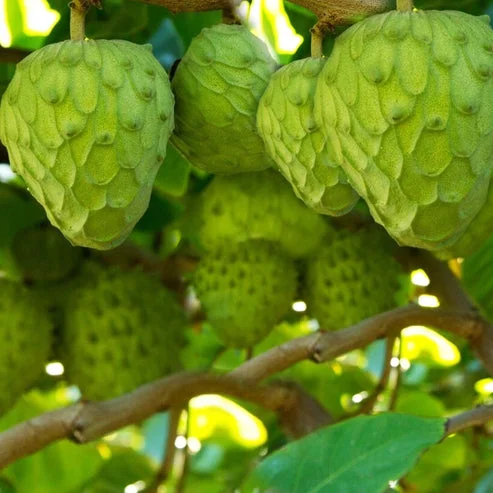
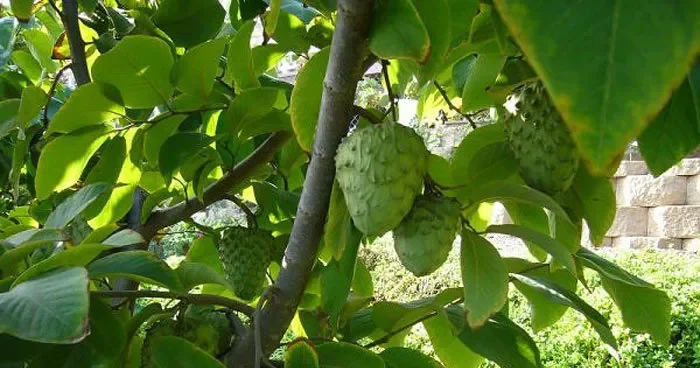
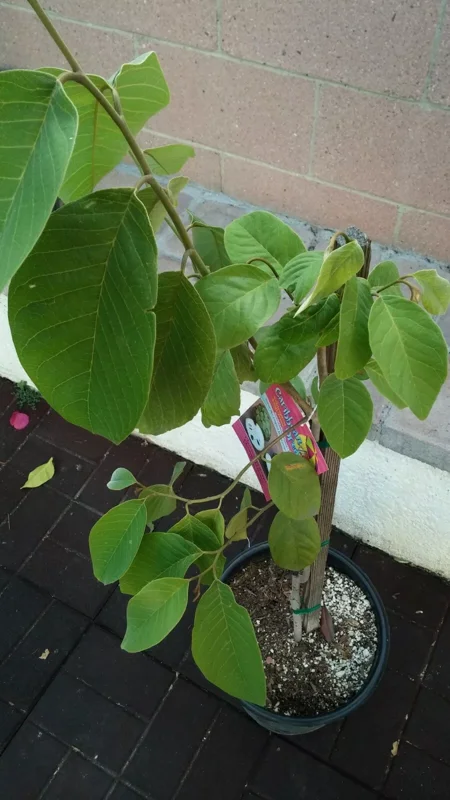
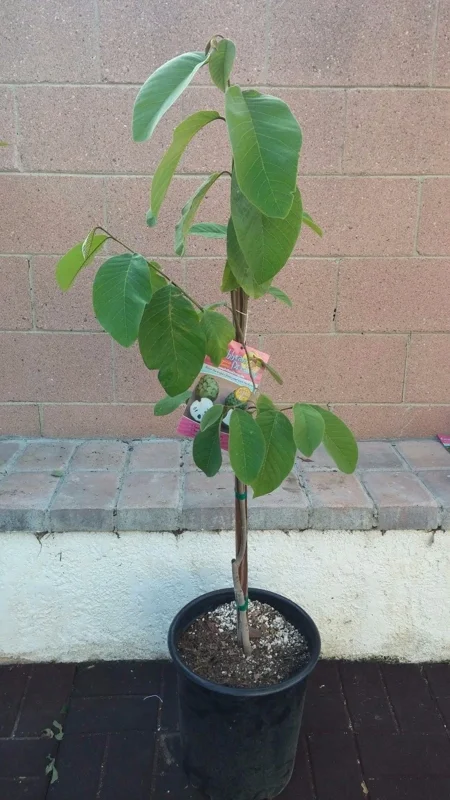
Original price was: $238.99.$208.99Current price is: $208.99.
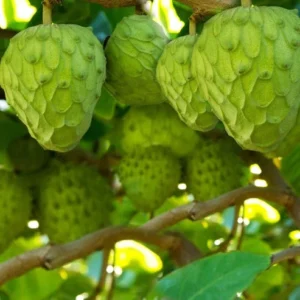
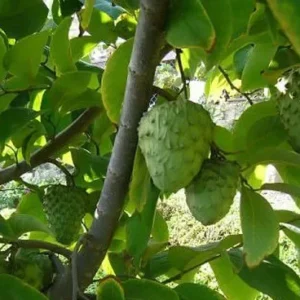
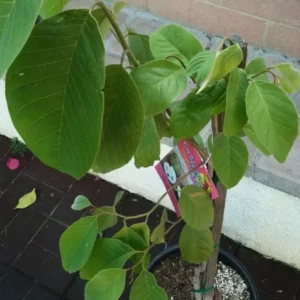
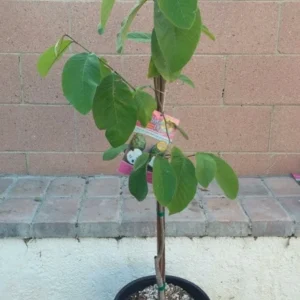
Bring the tropics to your home with a grafted cherimoya tree, also known as the custard apple plant. This 4-foot tall live plant produces delicious, creamy fruit and offers enhanced cold and disease resistance, perfect for container growing.
Mar 03
Mar 08 - Mar 10
Mar 13 - Mar 17
USDA Hardiness Zone
Soil Type
Sunlight Exposure
Expected Planting Period
Shipping and return policies: Our Alive & Thrive Guarantee covers issues with your plants within the first 30 days. Get in touch with us via email, and our team will review your concerns and, if necessary, provide you with a one-time replacement at no cost.
If you're unsure about your hardiness zone, feel free to reach out to us. Our team will answer your questions and help you find the plants that are truly suitable for your environment, climate, and personal preferences.
Bring the exotic taste of the tropics directly to your garden with our premium grafted cherimoya tree. Also known as the ‘custard apple’ due to its uniquely sweet and creamy flesh, this remarkable tropical fruit tree (Annona cherimola) is a true delight for any fruit enthusiast. Originating from the majestic Andes, the cherimoya fruit is celebrated worldwide for its exquisite flavor and soft texture. Our superior grafted plants ensure a more robust and resilient growing experience, making it easier for you to cultivate this magnificent fruit right in your backyard. This is a live plant, approximately 4 feet tall, ready to establish itself in your garden or a large container, promising years of delicious harvests.
The cherimoya live plant is not just about its incredible fruit; it’s also a beautiful addition to your landscape. While primarily evergreen, it may briefly shed leaves in colder conditions, showcasing its adaptability. The fruit, often resembling an artichoke, provides a delightful, custard-like experience whether enjoyed fresh or blended into smoothies. These adaptable trees have a long history of successful cultivation in various climates, proving their resilience and broad appeal. Experience the joy of harvesting your own tropical treasures with this exceptional tree.
Cultivating a grafted cherimoya tree offers a multitude of advantages, transforming your garden into a productive and beautiful oasis. From fresh, homegrown fruit to enhanced plant resilience, these trees are a rewarding investment for any gardener.
Caring for your grafted cherimoya tree is a straightforward process that will reward you with abundant, delicious fruit. These trees are adaptable, but providing optimal conditions will ensure vigorous growth and a bountiful harvest. They thrive in well-draining soil with adequate nutrients, ideally a slightly acidic to neutral pH. Regular soil testing can help you maintain the ideal environment for your tree.
Cherimoya trees prefer bright, indirect sunlight. While they can tolerate some full sun, protection from intense afternoon sun, especially in hot climates, is beneficial to prevent leaf scorch. Aim for at least 6-8 hours of bright light daily. Watering should be consistent, especially during dry periods and fruit development. The soil should be kept moist but not waterlogged. Allow the top few inches of soil to dry out slightly between waterings. Fertilize regularly during the growing season with a balanced, slow-release fertilizer formulated for fruit trees. Protect your cherimoya live plant from frost, as it is sensitive to cold temperatures. In colder zones, container growing allows you to move the plant indoors during winter.
Common issues for the annona cherimola care include pests like mealybugs and scale insects, which can be managed with horticultural oil or insecticidal soap. Proper air circulation and avoiding overhead watering can help prevent fungal diseases. Pruning is essential for maintaining tree shape, promoting air circulation, and encouraging fruit production. Remove any dead, damaged, or crossing branches, and thin out excessive growth to allow light penetration into the canopy. The ideal planting season is typically spring or early summer, giving the tree ample time to establish itself before cooler temperatures arrive.
This offering is for one grafted cherimoya tree, a robust and healthy live plant. It arrives approximately 4 feet tall, making it a substantial specimen ready for immediate planting in your garden or a large, well-draining container. While mature trees can reach impressive sizes of up to 25 feet in height and width, forming a beautiful, spreading canopy, their growth can be managed with proper pruning, especially in container settings. Our grafted varieties are selected for their superior fruit quality, producing medium-sized fruit with distinctive extra-large bumps, thin, almost edible skin, and an exquisitely soft texture.
Grafting not only enhances fruit quality but also significantly improves the tree’s resistance to cold and various diseases, offering a more resilient and productive plant for diverse growing conditions. Expect a moderate growth rate, with fruit production typically beginning within a few years of planting. With proper care, your custard apple plant will become a long-term producer of delicious tropical fruit, bringing a unique and rewarding experience to your home garden.
You must be logged in to post a review.
Sold 87 products
Original price was: $57.98.$28.99Current price is: $28.99.
Sold 84 products
Original price was: $79.99.$59.99Current price is: $59.99.
Sold 53 products
Original price was: $78.99.$48.99Current price is: $48.99.
Sold 92 products
Original price was: $64.99.$34.99Current price is: $34.99.
Sold 90 products
Original price was: $38.80.$19.40Current price is: $19.40.
Sold 77 products
Original price was: $68.99.$47.99Current price is: $47.99.
Sold 62 products
Original price was: $58.58.$29.29Current price is: $29.29.
Sold 99 products
Original price was: $57.98.$28.99Current price is: $28.99.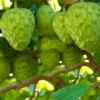
Reviews
There are no reviews yet.