NEED SUPPORT WITH YOUR ORDER? Get in touch
Not satisfied with your purchase?
Enter your Order ID on website, and we'll resolve it right away.

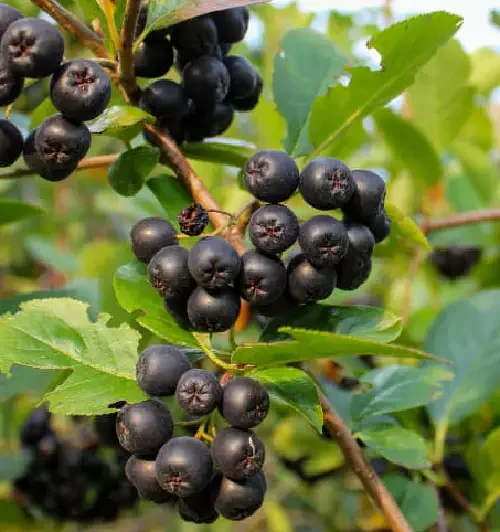
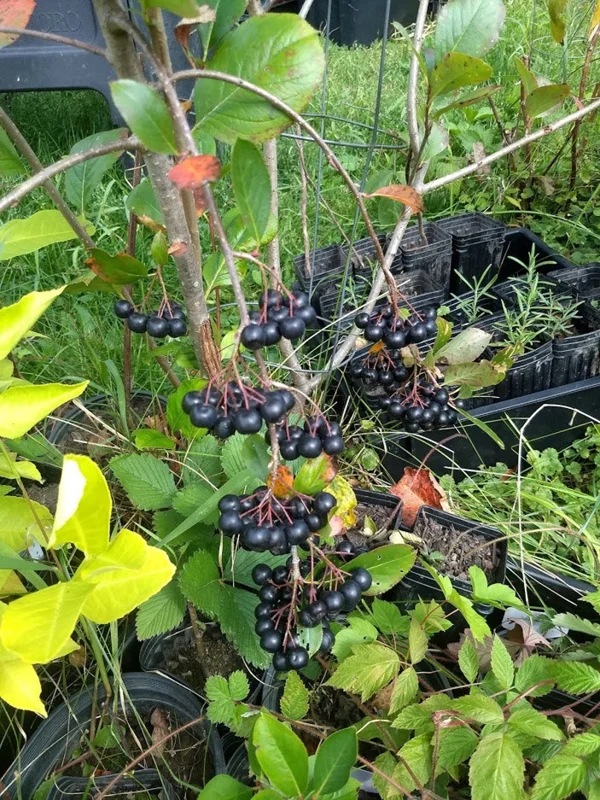
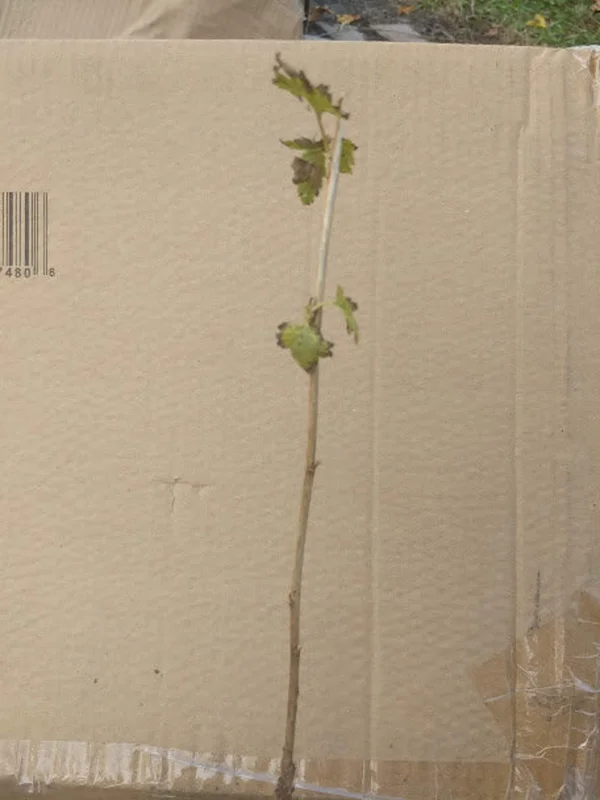
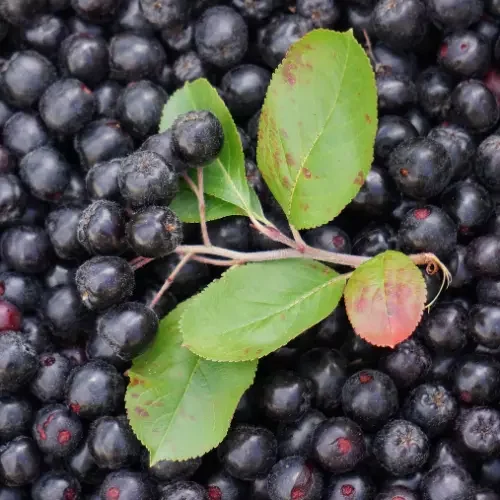
Original price was: $38.99.$28.99Current price is: $28.99.
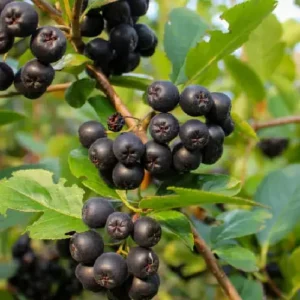
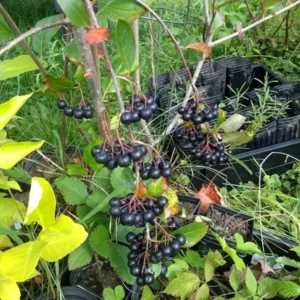
Cultivate your own superfood with this aronia berry live plant, also known as black chokeberry shrub. This 8-12 inch live starter plant is ready to thrive in your garden, producing antioxidant-rich berries. Hardy in USDA Zones 3-8 and grown without pesticides, it’s a healthy and beautiful addition to any landscape.
Feb 04
Feb 09 - Feb 11
Feb 14 - Feb 18
USDA Hardiness Zone
Soil Type
Sunlight Exposure
Expected Planting Period
Shipping and return policies: Our Alive & Thrive Guarantee covers issues with your plants within the first 30 days. Get in touch with us via email, and our team will review your concerns and, if necessary, provide you with a one-time replacement at no cost.
If you're unsure about your hardiness zone, feel free to reach out to us. Our team will answer your questions and help you find the plants that are truly suitable for your environment, climate, and personal preferences.
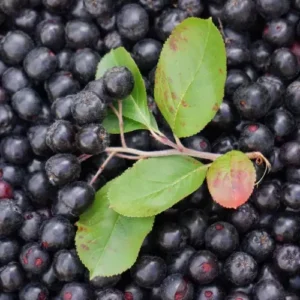
Discover the incredible health benefits and garden beauty of the aronia berry live plant. Also known as Black Chokeberry (Aronia melanocarpa), this hardy and versatile shrub is a fantastic addition to any home garden, offering both ornamental appeal and a bountiful harvest of nutrient-dense berries. This live rooted starter plant, typically 8-12 inches tall, is offered ready to grow and flourish, providing you with a sustainable source of one of nature’s most potent superfoods. Native to the eastern United States, the Aronia plant is celebrated for its resilience and adaptability, thriving in a variety of conditions and requiring minimal maintenance once established. Cultivate your own supply of these remarkable berries, perfect for fresh eating, juicing, jams, or incorporating into your favorite recipes. Choosing to grow aronia berries means investing in both your well-being and the natural beauty of your landscape.
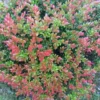
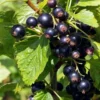
This particular black chokeberry shrub is a robust, self-pollinating variety, ensuring a good yield even with a single plant. It’s an excellent choice for gardeners looking for a low-effort, high-reward plant that provides year-round interest. From its delicate white spring blossoms to its vibrant autumn foliage and, of course, its dark, glossy berries, the Aronia plant is a true garden gem. Its ability to tolerate various soil types and sun exposures makes it a forgiving plant for both novice and experienced gardeners.
The aronia berry live plant offers a wealth of benefits, making it a highly desirable choice for health-conscious gardeners and landscape enthusiasts alike. Its versatility and robust nature ensure a rewarding growing experience.
Caring for your aronia berry live plant is relatively straightforward, thanks to its hardy nature. For optimal growth and berry production, understanding its basic needs is key. This shrub thrives in full sun, meaning it requires at least 6-8 hours of direct sunlight daily. While it can tolerate partial shade, berry yields will be significantly higher with more sun exposure. It’s adaptable to a wide range of soil types, but prefers well-drained loamy or sandy soil with a pH between 5.0 and 7.0. Avoid excessively wet conditions, as this can lead to root rot. When planting, ensure the crown of the plant is at soil level and water thoroughly.
Watering should be consistent during the first year to help establish the root system. Once established, the black chokeberry shrub is quite drought-tolerant, although regular watering during dry spells will promote better berry development. Fertilization is generally not heavily required; a balanced slow-release fertilizer in early spring can be beneficial, especially if your soil is poor. Pruning should be done in late winter or early spring to remove any dead or crossing branches and to maintain its shape. Aronia is generally pest and disease resistant, making it an easy-care option for most gardeners. Knowing how to grow aronia berries successfully means providing these basic conditions and allowing the plant to do its natural work.
The Aronia melanocarpa is cold-hardy, thriving in USDA Zones 3-8. It can withstand significant winter temperatures, making it suitable for many regions across the United States. While generally robust, ensure good air circulation to prevent fungal issues, especially in humid environments. Mulching around the base of the plant can help retain soil moisture, suppress weeds, and regulate soil temperature, further contributing to the health of your aronia melanocarpa for sale.
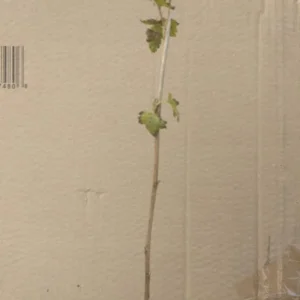
This offering is for a live rooted starter aronia berry live plant, typically measuring 8-12 inches in height upon arrival. These plants are grown to be robust and ready for transplanting into your garden or a larger container. The Aronia melanocarpa is a moderate grower and will typically reach a mature height of 6-8 feet tall and a similar spread, forming a substantial shrub. It is shipped bare-root in a protective box to ensure safe arrival, ready for immediate planting. With proper care, you can expect your Aronia plant to begin producing berries the year following planting, with increasing yields as it matures. The mature size makes it suitable for hedges, specimen planting, or as part of a mixed border, providing both aesthetic and productive value. This specific aronia melanocarpa for sale offers an excellent starting point for establishing your own berry patch.
You must be logged in to post a review.
Sold 50 products
Original price was: $70.99.$40.99Current price is: $40.99.
Sold 92 products
Original price was: $49.98.$24.99Current price is: $24.99.
Sold 93 products
Original price was: $55.58.$27.79Current price is: $27.79.
Sold 93 products
Original price was: $53.98.$26.99Current price is: $26.99.
Sold 99 products
Original price was: $74.99.$44.99Current price is: $44.99.
Sold 79 products
Original price was: $76.99.$46.99Current price is: $46.99.
Sold 51 products
Original price was: $110.99.$99.99Current price is: $99.99.
Sold 68 products
Original price was: $70.99.$40.99Current price is: $40.99.
Reviews
There are no reviews yet.