NEED SUPPORT WITH YOUR ORDER? Get in touch
Not satisfied with your purchase?
Enter your Order ID on website, and we'll resolve it right away.

Original price was: $48.58.$26.99Current price is: $26.99.
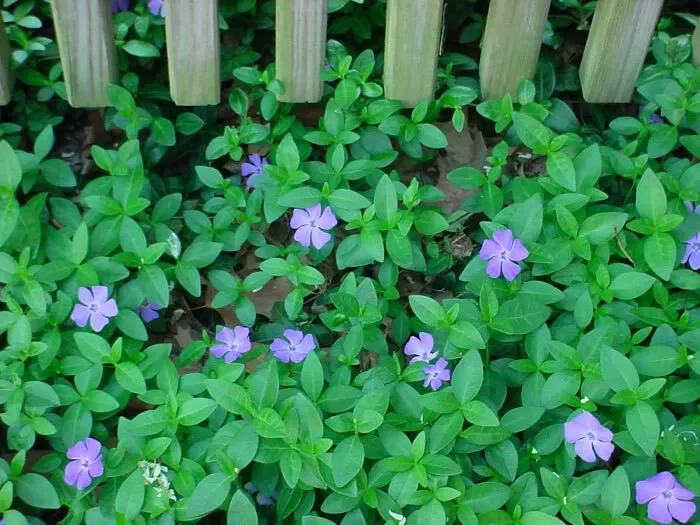
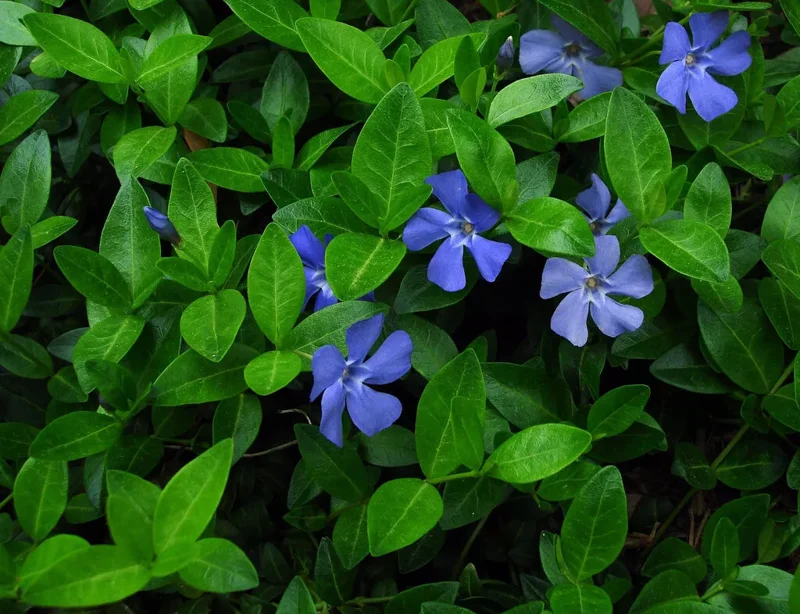
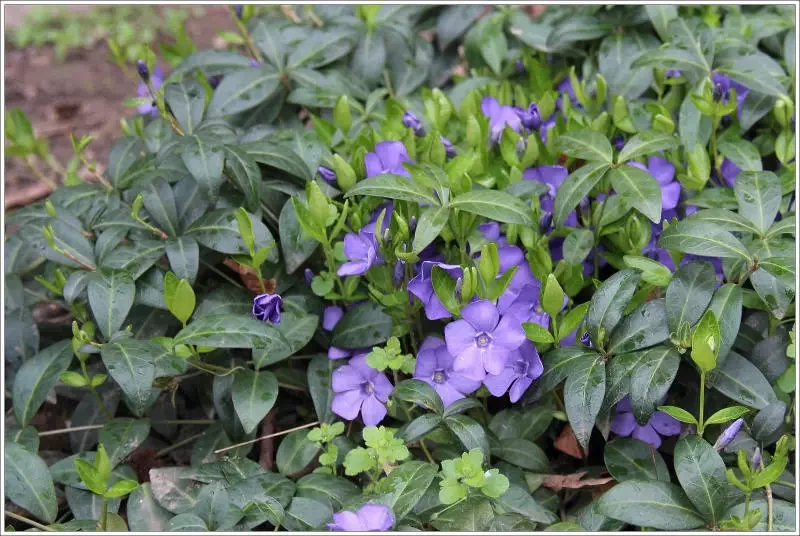
Enhance your garden with the versatile vinca minor vine plant, an ideal evergreen groundcover. This low-maintenance Periwinkle thrives in various conditions, offering year-round beauty and effective weed suppression. Perfect for shady areas, erosion control, and creating a lush, dense carpet.
Mar 04
Mar 09 - Mar 11
Mar 14 - Mar 18
USDA Hardiness Zone
Soil Type
Sunlight Exposure
Expected Planting Period
Shipping and return policies: Our Alive & Thrive Guarantee covers issues with your plants within the first 30 days. Get in touch with us via email, and our team will review your concerns and, if necessary, provide you with a one-time replacement at no cost.
If you're unsure about your hardiness zone, feel free to reach out to us. Our team will answer your questions and help you find the plants that are truly suitable for your environment, climate, and personal preferences.
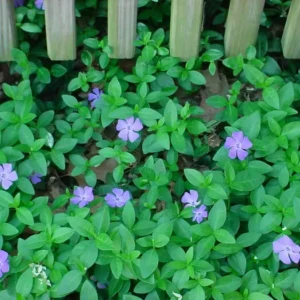
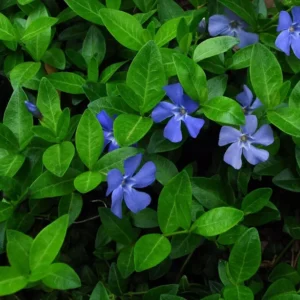
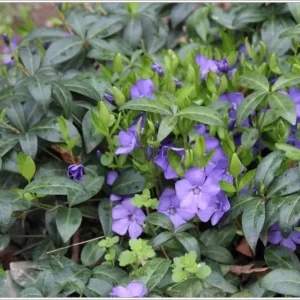
Transform your garden with the robust and beautiful vinca minor vine plant, often known as Periwinkle or Creeping Myrtle. This exceptional live plant serves as a perfect solution for gardeners seeking a low-maintenance, year-round evergreen groundcover. Known for its vigorous spreading habit, Vinca Minor quickly establishes itself, forming a dense, verdant carpet of foliage. Its delicate lavender-blue flowers, which typically appear in May, add a charming touch to any landscape. Ideal for challenging spots where other plants struggle, such as shady areas, steep banks, and rock gardens, this versatile vine is a resilient and attractive addition. The vinca minor vine plant offers continuous greenery, making it a favorite for both aesthetic appeal and practical garden solutions.
This hardy plant, with its lush, persistent leaves, provides beauty even in the colder months. It’s an excellent choice for those looking to revitalize neglected corners or stabilize sloped areas. The natural spreading habit ensures a full, complete look with minimal effort, making it a smart investment for any gardener. Its ability to thrive in various conditions and its remarkable resilience set it apart as a top-tier groundcover option.
The vinca minor vine plant offers a multitude of benefits that extend beyond its attractive appearance, making it an indispensable asset for many garden designs and challenges. This plant provides continuous visual appeal and practical solutions for common landscaping issues.
Caring for your vinca minor vine plant is straightforward, making it an excellent choice for both novice and experienced gardeners. This resilient evergreen groundcover thrives with minimal attention when provided with the right conditions. For optimal growth, Vinca Minor prefers partial to full shade. While it can tolerate some sun, especially in cooler climates, too much direct sunlight can scorch its leaves. Aim for at least 3-6 hours of indirect light or filtered sunlight daily. When it comes to watering, keep the soil consistently moist, especially during the first growing season to help establish a strong root system. Once established, Vinca Minor is quite drought-tolerant, but regular watering during prolonged dry spells will promote healthier growth and more abundant blooms.
The ideal soil for Vinca Minor is well-draining, rich in organic matter, and slightly acidic to neutral (pH 6.0-7.0). It is highly adaptable and can tolerate various soil types, including clay, loam, peat, sand, and silt, even thriving in poor, stony soil. This adaptability contributes to its reputation as a hardy and versatile plant. Fertilization is generally not heavily required; a balanced, slow-release granular fertilizer applied in early spring can boost growth and flowering. Regarding temperature, vinca minor vine plant is hardy in USDA zones 4-9, demonstrating its resilience across a wide range of climates, from cooler northern regions to more temperate zones. Common problems are rare, but watch for fungal issues in overly wet, poor-air-circulation conditions. Ensuring good drainage and appropriate spacing can prevent most issues, making periwinkle plant care simple and rewarding.
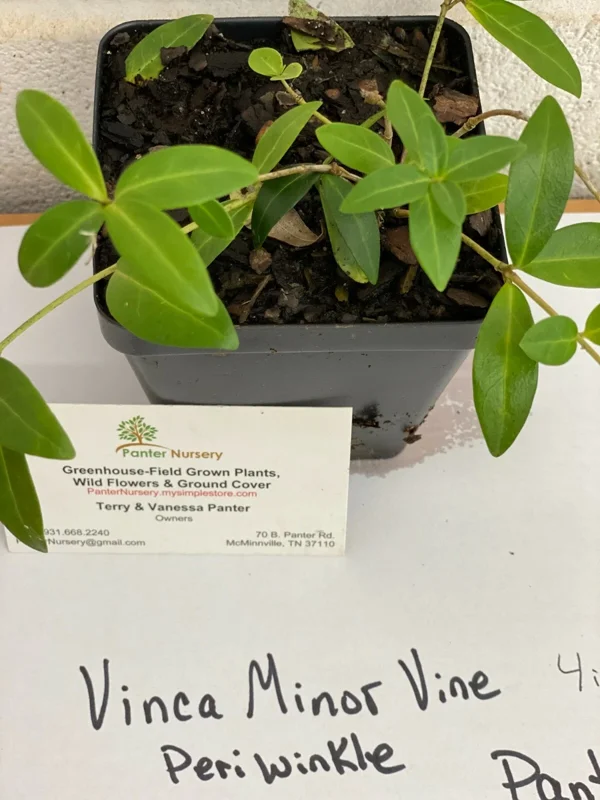
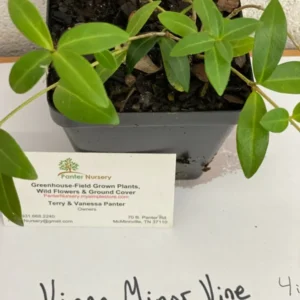
Each vinca minor vine plant typically arrives as a healthy, nicely rooted specimen, ready for transplanting into your garden. These plants are generally shipped in a quart pot, ensuring a smooth transition and robust start. The vines usually measure between 6-12 inches in length upon arrival, providing a good base for rapid establishment. When planted, Vinca Minor typically grows to about 4-5 inches tall without special care, forming a low-lying, attractive groundcover. Its vigorous spreading habit means that planting these 6-12 inches apart will quickly achieve a dense, verdant carpet, covering an area efficiently. The plant exhibits a moderate to fast growth rate, allowing it to fill in spaces and provide effective coverage within a season or two. Its hardiness across USDA zones 4-9 ensures its resilience in a wide range of climates, promising a long-lasting and beautiful addition to your landscape.
You must be logged in to post a review.
Sold 100 products
Original price was: $114.99.$84.99Current price is: $84.99.
Sold 64 products
Original price was: $114.99.$84.99Current price is: $84.99.
Sold 82 products
$89.99
Sold 78 products
Original price was: $53.98.$26.99Current price is: $26.99.
Sold 72 products
Original price was: $65.99.$43.99Current price is: $43.99.
Sold 66 products
Original price was: $39.84.$19.92Current price is: $19.92.
Sold 86 products
Original price was: $49.98.$29.98Current price is: $29.98.
Sold 72 products
Original price was: $71.98.$35.99Current price is: $35.99.



Reviews
There are no reviews yet.