NEED SUPPORT WITH YOUR ORDER? Get in touch
Not satisfied with your purchase?
Enter your Order ID on website, and we'll resolve it right away.

Original price was: $62.99.$48.99Current price is: $48.99.
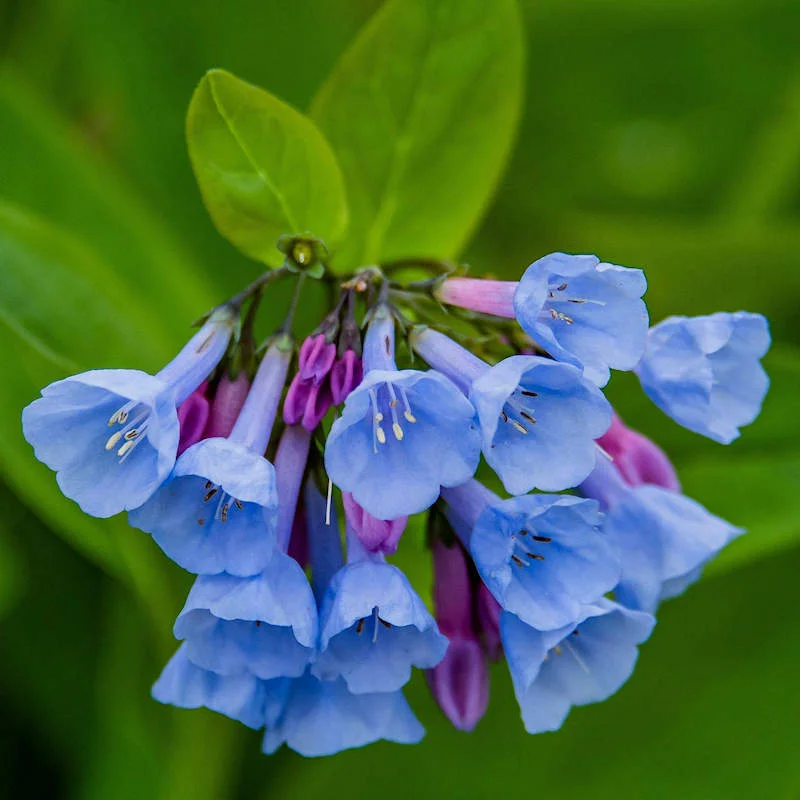
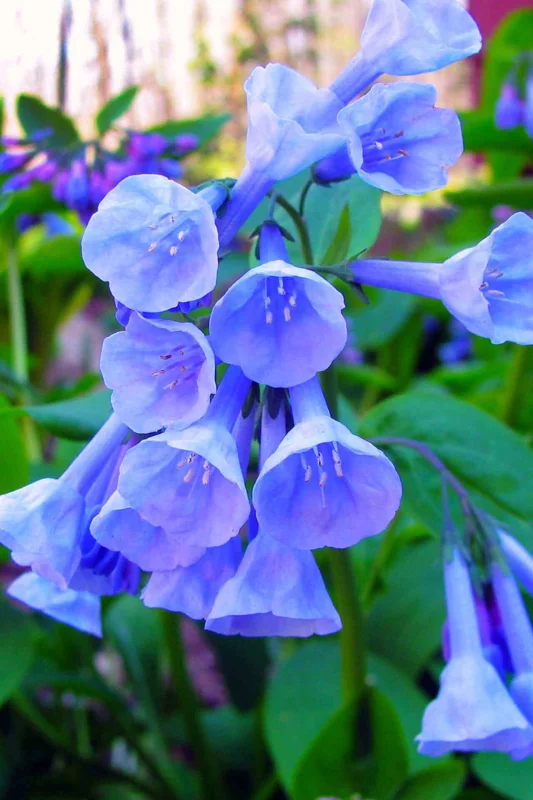
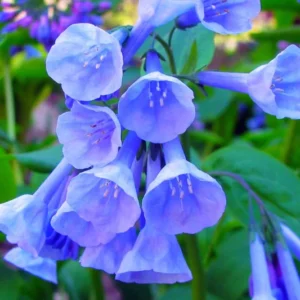
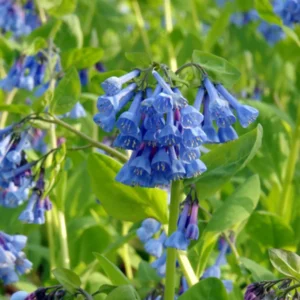
Transform your shade garden with our Virginia Bluebells bare roots. This 3-pack of top-size Mertensia virginica plant roots promises stunning porcelain blue, bell-shaped flowers each spring. Ideal for naturalizing and attracting pollinators.
Feb 04
Feb 09 - Feb 11
Feb 14 - Feb 18
USDA Hardiness Zone
Soil Type
Sunlight Exposure
Expected Planting Period
Shipping and return policies: Our Alive & Thrive Guarantee covers issues with your plants within the first 30 days. Get in touch with us via email, and our team will review your concerns and, if necessary, provide you with a one-time replacement at no cost.
If you're unsure about your hardiness zone, feel free to reach out to us. Our team will answer your questions and help you find the plants that are truly suitable for your environment, climate, and personal preferences.
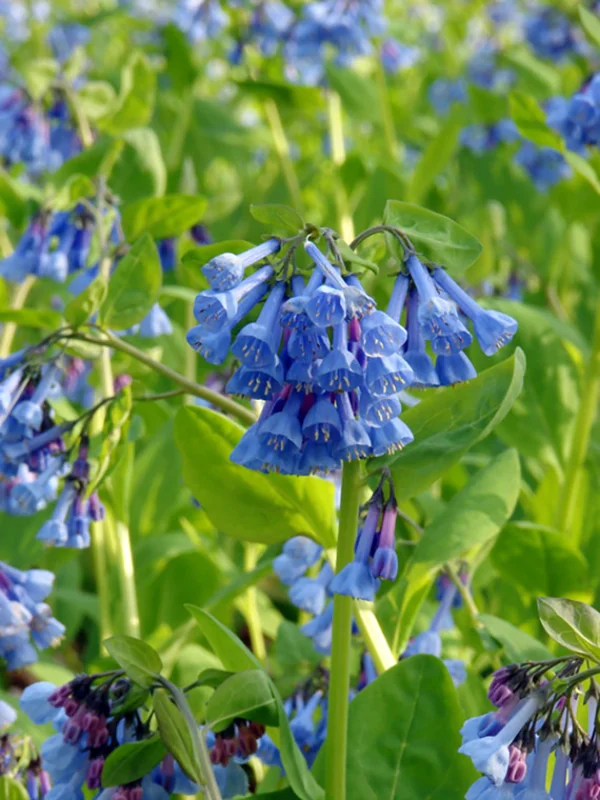
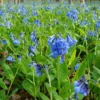
Bring the enchanting beauty of woodland gardens to your backyard with our premium Virginia Bluebells bare roots. This offering includes three top-size bare roots of Mertensia virginica, ensuring a robust and vibrant start for your garden. Virginia Bluebells bare roots are renowned for their captivating display of dainty pink flower buds that gracefully unfurl into exquisite porcelain blue, bell-shaped blossoms. These charming wildflowers are a springtime delight, creating a picturesque carpet of color that signals the arrival of warmer days. Perfect for naturalizing in shaded areas, these plants will thrive and spread over time, enhancing the natural appeal of your landscape. If you’re looking for an easy to grow bluebells option that provides both beauty and ecological benefits, look no further.
The Mertensia virginica plant is a true gem for any gardener seeking to cultivate a serene, natural haven. Its delicate appearance belies its hardiness, making it an excellent choice for various garden settings, especially those with dappled light. Our carefully selected bare roots are designed to give you the best possible chance of success, establishing quickly and providing a spectacular show for many springs to come. Embrace the opportunity to welcome these magnificent wildflowers into your outdoor space and enjoy their serene elegance.
Our Virginia Bluebells bare roots offer a multitude of advantages for both your garden and the local ecosystem. They are an effortless way to introduce vibrant color and life into otherwise challenging shaded areas.
Growing Virginia Bluebells bare roots is a rewarding experience, especially with a few key care considerations. These wildflowers are relatively low-maintenance once established, but providing the right conditions from the start will ensure a spectacular display. They are particularly known for being an easy to grow bluebells species.
Sunlight Requirements: Virginia Bluebells thrive in partial to full shade. In their natural habitat, they grow under deciduous trees, receiving sunlight in early spring before the tree canopy leafs out, and then enjoying shade during the hot summer months. Aim for a location that receives 2-4 hours of morning sun or dappled light throughout the day. Avoid intense afternoon sun, which can scorch their delicate foliage.
Watering and Soil: These plants prefer consistently moist, well-drained soil that is rich in organic matter. While they appreciate moisture, they do not like soggy conditions, which can lead to root rot. If your soil is heavy clay, amend it with compost or other organic material to improve drainage and aeration. During dry spells in spring, especially when they are actively growing and blooming, ensure they receive adequate water. Once dormant in summer, they require less water.
Temperature and Hardiness:Mertensia virginica plant is a hardy perennial, typically thriving in USDA Zones 3-8. They are well-adapted to cold winters, which are essential for their dormancy period. The ideal temperature range for active growth is between 50-70°F (10-21°C). They will go dormant as summer temperatures rise, typically by late June or early July.
Fertilization: Virginia Bluebells are not heavy feeders. If your soil is rich in organic matter, additional fertilization is often unnecessary. If your soil is poor, a light application of a balanced, slow-release granular fertilizer in early spring, just as new growth emerges, can be beneficial. Avoid over-fertilizing, as this can lead to lush foliage at the expense of blooms. For enhancing your shade garden wildflowers, focus more on soil health.
Common Problems: Virginia Bluebells are generally pest and disease resistant. The most common issue is improper watering leading to root rot in overly wet conditions. Slugs and snails may occasionally nibble on young foliage, but damage is rarely severe. Allowing the foliage to die back naturally after blooming is crucial for the plant to store energy for the following season’s growth and bloom, ensuring your pollinator friendly plants return year after year.
Our offering includes three Virginia Bluebells bare roots, carefully selected for their top size and vigor, ensuring a strong start in your garden. These bare roots are dormant and ready for planting upon arrival. When mature, Mertensia virginica plant typically reaches a height of 18 to 24 inches (45-60 cm) with a similar spread, creating a beautiful mounded form. The growth rate is moderate, and they will gradually naturalize and spread over several seasons, forming larger clumps. The bell-shaped flowers are approximately 0.5 to 1 inch long, appearing in clusters at the stem tips. The foliage is a distinctive blue-green, adding to the plant’s ornamental appeal even before blooming. These plants are shipped as dormant bare roots, which is the ideal form for successful establishment and allows them to quickly adapt to their new environment. Expect first blooms in the spring following fall or early spring planting, with more abundant displays in subsequent years as they establish.
You must be logged in to post a review.
Sold 68 products
Original price was: $49.99.$37.99Current price is: $37.99.
Sold 86 products
Original price was: $52.99.$23.99Current price is: $23.99.
Sold 79 products
Original price was: $39.90.$17.99Current price is: $17.99.
Sold 97 products
Original price was: $25.99.$15.99Current price is: $15.99.
Sold 78 products
Original price was: $55.99.$34.99Current price is: $34.99.
Sold 63 products
$19.98
Sold 66 products
Original price was: $19.98.$9.99Current price is: $9.99.
Sold 63 products
$19.98
Reviews
There are no reviews yet.