NEED SUPPORT WITH YOUR ORDER? Get in touch
Not satisfied with your purchase?
Enter your Order ID on website, and we'll resolve it right away.

Original price was: $55.99.$39.99Current price is: $39.99.
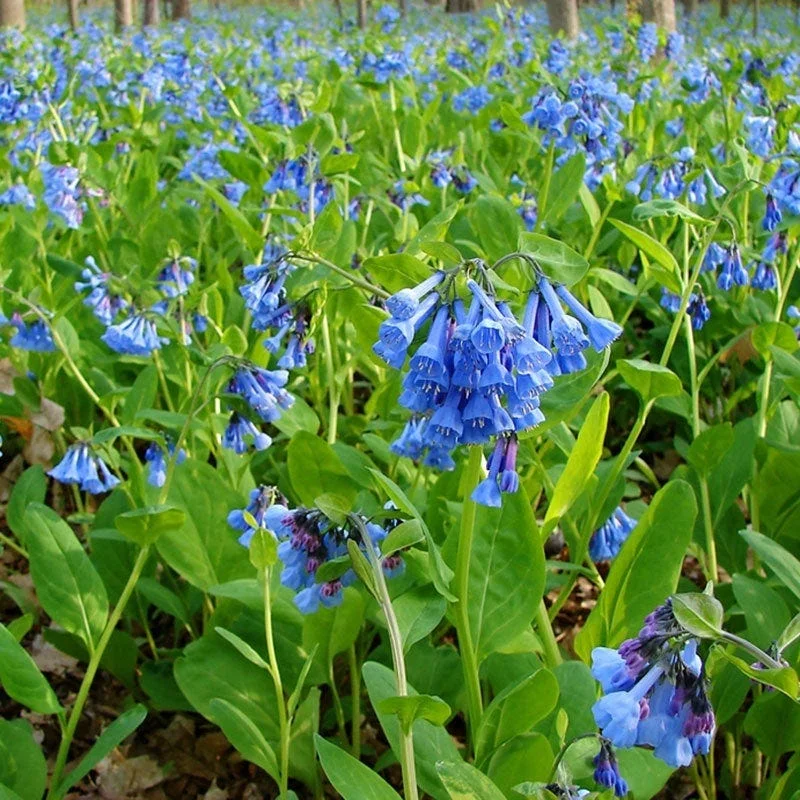
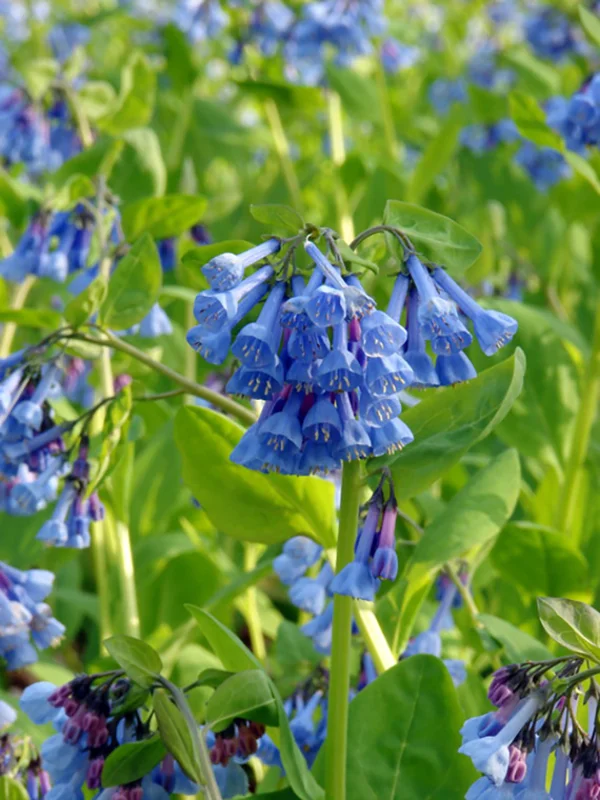
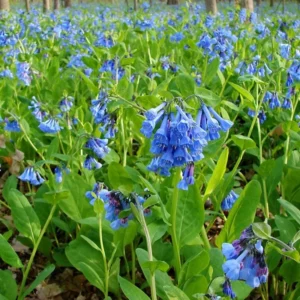
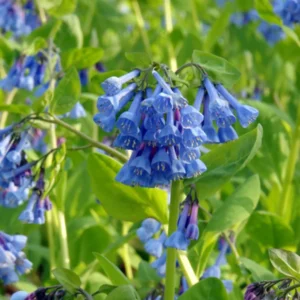
Bring enchanting early spring color to your shaded garden with Virginia Bluebells bare roots. These Mertensia Virginia Bluebells unfurl delicate blue, bell-shaped flowers from pink buds, creating a stunning naturalized display. Ideal for woodland garden bluebells, they are low maintenance and thrive in moist, cool conditions.
Feb 04
Feb 09 - Feb 11
Feb 14 - Feb 18
USDA Hardiness Zone
Soil Type
Sunlight Exposure
Expected Planting Period
Shipping and return policies: Our Alive & Thrive Guarantee covers issues with your plants within the first 30 days. Get in touch with us via email, and our team will review your concerns and, if necessary, provide you with a one-time replacement at no cost.
If you're unsure about your hardiness zone, feel free to reach out to us. Our team will answer your questions and help you find the plants that are truly suitable for your environment, climate, and personal preferences.
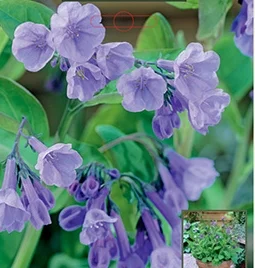
Welcome the magic of spring into your garden with these exquisite Virginia Bluebells bare roots. Also known by their botanical name Mertensia virginica, these captivating wildflowers are renowned for their unique color transformation, beginning as charming pink buds and maturing into delicate, porcelain blue, bell-shaped flowers. A true harbinger of spring, these bare roots offer a delightful display that brightens shaded corners and woodland settings. They are perfect for establishing a naturalized look, creating a breathtaking carpet of blue that signifies the awakening of the garden. The Mertensia Virginia Bluebells are an exceptional choice for gardeners seeking to add effortless elegance and early-season interest to their landscape.
These top-size bare roots are carefully selected for their vigor, ensuring a healthy and robust start for your plants. Once established, they naturalize beautifully, spreading gently to form a stunning ground cover. Flourishing in cool, moist soil under the dappled light of trees, they are an ideal solution for those often-challenging shaded areas. With proper care, these beautiful perennials will return year after year, becoming a cherished and enduring part of your garden’s tapestry. Discover the joy of woodland garden bluebells and transform your outdoor space into a serene, blooming sanctuary.
Virginia Bluebells bare roots offer a multitude of advantages for both the experienced gardener and the novice alike. Their ease of care and captivating beauty make them a highly desirable addition to any garden setting.
Successful planting Virginia Bluebells starts with understanding their preferred growing conditions. These resilient wildflowers are surprisingly easy to care for, especially when their basic needs are met. They thrive in environments that mimic their native woodland habitats. For optimal growth, choose a location with partial to full shade. While they can tolerate some morning sun, intense afternoon sun can scorch their delicate foliage, especially in warmer climates. The ideal spot would be under deciduous trees, where they receive sunlight in early spring before the tree canopy fills in, and then dappled shade throughout the summer.
Soil is a crucial factor for healthy Virginia Bluebells bare roots. They prefer consistently moist, well-drained soil that is rich in organic matter. Amending your soil with compost or leaf mold before planting will significantly improve drainage and fertility. Avoid heavy clay soils that retain too much water, as this can lead to root rot. Keep the soil consistently moist, especially during dry periods in spring. Once they go dormant in summer, they require less water, as the foliage will die back naturally. These plants are hardy in USDA Zones 2-9, making them suitable for a wide range of climates.
When planting Virginia Bluebells bare roots, plant them about 2-3 inches deep with the ‘eye’ or growing point facing upwards. Space them 6-12 inches apart to allow for natural spread. Fertilization is generally not heavily required if the soil is rich in organic matter. A light application of balanced, slow-release fertilizer or a top-dressing of compost in early spring can encourage vigorous growth. These shade loving wildflowers are generally pest and disease-free, further contributing to their low-maintenance appeal. After blooming, the foliage typically dies back by mid-summer, making them excellent companions for later-emerging perennials that can fill the space.
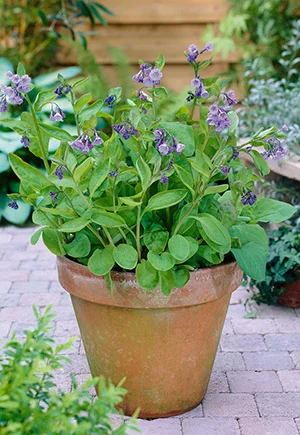
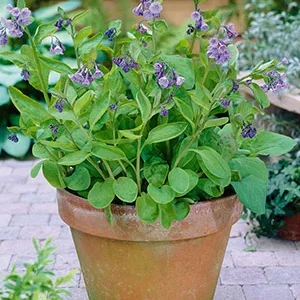
This offering includes 2 Count Wildflower top-size Virginia Bluebells bare roots, ensuring a strong start for your garden. These robust bare roots are carefully selected for their vitality and potential for vigorous growth. Mature Mertensia Virginia Bluebells typically reach a height of 18-24 inches with a similar spread, forming attractive clumps that naturalize beautifully over time. They are ideal for creating a naturalistic look in your garden, especially in shaded borders, woodland gardens, or under deciduous trees. The bare root form allows for easy planting in either fall or early spring, providing flexibility for gardeners.
These wildflowers are known for their moderate growth rate, establishing well in their first year and then gradually expanding their presence in subsequent seasons. Expect blooms in early to mid-spring, typically lasting for several weeks, providing a glorious display before the summer heat. The foliage will then senesce and disappear by mid-summer, leaving space for other shade-loving plants to take over. Their adaptability to a wide range of soil types (as long as they are well-draining and moist) and their hardiness in Zones 2-9 make them a versatile choice for many northern and temperate climates. These are an excellent choice for a vibrant and thriving woodland garden bluebells display.
You must be logged in to post a review.
Sold 83 products
Original price was: $51.98.$25.99Current price is: $25.99.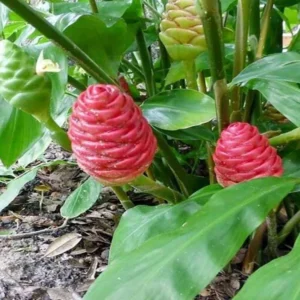
Flower Bulbs
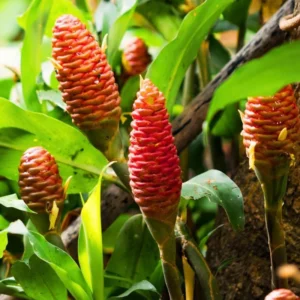
Awapuhi Shampoo Ginger Roots – 4 Zingiber Zerumbet Rhizomes for Planting, Perennial Garden
Sold 53 products
Original price was: $31.98.$15.99Current price is: $15.99.
Sold 56 products
$13.98
Sold 80 products
Original price was: $175.99.$156.99Current price is: $156.99.
Sold 79 products
Original price was: $19.98.$9.99Current price is: $9.99.
Sold 97 products
Original price was: $47.99.$27.99Current price is: $27.99.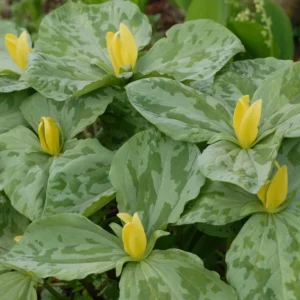
Flower Bulbs
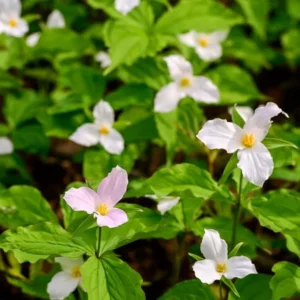
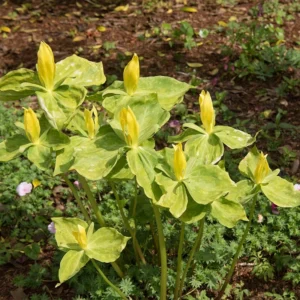
Yellow Trillium Luteum Bulbs – Yellow Wake Robin Wildflower Pips – 2 Count – Shade Plant
Sold 90 products
Original price was: $49.99.$37.99Current price is: $37.99.
Sold 100 products
Original price was: $54.99.$25.99Current price is: $25.99.
Reviews
There are no reviews yet.