NEED SUPPORT WITH YOUR ORDER? Get in touch
Not satisfied with your purchase?
Enter your Order ID on website, and we'll resolve it right away.

Original price was: $78.99.$46.99Current price is: $46.99.
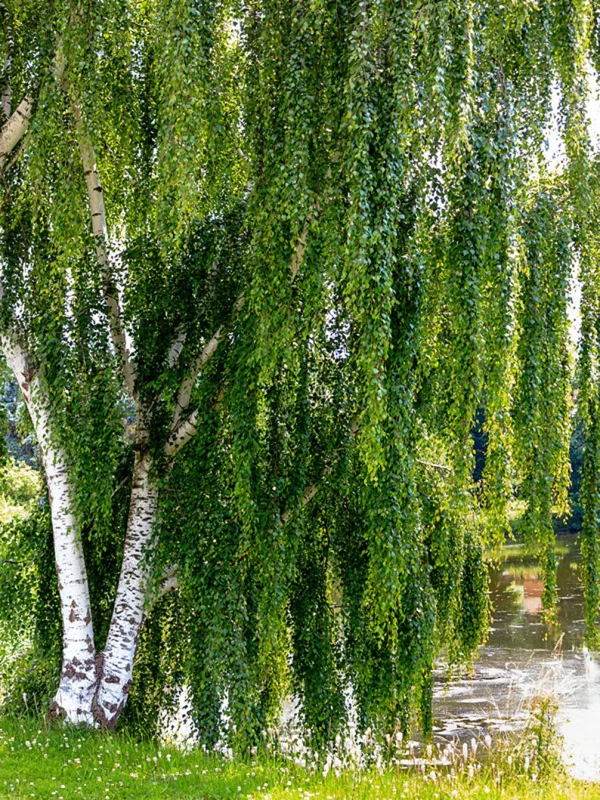
Enhance your landscape with a stunning weeping white birch tree. This elegant Betula pendula care specimen features striking white bark, graceful drooping branches, and vibrant fall foliage, creating year-round visual interest. Perfect as an ornamental shade tree for zones 3-9.
Mar 03
Mar 08 - Mar 10
Mar 13 - Mar 17
USDA Hardiness Zone
Soil Type
Sunlight Exposure
Expected Planting Period
No Shipping To
Shipping and return policies: Our Alive & Thrive Guarantee covers issues with your plants within the first 30 days. Get in touch with us via email, and our team will review your concerns and, if necessary, provide you with a one-time replacement at no cost.
If you're unsure about your hardiness zone, feel free to reach out to us. Our team will answer your questions and help you find the plants that are truly suitable for your environment, climate, and personal preferences.
The weeping white birch tree, scientifically known as Betula pendula, is a highly prized ornamental plant that brings unparalleled elegance and beauty to any garden or landscape. This remarkable live plant is celebrated for its distinctive features, most notably its striking white bark that naturally exfoliates in papery strips, offering year-round visual intrigue. Its graceful, drooping branches create a signature weeping form, making it a captivating focal point in any outdoor setting. With its glossy green leaves that transform into a brilliant yellow in autumn, the weeping white birch tree provides continuous seasonal interest. This medium-sized tree offers ample shade and contributes significantly to the aesthetic appeal of your property, growing typically to a height of 30 to 40 feet with a pyramidal to oval rounded crown. It’s an excellent choice for those looking to add a touch of sophistication and natural splendor to their environment.
In early spring, the Betula pendula care involves observing its tiny monoecious flowers, which appear as separate catkins – yellowish-brown for males and greenish for females. These are later followed by drooping, cone-like fruits that contain numerous small winged seeds, maturing in late summer. Beyond its visual charm, this tree also plays a vital role in local ecosystems by providing habitat and food for wildlife, thus enhancing the biodiversity of your garden. Its unique characteristics and relatively easy maintenance make it a popular selection for both seasoned horticulturists and gardening newcomers seeking an impactful landscape addition.
Planting a weeping white birch tree offers a multitude of advantages, transforming your outdoor space into a sanctuary of natural beauty and ecological richness. Its distinctive features provide not only aesthetic appeal but also practical benefits for your home and local environment. The unique habit and striking appearance of the weeping white birch tree make it a standout choice for discerning gardeners.
Ensuring the health and longevity of your weeping white birch tree begins with understanding its specific care requirements. This species, though relatively easy to maintain, thrives best when its needs for sunlight, water, and soil are met. Proper betula pendula care will ensure a robust and beautiful specimen that enhances your landscape for years to come. This ornamental shade tree prefers a specific environment to reach its full potential.
For optimal growth, the weeping white birch tree prefers full to partial sun exposure, meaning it requires at least 4 hours of direct sunlight daily. While it can tolerate some shade, more sunlight generally leads to a healthier tree with more vibrant fall color. When it comes to watering, consistent moisture is key, especially during its establishment period and dry spells. The soil should be kept moist but never waterlogged, as good drainage is crucial. Speaking of soil, this tree adapts to various types but absolutely requires well-drained soil to prevent root rot. Avoid heavy, compacted clays that retain too much water. A slightly acidic to neutral pH is generally preferred. This tree is hardy in USDA growing zones 3-9, indicating its ability to withstand a broad range of winter temperatures.
Fertilization can be beneficial, particularly for young trees, using a balanced slow-release fertilizer in early spring. Avoid over-fertilizing, which can stress the tree. Common problems for the weeping white birch tree can include bronze birch borer, especially in stressed or improperly sited trees. Ensuring the tree receives adequate water and is planted in well-drained soil in its preferred sun exposure can significantly reduce susceptibility to pests and diseases. Regular mulching around the base helps retain soil moisture and regulate temperature. Pruning should ideally be done in late summer or early fall to avoid excessive sap bleeding, which occurs if pruned in spring.
The weeping white birch tree is a medium-sized deciduous tree known for its elegant form and distinctive bark. Typically, this live plant reaches a mature height of 30 to 40 feet with a spread of 20 to 30 feet, forming a graceful pyramidal to oval rounded crown. The specific size you receive will vary depending on the nursery stock, but it is typically shipped as a young, field-grown tree ready for planting. It’s important to plant these trees directly into the ground upon arrival to ensure proper establishment and long-term health. Avoid planting in pots, as this can stunt growth and may void any warranty.
The growth rate of a weeping white birch tree is considered medium to fast, often adding 1 to 2 feet in height per year under ideal conditions. Its signature white bark begins to develop as the tree matures, becoming more pronounced over several years. The distinctive drooping branches contribute to its overall width. With proper betula pendula care, this tree will become a cherished and prominent feature in your landscape, providing a substantial presence and beautiful shade.
You must be logged in to post a review.
Sold 76 products
Original price was: $59.98.$29.99Current price is: $29.99.
Sold 94 products
Original price was: $259.78.$129.89Current price is: $129.89.
Sold 75 products
Original price was: $257.98.$128.99Current price is: $128.99.
Sold 59 products
Original price was: $259.96.$129.98Current price is: $129.98.
Sold 76 products
Original price was: $319.98.$159.99Current price is: $159.99.
Sold 69 products
Original price was: $55.98.$27.99Current price is: $27.99.
Sold 76 products
Original price was: $99.98.$49.99Current price is: $49.99.
Sold 67 products
Original price was: $359.98.$179.99Current price is: $179.99.
Reviews
There are no reviews yet.