NEED SUPPORT WITH YOUR ORDER? Get in touch
Not satisfied with your purchase?
Enter your Order ID on website, and we'll resolve it right away.



Original price was: $50.99.$29.99Current price is: $29.99.
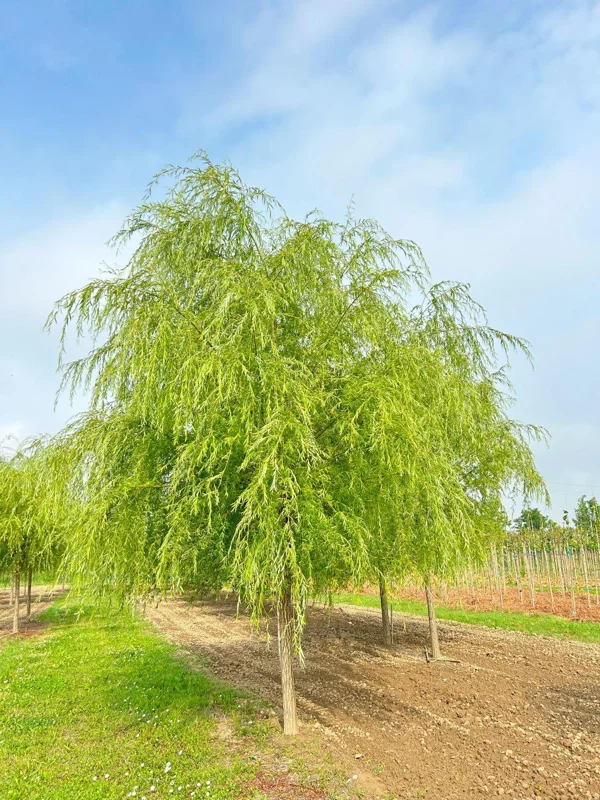
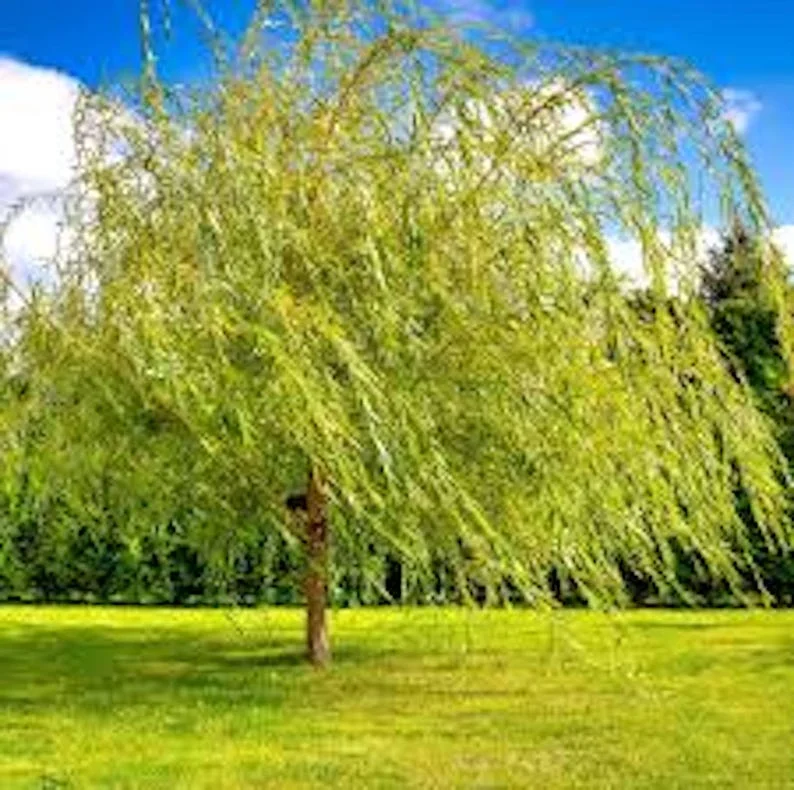
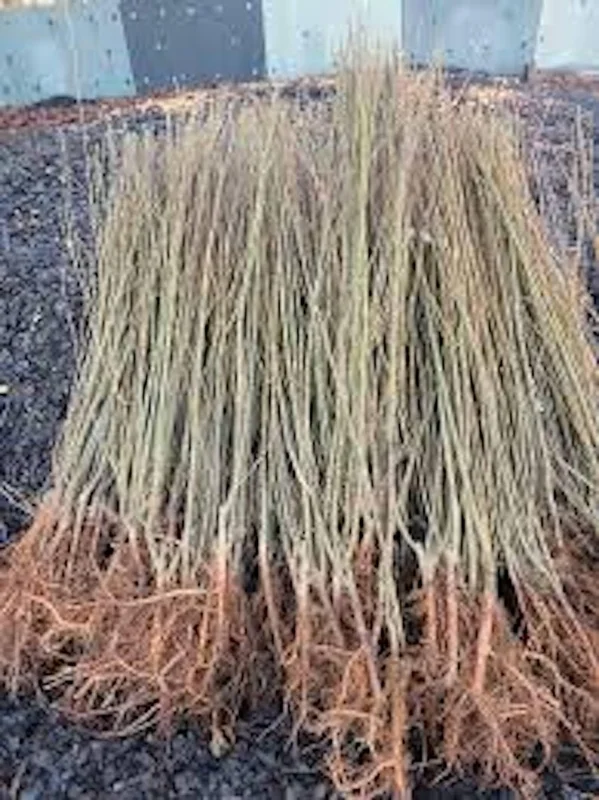
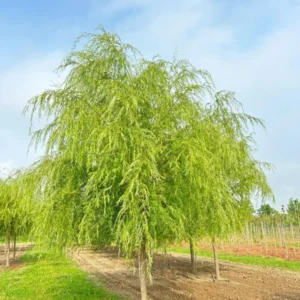
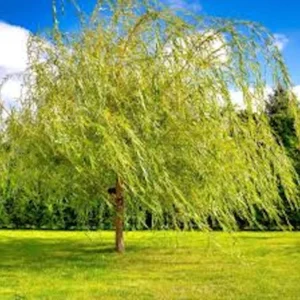
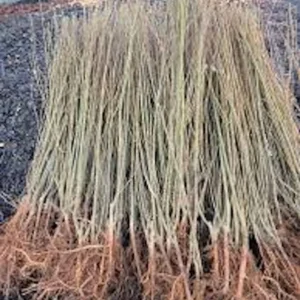
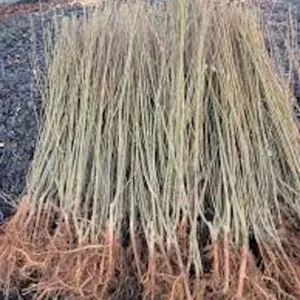
Bring elegance to your garden with a weeping willow tree. This 12-24 inch bare root tree (Salix babylonica) is perfect for creating a stunning focal point or natural screening. Known for its fast growth and distinctive cascading branches, it thrives in various conditions, making it an ideal outdoor screening tree for diverse landscapes.
Feb 04
Feb 09 - Feb 11
Feb 14 - Feb 18
USDA Hardiness Zone
Soil Type
Sunlight Exposure
Expected Planting Period
Shipping and return policies: Our Alive & Thrive Guarantee covers issues with your plants within the first 30 days. Get in touch with us via email, and our team will review your concerns and, if necessary, provide you with a one-time replacement at no cost.
If you're unsure about your hardiness zone, feel free to reach out to us. Our team will answer your questions and help you find the plants that are truly suitable for your environment, climate, and personal preferences.
Introduce timeless beauty to your landscape with the magnificent weeping willow tree (Salix babylonica). This iconic live plant is renowned for its distinctive, gracefully arching branches that cascade towards the ground, creating a serene and captivating visual. Shipped as a healthy 12-24 inch bare root tree, it ensures robust establishment and vigorous growth, quickly transforming your garden into a tranquil haven. The weeping willow tree is a fast-growing species, celebrated for its vibrant green foliage and exceptional adaptability, making it a favorite for both ornamental appeal and practical landscaping needs. Originating from arid regions of northern China, this tree showcases remarkable resilience and can thrive in a variety of soil conditions, bringing its unique charm to almost any outdoor setting.
Whether you’re looking to establish a striking focal point or create effective natural screening, the weeping willow tree is an unparalleled choice. Its impressive mature size and broad canopy provide ample shade and a sense of grandeur. This classic tree is not just beautiful; its adaptability and ease of care make it suitable for a wide range of gardeners, from beginners to seasoned enthusiasts. Prepare to enjoy the peaceful elegance and ecological benefits that this extraordinary tree will bring to your outdoor living space for many years to come.
Planting a weeping willow tree offers a multitude of advantages, enhancing both the aesthetic and ecological value of your property. Its unique characteristics make it a standout choice for various landscaping goals:
Caring for your weeping willow tree ensures it develops into a majestic and healthy specimen. This species is known for its hardiness but thrives best with proper attention, especially during its establishment phase. It is suitable for USDA hardiness zones 6-8, indicating its ability to withstand a range of climates. When selecting a planting site, consider the tree’s mature size; it will need ample space to spread its impressive canopy, reaching heights of 65 to 85 feet with a similar spread. Plant your bare root tree during the dormant season, typically late autumn or early spring, to give it the best chance for successful establishment before the stress of summer heat or winter cold.
Sunlight Requirements: The weeping willow tree performs best in full sun, meaning at least 6 hours of direct sunlight per day. However, it is quite adaptable and can also tolerate partial shade conditions, though growth may be slightly less vigorous. Ensure it receives adequate light to support its fast growth rate and develop its characteristic dense foliage. Watering Schedule: This tree thrives in well-drained, moderately wet soil. Regular watering is crucial, especially for newly planted trees and during dry periods, to keep the soil consistently moist. While it tolerates various soil types, consistent moisture is key to its health. Mature trees are more drought-tolerant but will benefit from supplemental watering during prolonged dry spells. Soil Type: The weeping willow tree is highly adaptable to different soil conditions, from sandy to heavy clay soils. The most important factor is consistent moisture without waterlogging. Good drainage is essential to prevent root rot, so avoid planting in perpetually soggy areas unless specifically designed for wetland plants.
Fertilization: Generally, young weeping willow tree specimens benefit from a balanced, slow-release fertilizer in early spring to encourage strong root development and vigorous growth. Once established, mature trees typically do not require heavy fertilization unless soil nutrient deficiencies are detected. Always follow fertilizer package instructions. Pruning: Prune your weeping willow tree during late winter or early spring while it is dormant. Focus on removing dead, damaged, or diseased branches to maintain its health and shape. You can also selectively prune to manage its size or to enhance its weeping form. Proper pruning techniques will ensure a strong structure and beautiful appearance. Regular inspections for pests and diseases will help maintain a healthy outdoor screening tree.
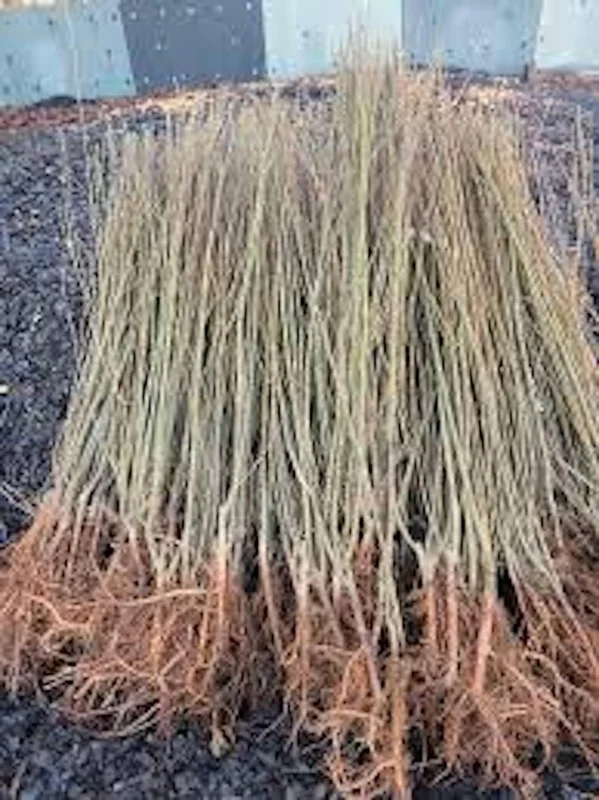
This offering is for one weeping willow tree, shipped as a bare root tree measuring between 12 to 24 inches in height. Bare root plants are dormant trees without soil around their roots, which helps them establish quickly and robustly once planted in your garden. Upon planting, these fast-growing trees can establish their root system efficiently, leading to vigorous growth. The weeping willow tree is known for its rapid development, quickly reaching a significant size. At maturity, it typically attains an impressive height of 65 to 85 feet (approximately 19.8 to 25.9 meters) with a similar spread, forming a broad and majestic crown. This requires careful consideration of planting location to allow for its full development.
Expect your weeping willow tree to begin showing new growth shortly after planting in favorable conditions. With proper care, it will become a long-lasting and cherished feature of your landscape, providing shade, beauty, and a natural habitat for local wildlife. This plant is an excellent choice for creating a grand statement or an effective outdoor screening tree solution. Its resilience and adaptability mean it can thrive in various settings, making it a versatile addition to any garden design.
You must be logged in to post a review.
Sold 73 products
Original price was: $219.98.$109.99Current price is: $109.99.
Sold 54 products
Original price was: $256.36.$128.18Current price is: $128.18.
Sold 73 products
Original price was: $319.98.$159.99Current price is: $159.99.
Sold 74 products
Original price was: $55.98.$27.99Current price is: $27.99.
Sold 90 products
Original price was: $59.98.$29.99Current price is: $29.99.
Sold 51 products
Original price was: $45.98.$22.99Current price is: $22.99.
Sold 82 products
Original price was: $67.98.$33.99Current price is: $33.99.
Sold 85 products
Original price was: $48.98.$24.49Current price is: $24.49.

Reviews
There are no reviews yet.