NEED SUPPORT WITH YOUR ORDER? Get in touch
Not satisfied with your purchase?
Enter your Order ID on website, and we'll resolve it right away.


Original price was: $75.99.$44.99Current price is: $44.99.
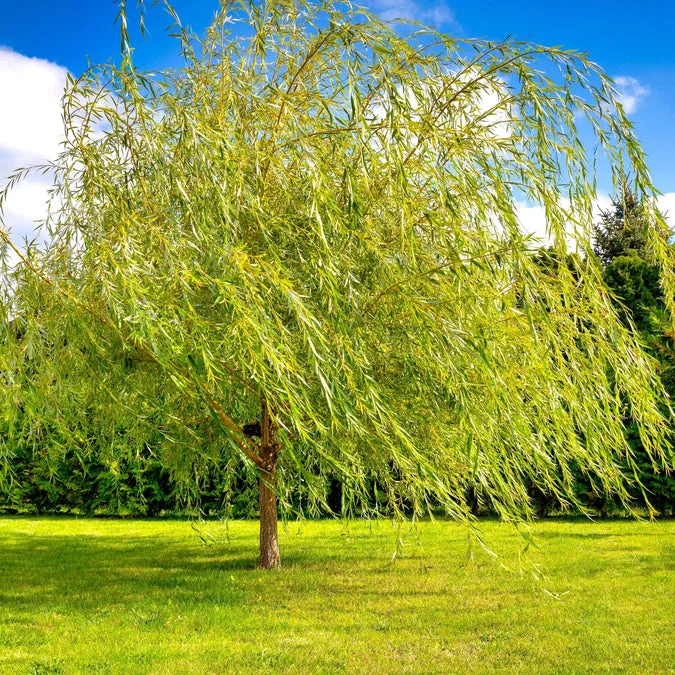
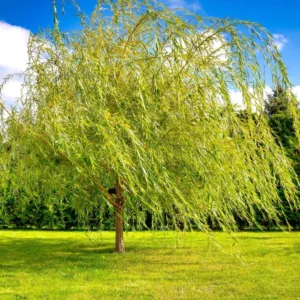
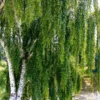
Add grace and beauty to your landscape with a weeping willow tree live plant. This Salix babylonica tree is a 2-3 ft tall, fast growing shade tree, perfect for creating a stunning focal point with its unique weeping form. Thrives in full sun and adaptable to various soil conditions.
Mar 03
Mar 08 - Mar 10
Mar 13 - Mar 17
USDA Hardiness Zone
Soil Type
Sunlight Exposure
Expected Planting Period
No Shipping To
Shipping and return policies: Our Alive & Thrive Guarantee covers issues with your plants within the first 30 days. Get in touch with us via email, and our team will review your concerns and, if necessary, provide you with a one-time replacement at no cost.
If you're unsure about your hardiness zone, feel free to reach out to us. Our team will answer your questions and help you find the plants that are truly suitable for your environment, climate, and personal preferences.
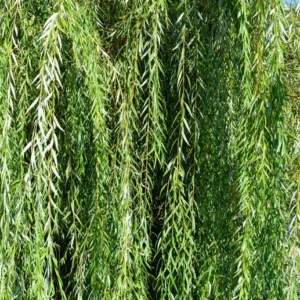
Introduce a magnificent focal point to your landscape with the weeping willow tree live plant. Known botanically as Salix babylonica, this iconic tree is celebrated for its distinctive long, pendulous branches that gracefully sweep towards the ground, creating a serene and elegant ambiance. This fast growing shade tree quickly establishes itself, providing ample shade and visual interest, making it an excellent choice for a variety of garden settings. Originating from China, the weeping willow tree live plant has become a beloved ornamental worldwide, cherished for its adaptability and striking appearance. Its bright green leaves shimmer in the breeze, adding dynamic texture and movement to any outdoor space. Whether you’re looking to create a tranquil retreat or a dramatic landscape feature, the Weeping Willow is a timeless selection that promises beauty and growth.
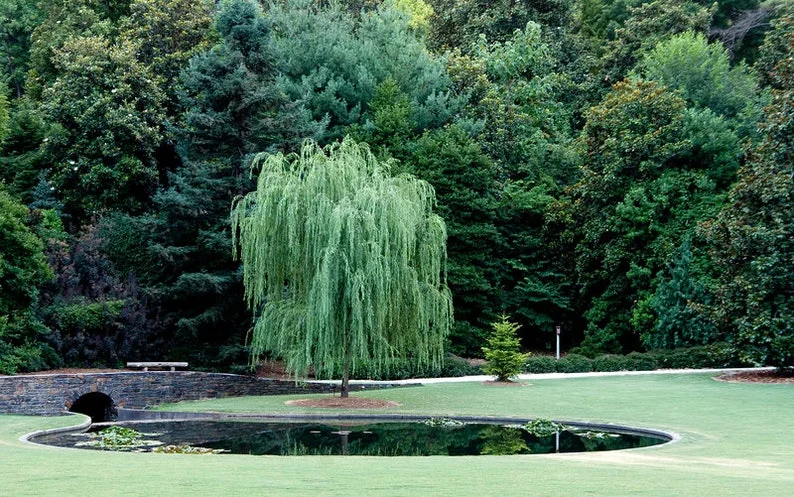
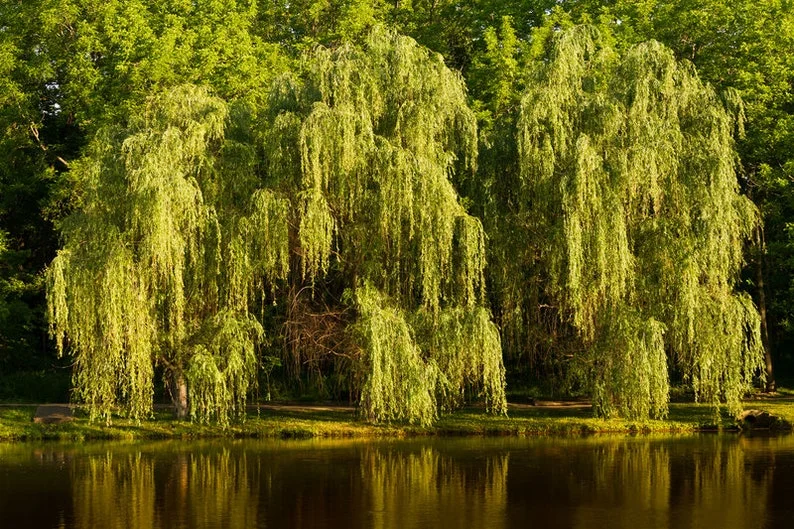
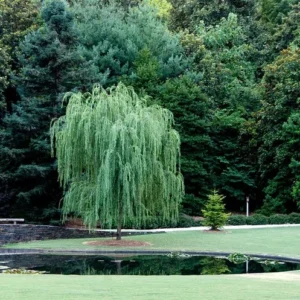
The Salix babylonica tree is more than just a beautiful specimen; it’s a statement of natural elegance. Its rapid growth rate means you won’t have to wait years to enjoy its full splendor. Ideal for planting near water features or in open lawns, this tree’s flowing form complements any design. It’s a relatively low-maintenance option that provides significant impact, transforming ordinary spaces into extraordinary havens. This ornamental weeping willow is truly a living sculpture, offering both aesthetic appeal and practical benefits like extensive shade.
Opting for a weeping willow tree live plant brings numerous advantages to your garden and lifestyle. Its unique characteristics contribute significantly to both the beauty and functionality of your outdoor environment. This large landscape tree is a versatile choice for many gardeners.
Caring for your weeping willow tree live plant is straightforward, ensuring it grows into a magnificent specimen. These trees are known for their resilience, but providing optimal conditions will accelerate their growth and enhance their beauty. The Salix babylonica tree prefers a location with abundant sunlight.
For sunlight, plant your large landscape tree in a location that receives full sun, meaning at least six hours of direct sunlight per day. While it can tolerate some partial sun, full sun exposure promotes the most vigorous growth and the characteristic dense canopy. When it comes to watering, the Weeping Willow loves moisture. It thrives in consistently moist soil and can even tolerate waterlogged conditions, making it an excellent choice for areas with poor drainage or near ponds and streams. During dry spells, especially in its first few years, ensure regular deep watering to help establish its root system. For soil, this adaptable tree is not particular and will grow in most soil types, from sandy to clay, but prefers a rich, well-draining loam. Its tolerance for waterlogged soil is a significant advantage, differentiating it from many other trees. The ideal USDA hardiness zones for the Weeping Willow range from 4 to 9, allowing it to withstand a wide array of temperatures.
Fertilization is generally not heavily required once the tree is established, especially if planted in fertile soil. However, a balanced slow-release fertilizer can be applied in early spring to young trees or those in less fertile ground to encourage robust growth. Pruning should be done in late winter or early spring while the tree is dormant. Focus on removing dead, damaged, or crossing branches to maintain its health and characteristic weeping shape. You can also prune to control size or to encourage a denser canopy. Common problems include susceptibility to certain pests like aphids and diseases like willow scab, but these are often manageable with proper care and occasional treatment. Ensuring good air circulation and avoiding overhead watering can help prevent fungal issues. By following these care guidelines, your ornamental weeping willow will flourish.
This weeping willow tree live plant is typically shipped as a bare root specimen, usually ranging from 2 to 3 feet in height at the time of delivery. This size is ideal for planting, allowing the tree to quickly establish itself in its new environment. Once planted, this fast growing shade tree is known for its impressive growth rate, often growing several feet per year under optimal conditions. Expect mature trees to reach substantial dimensions, commonly growing up to 80 feet tall with a spread of around 60 feet, creating a magnificent, wide canopy perfect for extensive shade.
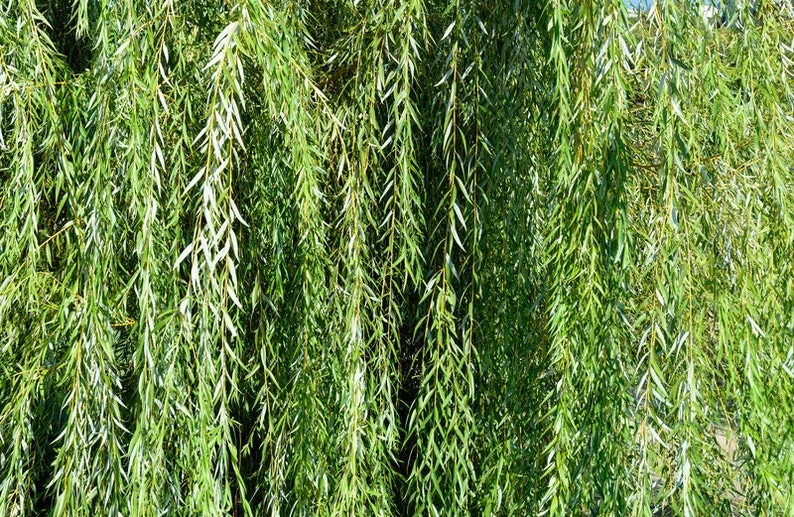
The mature form of the Salix babylonica tree is characterized by its broad, rounded crown and deeply furrowed bark. Its long, slender branches with bright green leaves create a graceful, flowing appearance that is truly captivating. As a large landscape tree, it provides significant visual impact and becomes a dominant feature in any garden. This tree is supplied in a dormant state during winter months, which is the best time for planting to ensure successful establishment. With proper care, your Weeping Willow will quickly develop into a stunning and enduring addition to your property.
You must be logged in to post a review.

Sold 90 products
Original price was: $99.98.$49.99Current price is: $49.99.
Sold 100 products
Original price was: $119.98.$59.99Current price is: $59.99.
Sold 67 products
Original price was: $35.98.$17.99Current price is: $17.99.
Sold 80 products
Original price was: $48.98.$24.49Current price is: $24.49.
Sold 56 products
Original price was: $59.98.$29.99Current price is: $29.99.
Sold 96 products
Original price was: $258.98.$129.49Current price is: $129.49.
Sold 98 products
Original price was: $55.98.$27.99Current price is: $27.99.
Sold 90 products
Original price was: $259.96.$129.98Current price is: $129.98.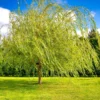


Reviews
There are no reviews yet.