NEED SUPPORT WITH YOUR ORDER? Get in touch
Not satisfied with your purchase?
Enter your Order ID on website, and we'll resolve it right away.

Original price was: $31.98.$28.99Current price is: $28.99.
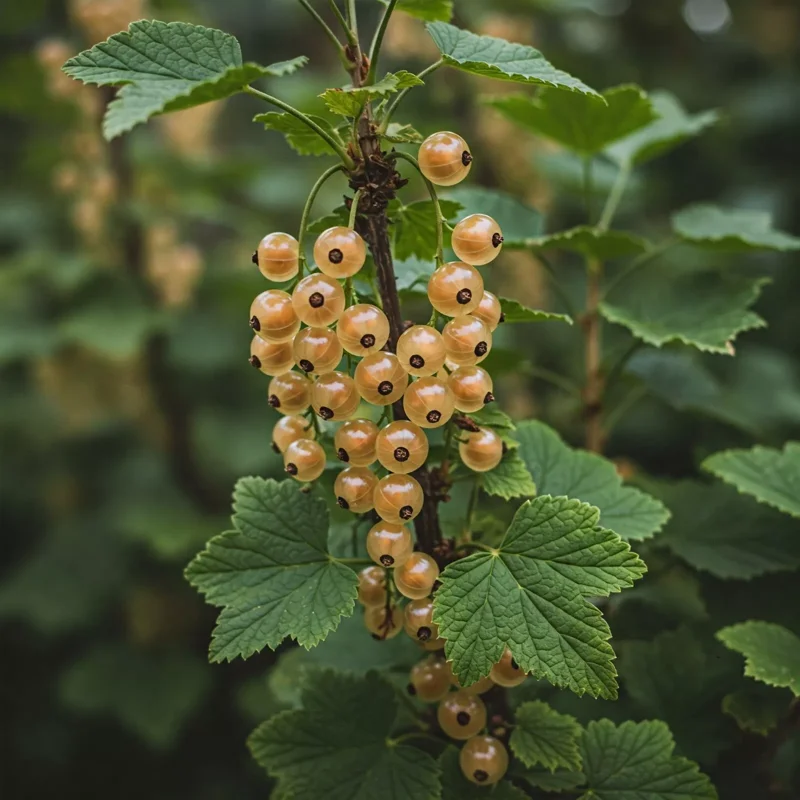
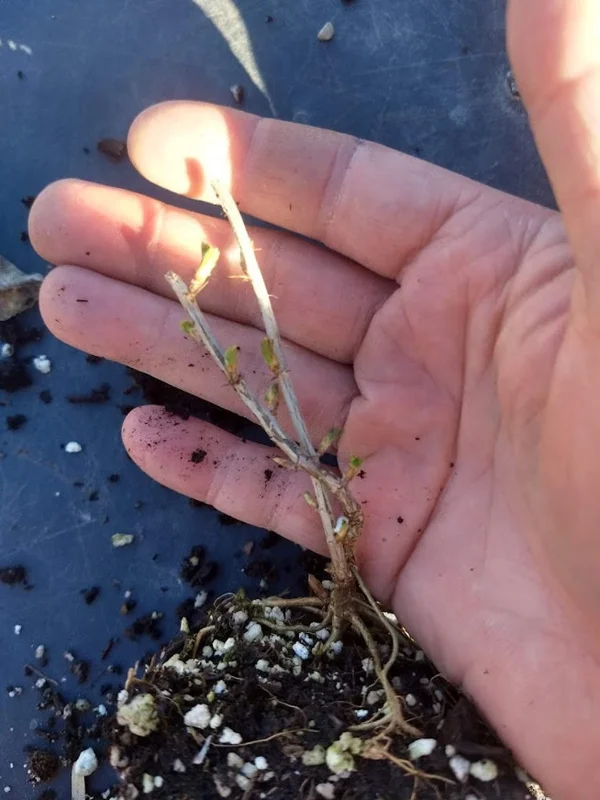
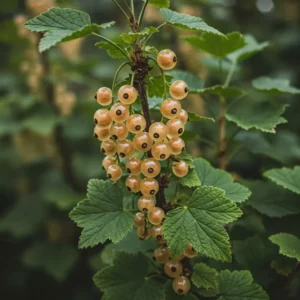
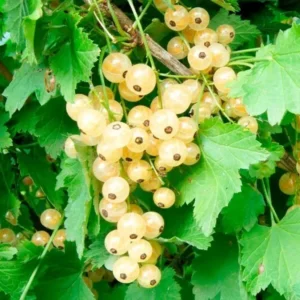
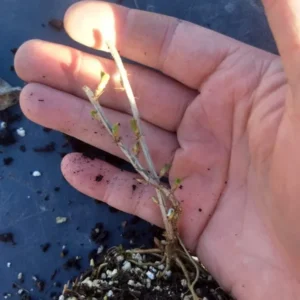
Cultivate your own sweet harvest with this white currant plant. A well-rooted, 6-12 inch tall fruit bush, perfect for fresh eating, jams, and jellies. This self-pollinating fruit plant is adaptable and easy to grow, adding beauty and productivity to your garden.
Mar 05
Mar 10 - Mar 12
Mar 15 - Mar 19
USDA Hardiness Zone
Soil Type
Sunlight Exposure
Expected Planting Period
Shipping and return policies: Our Alive & Thrive Guarantee covers issues with your plants within the first 30 days. Get in touch with us via email, and our team will review your concerns and, if necessary, provide you with a one-time replacement at no cost.
If you're unsure about your hardiness zone, feel free to reach out to us. Our team will answer your questions and help you find the plants that are truly suitable for your environment, climate, and personal preferences.
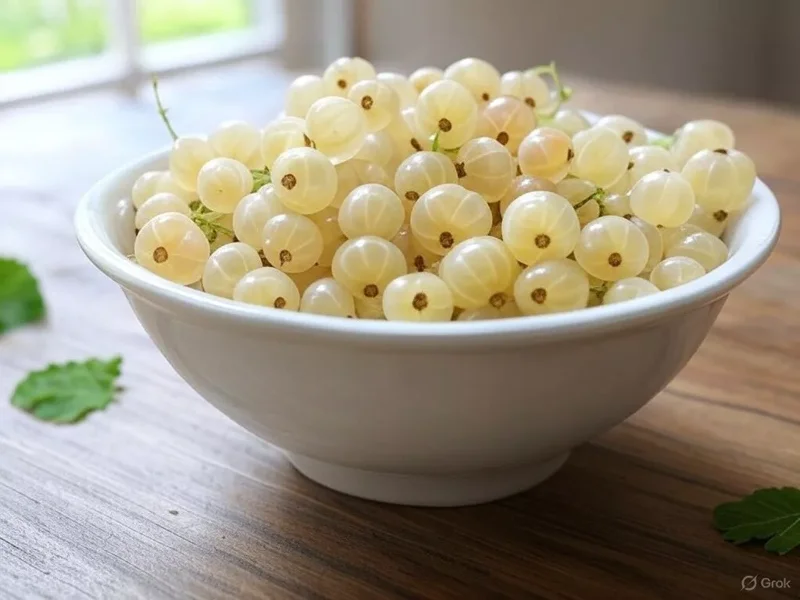
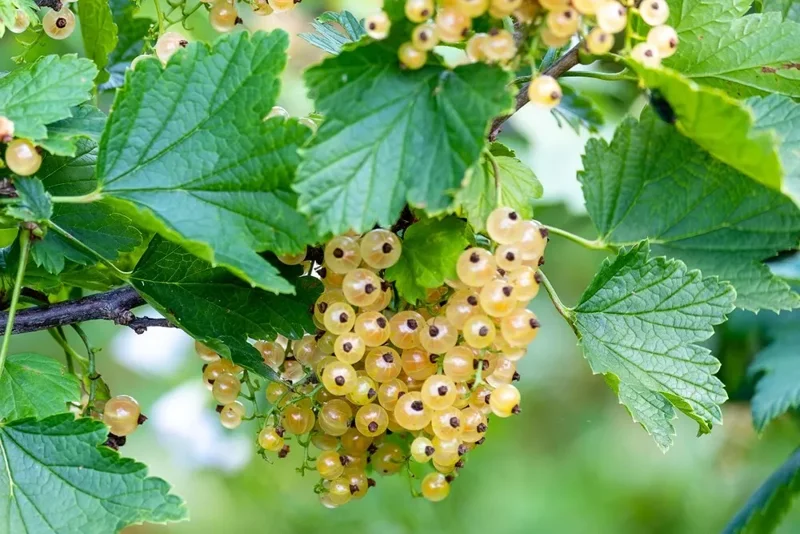
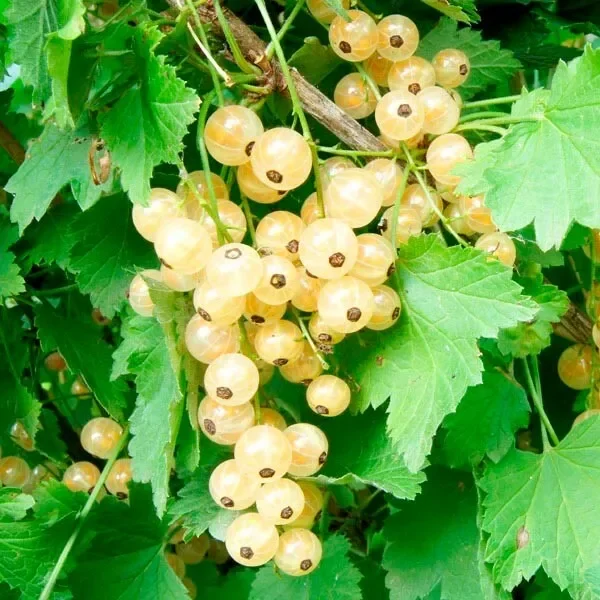
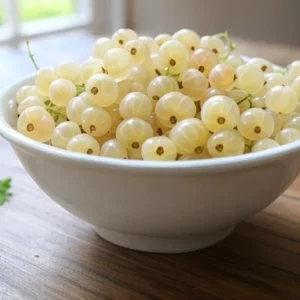
Bring the joy of homegrown fruit to your garden with a white currant plant. This offering is for a well-rooted, live fruit bush, typically standing 6-12 inches tall, ready to thrive in your landscape. Known for its exceptional sweetness and translucent berries, the white currant (Ribes sativum ‘White Grape’ or similar varieties) is a delightful addition to any edible garden. Unlike its tart red counterparts, the white currant plant offers a milder, sweeter flavor, making it a favorite for fresh eating straight from the bush, as well as for culinary creations. This easy-to-grow shrub is suitable for gardeners of all skill levels, providing a bountiful and reliable harvest. Prepare to enjoy delicious, vitamin C-rich fruits that enhance everything from breakfast to desserts.
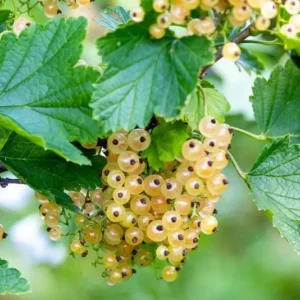
Our white currant plant arrives as a healthy, established starter, ensuring a strong foundation for future growth. These plants are celebrated for their adaptability and relatively low-maintenance nature, making them an excellent choice for both novice and experienced growers. With its attractive foliage and clusters of shimmering berries, this fruit bush also contributes ornamental value to your garden space, offering beauty alongside its delicious yield. Discover the satisfaction of growing your own produce and add this versatile and rewarding plant to your collection.
Adding a white currant plant to your garden offers a multitude of advantages, from its unique taste to its ease of cultivation. Enjoy a steady supply of fresh, healthy fruit right at your fingertips.
Caring for your white currant plant is straightforward, ensuring years of delicious harvests. These resilient shrubs thrive with proper attention to their environmental needs. They prefer a location with full sun, meaning at least 6-8 hours of direct sunlight daily, which is crucial for optimal fruit production and plant health. While they can tolerate partial shade, fruit yield may be reduced. Ensure the planting site has well-drained soil, as currants do not like wet feet. A slightly acidic to neutral soil pH (6.0-7.0) is ideal. Amending heavy clay soils with organic matter like compost can significantly improve drainage and aeration.
Watering should be consistent, especially during dry spells and when the fruit is developing. Aim to keep the soil evenly moist but not waterlogged. Once established, the white currant is relatively drought-tolerant but will perform best with regular hydration. Fertilize in early spring with a balanced, slow-release fertilizer or a layer of compost around the base of the plant. Pruning is essential for maintaining plant vigor and maximizing fruit production. In late winter or early spring, remove any dead, diseased, or crossing branches. Also, thin out older canes (those more than three years old) to encourage new, more productive growth. This regular maintenance will help your white currant plant remain healthy and productive.
This edible currant bush is hardy in USDA zones 3-7. It requires approximately 800 chill hours (temperatures below 45°F or 7°C) during winter to ensure proper bud break and fruit set the following spring. If you are in a warmer climate, consider if your region provides sufficient chill hours. Expect early ripening from mid-spring to early summer. While generally robust, keep an eye out for common pests like aphids or currant borers, and diseases such as powdery mildew, especially in humid conditions. Good air circulation and proper plant spacing can help prevent fungal issues. Understanding white currant care ensures a delicious and abundant harvest.
This offering is for one live white currant plant, provided as a well-rooted starter bush, typically measuring between 6-12 inches in height. These plants are carefully nurtured to ensure they are healthy and ready for successful transplanting into your garden. The mature size of a white currant plant generally reaches a compact 4 feet tall and wide, making it an excellent choice for a variety of garden settings, including smaller spaces, mixed borders, or even larger containers. Its moderate growth rate means you will see steady development and can anticipate your first significant harvest within a couple of years after planting.
The plant will arrive carefully packaged to protect its roots and foliage during transit. Upon arrival, it’s recommended to plant it as soon as possible to minimize transplant shock. This particular variety is known for its early ripening, providing sweet berries from mid-spring to early summer. While the plant may enter a semi-dormant phase in summer, potentially shedding some leaves, this is a natural characteristic for a healthy fruit bush, especially in warmer periods, and it will regrow in the fall. The plant’s manageable size and attractive form make it a versatile asset to any edible landscape, ensuring a rewarding experience when you grow white currants.
You must be logged in to post a review.
Sold 69 products
Original price was: $99.98.$49.99Current price is: $49.99.
Sold 89 products
Original price was: $72.99.$52.99Current price is: $52.99.
Sold 58 products
Original price was: $57.98.$28.99Current price is: $28.99.
Sold 91 products
Original price was: $57.98.$28.99Current price is: $28.99.
Sold 97 products
Original price was: $99.99.$79.99Current price is: $79.99.
Sold 57 products
Original price was: $89.99.$57.99Current price is: $57.99.
Fruits
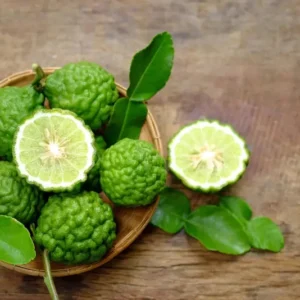
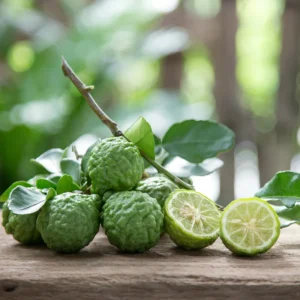
Kaffir Lime Starter Plug – Kaffir Lime Citrus Fruit Plants-Lemon Tree 2-3 Inch Live Plant Seedling
Sold 68 products
Original price was: $68.99.$47.99Current price is: $47.99.
Sold 97 products
Original price was: $57.98.$28.99Current price is: $28.99.
Reviews
There are no reviews yet.